
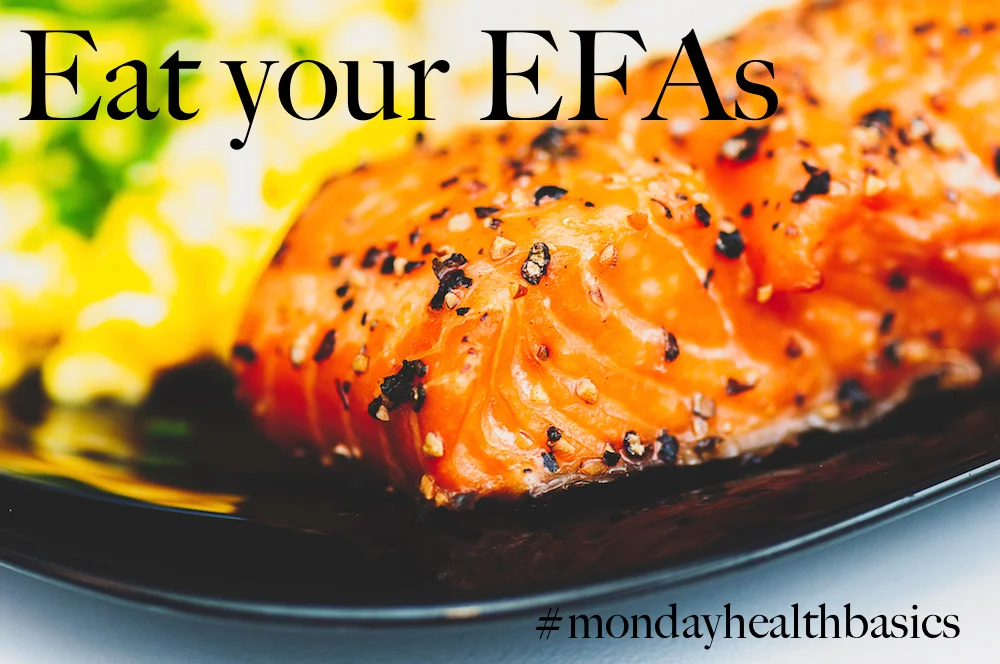
THURSDAY BASICS: Eat your EFAs
This week's Thursday Health Basics topic is one that I think about every live long day, and it involves choosing foods that will support just about everything going on in your body. Let's talk ESSENTIAL FATTY ACIDS.
As we’ve been zeroing in on those good practices to help reduce inflammation all month of May, I wanted to take this talk of EATING THE GOOD FATS one step further.
See, we’ve talked butter. We’ve explored what is a good fat. We’ve also talked about the benefits of reaching for pastured sources when it comes to animal fats. Let’s zero in on another fat category, yes?
EAT YOUR OMEGA 3s. (aka ESSENTIAL FATTY ACIDS)
COLES’ NOTES:
1. These fats are ESSENTIAL. Means we need to get them from our diet. Careful how you source your foods - choose wild + pastured when it comes to animal sources!
2. Work on balancing those Omega 3s with Omega 6s by boosting your intake of Omega 3s. (6s are everywhere…)
3. This is a key nutrient you want in your diet on the daily if you want to reduce inflammation.
Is it any wonder it’s my favourite macronutrient? Read on for some great tips and ideas on how to incorporate these fats in to your every day and why you might just want to.
This Monday Health Basics topic is one that I think about every live long day, and it involves choosing foods that will support just about everything going on in your body. Let's talk ESSENTIAL FATTY ACIDS.
I will work on keeping this one shorter and sweeter, dear reader. Talking FATS is a big ole conversation I have on a regular basis, and one that is tough to navigate. Today though, I just want to tackle ONE GOOD THING YOU CAN DO TODAY.
And that thing, starting this week, is adding some essential fatty acids in the form of Omega 3s to your daily regime! (Skip to the image of the sweet cows if you just want to get WHAT foods you should reach for.)
Now, let's make one thing clear: when we talk EFAs, I mean omega 3s (essential fatty acids). They’re essential because we can’t make them; it is therefore essential we get them from our diet. They are also needed for our bodies to do their thing. And many things, at that. Chief among them, we need omega 3s to reduce inflammation. (My favourite topic. Aside from talking the PHAT FATS.)
There are a few different kinds of Omega 3 fatty acids, and in the interest of keeping it brief, I will say the main ones are ALA (alpha-linolenic acid), DHA (docosahexaenoic acid) and EPA (eicosapentaenoic acid).
ALA is the one that we cannot make, we need to get it from our diets. The other two, if our bodies are in good working order, we are able to manufacture them out of ALA. But in this day and age, it's tough to do that conversion work because of toxins in our environment, decreased digestion, chronic conditions or chronic inflammatory statuses.
How do I know if I’m getting enough?
There is so much to take into consideration here, and it will depend on the individual. This means the answer can vary from person to person, depending on how well you’re digesting, how assimilation is working, how well you’re able to make the conversions needed, whether you have the cofactors needed for these conversions (assuming they’re not ‘bound’ by your gut flora) and whether or not you’re getting enough via diet in the first place.
Things to think about: exposure to toxic chemicals, if you smoke or are surrounded by second hand smoke; someone who is battling a health condition that is utilizing the precious Omega 3s.
If someone's digestion is compromised, they may not be able to get the nutrients they need in order to get the Omega 3s where they need them to be and for the chemical reactions to take place in order to get them working in the body.
This compromised digestion may also play a role in preventing a person from getting the micronutrients needed for those chemical reactions to take place, things like magnesium, zinc, vitamins E, C and B6.
There are studies out there that point to a correlation between a deficiency in EFAs with a diet where there was an abundance of foods containing trans-fatty acids. (Say no to soybean oil! ALWAYS! Ditch the canola, and cook with saturated fats!)
Of course, seeing as it is an essential that needs to be there in the diet, it goes without saying that a deficiency can also be as a result that the person in question just isn't consuming enough.
It's About Balance
One of the things you need to know here is how the Omega 3s play with other fats, or rather, how other fats play with Omega 3s. There are other EFAs out there, Omega 6s being one of them. Omega 6s and Omega 3s work in tandem in our body to do lots of things, but especially working at keeping our overall inflammation in check.
In order for this process to work properly, we need a ratio of 2:1 of Omega 6: Omega 3s. This means that for every 2 Omega 6 molecules, our body needs 1 Omega 3 molecule. The problem here is that with the way we eat in North America, our diet tips us more in the direction of 20:1 to 30:1 for Omega 6: Omega 3.
With this big of an imbalance, the anti-inflammatory work just can't happen. Not only that, but an over-abundance of Omega 6 fats can contribute to an increase in inflammation, kind of like adding insult to injury there. So yes, I will talk food sources for the Omega 3s, but know that by reaching for real food and reducing the processed foods, you will be working already on improving the ratio.
Know this as well: our ability to convert from a plant source to an animal source takes a lot of work. Sourcing animal versions of these omega 3s can be one of those ways you take one step off of your body’s to-do list, and increase how much you can assimilate from the foods you eat. (Better bioavailability from animal versions - this means you can get more of it in to your body if it’s from an animal than relying on plant sources solely.)

The foods that best serve as excellent sources of these essential Omega 3s:
caviar
sardines (only wild caught!)
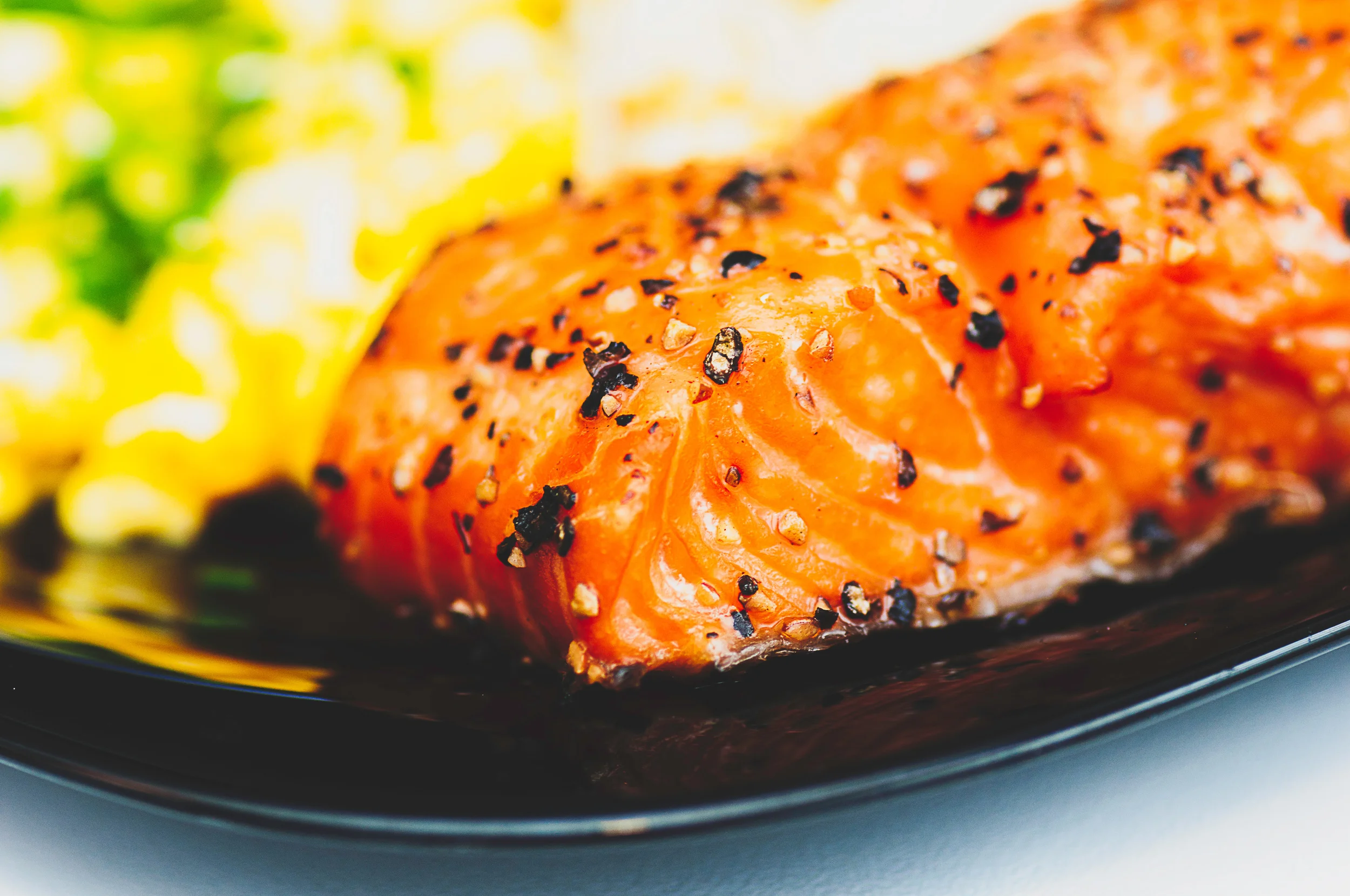
salmon and other cold water fish like anchovies, mackerel, herring (buy only wild fish, as farmed fish will not contain any Omega 3s!)
pastured or grass-fed beef (not conventionally raised beef)
pastured or grass-fed bison (not conventionally raised bison)
wild game (deer, moose, venison)
shrimp
fish broth (homemade from scratch!)
walnuts
pumpkin seeds
chia seeds
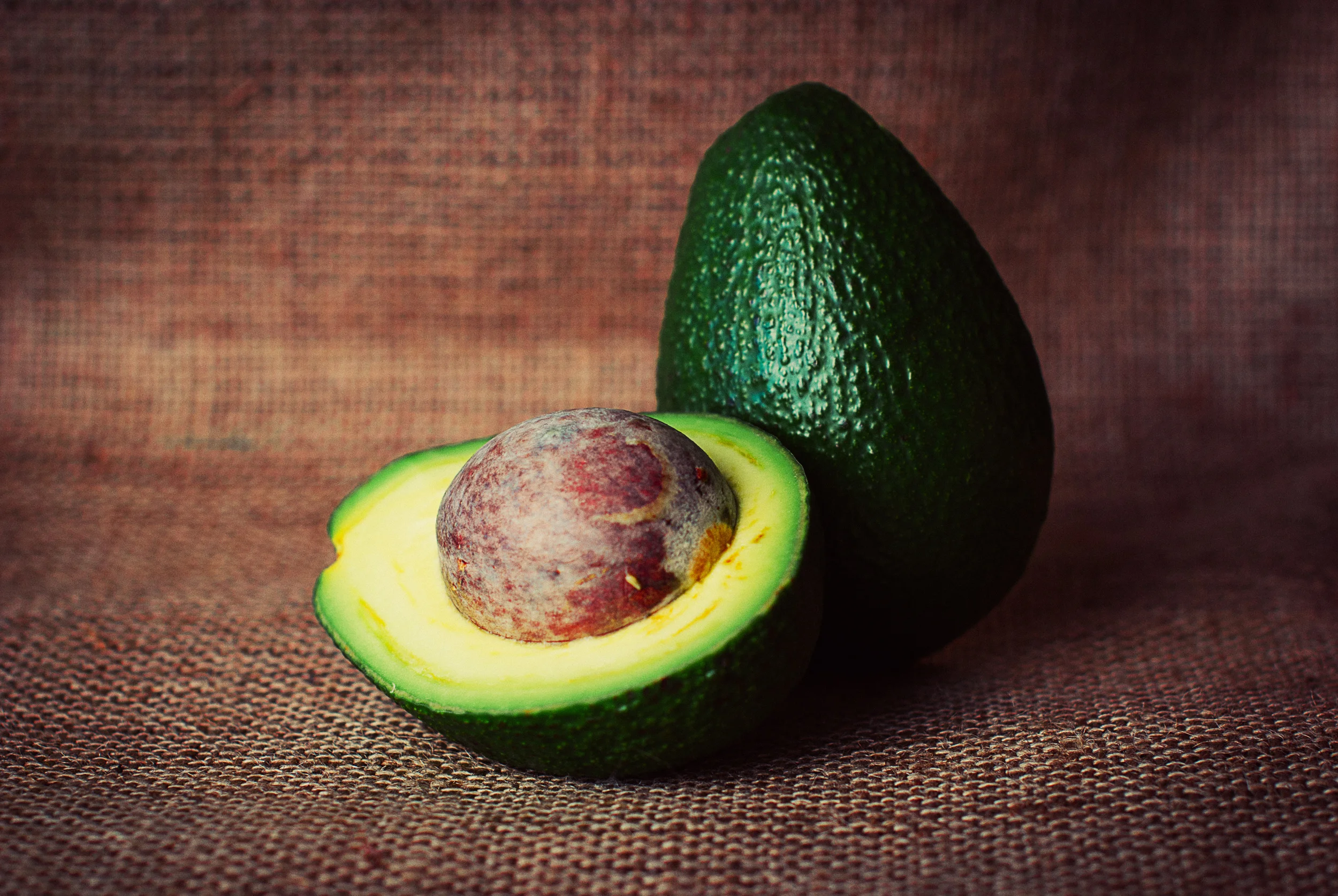
avocado
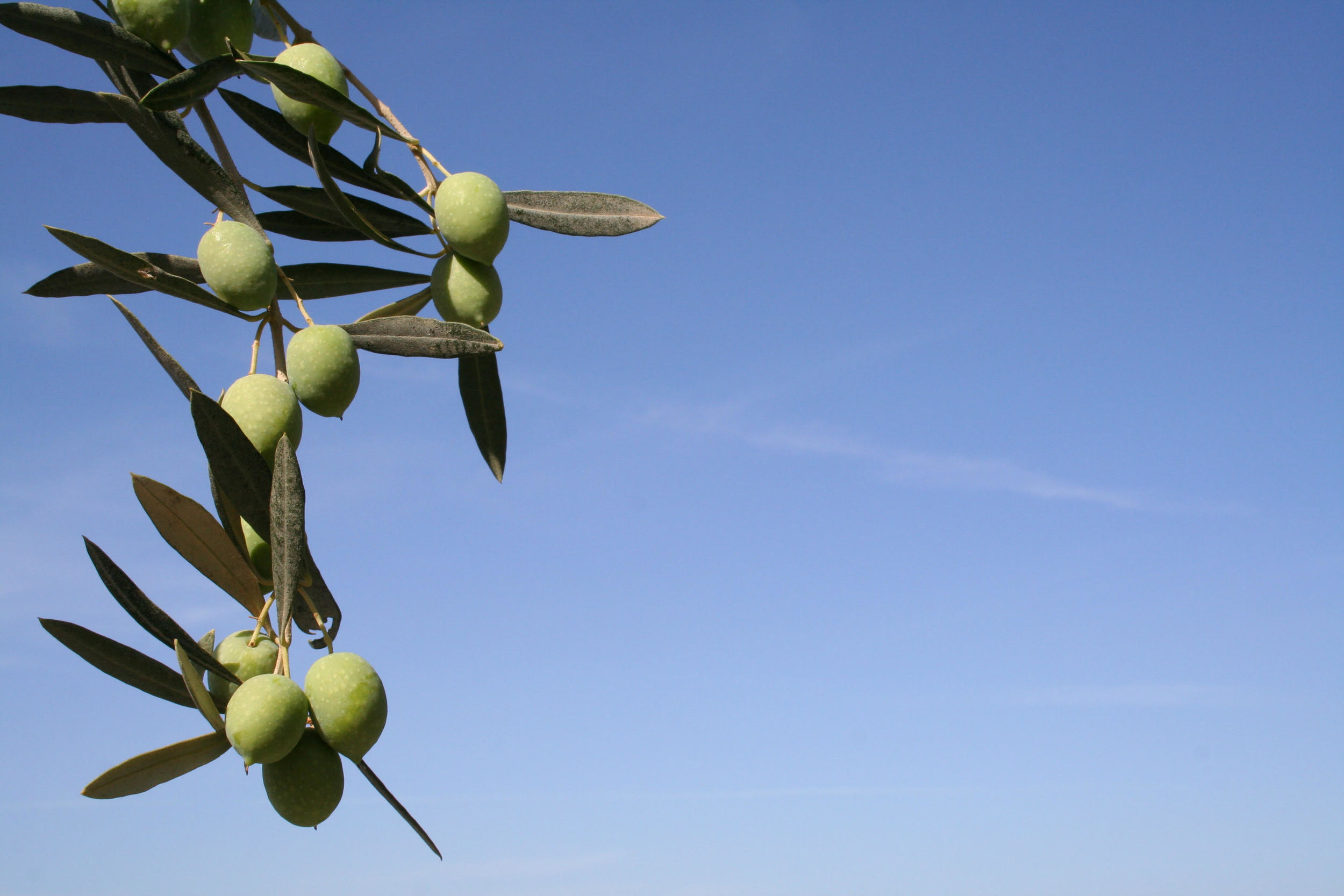
olives and olive oil
flax seeds and flax seed oil (be sure to keep it in the fridge, and buy in small quantities; if it smells or tastes rancid, toss it)
Brussels sprouts
cauliflower
broccoli
sea plants and seaweeds like Irish moss, spirulina, chlorella
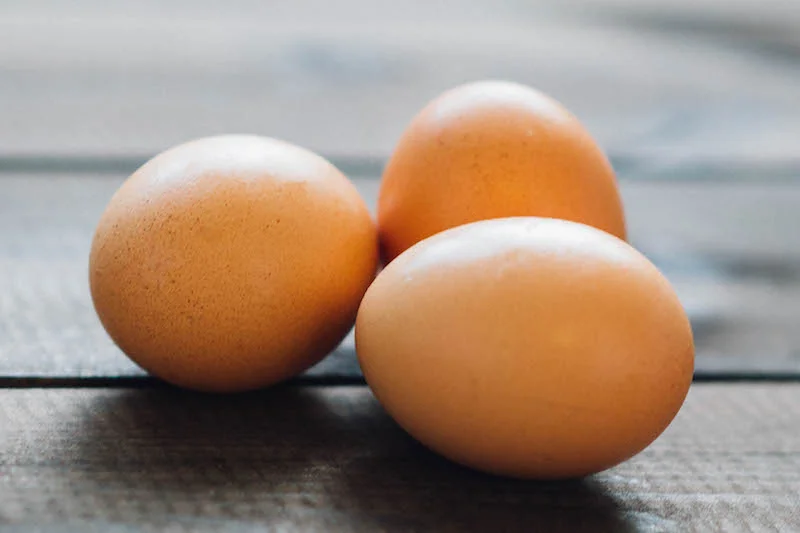
eggs (only from pastured sources)
any dairy products produced from cattle fed on grass (butter, ghee, cheese)

It's as easy as adding walnuts and cheese
If your body is compromised in any way, or if digestion isn't your strong suit, you may be having a hard time converting that plant form of Omega 3 fats to an animal form. (You are an animal. You aren't a plant.) In the case of someone like this, I would recommend reaching for the animal versions of Omega 3 fatty acids, in order to give your body that which it cannot make, taking some of the pressure off.
Taking a fish oil supplement may be of benefit to you. Why not make it do double duty, and pick up some cod liver oil instead? This contains those important EPA and DHA forms of the omega 3s we need, but it also contains other beneficial fat-soluble vitamins like one of my all-time favourites Vitamin A (retinol), necessary for all skin including mucosal linings like your intestinal lining; it's also a good source of Vitamin D, needed for strong bones, robust immunity, hormone manufacturing, mood balancing, thyroid work, and the list goes on.
The Why
Last, but certainly not least, I wanted to let you know that you need to reach for these foods every day, indeed ensure they're at the table for every meal.
Here is why:
these EFAs are critical components in our immune system function
they lower the risk of heart attack, stroke and hardening of the arteries
they are essential to skin and are of benefit to people with psoriasis, eczema, acne and other skin eruptions
they are critical for someone who is suffering from arthritis
necessary to cushion joints and ligaments
important to lubricate the colon and improve our ability to move the poop on down the chute
they reduce blood cholesterol
they help to prevent cancer
they are necessary to brain and heart function
Omega 3s are an essential nutrient for your eyeballs
they're needed for your thyroid + adrenals
you need them for strong bones
mood regulation
they reduce your risk of death in just about everything under the sun. Including effects from the sun.
they help reduce the risk of dementia and Alzheimers'
most important: THEY ARE NECESSARY TO PROTECT YOUR EVER LOVIN BODY FROM INFLAMMATION.
Eat them, dear friend, consume them. Make them a part of every meal.
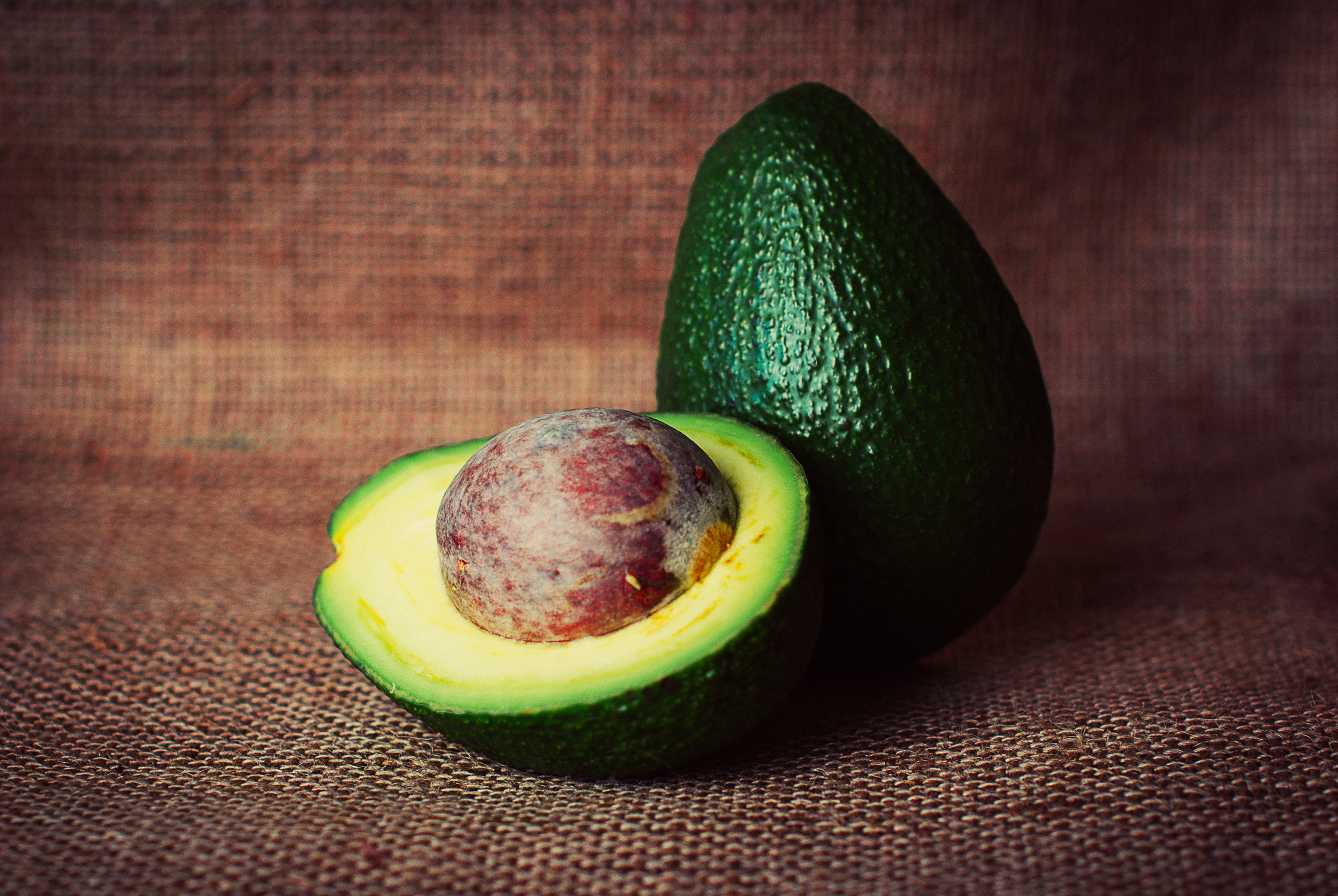
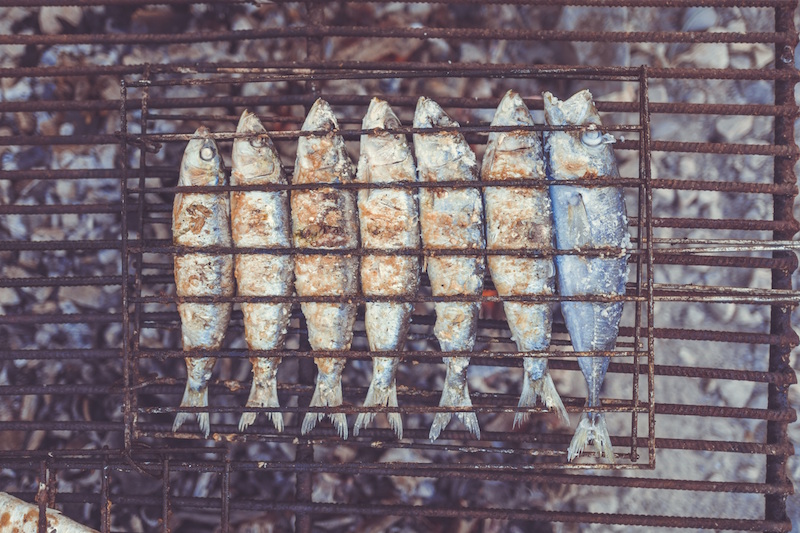
And eat in health. Good food is here, and it's got Omega 3s written all over it. Now go eat half an avocado stuffed with sardines, and drizzled with olive oil for lunch, will you?

Phat Fats & a Giveaway
My dearies. I have an evening workshop on WHY FATS and WHAT FATS and PHAT FATS (I think that should be the new working title, no?). It's coming up next Tuesday evening the 22nd, so next week. I'd love to have you come to the event! (Full event details by clicking here) So...
I AM DOING A GIVEAWAY.
Because I want you to come.
SHARE this post (handy dandy 'share' button at the bottom of the blog post) and your name will go in a draw next Monday morning for a chance to attend this talk next Tuesday night. I'll be giving away TWO tickets for this event, so that you can bring a friend if you like! Because friends let friends eat the good fats.
Contest closes at noon on Monday March 21st, 2016. Share away! And then fire me word via the facebooks or email at lukasymons@gmail.com to let me know you did just in case. (And let's talk fats too, shall we?) xx

THE DEETS:
In this current era of instant-information and seemingly contradicting information on what foods are good for you, which ones we should omit, it can sometimes be overwhelming trying to 'do the right thing'. In this one-hour presentation, followed by a Q&A, Holistic Nutritionist and local foodie Luka Symons will be helping you navigate through the information on Why Fats are Good, which ones to choose, which ones to omit from your diet and recommendations on how to include the good guys in your every day meal plan.
From heart health to immune health to hormonal balance and the all-important brain health, including healthy fats is a quintessential component to supporting our bodies for the work they do every day. In traditional cultures, fat was an essential daily component of the diet, and with good reason. We will look at saturated, unsaturated, cholesterol and heat tolerance. We'll look at which fats to use where in your cooking as well. As a bonus, I will demo how to make your very own creme fraiche at home, a full fat lactose-free dairy delight, sure to tempt your palate.
Cost is $20 per person, and seating is limited. In order to reserve your spot, please contact Renewal Homeopathy and Wellness at 403.202.8507.
I look forward to seeing you there!
MONDAY BASICS: Eat your EFAs
Welcome to February, sweet one. This week's Monday Health Basics topic is one that I think about every live long day, and it involves choosing foods that will support just about everything going on in your body. Let's talk ESSENTIAL FATTY ACIDS.
This Monday Health Basics topic is one that I think about every live long day, and it involves choosing foods that will support just about everything going on in your body. Let's talk ESSENTIAL FATTY ACIDS.
I will work on keeping this one shorter and sweeter, dear reader. Talking FATS is a big ole conversation I have on a regular basis, and one that is tough to navigate. Today though, I just want to tackle ONE GOOD THING YOU CAN DO TODAY. And that thing, starting this week, is adding some essential fatty acids in the form of Omega 3s to your daily regime! (Skip to the image of the sweet cows if you just want to get WHAT foods you should reach for.)
Now, let's make this clear: omega 3s are EFAs (essential fatty acids) which means they are necessary for our bodies to do their thing. We aren't able to make these omega 3s out of anything, we need to rely on our diet to supply them in order that we may utilize them in a myriad of biochemical processes in the body. Why may someone be deficient in the omega 3s, you ask? There can be so many different answers to this question from exposure to toxic chemicals, to someone who smokes or is surrounded by second hand smoke; someone who is battling a health condition that is utilizing the precious Omega 3s. If someone's digestion is compromised, they may not be able to get the nutrients they need in order to get the Omega 3s where they need them to be and for the chemical reactions to take place in order to get them working in the body. This compromised digestion may also play a role in preventing a person from getting the micronutrients needed for those chemical reactions to take place, things like magnesium, zinc, vitamins E, C and B6. There are studies out there that point to a correlation between a deficiency in EFAs with a diet where there was an abundance of foods containing trans-fatty acids. (Say no to soybean oil! ALWAYS! And other things. Come to the talk on Navigating Fats.) Of course, seeing as it is an essential that needs to be there in the diet, it goes without saying that a deficiency can also be as a result that the person in question just isn't consuming enough.
There are a few different kinds of Omega 3 fatty acids, and in the interest of keeping it brief, I will say the main ones are ALA (alpha-linolenic acid), DHA (docosahexaenoic acid) and EPA (eicosapentaenoic acid). ALA is the one that we cannot make, we need to get it from our diets. The other two, if our bodies are in good working order, we are able to manufacture them out of ALA. But in this day and age, it's tough to do that conversion work because of toxins in our environment, decreased digestion, chronic conditions or chronic inflammatory statuses.
It's About Balance
One of the things you need to know here is how the Omega 3s play with other fats, or rather, how other fats play with Omega 3s. There are other EFAs out there, Omega 6s being one of them. Omega 6s and Omega 3s work in tandem in our body to do lots of things, but especially working at keeping our overall inflammation in check. In order for this process to work properly, we need a ratio of 2:1 of Omega 6: Omega 3s. (This means that for every 2 Omega 6 molecules, our body needs 1 Omega 3 molecule.) The problem here is that with the way we eat in North America, our diet tips us more in the direction of 20:1 for Omega 6: Omega 3. With this big of an imbalance, the anti-inflammatory work just can't happen. Not only that, but an over-abundance of Omega 6 fats can contribute to an increase in inflammation, kind of like adding insult to injury there. So yes, I will talk food sources for the Omega 3s, but know that by reaching for real food and reducing the processed foods, you will be working already on improving the ratio.
The foods that best serve as excellent sources of these essential Omega 3s:
flax seeds and flax seed oil (be sure to keep it in the fridge, and buy in small quantities; if it smells or tastes rancid, toss it)
caviar
sardines
salmon and other cold water fish like anchovies, mackerel, herring (buy only wild fish, as farmed fish will not contain any Omega 3s!)
pastured or grass-fed beef (not conventionally raised beef)
pastured or grass-fed bison
wild game (deer, moose, venison)
shrimp
fish broth (homemade from scratch!)
walnuts
chia seeds
avocado (my favourite! Have 1/2 an avocado a day!)
olives and olive oil
Brussels sprouts
cauliflower
broccoli
sea plants and seaweeds like Irish moss
eggs
any dairy products produced from cattle fed on grass (butter, ghee, cheese)
pumpkin seeds
It's as easy as adding walnuts and cheese
If your body is compromised in any way, or if digestion isn't your strong suit, you may be having a hard time converting that plant form of Omega 3 fats to an animal form. (You are an animal. You aren't a plant.) In the case of someone like this, I would recommend reaching for the animal versions of Omega 3 fatty acids, in order to give your body that which it cannot make, taking some of the pressure off. Taking a fish oil supplement may be of benefit to you. Why not make it do double duty, and pick up some cod liver oil instead? This contains those important EPA and DHA forms of the omega 3s we need, but it also contains other beneficial fat-soluble vitamins like one of my all-time favourites Vitamin A (retinol), necessary for all skin including mucosal linings like your intestinal lining; it's also a good source of Vitamin D, needed for strong bones, robust immunity, hormone manufacturing, mood balancing, thyroid work, and the list goes on.
The Why
Last, but certainly not least, I wanted to let you know that you need to reach for these foods every day, indeed ensure they're at the table for every meal. Here is why: these EFAs are critical components in our immune system function; they lower the risk of heart attack, stroke and hardening of the arteries; they are essential to skin and are of benefit to people with psoriasis, eczema, acne and other skin eruptions. They are critical for someone who is suffering from arthritis; necessary to cushion joints and ligaments; important to lubricate the colon and improve our ability to move the poop on down the line; they reduce blood cholesterol; they help to prevent cancer; they are necessary to brain and heart function. Omega 3s are an essential nutrient for your eyeballs. They're also needed for your thyroid and adrenals. You need them for strong bones. Mood regulation. They reduce your risk of death in just about everything under the sun. Including effects from the sun. They help reduce the risk of dementia and Alzheimers'. Most important: THEY ARE NECESSARY TO PROTECT YOUR EVER LOVIN BODY FROM INFLAMMATION. Eat them, dear friend, consume them. Make them a part of every meal.
And eat in health. Good food is here, and it's got Omega 3s written all over it. Now go eat half an avocado stuffed with sardines, and drizzled with olive oil for lunch, will you?
(Oh and, did I mention yet that inflammation can show up as low moods? Depression? Anxiety?)
Goodness I'm verbose for a Monday morning. This topic isn't a short one, thanks for reading this far. #mondayhealthbasics

Taming the Inflammation Dragon
I wanted to extend an invitation to you, my food- and wellness-loving friend, to join me for an evening workshop on the impact of our food choices on our body's sense of well-being, focusing on inflammation. The idea is to arm you with the knowledge and tools so that YOU can make informed choices for your own health and vitality, ensuring that inflammation beast quiets down its roar for you.

Taming the inflammation dragon can lead to feeling like you're here.
I wanted to extend an invitation to you, my food- and wellness-loving friend, to join me for an evening workshop on the impact of our food choices on our body's sense of well-being, focusing on inflammation. The idea is to arm you with the knowledge and tools so that YOU can make informed choices for your own health and vitality, ensuring that inflammation beast quiets down its roar for you.
At this presentation, we will explore what is inflammation and how it can be one of the ways your body is trying to send a smoke signal to let you know something is up. As you may know, chronic “silent” inflammation or low-grade inflammation has a big part to play in the majority of our chronic degenerative diseases from diabetes to cancer, mental health issues to heart disease; it's also in the picture for someone working through chronic pain issues, joint pain, skin eruptions, hormonal imbalances and fertility issues; from obesity to auto-immune conditions; it certainly contributes to the picture of gout and has also been linked to degenerative cognitive function like that found in Alzheimers' and Dementia patients.
I will touch on the power of our food choices, pinpointing the best nutrient-dense foods to best support your body do the work it needs and which foods are common contributors to the inflammation going on.
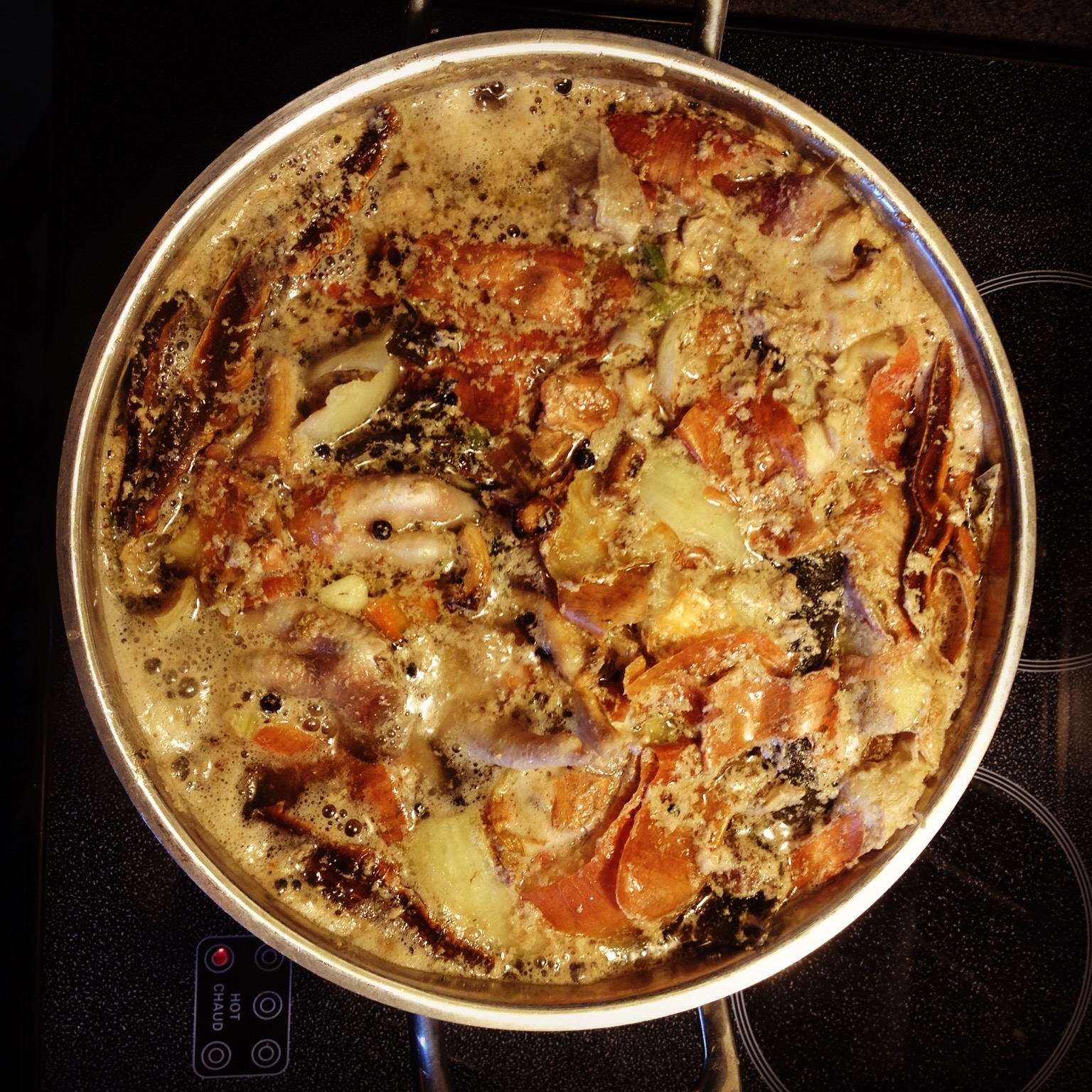
chicken meat stock
I will be demonstrating how to make your own meat stock in order to best support your body through lowering your body's inflammation, with different additional herbs you can add as bonus depending on whatever ailment you're working through. We will finish the workshop with some ideas on lifestyle choices that can best support lowering our overall inflammation, as stress happens to be public enemy number 1 when it comes to inflammation. Yep, we'll brainstorm ideas on what that can look like for you: does it mean you downsize your commitments? Make time for a cuppa with a friend? Make a date for a comedy show? Take a day off and run towards water with a little in tow?



The talk gets underway just after dinner on Tuesday December 1st, 7.15pm at Renewal Homeopathy & Wellness at #150, 4625 Varsity Drive NW just next to Planet Organic. Call in order to reserve your spot at 403.202.8507, tickets are $20 per participant.
Congratulations to the lovely Liane from Calgary who has won free tickets to attend Tuesday night's talk on TAMING THE INFLAMMATION DRAGON. Liane is a subscriber to my newsletter, and won the tickets offered to my subscribers. Want to get in on future giveaway action? Join my newsletter today by filling in the box marked 'subscribe'!
My biggest take-away for this workshop? We'll be talking JERF. Just. Eat. Real. Food. That's probably the biggest single change you can implement one meal at a time in order to best keep that inflammation beast tamed. Look forward to seeing you there!

GOT STRESS? Now what?
Your invitation to a free talk!
Thursday April 16th, 10.30-11 am

I think it would be safe to say that in this day and age, there is a certain level of stress in everyone's lives. We are all stressed. Stressed about timelines, about our relationships with loved ones, our health, worried about making ends meet, anxious about our current work situation. The list could go on and on. Stress certainly affects many of our bodily functions.
In this FREE 30 minute presentation, Holistic Nutritionist Luka Symons will present ways that we can support our bodies through these stressful times, how stress can serve as a tool, and how through our food choices we can best support our bodies through the work ahead. The power of good food is always within our grasp.
Please contact Xerion Homeopathie at 403.202.8507 in order to reserve a spot, as seats are very limited! There will be a Q&A to follow.