
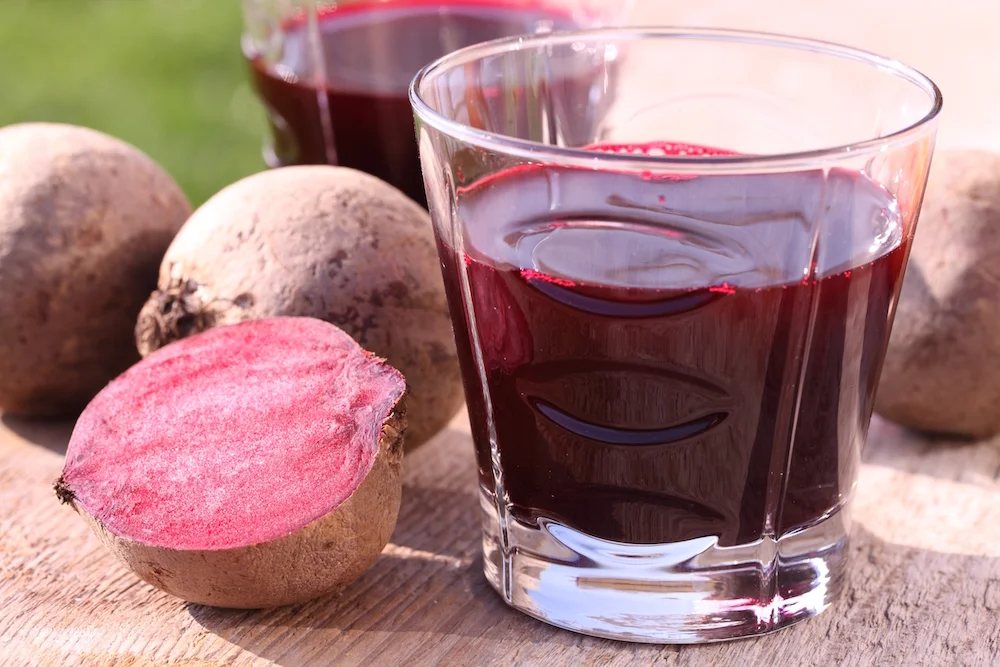
Customize your own Beet Kvass Brew
This past weekend, I had the good fortune of participating in our city’s first Fermentation Festival. What a brilliant way to spend a weekend day, hanging out with fellow Gut Geeks to talk nerdy about the microbiome. It really felt like a celebration of all things I love - culture, community and the power of good food.
This blog post delves into ways to customize your own Beet Kvass Brew and targeting specific organs or health concerns you may have on the go. Click on the image for the full run down of ideas and inspiration.
This past weekend, I had the good fortune of participating in our city’s first Fermentation Festival. What a brilliant way to spend a weekend day, hanging out with fellow Gut Geeks to talk nerdy about the microbiome. It really felt like a celebration of all things I love - culture, community and the power of good food.
I caught a very enlivening and inspiring workshop from Mike Doiron at Living Soil Solutions, talking about the microbiome of the soil, and its role in our overall health. The soil is really the earth’s gut it would seem; the bugs its microbiome. I highly recommend catching Mike at a talk somewhere down the line to help invigorate your comprehension of the power of good soil, and how that has the potential to mitigate carbon emissions, foster better agricultural practices, inherently ending in better health for the soil, the earth, better mineral and micronutrient profiles in the foods we grow. This can only lead to optimal health for all - the earth, the people and the community!
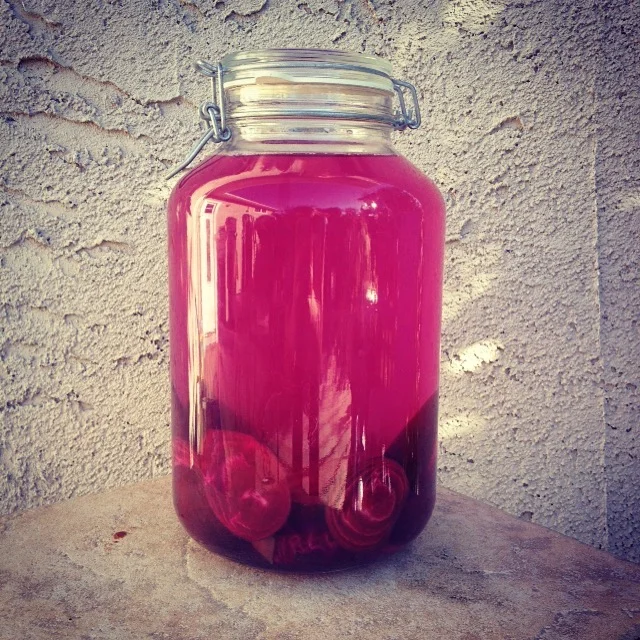
I had the good fortune to kick off the day in the Microbiome Room, diving in to the beauty and health benefits of the ever brilliant Beet Kvass. Many thanks to those who came to hang out and talk about the importance of looking after the microbiome via the good brew. We dove in to the science of the microbiome, its role in our body’s overall health and wellness. We also talked about how to GO SLOW if you are new to fermenting, and what signs to look for if your body is asking you to go even slower.
If you are new to making Beet Kvass, I will point you to this blog post: it features a recipe and video to walk you through how to make your own brew at home. Couldn’t be easier!
I took the chance at this class to jump into one of my tenets - PLAY WITH YOUR FOOD. My hope in putting together this hour on Beet Kvass was to inspire you to come up with your own combinations of extra flavours to add in to the mix. The idea here was to help you choose roots, shoots, herbs + flavours to reach for to help support you with your own specific health goals in mind.
To that effect, I had a request to post on the blog a roundup of ideas and ingredients one could add in order to build flavours according to certain health concerns.
Know this:
Chasing Flavour will always serve you well.
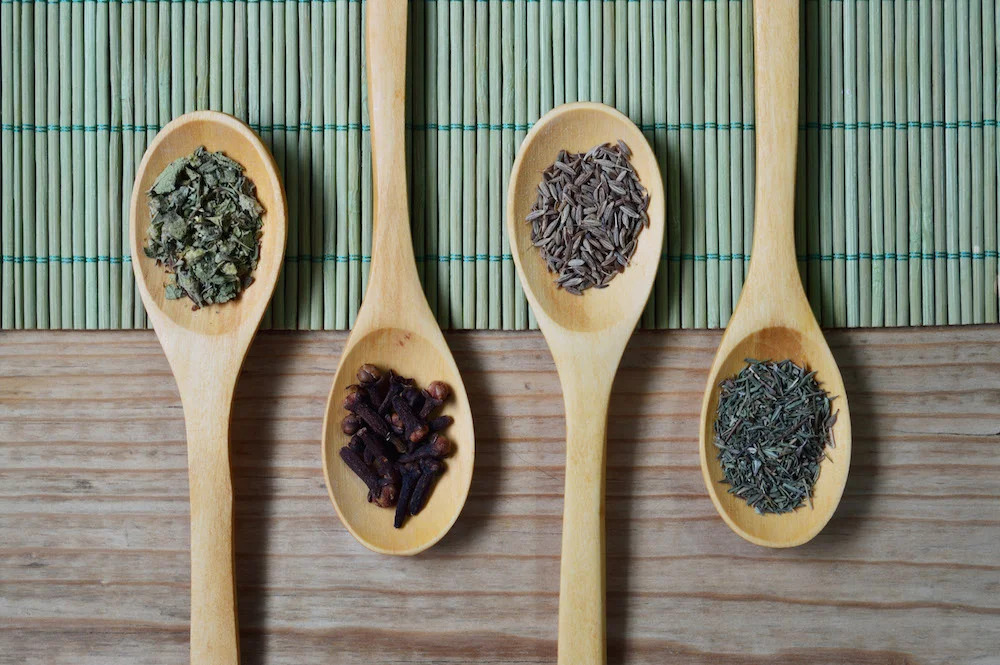
SPICES
dried spices like cinnamon, cloves, cardamom pods, nutmeg, star anise
flavours like fennel, fenugreek, caraway, cumin, coriander seeds, peppercorns
dried herbs like dill, tarragon, sage, thyme, dill seed, nettle, etc.
fresh herbs like dill, parsley, lovage, nettle, rosemary, etc.
ROOTS
dried roots like dandelion, burdock, nettle root, chicory
fresh roots like ginger, turmeric, galangal, lemongrass stalks
medicinal roots like astragalus, rehmannia root, eleuthero
FRUIT
make sure they are unsulphured or organic
dried like goji berries, raisins, cranberries, dates, figs, barberries
superfood dried fruit like elderberries, shizandra berries, jujube dates
dried lemon or orange peel
fresh fruit like any berries, pomegranate arils, slices of citrus fruit
fresh or dried foraged berries like rose hips, silver buffalo berries, saskatoons, sea buckthorn berries, hawthorn berries
VEGETABLES
garlic, green onions, chives
onions, horseradish root (horseradish leaves work well too!)
veggie remnants like cabbage wedges, radish peels
dried veggies like hot peppers, chipotle peppers
HERBS + FLOWERS
think loose leaf tea ingredients
labrador tea leaves, nettle, holy basil, raspberry leaf, rooibos
foraged goodies like spruce tips, pine pollen
flower petals like rose, borage, red clover, heather, calendula petals, chamomile, hibiscus
MEDICINAL MUSHROOMS + SUPERFOODS
always add a piece of seaweed to each batch (kelp, kombu, dulse, wakame, etc.)
reishi slices, chaga, cordyceps, maitake, lion's mane
shiitake mushrooms (dried)
astragalus roots, rehmannia root
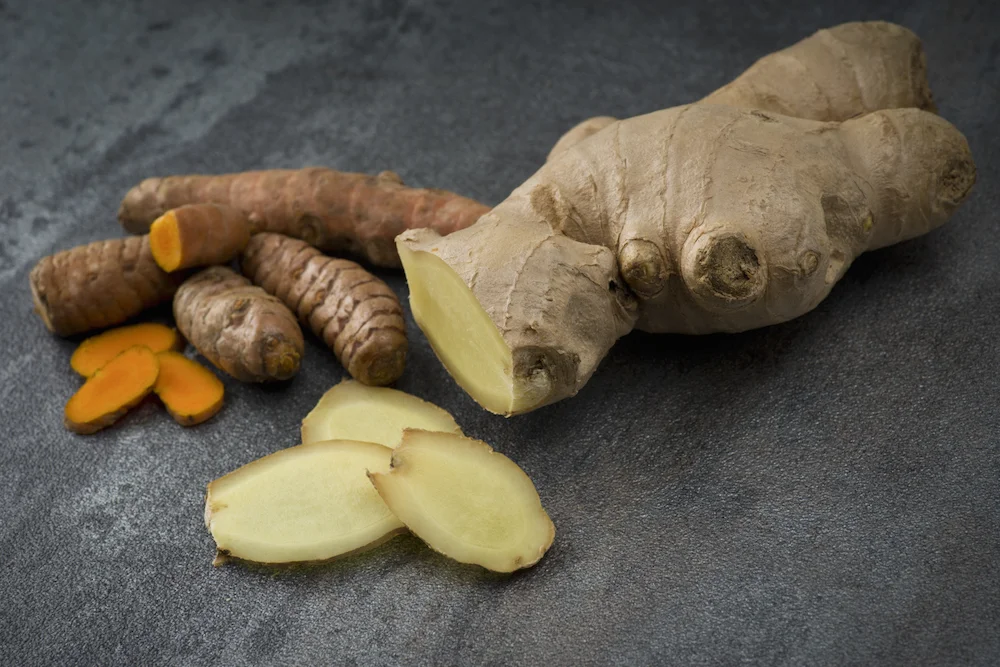
COMBINATION AND FLAVOUR IDEAS
I built a list of flavour combos targeting specific health concerns, and wanted to share these here. Use them as a jumping off point to brew your own combo!
Know that Beet Kvass always supports the liver and improves detox, helps reduce inflammation, improves digestion, loves up the microbiome and takes care of the heart. Beet Kvass has been shown to bust gallstones, kidney stones, dissovle uric acid to help reduce gout flare ups. So really, a basic brew of beets + salt + time is a great place to start. Anything else on top of that is just bonus.
Build from there! Use what you have on hand to start with, and build your pantry slowly over time. And know that a shot glass is what you're working up to, before meals. TAKE YOUR TIME.
IDEAS
IMPROVE DIGESTION: fennel / fenugreek / caraway (strong flavours to wake up the digestive fire)
REDUCE INFLAMMATION: chamomile + turmeric + ginger + medicinal mushroom
GUT HEALTH: cabbage wedge + calendula + fresh dill
DETOX SUPPORT: burdock or dandelion root + goji or jujube dates
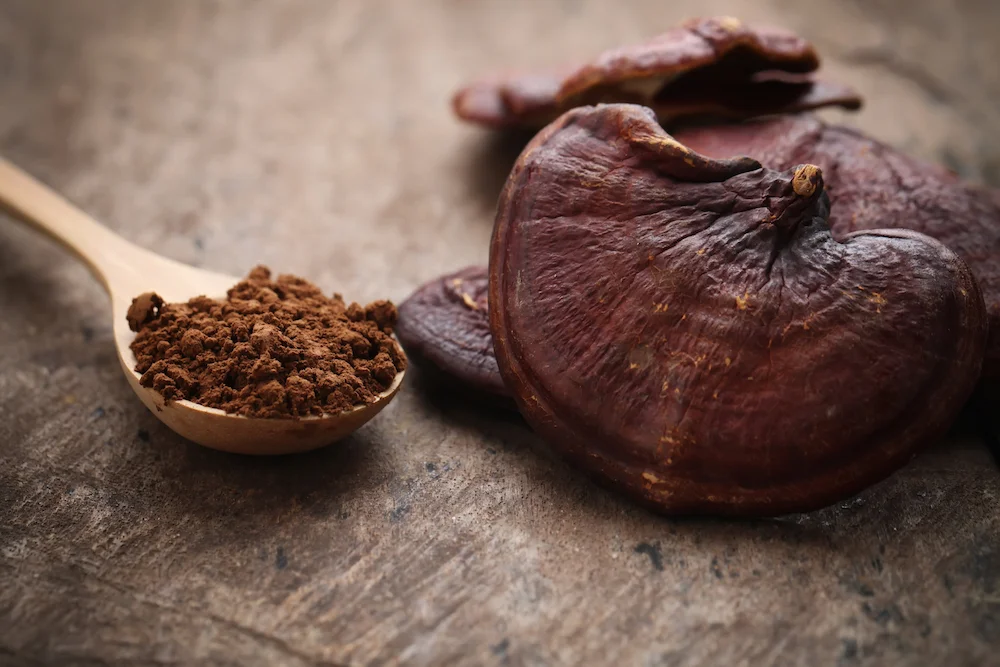
BONES + CONNECTIVE TISSUE: chaga + ginger + nettle
BRAIN + NERVOUS SYSTEM: lion's mane + turmeric root + rosemary
HEART: garlic + goji berries + hawthorn berries + hot pepper
GALLBLADDER: chaga + dried lemon peel + rose hips
LIVER: garlic + ginger + turmeric root + mustard seed; caraway + fennel; cardamom + clove + burdock
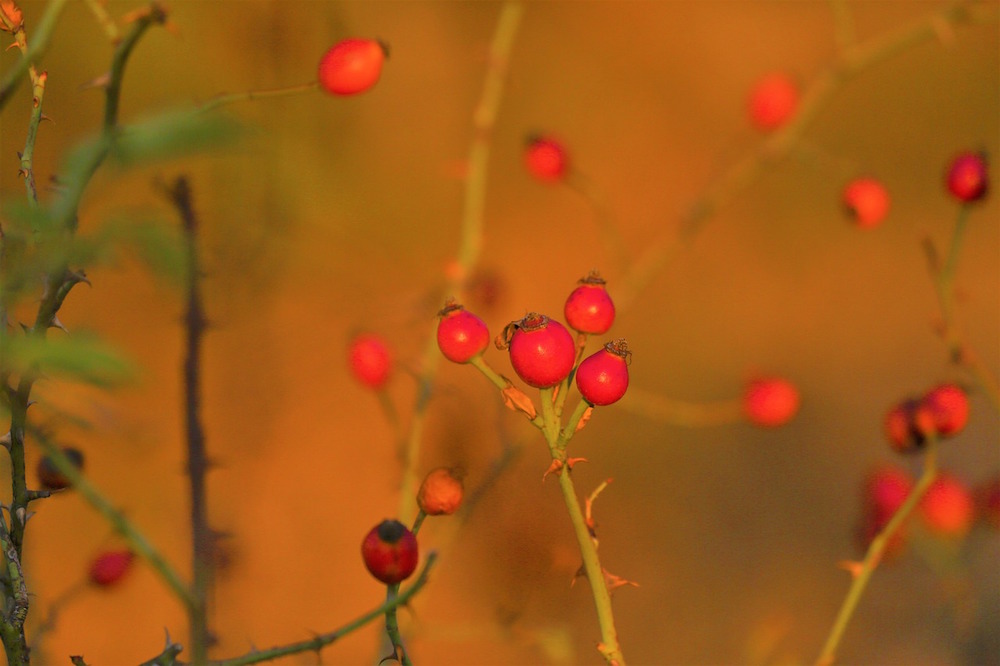
KIDNEYS: heather flower + dried cranberries + hibiscus
ADRENALS: rehammnia root + dried fig + fennel
THYROID: cordyceps + eleuthero root; chicory root + ginger
SKIN: shizandra berries + rose hips + fennel
IMMUNITY: astragalus root + elderberries
LYMPH: calendula petals + red clover + burdock root

BALANCE HORMONES: nigella or kalonji seeds + red clover
BALANCE BLOOD SUGARS: maitake mushrooms + true cinnamon + spruce tips
HEALTHY PREGNANCY: ginger + raspberry leaf + rooibos + rose hips
SLEEP: chamomile + nutmeg + dried cherries
Remember to Chase Flavour. What kind of brew will you make?

Phat Fats & a Giveaway
My dearies. I have an evening workshop on WHY FATS and WHAT FATS and PHAT FATS (I think that should be the new working title, no?). It's coming up next Tuesday evening the 22nd, so next week. I'd love to have you come to the event! (Full event details by clicking here) So...
I AM DOING A GIVEAWAY.
Because I want you to come.
SHARE this post (handy dandy 'share' button at the bottom of the blog post) and your name will go in a draw next Monday morning for a chance to attend this talk next Tuesday night. I'll be giving away TWO tickets for this event, so that you can bring a friend if you like! Because friends let friends eat the good fats.
Contest closes at noon on Monday March 21st, 2016. Share away! And then fire me word via the facebooks or email at lukasymons@gmail.com to let me know you did just in case. (And let's talk fats too, shall we?) xx

THE DEETS:
In this current era of instant-information and seemingly contradicting information on what foods are good for you, which ones we should omit, it can sometimes be overwhelming trying to 'do the right thing'. In this one-hour presentation, followed by a Q&A, Holistic Nutritionist and local foodie Luka Symons will be helping you navigate through the information on Why Fats are Good, which ones to choose, which ones to omit from your diet and recommendations on how to include the good guys in your every day meal plan.
From heart health to immune health to hormonal balance and the all-important brain health, including healthy fats is a quintessential component to supporting our bodies for the work they do every day. In traditional cultures, fat was an essential daily component of the diet, and with good reason. We will look at saturated, unsaturated, cholesterol and heat tolerance. We'll look at which fats to use where in your cooking as well. As a bonus, I will demo how to make your very own creme fraiche at home, a full fat lactose-free dairy delight, sure to tempt your palate.
Cost is $20 per person, and seating is limited. In order to reserve your spot, please contact Renewal Homeopathy and Wellness at 403.202.8507.
I look forward to seeing you there!
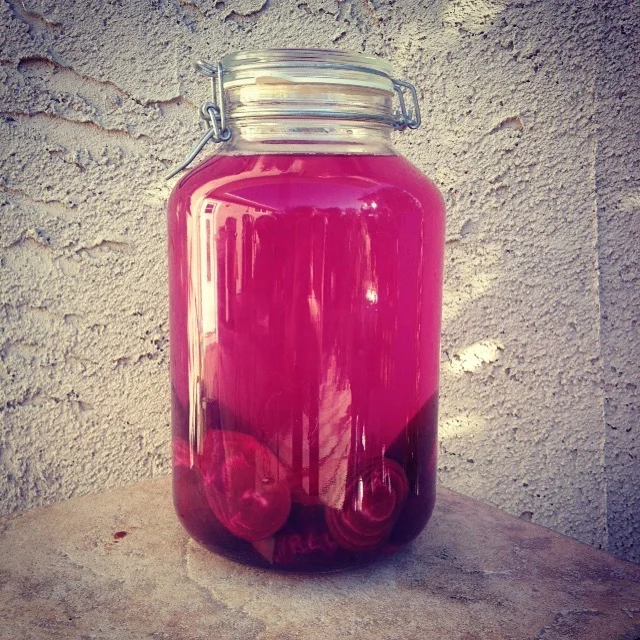
BEET KVASS
I recently had the pleasure of hanging out in Malcolm-from-The-Light-Cellar's kitchen as we cracked jokes about the bloodiness of beets with All Hallows Eve lurking in the near future, and talked of the purported legendary status of beet kvass in the world of aphrodisiacs. What is beet kvass, you ask? If you ask me, I will tell you its nutritional content and point out all of the benefits of consuming a fermented beverage for improved overall health. But if you put those sciency things aside, I will tell you that it is one of my favourite beverages, tasting of the salty earth, a drink I can have every day and never tire.
I recently had the pleasure of hanging out in Malcolm-from-The-Light-Cellar's kitchen as we cracked jokes about the bloodiness of beets with All Hallows Eve lurking around the corner, and talked of the purported legendary status of beet kvass in the world of aphrodisiacs. What is beet kvass, you ask? If you are asking me, I will rattle off the nutritional content and point out all of the benefits of consuming a fermented beverage for improved overall health. But if you put those sciency things aside, I will tell you that it is one of my favourite beverages, tasting of the salty earth, a drink I have every day and never tire.

Beet kvass is meant to be consumed as a tonic, so a little goes a long way. It's also ridiculously easy to make. I invite you to check out this video I am attaching here to the blog, to find out how easy it is to make your own batch at home! It is a part of The Light Cellar's series called Easy Upgrades. Take a gander, and let me know how your batch turns out (and what you put in it!):
Why I love it: it's quick and easy and really inexpensive to make. You don't need any special equipment. It's a liver-loving and kidney-supporting beverage that will help protect your sweet self from free radical damage, good for cleaning up and building blood, protein digestion, a purveyor of the mineral boron which is needed for building bones and our sex hormones (hence, the aphrodisiac reputation from ancient Roman times!), also pumps out the betacyanin which is shown to be a potent anti-carcinogen. It's good for someone who owns a liver, a kidney or two, a heart, a gallbladder, a stomach or intestines.
Oh, and beet kvass has been shown to help flush out uric acid, so talk about busting the gout! Now if you are one that is typically wary of oxalates, you are saying to yourself right now "Luka, this beet love you have going on is dangerously high in oxalates." From the DID YOU KNOW files: fermenting a veggie high in oxalates has been shown to drastically reduce the oxalates in question. BOOM.
Go make a batch. And let me know how you flavoured it.
BEET KVASS
The players (per litre of filtered water):
1-2 good sized beets
2-3 tsp sea salt
a knob of ginger, sliced
a knob of fresh turmeric, sliced
1 garlic cloves
1 L filtered water (or enough water to fill a 1L jug once the rest of the ingredients are in the jug)
My favourite flavour additions:
- you can take out the ginger, turmeric and garlic in the recipe above and add in the extras listed below, or keep them in the mix. Up to you! Highly recommend always adding in some seaweed.
- adding in some green onions and fresh rosemary sprigs in summer for Liver Lovin
- adding in dried hot peppers + handful of goji berries + 2tsp burdock root for Heart Health
- tossing in the inside of cabbage 'hearts' with 2 strips of astragalus for blood sugar balancing
- 2 tsp fennel seeds + 2 tsp fenugreek seeds + 1 tbsp rosehips for extra Gut loving
- adding in a slice or three of reishi medicinal mushrooms + few strands of kelp + 1 tbsp nettle for added Adrenal support
- want to go Old World? Toss in a few bay leaves + 1 tbsp caraway seeds.
- Love dill pickles? Toss in your garlic and add in big handful of fresh dill and some peppercorns.
- Play with the flavours and what you have in your pantry. And comment below with combos that really hit it out of the park!
NUTRIENT DENSE COOKING ... and a GIVEAWAY!
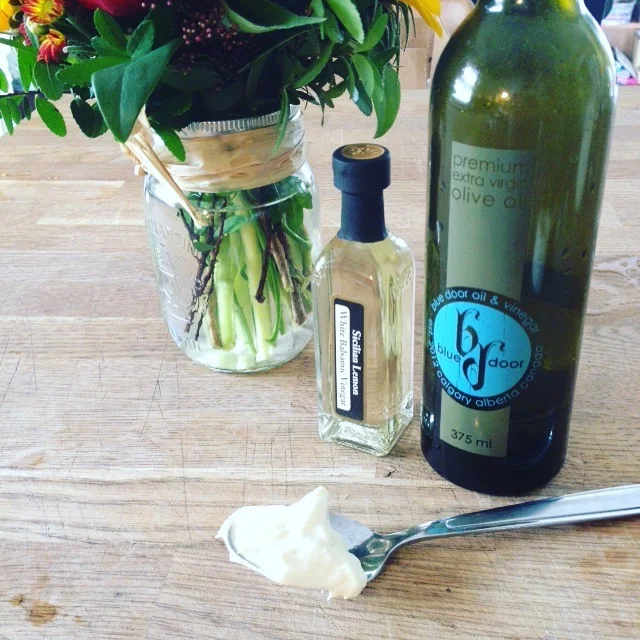
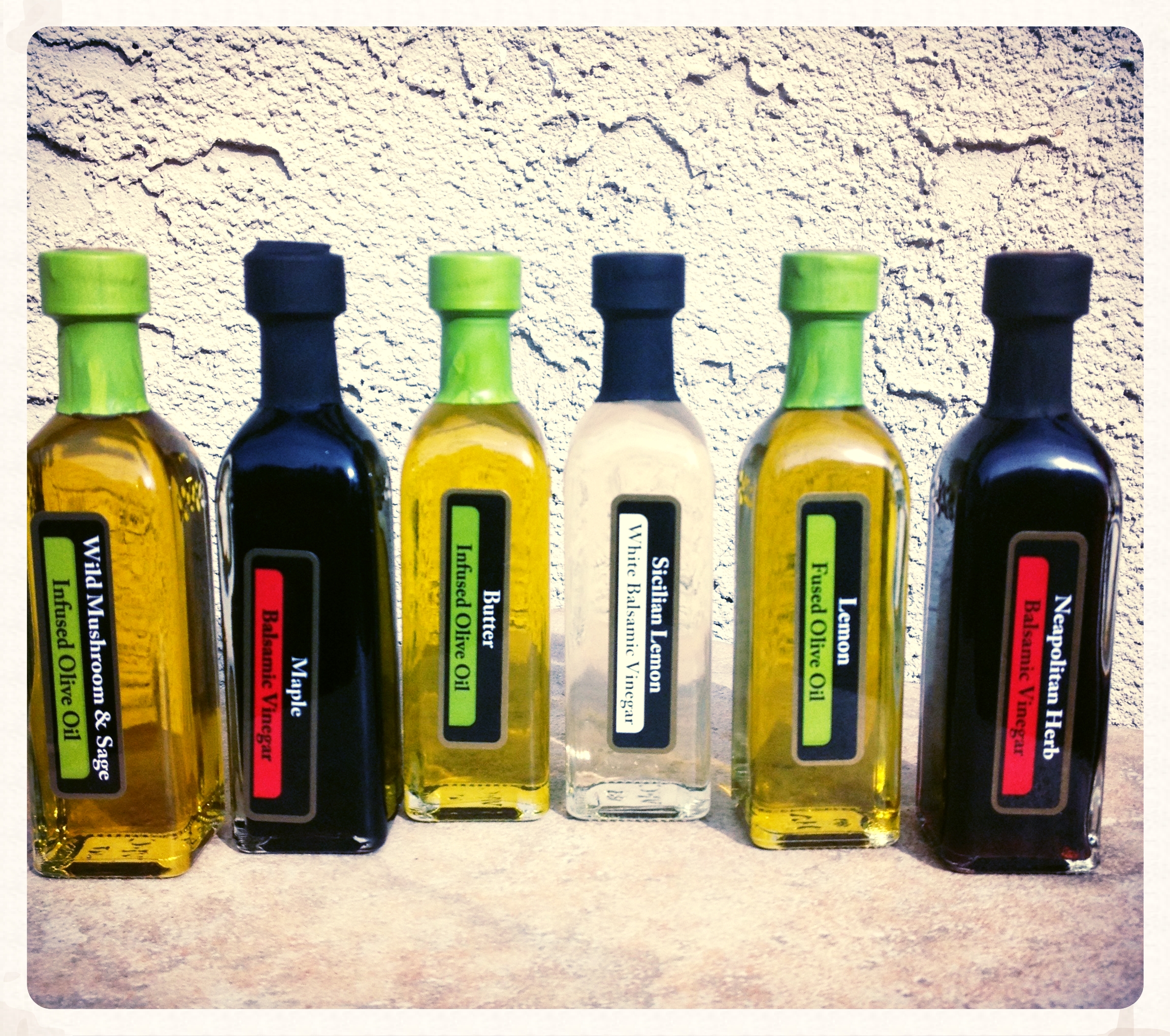
For today's blog post, I want to highlight a fantastic local-to-Calgary supplier of quality olive oils and vinegars. If you haven't heard of Blue Door Oil & Vinegar yet, you are in for a treat. Their slogan hits the nail on the head: Your New Secret Ingredient. Their olive oil is top shelf, excellent and fresh quality. Part of their work is to educate consumers on the health benefits of olive oil, and the questions you need to ask in order to find out if the olive oil you are purchasing is of fresh and good quality. (Tom Mueller, a columnist with the New Yorker exposed the fraud that some olive oils are not what they appear to be back in 2011.) I assure you that the olive oil you purchase from The Blue Door are indeed true and pure, fresh and absolutely packed with micronutrients (antioxidants!) and macronutrients (healthy anti-inflammatory fats!). We're talking nutrient dense foods here folks, to fuel your very best selves!
Nutrient-dense homemade dressing for all occasions
I feel like I spent a long time searching high and low for answers to my food and health questions, in my observations and queries that have come out of my own health and eating struggles and that of those around me. It isn't until hearing about the Weston A. Price Foundation a few years ago and their approach to whole foods with a traditional bent, when my daughter was in preschool that some of the information about food I was hearing from the outside world was starting to jive with what I had going on in my own body through observations and long pondering, not to mention that felt like it resonated with what I had heard from my own parents and my Grand-Maman Lena too. It was like a beacon of light that shone the way in the right direction, at least for me.
Fast-forward a few years, and I am now knee-deep in the study and observation of where food and health intersect and do this diligent research in the hopes of finding answers to these questions I continue to have. As a Holistic Nutritionist and food (and foodie!) lover, why is one thing good for one person, but not necessarily a good idea for their neighbour? Why would someone who has been eating well for the last two decades appear to still have such health troubles? In the spirit of keeping it brief, I will save you from my long list of questions.
In my travels brought on by all of my queries, there are some bits that fit and others that don't. For me. And different ones for different people, clients, friends and family members. The one truth that really resonates with me in the middle of all this, is that EVERYONE CAN BE BETTER SERVED BY EATING NUTRIENT-DENSE FOODS and by slowly changing their food rules away from consuming food-like substances to stocking their fridge and pantry with food that your grandmother would recognize. One item at a time. I like Michael Pollan's take on this: Eat Food. Not too much. Mostly plants. Oh and yes, one of those rules he speaks of in the fabulous book Food Rules is to not eat anything your great-great grandmother wouldn't recognize as food. Solid advice. This information is behind one of my favourite tags, #JERF. Just Eat Real Food. No gimmicks. No counting. Just eating. And real fooding.
What does it mean to eat Nutrient Dense Food? Choose those foods that are packed with micro- and macro-nutrients (meaning vitamins and minerals, plus carbs or fats or proteins) that would be deemed from good sources. Sometimes it's hard to figure out if a food comes from a good source. As your nutritionist, I can certainly help you navigate these waters, figuring out what your personalized Foods and Key Ingredients may be, and where to source these ingredients and foodstuffs like locally pastured beef or sprouted grains, or figuring whether or not to buy organic or conventional.
Olive oil and balsamic vinegar samples from Blue Door
For today's blog post, I want to highlight a fantastic local-to-Calgary supplier of quality olive oils and vinegars. If you haven't heard of Blue Door Oil & Vinegar yet, you are in for a treat. Their slogan hits the nail on the head: Your New Secret Ingredient. Their olive oil is top shelf, excellent and fresh quality. Part of their work is to educate consumers on the health benefits of olive oil, and the questions you need to ask in order to find out if the olive oil you are purchasing is of fresh and good quality. (Tom Mueller, a columnist with the New Yorker exposed the fraud that some olive oils are not what they appear to be back in 2011.) I assure you that the olive oil you purchase from The Blue Door are indeed true and pure, fresh and absolutely packed with micronutrients (antioxidants!) and macronutrients (healthy anti-inflammatory fats!). We're talking nutrient dense foods here folks, to fuel your very best selves!
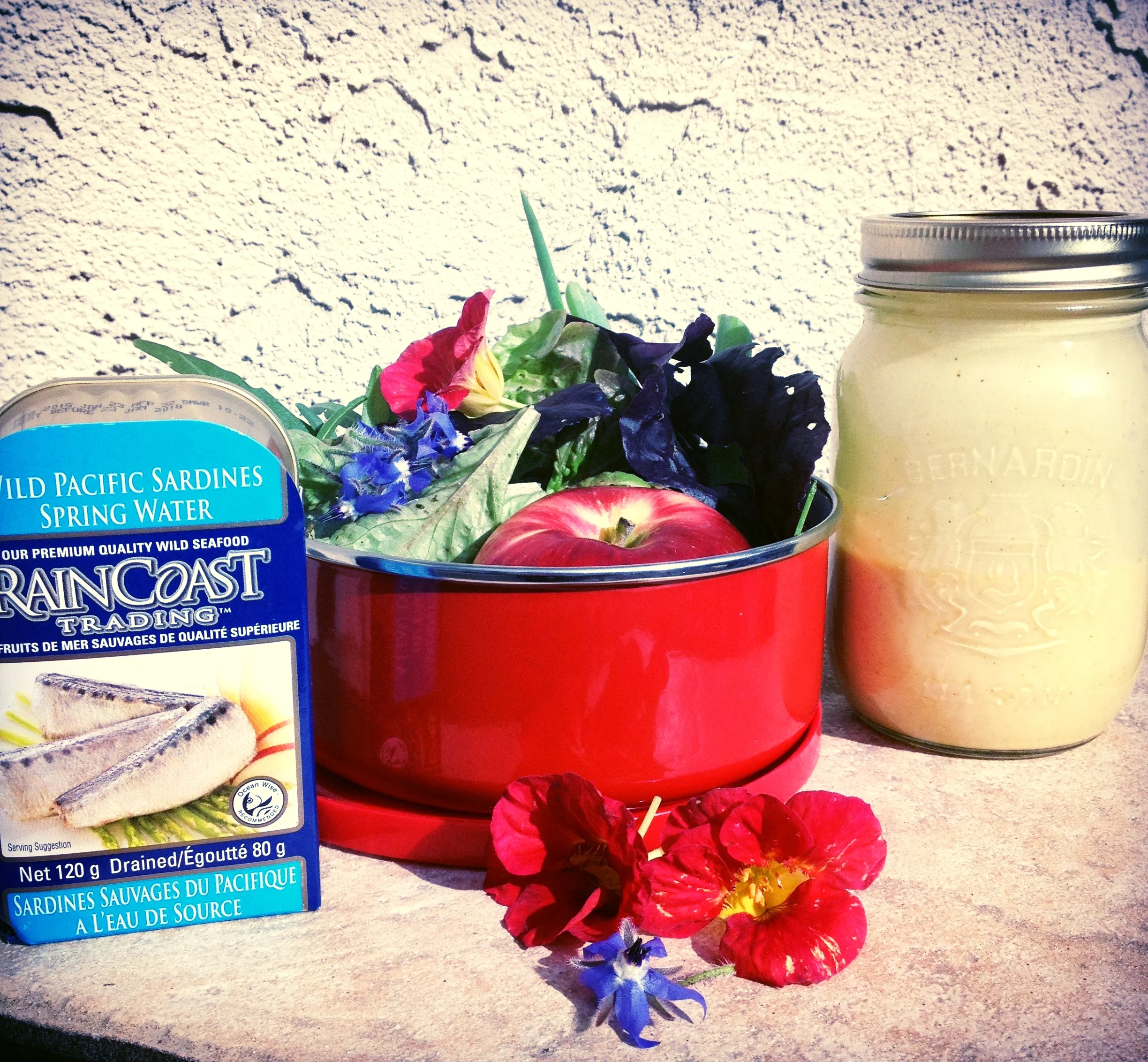
Nutrient dense lunch fixings
I am so pleased to be a part of Blue Door Oil & Vinegar's Brand Ambassador Program. They are a family-owned local business that has at their heart providing YOU with the ingredients you need for nutritious and delicious home-made food. They sent me some tasty samples to try out and come up with some recipes. They have very graciously also offered a giveaway to lucky readers of good food + you! Read to the end of the post for the how-to on how to get your name in the hat for the giveaway.
Today's recipe is for a nutrient-dense salad dressing that serves as a great base for all kinds of salads. I whipped a batch of this Easy Homemade Mayo and added some curry powder, chopped celery and apples and served it on a bed of the greens that were still left in my garden as of last week, along with a few flower stragglers that hadn't yet succumbed to the frost. (That'd be borage and nasturtiums. Eat beauty! Eat flowers!) I added a tin of smashed sardines (the original tuna salad!) to increase the anti-inflammatory fats and offer a solid protein. I like to use sardines instead of tuna as they are lower on the food chain, and as a result have a lower level of heavy metal toxins. Plus, the brand I use is packed in tins that do not contain BPA. Hooray for nixing the endocrine disruptors!
This is NUTRIENT DENSITY.
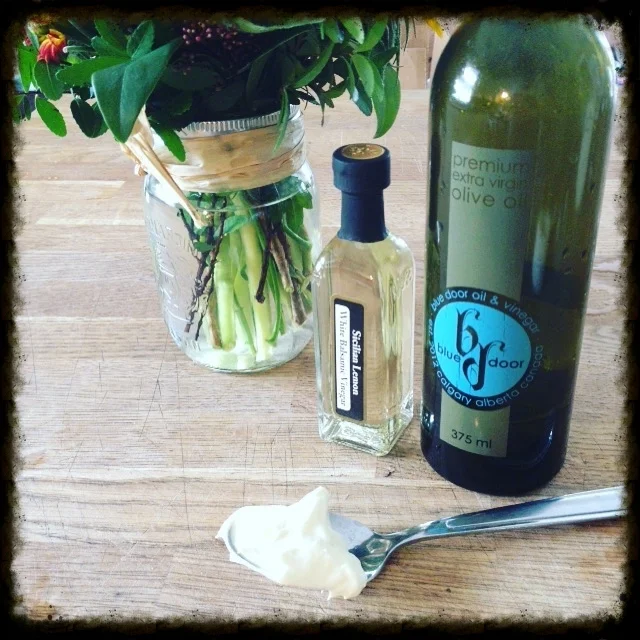
EASY HOMEMADE NUTRIENT DENSE DRESSING
Based on a recipe found in Sally Fallon's book "Nourishing Traditions", the bible of all things WAPF
1 cup creme fraiche (recipe here)
2 egg yolks (from pastured eggs only! not conventionally raised chickens, to eliminate possible contamination from E.coli)
1/4 cup good quality olive oil (I chose the EVOO from Blue Door)
1/4 cup Sicilian Lemon White Balsamic Vinegar
1/2 tbsp honey
1 tbsp dijon mustard
1/2 teaspoon of good quality sea salt
1/4 teaspoon of pepper
THE HOW-TO: Put all ingredients in a glass jar. Shake the jar until all is well combined. Tuck in the fridge until ready to eat. Will last in the fridge for 3-5 days.
VARIATIONS: swap out the Sicilian Lemon White Balsamic for another vinegar to change the flavour; same goes for the olive oil, you may want to choose a flavoured one here in order to make your guests ask you 'what IS that flavour?'; or try adding 2 teaspoons of curry powder and mash it in with a can of sardines as I did for a nutrient-dense lunch option; or chop fresh herbs like parsley and chives to make a yummy dip for veggies or crackers.
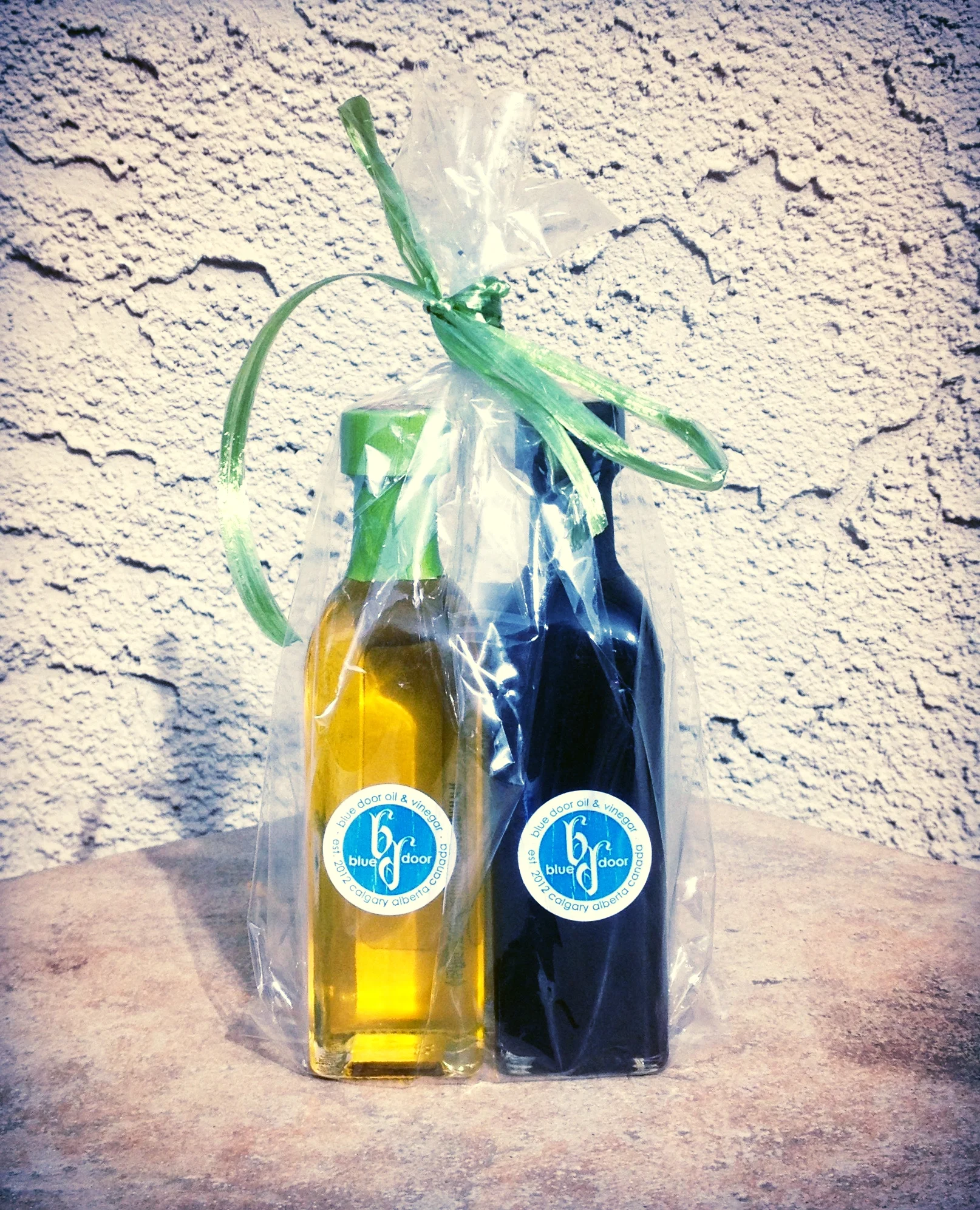
Giveaway to one lucky reader!
In their sample box they sent along for me to go play with my food, there was this packaged duo just waiting for a new home. Which means only one thing...
It's GIVEAWAY time!
Here's how to get your name in the hat: 'like' this post, and leave a comment on what you would do with this oil and vinegar combo if you were to win it. You can also leave word with a simple change you have implemented in your food regime lately that would qualify as increasing the nutrient density of your meals. Contest closes Friday November 6th at midnight, so get your entry in by commenting below before the bell tolls midnight.
Contest is open to everyone. Now go play with your food! (And thanks to Bruce and Courtney at Blue Door for providing us with good quality foods and flavours to play with!)
MY FAVOURITE FERMENT
I've had fermenting on the brain for the better part of the last three years, discovering the health benefits, enjoying the variety of flavours and appreciating the complexity of time married with salt and vegetables, or playing with those flavours and dreaming up new taste combinations for my adventuresome palate. Through my travels and explorations, it has become clear to me that there is one ferment that really stands out above most for me, for many different reasons. Let me explain.
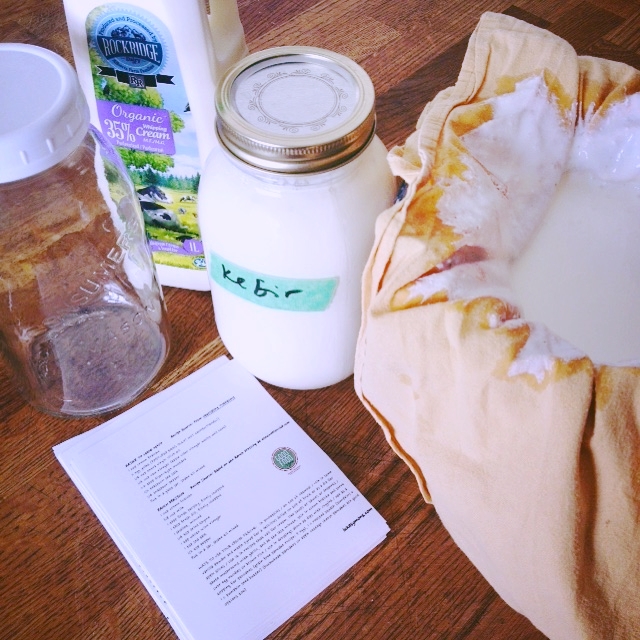
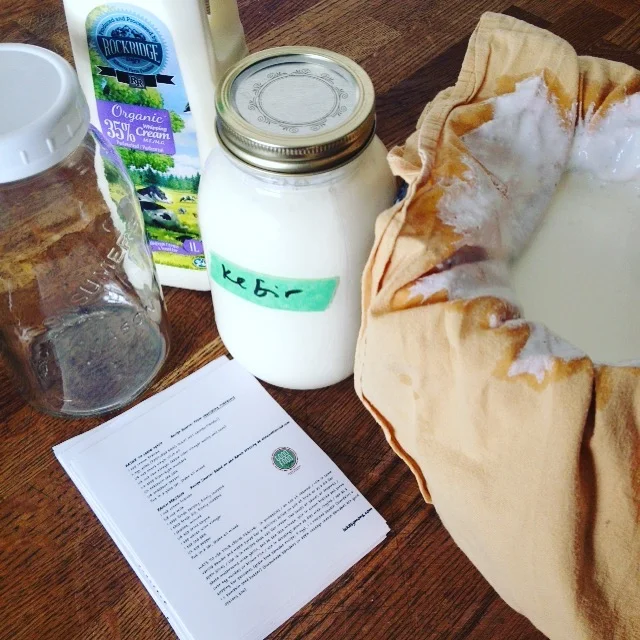
Making Crème Fraîche. And straining milk kefir made with 3.5% non homogenized milk, soon to become kefir cheese.
I've had fermenting on the brain for the better part of the last three years, discovering the health benefits, enjoying the variety of flavours and appreciating the complexity of time married with salt and vegetables, or playing with those flavours and dreaming up new taste combinations for my adventuresome palate. Through my travels and explorations, it has become clear to me that there is one ferment that really stands out above most for me, for many different reasons. Let me explain.
Let's talk delicious and nutritionally dense Crème Fraîche. You take whipping cream and inoculate it with the good kefir bugs for a minimum of 24 hours, and it becomes one of those 'better than the sum of its parts' kinda deal. The end result of this ferment (because that is precisely what is going on here, the fermentation of this good full fat cream) not only breaks down all lactose found in the cream with that 24+ hour window, your probiotic count goes through the roof in this time. Depending on how you prepare your crème fraîche, your probiotic count can certainly be comparable if not supersede the number of colony forming units (CFUs) OR NUMBER OF GOOD BUGS found in a supplement. It's ridiculously easy, requires no heating, no special equipment save from a glass jar and maybe some tape and a pen. It's economical, to boot. By fermenting the whipping cream, you are increasing the nutritive value of the food as well, as during the fermentation process, those good bugs are freeing up more vitamins and minerals and making them easier to absorb and digest for you. They're also creating beneficial acids that can play a role in balancing out the pH in your gut to bring it back closer to what Ma Nature intended it to be, all the while equipping you to better handle and battle unsuspecting E. coli outbreaks, thereby playing a role in protecting you against possible food poisoning.. And those probiotics? Well heck, some can take heavy metals out of circulation so you don't absorb them. And get this, milk kefir is a more potent probiotic food than yogurt is, by a long shot. It is also a very valuable place to get your vitamin K2 in order to ensure good bone health and mental health too, a heart healthy vitamin and a good cancer fighter to boot.
Did I mention it's ridiculously easy? And versatile? And delicious? And economical? Because that's what counts at the end of the day for me. (Bonus if it's good for me too.)
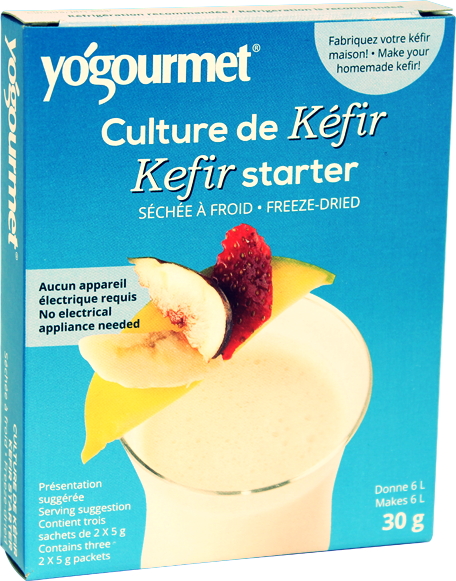
Where to find the particulars: I buy the package of kefir starter at my local favourite health food store, in the refrigerator exactly where the yogurt and kefir is usually kept. You will be looking for a box resembling the picture just above. Make sure it says KEFIR on it, not yogourt.
THE HOW-TO:
1 litre of 35% whipping cream (preferably organic)
1 packet of Kefir Starter (info here) (there are 6 envelopes per package of culture starter, use only one)
a one litre sized glass jar
Put all contents in a jar. Shake vigorously. Leave on the counter for at least 24 hours, at which time that cream will eventually turn into a more sour-cream-like consistency. Make sure to shake it up a few times during that 24 hour period to ensure good distribution of the bugs. Tuck it in the fridge. You're done.
Did you get that it was easy?
Why I like it: it's a fabulous source of good saturated fats if you're able to tolerate dairy that can play a big role in helping in support strong bones, cardiovascular health, liver protecting, good brain and nervous support and excellent immune support; when paired with something sweet like raspberries or pears or peaches, it slows down the hit of sugar to your system to make it a more even release into your blood stream, contributing to keeping your hormones in balance and going easy on your adrenals and supporting a more balanced mood. It's so easy to whip up for a lunch or an on-the-go-snack to tide you over until dinnertime. When you make it with this kefir starter, in your 100 g serving you will be ingesting 100 billion live and active bacteria.
If your mind isn't sufficiently blown yet, know this: the taste will send you over the edge. Eat it straight up, or mix it in with salsa or some pesto for a yummy dip. Add a dollop of maple syrup, splash of vanilla and a handful of frozen raspberries for that lunchtime nourishing dessert treat. Make a batch with more maple syrup and raspberries and churn it in your ice cream maker for a most wonderful and delicious treat. Add matcha green tea powder for that extra kick of antioxidants and decadence. Use it as a base for a creamy salad dressing, just add lemon juice and a touch of honey. Use it wherever a recipe indicates using thick cream or sour cream: finish off a butter chicken sauce with the stuff, making sure to add the fermented cream AFTER heating of the sauce in order to retain more of the good bugs.
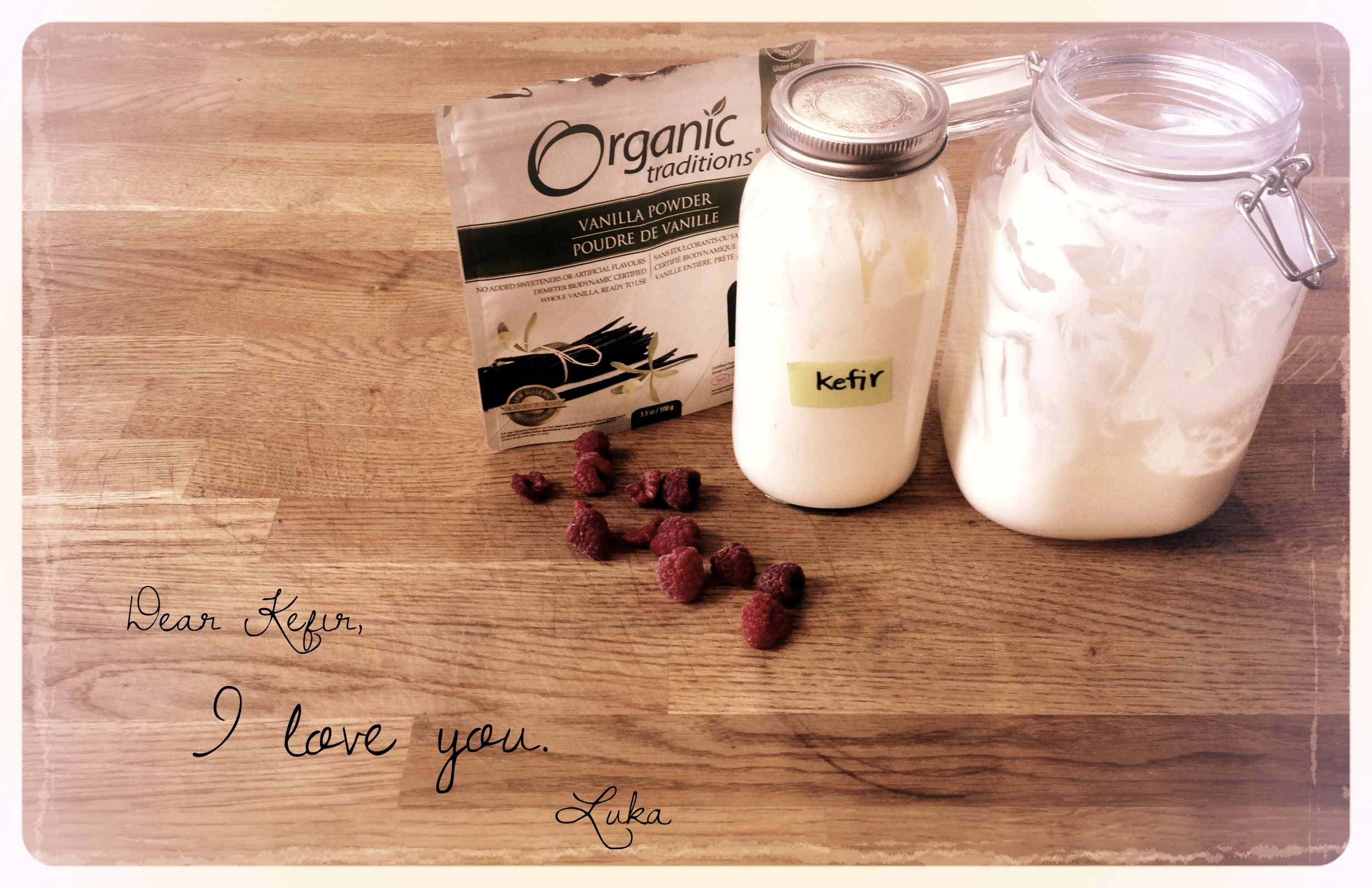
My love letter.
Whatever you do, may I recommend you do it soon. Once you try this stuff, there is no going back.
*To be clear, this is but one way to make Crème Fraîche. At home, I use milk kefir grains that are higher in probiotic count and diversity than those found in these culture starters (and doing it this way means no skim milk powder!), but they require a bit more hand holding and caring. This starter is a good place to get acquainted with the magic of Crème Fraîche. Let me know how you make out, and what kinds of flavour combos get you going. (Imagine this made into ice cream, and combined with a homemade probiotic soda to have homemade superprobiotic floats! The world will never be the same!)
**Curious as to why powdered skim milk or whey powder isn't the best thing for you? Read on. (And yes, this kefir powder has skim milk powder in it. In the interest of information.)
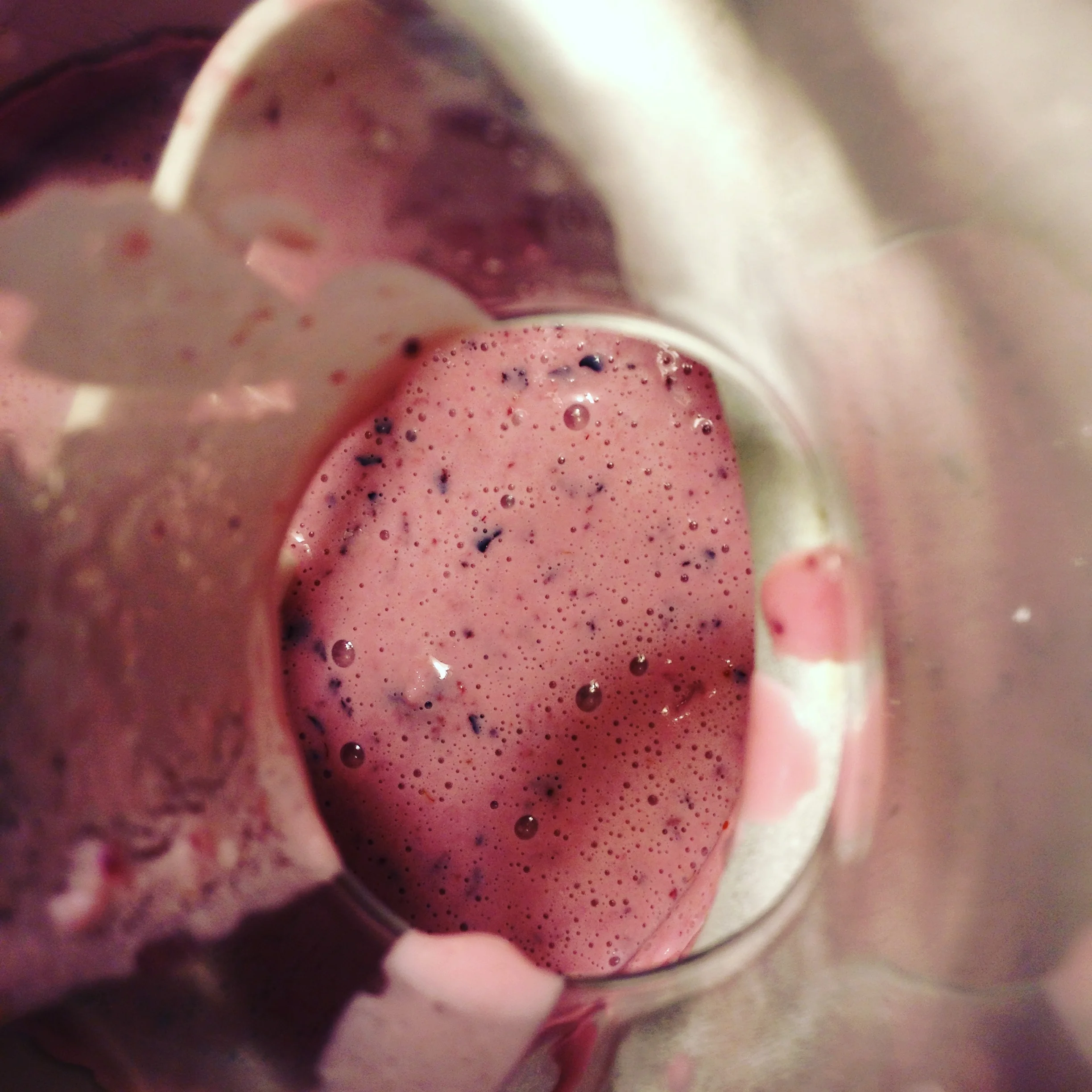
Kefir cultured 35% whipping cream with raspberries, blueberries, maple syrup. Churning into delicious ice cream.