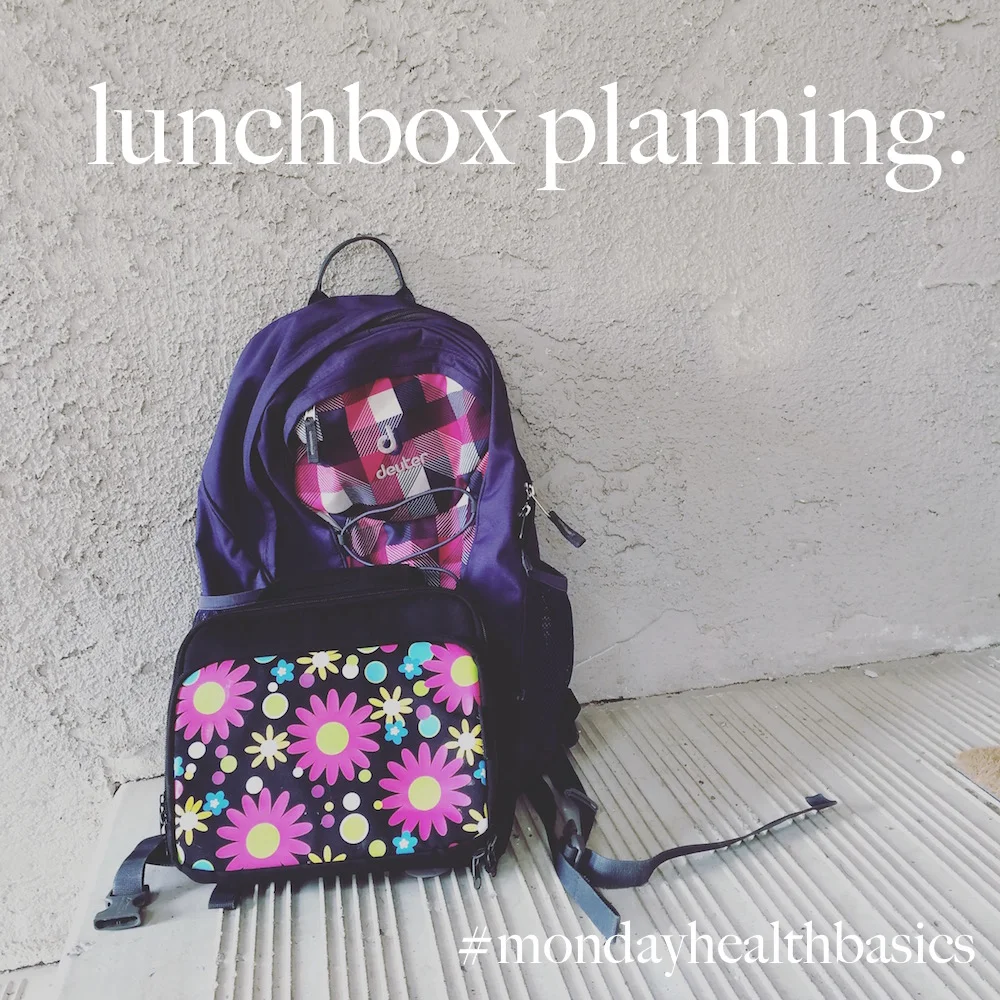
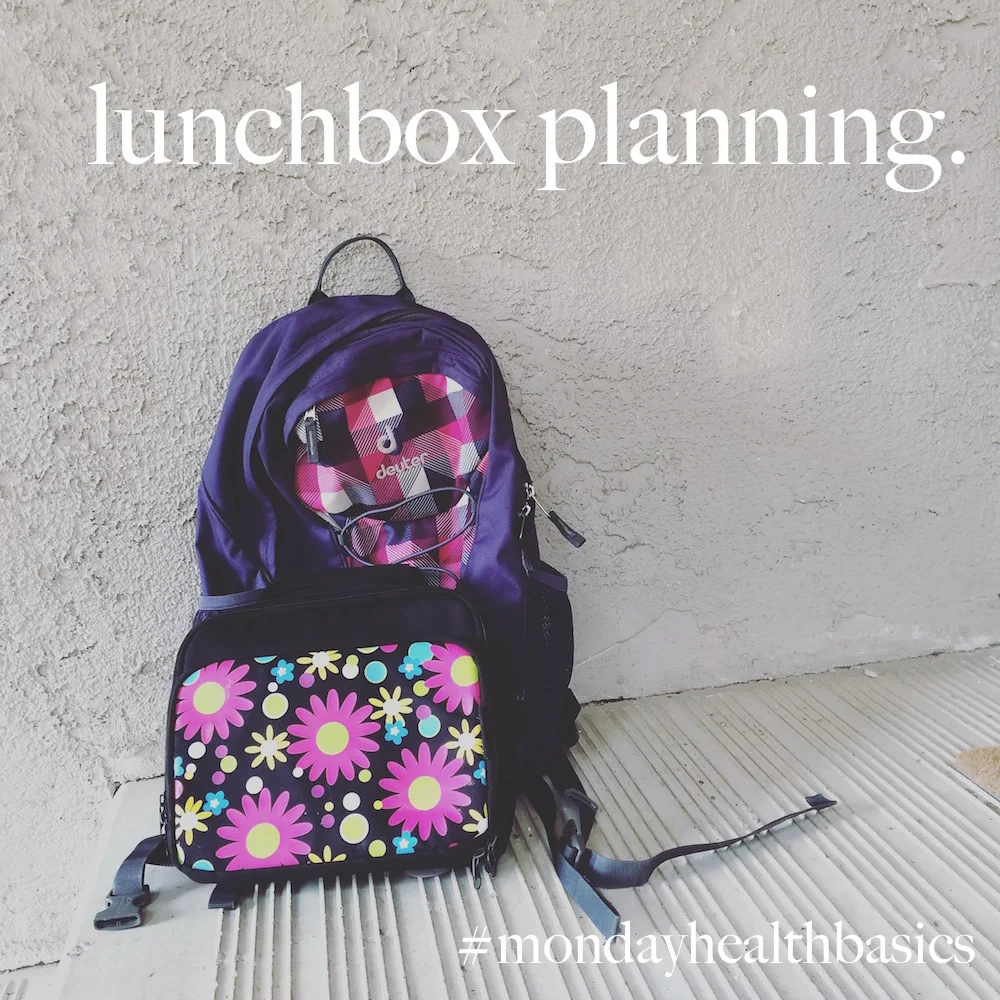
THURSDAY BASICS: lunchbox planning.
This blog post is one that is the most popular with my one on one clients. Read up for a full list of new ideas and easy hacks to keep lunch kit building a delicious breeze!
Click on the image for a full exploration on this topic, and food jumping off points.
#tbt day here at #goodfoodHQ, as we look back on the #mondaybasics series of 2016.
This post is the one that I share most often with my one on one clients. It zeroes in on how to make lunchtime count, with ideas on how to pair things up to make a nourishing meal time. For littles AND bigs.
LUNCHBOX PLANNING! 🍎🥑🥕🧀🥚🥓🍕🍜🍱🥡
COLES NOTES:
1️⃣Use this as a jumping off point on how to build a lunch. Tips + sanity hacks included.
2️⃣Routine is key. Thinking ahead, too. Make extras!
3️⃣Full comprehensive list of new ideas to help inspire and shake up lunch time.
It's a blog post that originally came up just before the start of a new school year. Isn't lunch making relevant just about every day of the year? Dig in.
The cooler nights are here. The tomatoes are ripening on the double. You've pulled out your first pair of socks in two months. You've stood in amazement at how much your little one has grown in the past two months in the sun. It can only mean one thing: it's time to think of lunch boxes.
Obviously it means more than one thing. But today's blog post is about developing a method to the lunchtime madness, be it for your littles who are away at school or daycare, or be it for the bigs in your life (including you!) who are keen to amp up the good food and make lunch a tasty and nourishing thing. We'll round it all out with a good list of quick ideas for lunches, and point you to a few good spots online for tote-friendly recipe roundups.
If this meal is for a little
Keep it simple.
Repetition is a-ok. In fact, some children really thrive on predictability and the security of knowing what their lunchbox contains. If your child is one who likes surprises, still stick to the same lunches but add one small compartment with a surprise in it that is different every day.
Involve your children in the preparation!
They are never too young to participate in food choice and prep. I think it is a big part of parenting and guiding them in this world, so get them in the kitchen. Take them grocery shopping, and give them the choice of veggies and fruit they would like to try in the coming week's meals. If they pick a packaged item from the shelf, read through the list of ingredients with them and help them decide if this is something with which they want to fuel their bodies.
Have them help with a batch cook prep session on Sundays say, where they chop those veggies and fruit they're going to eat this week. They can cut them in to pieces and in to containers in the fridge. This will make meal assembly a breeze in the coming days.
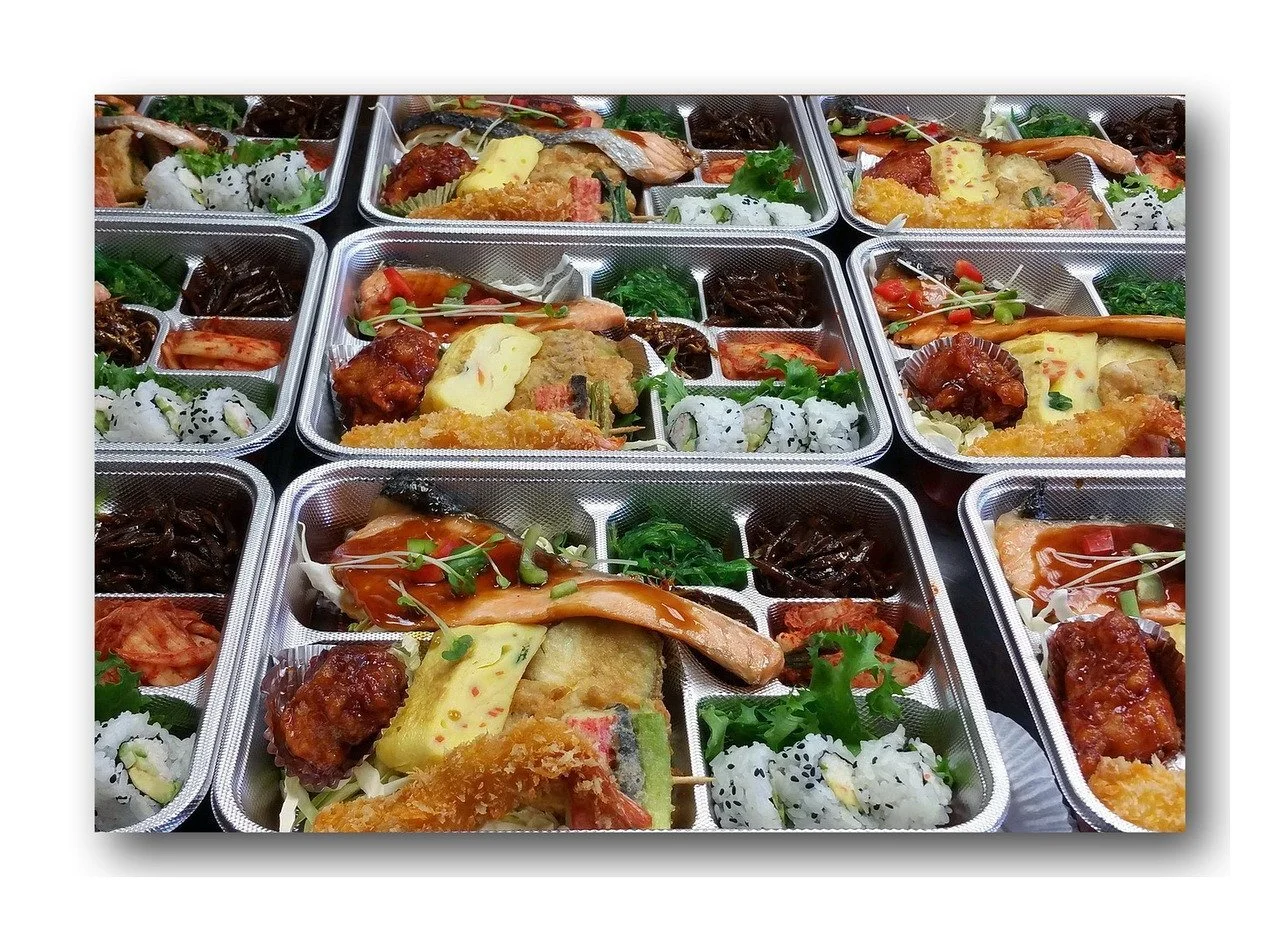
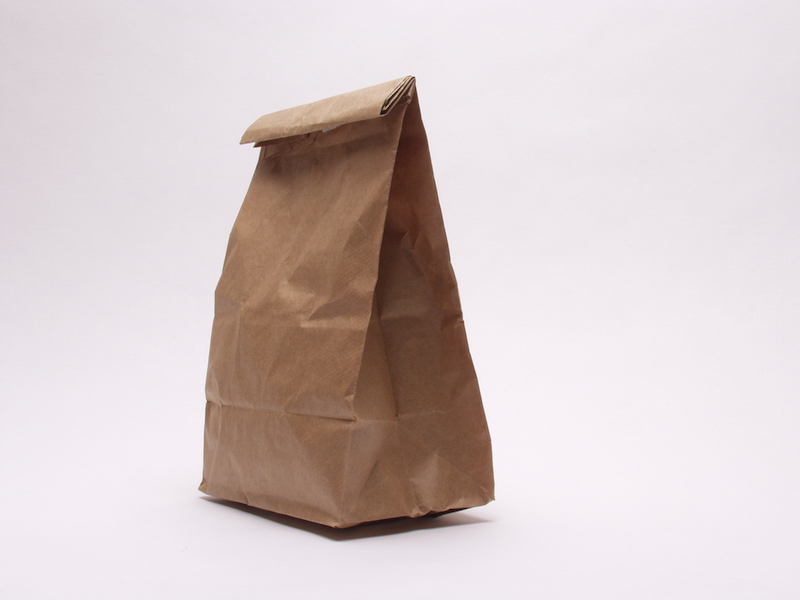
Who wouldn’t love to open their lunch kit to something like this? This is Level 400 lunch box prowess.
For my daughter, as she is now preparing her own lunch, we sat down together to drum up a list of what type of meals she can pack for herself on what days. She has always loved the security of a routine, and so loves to have the same meal every Monday (tuna salad), and every Tuesday she counts on a mini pizza, and Wednesdays are for thermos meals, and so on and so forth. It takes the guesswork out of what to make, almost like the plan has been pre-decided and all she has to do is follow the plan. Which is easy, and certainly do-able for her.
The building blocks of a good lunch
We went over the concept of what types of things to include in her lunches, always ensuring there is a good protein and a good fat, along with a vegetable and/or fruit or two every day. Not only does she enjoy making her lunches (I know, the school year hasn't yet started... (I promise she did this last year and was a champ)) she actually eats more of it too, meaning she has the fuel she needs to get through the day of school work and play. And I am throwing less soggy, spent good food in the garbage at the end of the day.
Jumping off points for lunch box planning
Think of themes for those days as a jump off point perhaps. Mondays = tacos; Tuesdays = soups; Wednesdays = eggs; Thursdays = salad; Fridays = pizza. This list can come from a 10 minute brainstorm session where everyone pitches in. What are your family's favourites?
We have a hand-drawn calendar on our corkboard in the kitchen that my kiddo refers to when preparing her lunch the night before. They can design it themselves; or you may want to use a pre-made one. I found a few bright and colourful what they call free 'printables' online, you may want to check them out.

Practical tips + hacks to ensure good lunch boxes for all
Whether you are preparing a kid-friendly lunch or a meal at your desk or in the work lunchroom (think of the $$ you will save from not going out! and how much more nourishing the food will be!), there are a few good tips that apply to both.
Freezing smaller portions of things like roast chicken, extra pulled pork meat, or other things of the like can be done in easy portions by first doling them out in to silicone muffin trays or ice cube trays. Once they've had a few days to firm up in the freezer, pop them in to a freezer bag to keep them fresher and to keep them from drying out. They'll make for easy peasy meal prep in no time flat! Look for a list of ideas using this method below.
One of my favourites is to freeze pesto into cubes. Adding one to last night's dinner makes it a whole new meal for lunch today! Add one to some frozen stock, throw in the leftover side veggies from supper and add some roast chicken and lunch is served.
Invest in good canning jars
Interested in bringing something liquid to lunch? Salad dressing? Apple sauce? Yogurt + fruit? I highly recommend picking up a flat of 1/2 cup sized glass 'mason-style' jars from Canadian Tire or your favourite grocery store.
They seal up like a dream, preventing those sloppy messes from taking over the backpack or briefcase. Bonus, they're fairly easy for littles to open at school.
I hand these half cup jars out at some of my classes; they're the perfect size to make enough salad dressing for a few days so that you only need bring it to work on Mondays. It can stay in the fridge at work for the rest of the week, one less step to think about when preparing your meals for the rest of the week. (Remember this post on making your own salad dressings? Worth a recap to understand WHY you'd want to make your own.)

olives + cheese are great additions to lunch boxes - hooray for fats!
Think of ingredient quality + ways to keep it interesting
Sandwich or wrap popular ideas chez vous? Might I recommend you go for a sprouted grain product instead of straight up white or brown bread (whether gluten-free or gluten-full). It's the same idea behind this story here about the fox; choosing a sprouted grain product will be immensely easier to digest, and kinder to your system.
Think of swapping things out: use lettuce leaves for 'boats' instead of corn tortillas for build-your-own-taco lunch. Use nori leaves to wrap the tuna salad for lunch (although I'd recommend they are assembled only at eating time, otherwise they go soggy).
Instead of the wrap, keep the inside components but make it a salad instead. Have them with sprouted grain chips or sprouted crackers instead. Use your liver pate or smoked salmon + cream cheese + chives spread as a dip for veggies!
Another way to have an easier time with grains is to reach for a true sourdough bread instead of a regular loaf. Sourdough is a naturally fermented process which breaks down those nefarious anti-nutrients in grains, inherently making the job of digestion easier. How to know it's a true sourdough? Make sure there is no yeast on the list of ingredients.
Double up and make extra
Next time you're making a pot of soup, or a stew in the slow cooker, consider making a bit extra. If you're roasting a chicken, it's worth throwing in a second one just for the meat you'll have at the ready for easy lunch planning. The extras can easily be frozen in containers or bags into the freezer in single-serving sizes.
Taking them out the night before works well, or bringing them to work frozen first thing in the morning prevents them from leaking on the way to work. See? There's a plus to every side, my friend.
A note on thermoses: it's best to preheat the container with some boiling water for 10 minutes, as you are heating up the meal that will be going in. Just make sure to dump the hot water before you put your food in. I've been caught a few times with my eyes half open...
I have a wee list of things below, based on whether they're plant powered or animal powered. You'll find a list of thermos-friendly ideas, and freezing-friendly things too. Please add your ideas in the comments below! It takes a village, friend.
Throw some of these ideas together for a nourishing meal in a flash.
Plant-powered small bites
nuts + seeds
olives
avocado
sweet potato chunks
carrot 'coins'
vegenaise + pesto = dip
kale chips
seaweed crackers
popcorn + coconut oil/butter + hot sauce + parmesan (opt)
salad of vegs + salad dressing in a small glass jar
fruit
berries
smoothies (make sure there's a good fat – coconut oil, full fat yogurt, nut butter, cocoa butter)
nut butters on fruit
celery sticks with nut butter and goji berries (fire ants on a log!)
shredded coconut
homemade trail mix (seed + nut + dried fruit + cocoa nibs)
use sprouted grain bread or true sourdough for sandwiches and wraps
use nori leaves for wraps
make nori rolls with tahini, cukes, avocado, sprouts and cut into sushi like pieces
things-on-a-stick (fruit salad this way! Or veggies + cheese!)
easy homemade mini pizzas (naan bread + sauce + toppings)
guacamole + sprouted crackers or chips
pickles (fermented dilly sticks are a great first ferment, and tasty bites)
hummus or babaghanoush with veggies
sprouted corn chips with salsa
apple sauce
fruit crisp
Animal-powered bites
yogurt or creme fraiche + maple syrup + berries
yogurt + granola + berries
cheese
veggies + ranch dip
mayo + pesto = dip
sardines + mayo + celery + curry powder
hardboiled eggs
egg salad
deviled eggs
protein pancakes
pepperoni sticks (with clean ingredients)
farmer's sausage (with clean ingredients)
jerky
pâté or liverwurst
smoked salmon
shrimp
bacon strips
tuna salad (or salmon, or sardines); fish + celery + smashed avocado + curry powder
roast an extra chicken and shred that meat in muffin cups, store in freezer bag for easy portion retrieval
send lettuce or corn tortillas for your person to make their own tacos (+salsa +cheese +sour cream)
Meat salad in a wrap: chicken, apple, creme fraiche, celery, pickle relish
sushi salad (smoked salmon + leftover rice + nori leaves + sesame seeds + chives + avocado)
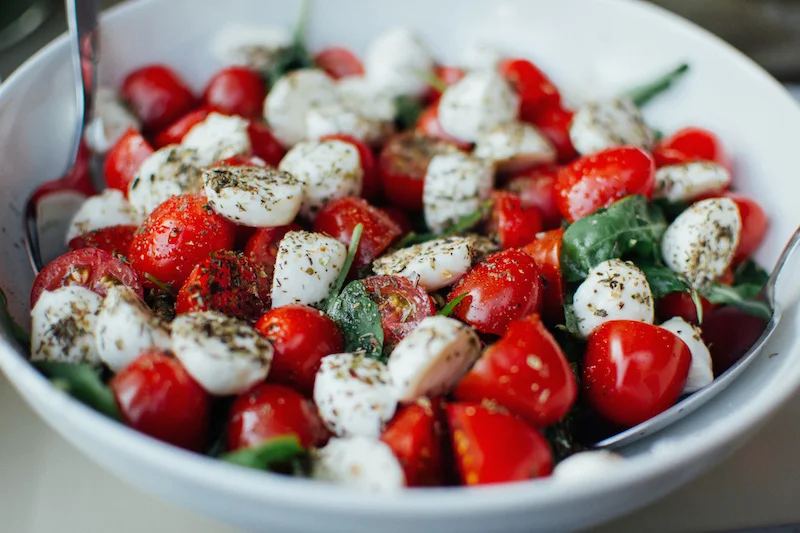
salad of cherry tomatoes + peppers + cucumbers + bocconcini cheese + basil + balsamic
tzatziki + cukes + snap peas
celery stick + cream cheese
1 tbsp butter + 1 tsp honey = frosting, along with an apple or pear to dip
yogurt + chia jam

Good meals to cook extra for the thermos
cook extra sausages at dinner
meat stock + seaweed + chives
chili
make a big batch of soup or stew and freeze in individual portions for easy retrieval
make a double batch of your famous meatballs and freeze for easy lunches
make a double batch of your family's best crockpot recipe and freeze for easy lunches
make an extra shepherd's pie and divy it up into single sized portions
refried beans
keep your stock hot in your thermos, and make your own noodle soup with ingredients in a glass jar (veg, garlic, sesame oil, cellophane noodles, herbs); add stock only just before eating
last night's dinner
frozen stock cubes + frozen shredded chicken + frozen pesto cube + hit of salsa or cube of pizza sauce = instasoup
Use silicon muffin trays or ice cube trays to freeze small portions, pop in freezer bags + label
meat stock / bone broth
leftover meat
roast an extra chicken for dinner, and shred the meat for quick easy grab protein
double your recipe for pulled pork and freeze the meat for quick easy grab protein
pesto (great way to jazz up lots of things, and change the flavour of a leftover)
pizza sauce
blitzed pulse paste (great to add fibre and protein to a quick pieced together meal)
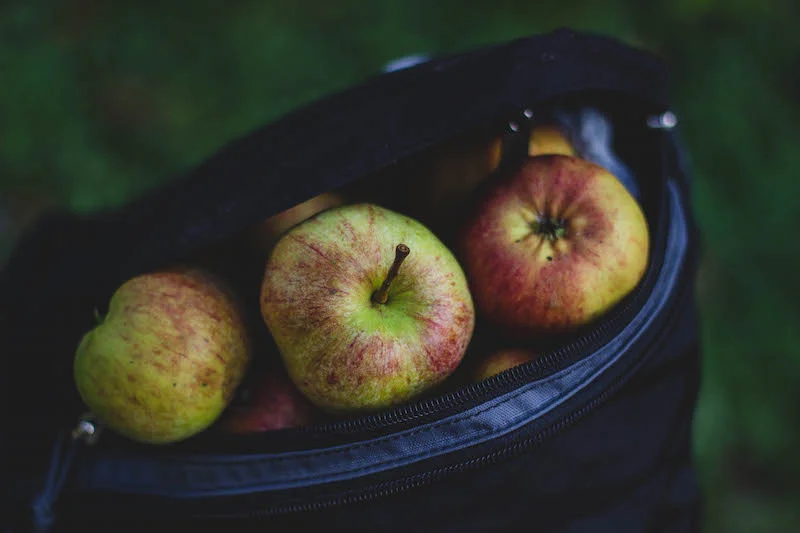
Find more ideas at the blog post on snacking well.
A full roundup of pack-friendly lunch ideas on a pinterest page of mine here
You'll find loads of recipe round ups when it comes to lunch ideas via pinterest. My fave is here.
My only rules: Keep it simple. Routine is key. You got this.
Good luck on your lunch planning! Now go play with your food.
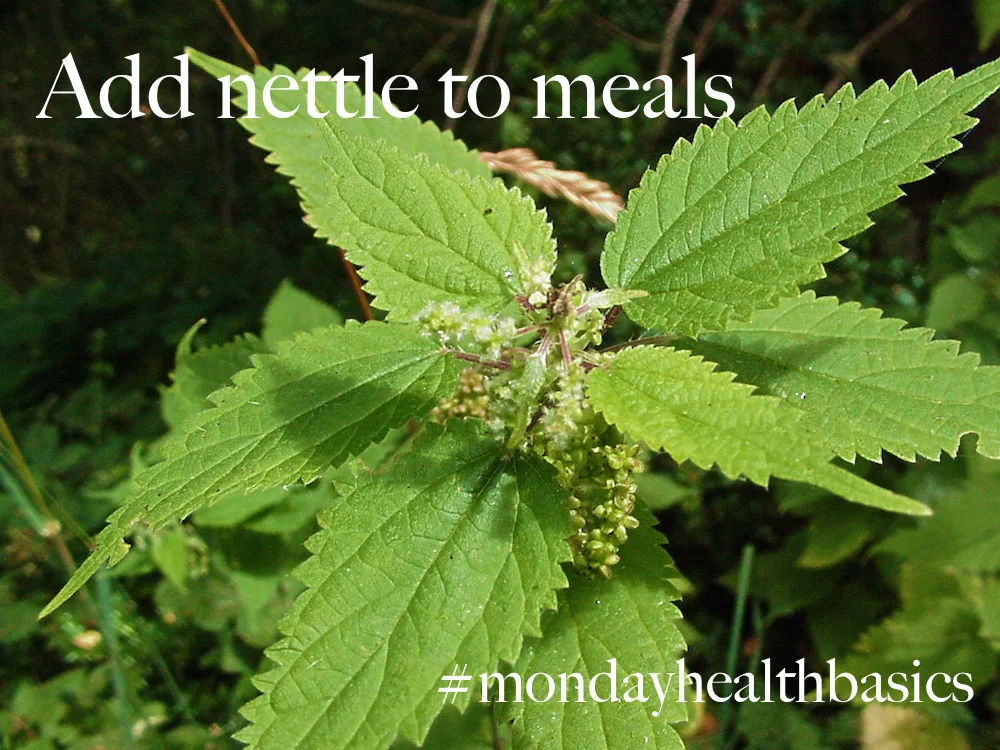
THURSDAY BASICS: Add Nettle to Meals
Welcome to Thursday. This week’s throwback blog arms you with an idea on how to get to Level 400 of Holistic Nutrition: add in the nettle. For the love of all body parts + systems, won’t you?
Click on the image for a full exploration of why + how to introduce nettle into mealtimes.
#tbt day here at #goodfoodHQ, as we look back on the #mondaybasics series of 2016.
Today’s post is kinda Holistic Nutrition Level 400. Wanting to up that nutritional ante on a day to day basis, adding in something that will benefit all your body parts?
ADD THE NETTLE.
COLES’ NOTES:
This is about increasing the minerals in your day to day.
It’s also about harnessing the power of Ma Nature - this stuff grows everywhere + is wildly prolific! Talk about loving us up.
Read on for tips on how to use it, where to find it, and why you may want to!
This is one of those fundamental changes that will slowly and irrefutably support increasing your digestive fire, reduce inflammation, support immune function and love you up from the guts on out.
Kick chronic disease to the curb, friend! Tell that histamine that YOU are boss! Nettle it up.
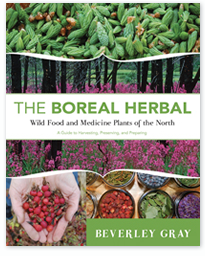
My week got off to a roaring start with a thoughtful gift from one of my sisters, a book from boreal herbalist wunderkind Beverley Gray called The Boreal Herbal: Wild Food and Medicine Plants of the North – a Guide to Harvesting, Preserving and Preparing.
Oh the joy. Oh the possibilities! (I am so lucky to have two awesome sisters. I love them so!)
See, I am a forager at heart and as I dig a bit deeper into our family's history, I realize I come by this quite honestly. My paternal grandmother was quite the herb gatherer; and the grandmothers that came before me and her, they always worked foods from the wild into their meals, cups of tea or in the every day.
This book has been on my radar for years since a good friend shared the knowledge within. But leafing through this new tome to my collection last night got me dreaming of things I want to uncover in places near by.
As the book cover suggests, “(this) is an indispensable guide to identifying and using northern plants for food and medicine.” In this book you will find profiles of plants, berries, herbs and trees that will help you identify them in the wild.
These profiles will help you figure out how and when to gather and preserve these goodies, with safety tips. You'll find lots of recipes and how-tos with detailed information on how best to gather these medicinal foods and make the most of the plants growing wild in the recesses of your back yard to the more remote spots found in nearby wilder areas.
Leafing through the book last night, I zoned in on the Stinging Nettle, or Urtica dioica. Yes yes yes, the same plant that gives you the very intense zing-like needling you would experience were you to chance upon a patch without knowing it. (Found that out time and again while exploring the English and Irish countryside a few years back!)
This perennial plant runs wild in almost every nook and cranny of this planet where there are wetter areas or where the soil has been disturbed. It loves rich damp soil. And when spring seems to be just around the corner, it will be one of the first wild plants that will pop up for early harvesting. But don’t think you need to be a harvester to get in on this nourishing action!
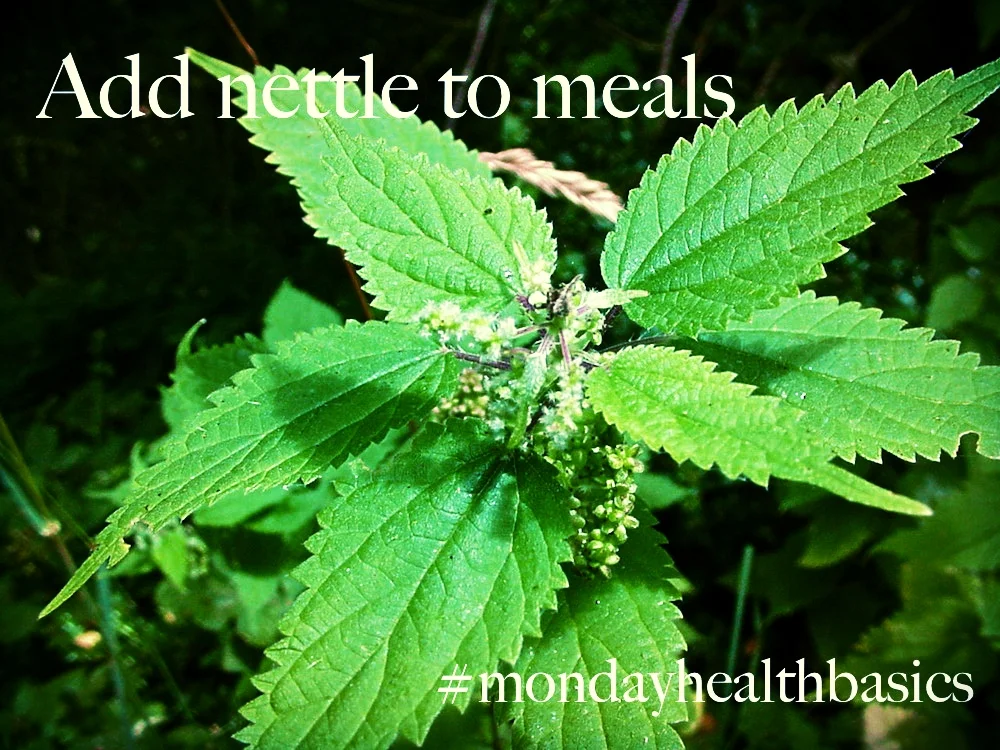
I love nettle for so many reasons: it grows wild and can be found quite easily if you know where to look and what to look for.
It's a super green, providing a rich source of iron (we need for energy and oxygen transport in our bodies) and silica (a mineral necessary for our body's structural force so think strong bones, nails, skin and hair).
It's a power house of vitamins and nutrients, a good source of vitamin K, magnesium, chlorophyll, vitamins A and C too. My favourite thing in nettle is the high calcium content: 1 cup will supply your body with roughly 40% of this important mineral for the day! All of this to say that nettle is a food that will promote the good health of bones and teeth, my friend. And these things we need strong for this world, yes?
The Boreal Herbal book explores the folklore behind this nutrient-dense herb, stating it is a blood purifier. It's purported to help your kidneys and liver. There are new studies looking into the efficacy of this herb in the treatment of BPH (benign prostatic hyperplasia), a non-cancerous growth of the prostate gland. So fellas, this one is for you too!
This herb is a fabulous anti-histamine herb, and as such would be of tremendous support for anyone dealing with allergies or the kinds of reactions we would associate with hayfever like itchy watery eyes.
HELP NOURISH TO COMBAT CHRONIC INFLAMMATION
My favourite superpower of nettle: the leaves have also been shown to help combat inflammation. This translates that those who struggle with arthritis or gout, eczema or psoriasis, cardiovascular disease, Type II Diabetes, any of the degenerative nervous system diagnoses or mood related diseases, truly any chronic disease of any kind (including autoimmune!) would do well to add to their daily regimen.
Nettle has a diuretic effect as well, so if you are someone who tends to retain water, this would be a good herb to add to your arsenal. Love your kidneys and lymph up, my friend.
Some companies have added it to their hair care products in order to help control dandruff. There are even manufacturers out there who have figured out how to utilize the fibres of the plant to produce textile. Fabric! All because of how easily and prolifically it grows. (Some folks call this a weed. A weed to you is a herbal delight to me.)
WHERE TO FIND THE GOODS
Now not everyone is up for hiking through dense marshy areas in search for this perennial herb. And fair enough. (I am not a super experienced forager, so I will forego sharing any tips or ideas on how or where to find nettle. I don't want to send you in the wrong direction or fail to give you the full and complete information you would need to ensure the plant you have in your hand is indeed the nettle plant. Plus, I don't want you to get hurt. BUY THE BOOK. It's about all I can say.)
So where would one find this amazing herb then, you ask, should one prefer to go the surer route? There are quite a few favourite local haunts where I have seen them on the shelves, or where I have purchased bags of the good stuff. Make sure to check your local favourite health food stores like Amaranth, Community or Blush Lane. You can also pick some up at The Light Cellar next time you're in Bowness.

Dry nettle leaves
HOW TO CONSUME THE GOODS
I'd forego trying the stuff raw. Imagine it stings you. While you're chewing. I'm just not that much into extreme food sports, you know? I mean they're called stinging nettles for a reason: there are hairs on the plant's stems and leaves that, when they come into contact with your skin, well they STING! And that feeling is just not pleasant.
But once you cook them, that stinging property disappears and you are left with a wonderfully dense, nourishing green that will provide your body with the good food. One of the easiest ways to consume the benefits of this herb is to steep it in a tea. Just toss the lot in with some water, and simmer for a short time if you prefer a weaker tea, or go ahead and let it simmer for longer for a deeper greener taste. I myself like to throw it in with other herbs in my thermos for the day's tea, depending on what I have in my pantry or what organ I want to support at that time. Nettle is always in the mix, every single day.
If you go digging around the internets, you'll find some wonderful recipes like this Potato, Golden Beet and Nettle Soup that sounds scrumptious. The good folks at The Kitchn have compiled a comprehensive list of recipes for clever ways to consume nettle in things like pestos, pastas, pies and pizzas here. You'll also find a wonderful compendium of recipes featuring this herb at a website solely dedicated to the health properties of Nettle.
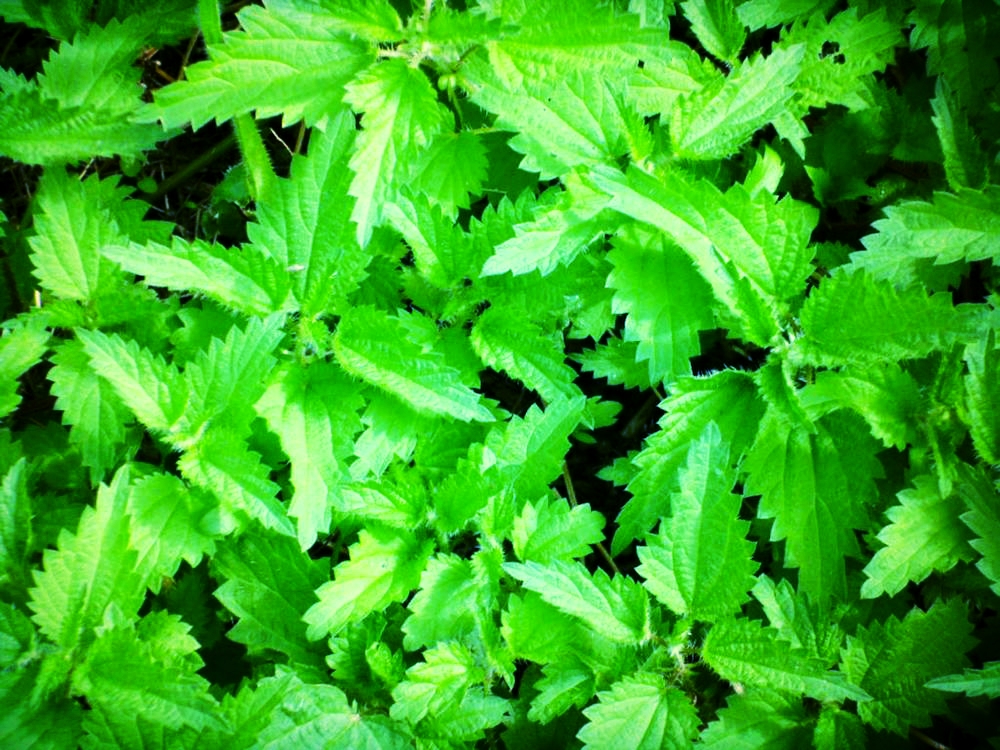
I'm not so calculated, I tend to cook from the hip. I throw a handful of dried nettles in lots of things from meatballs to soups and stocks; I've been known to throw some in with the ground beef or bison I'm cooking for a taco salad or add it in to spaghetti sauce or a chili. Anywhere you want a little more green, my friend. It's as easy as that. Toss it in with your morning egg scramble; add it to the shredded sweet potato pancakes you have on tap for dinner tonight; simmer them a bit in a cup of meat stock for snack time; add it to your herbal profile when making a bouillon salt; add it to the greens you're cooking up for a yummy Palak Paneer; throw it in with the vegetables in your next ferment.
Whatever you do my friend, you best
GO PLAY WITH YOUR FOOD.
THURSDAY BASICS: eat your greens.
The age-old adage often attributed to mothers of yore with something along the lines of eat your vegetables! is completely bang on, and even more so in 2016. See, your mother (or your mother's mother, or the mother that came before her) was on to something. Vegetables are a good thing. (I think most of us would agree.) And yes, sometimes the younger demographic turns their noses at some of the vegetables on offer at the dinner table. But your mother was right. And today, we'll focus on a specific group of these vegetables. Eat your greens, mon ami(e).
Another Thursday, another throwback! Let’s take a peek at one of the old #mondaybasics series of 2016.
As the month of September rolls along, so we continue to dive in to topics of relevance to nourishing the brain. This specific idea is one of your strategies to implement, in fact, should you be wanting to nourish your entire nervous system, from the brain to the myelin sheath, the nerves to cognition. Aim for 3 cups, minimum a day, kitten.
EAT YOUR GREENS.
COLES’ NOTES:
Why greens are integral to every system’s function, investigating the nourishment from a variety of greens.
Find an extensive list of what constitutes a green - oft-found ones, and off-the-beaten path options too!
Recipe included. Meatballs as a vehicle for the dark leafies.
Dive in, kittens. Whether you want to deeply nourish your skin, brain, reproductive health, support your nervous system, or improve your detox prowess, eat your greens. Erryday.
The age-old adage often attributed to mothers of yore with something along the lines of eat your vegetables! is completely bang on, and even more so in 2016 (now 2019!).
See, your mother (or your mother's mother, or the mother that came before her) was on to something.
Vegetables are a very good thing. (I think most of us would agree.)
And yes, sometimes the younger demographic turns their noses at some of the vegetables on offer at the dinner table. But your mother was right. And today, we'll focus on a specific group of these vegetables. Eat your greens, mon ami(e).
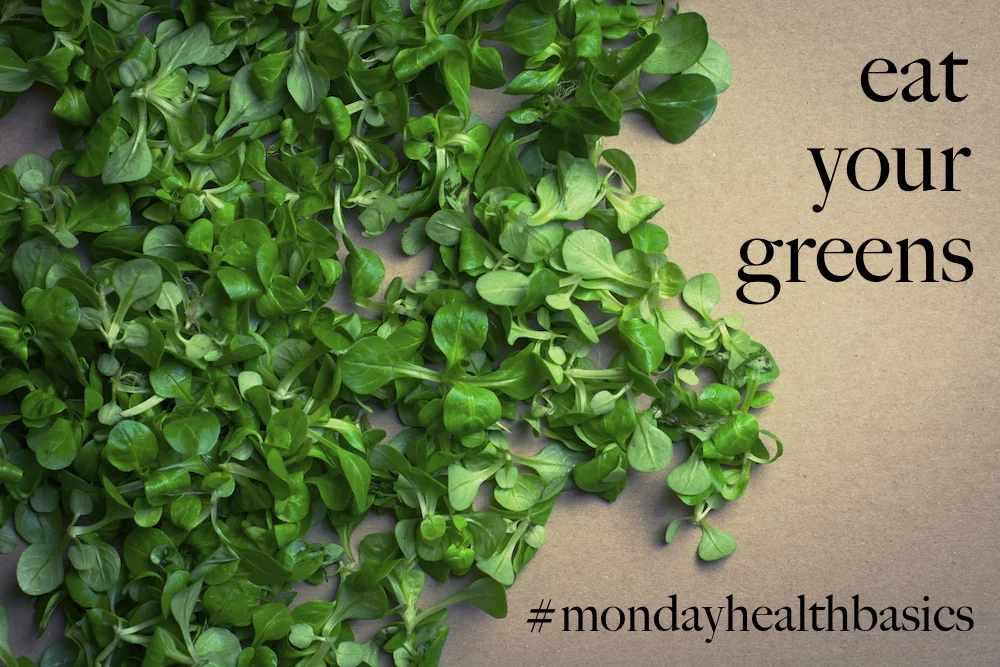
In this post, my aim is to arm you with knowledge so that you can better navigate the food and eating waters. I plan to give you some quick tips on how to include more greens into your daily food regimen. I will share a quick template for a weeknight staple at our house, ye olde Meatballs (a superfoods vehicle in my opinion).
So when I say greens, for the sake of today's post,
I am talking leafy greens.
This means anything that is a leaf typically found on a plant, and a leaf we can eat. This means your obvious ones like kale and lettuce; I also aim to include those lesser obvious ones like herbs and spices, pungent-tasting greens like watercress or sorrel (perhaps my current garden perennial favourite). And by leafy greens, do not shy away from found-in-the-wild kind of foods like seaweed or nettle.
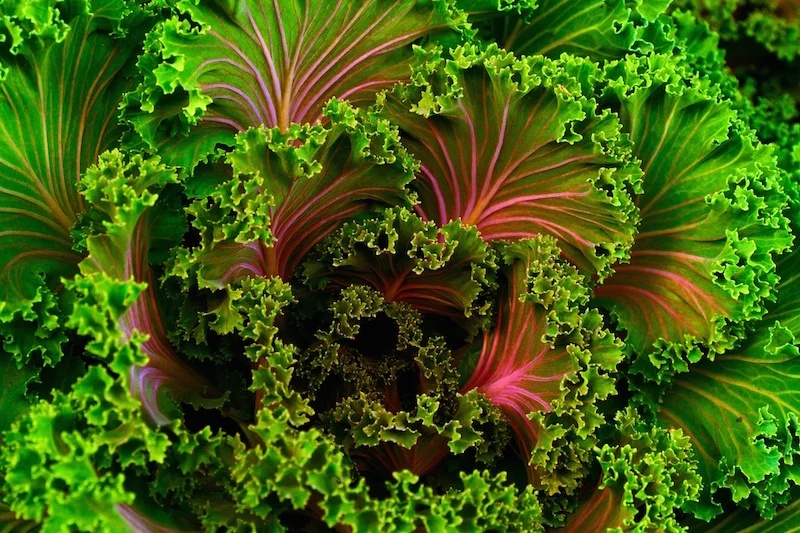
the vibrant kale
WHY THE GREENS
Flashback to your grade six science class: every plant has a few different parts, among them the leaf. This part of the plant allows it to harness energy from the sun in the form of photosynthesis, thereby storing energy necessary for the building and maintenance of the entire plant.
In order for the process of photosynthesis and the storage of said energy in to chlorophyll, magnesium must be made available. Magnesium is actually at the centre of the chlorophyll molecule, much like iron is at the centre of our red blood cells. Therefore, it would be safe to say that by eating any leafy green of any kind, be it originally from land or water, one could be assured they would be consuming good amounts of magnesium.
Why do we need magnesium? Where calcium helps our muscles contract, so magnesium helps to relax the muscles. Where calcium helps our nerves send electrical impulses, so magnesium helps to quiet those electrical impulses.
Magnesium is known as the calming mineral. Suffer from leg cramps? Charlie horses a regular occurrence? Hard time falling asleep at night, thoughts are racing? Maybe upping your leafy greens could be a part of how food could best support you.
IT’S ABOUT THE RATIO
We also need Calcium and Magnesium to be in the right ratio, along with lots of other vitamins and minerals in order to properly build and maintain bones and bone density. So eating greens? Yea, they're good for your bones. (Bonus: dark leafy greens are also a pretty stellar source of calcium.)
On the subject of bones, greens are also high in manganese, another essential mineral in the building and maintenance of bones.
Magnesium is also a very important electrolyte in the body, and so by ensuring a good intake via foods, you would be supporting a healthier blood pressure and overall cardiovascular health.
Magnesium is also an important mineral in the manufacturing of enzymes, mightily involved in the entire digestive process including how your body handles glucose. It is also a necessary component in the chemical reactions that happen in the brain in order to convert amino acids into neurotransmitters. So greens? Yeah, they're good for your digestion and brain too.
In addition to magnesium, greens are typically good sources of potassium, another important electrolyte, especially important for heart and kidney health.
Dark leafy greens are good for your skin too: manganese plays an important role in your body's manufacturing of collagen.
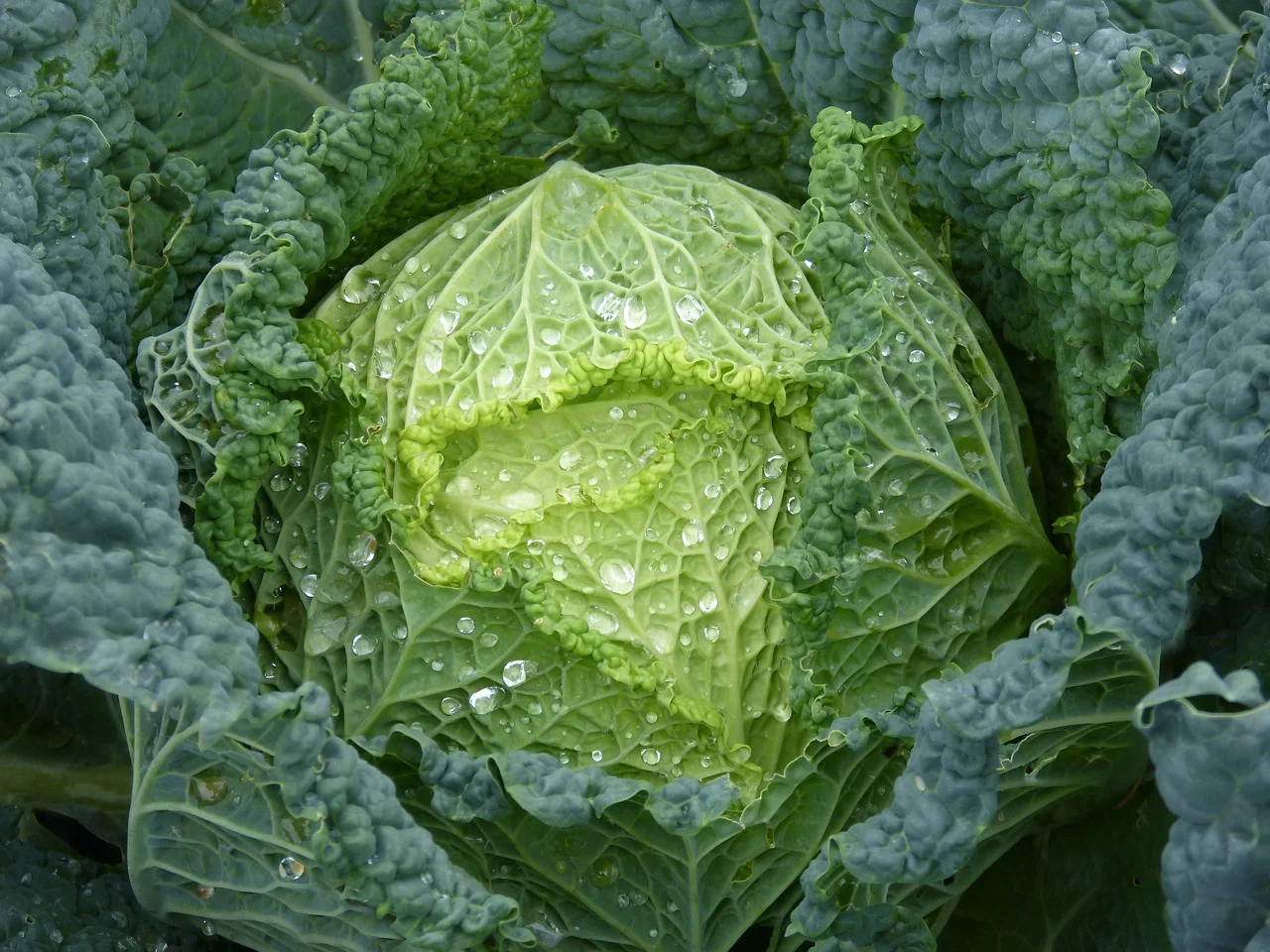
The humble cabbage.
CHECK OUT THESE PRE-CURSORS + DETOX SUPERSTARS
Greens are also good sources of vitamin K1, another key player in bone health and mental health as well. Along with the help of a healthy microbiome, you can turn those K1s into K2, needed for myelin sheath health, eye health + function, + in keeping inflammation at bay.
You'll find lots of B vitamins in the greens as well: these water-soluble vitamins are utilized constantly in adrenal health, stress management, skin health, mental health, hormone building, detoxification, enzyme manufacturing and digestion. Oh yes, also necessary if you are building a human being in your uterus.
They are power houses of minerals and vitamins like vitamins A, C, K that assist your body in the detoxification work, helping to clean out your blood, and have been shown to lower your risk of developing cancer.
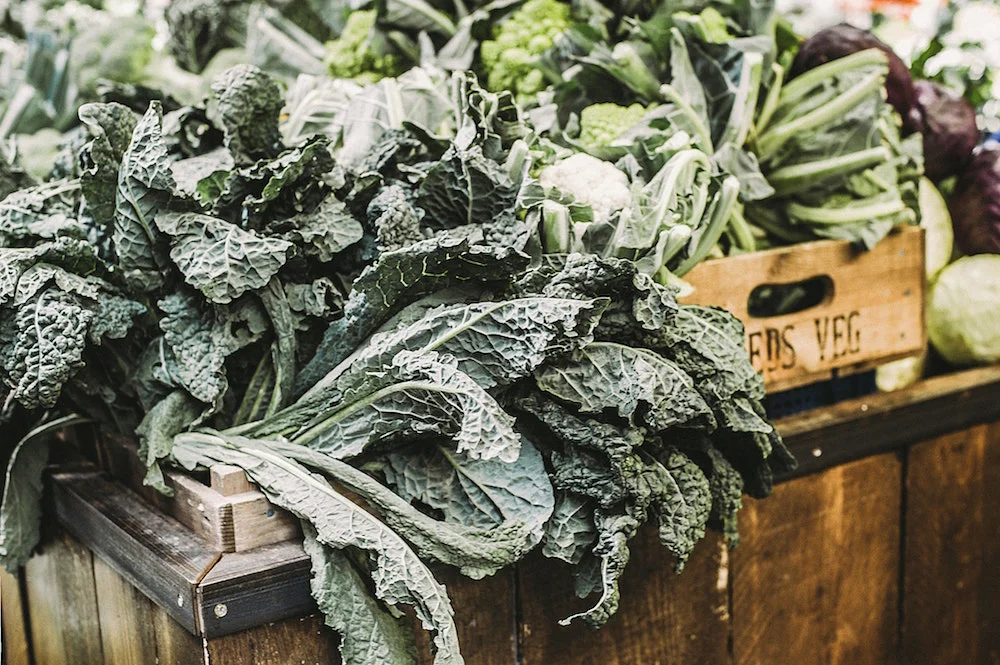
Get in ma belly!
FOLLOW THE BITTER
The more bitter tasting greens are of tremendous support to the liver, supporting digestion by inducing it to produce more bile which is the body's natural way of re-packaging spent metabolic waste and toxins and shipping them out the regular route of elimination, #2.
Greens are usually good sources of fibre too, which helps escort those toxins out of the body. Some of this fibre also goes to fuel the bugs in your gut, those good guys we want to have in our innards. You could say that eating your greens is essential to disease prevention then.
ANTI-INFLAMMATORY POWERS
Greens are shown to help lower cholesterol, thereby assisting in reducing inflammation. (Where inflammation occurs, cholesterol builds.) They are also fabulous purveyors of those all important flavonoids that will help mitigate inflammation and reduce oxidative stress on your body.
There is a fascinating video available online, an anecdotal video from Dr. Terry Wahls who worked through the devastating diagnosis of MS. She tells the tale of how her food choices helped support her body recover, fuelling her mitochondria, the energy manufacturing engines of each and every cell of her body. She specifically speaks to the idea of consuming 9 cups of vegetables a day, with three cups coming from leafy greens. It has been taken away from the TEDx's roster as they state it falls outside their curatorial guidelines. You can still find a version here.
In conclusion, it's safe to say that if you have a body and want to maintain its regular functions,
all of them, you need to eat your greens. Every day.
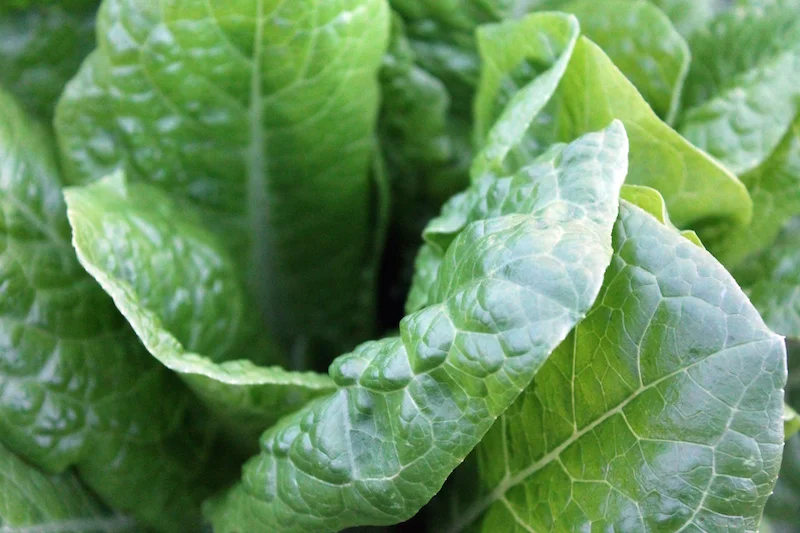
the humble romaine.
WHAT KINDS OF GREENS
Well it's clear that when we talk greens, you probably are thinking of the obvious players like spinach and kale, or maybe arugula or dandelion greens for the more bitter ones. I want you to think outside the box. Let's draw a list, shall we?
GREENS
spinach
kale
bok choy
lettuce
romaine
swiss chard
collard greens
mustard greens
beet greens
turnip greens
cabbage
brussels sprouts
BITTER GREENS
sorrel
dandelion greens
arugula
endive
raddichio
escarole
frisee
mizuna
watercress
chicory
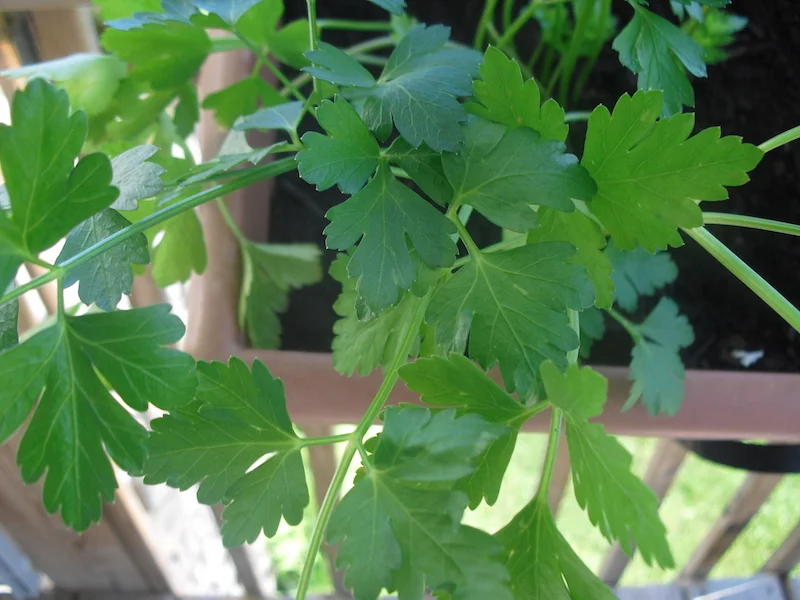
Parsley - a perfect herb for a summer garden!
HERBS
basil
parsley
dill
cilantro
chives
green onions
oregano
lovage
mint
rosemary
OFF THE BEATEN PATH
seaweed
green tea
spirulina
chlorella
broccoli leaves
amaranth leaves
nettles (careful if foraging, they really do sting!)
nasturtium leaves (yes! you can eat these! and the flowers too.)
borage leaves (young ones)

Nasturtiums leaves and flowers are edible. And peppery!
OK so they're good for you. I get it, you're saying to yourself. But how do I eat them? I had enough creamed spinach growing up, thank you very much. Let's go over a few ideas here.
LET'S EAT
Here's a good recipe round-up, if you're looking for ideas (click on the titles, as some of these will link out to a recipe):
cook simply in a good fat like butter, and add S+P
even fancier, you can cook your greens up in coconut oil with ginger and garlic, and at the last minute drizzle sesame oil over top
perhaps the most obvious, but make a salad, and use more than just one green
blitz together a bit of spirulina or chlorella with some pumpkin seeds for a breakfast topping
throw them in smoothies (the greens like kale and spinach can contribute to inhibiting proper thyroid function, so best to reach for other greens like lettuce, chard or watercress, or herbs like mint)
whip up a greens curry (like my Palak-a-la-Ginny)
mince finely and toss in soups or on eggs or sauces; your picky eaters will think it's flavouring
toss in some dried seaweed or minced herbs in to your next ferment
deydrate your pock-marked greens from the garden and crumble into everything!
if you grow broccoli or cauliflower in your garden, keep those leaves and dehydrate them!
toss that s**t in everything
In June of last year, I put together a blog series called A Month of Salads. Find the round up here.
Find a whole post already on how to incorporate more nettle in to your life. Same goes for how to bring more seaweed into your daily meals, a mineral superhero for sure!
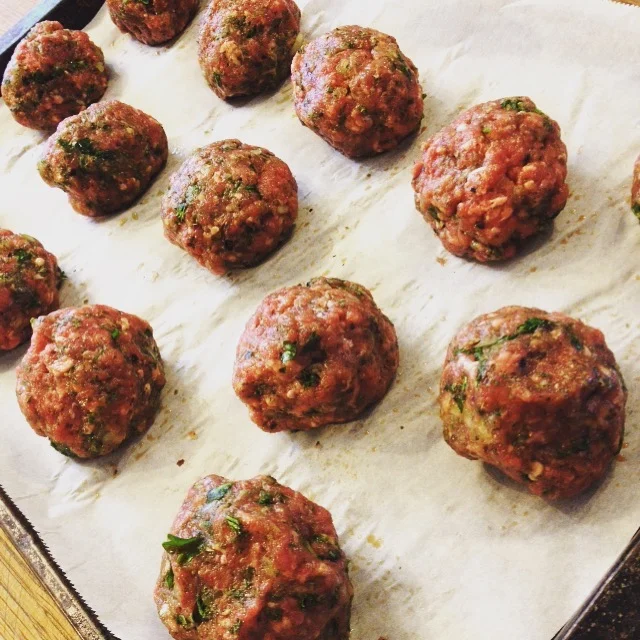
A weeknight staple with loads of greens: the meatball.
MEATBALLS TEMPLATE
Here is my template for an easy weeknight meal that will help curb inflammation, fuel your sweet body with those good nutrients necessary for optimal health. I like to think of meatballs as flavour and super foods vehicles. The sky is the limit here; you will soon discover what you like and will make this recipe your own. I look forward to hearing about it.
THE PLAYERS
1.5 lbs grass fed beef or pork, or bison, or chicken or turkey
2 eggs (brain superfood)
1/2 bunch minced fresh herbs like parsley or cilantro or basil (super green)
1/2 onion, minced (liver loving)
2 tbsp minced seaweed (mineral and iodine rich)
2 tbsp dried herbs like oregano or marjoram, or 1 tbsp dried thyme
1 tbsp lemon juice
Add any dried crumbled greens from your garden if you have them (I use lovage all the time, or the dehydrated hail-damaged greens that are inevitable every summer in Alberta)
1.5 tsp sea salt (minerals!) and ground black pepper
THE HOW-TO
Bake in a preheated 375F oven for 25 min. You can turn them once if you like, but it isn't necessary. Once they're in the oven, now you can go make the sides to accompany the meatballs. Eat them right when they come out of the oven.
GO PLAY WITH YOUR FOOD.
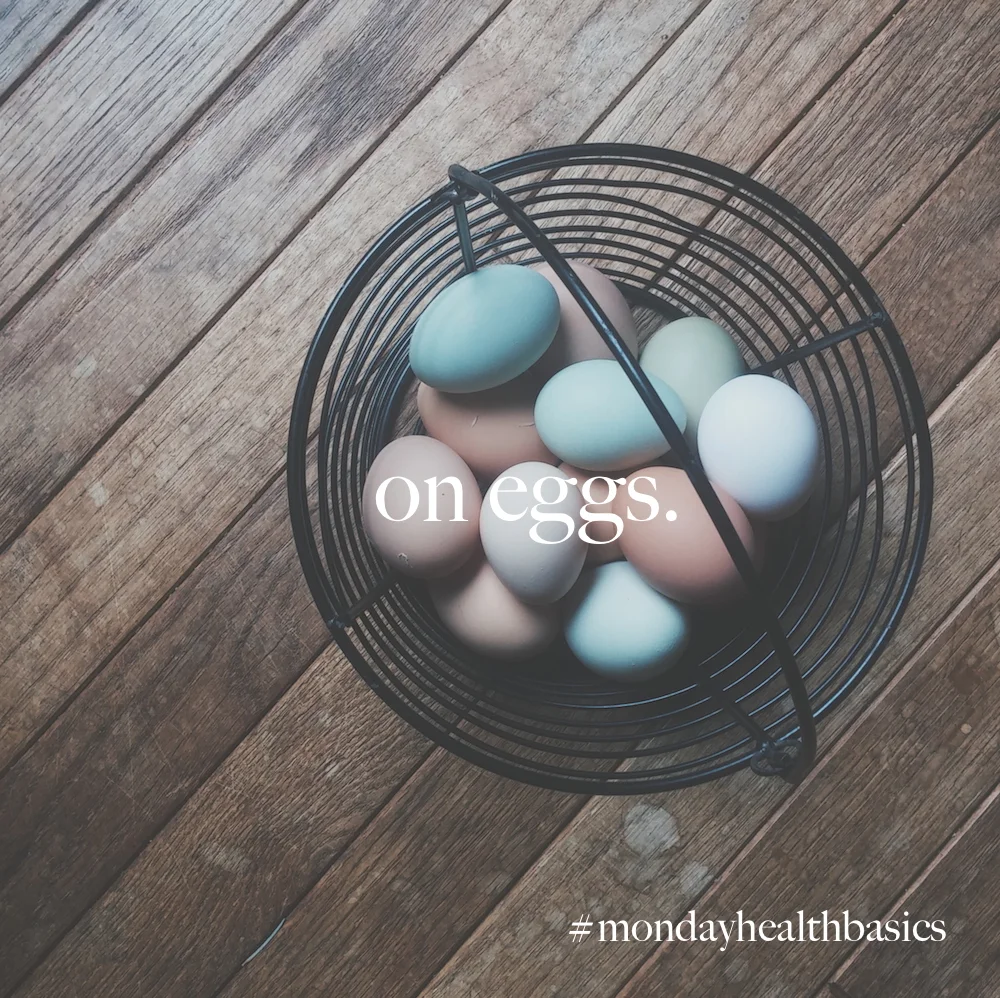
THURSDAY BASICS: on eggs.
This Thursday Health Basics post centres on one of my favourite foods: EGGS. These nourishing morsels of goodness have been unjustly disparaged in recent years. Today's blog post aims to get you on board the egg train. Eggs: nutrient density at its finest.
Let’s keep going with the ideas on how to work on EATING THE GOOD FATS one step further. (Are you tired of my fave macronutrient yet?)
Number 8 of 8. But really, there are 9. We'll come back to #9 in a few weeks. In the meantime...
ON EGGS
COLES’ NOTES:
1. They are Mother Nature’s original fast food - a brilliant hit of protein, loads of healthy fats and serve as a food version of your Multivitamin. Truth.
2. The yolks are the best part - DO NOT TOSS THESE OUT! (The fat soluble vitamins to help keep chronic disease + inflammation at bay are found here!)
3. Eat with yolks as runny as you can muster. Read up for the why.
One of the top things you want to stock up in your kitchen. Get the best ones you can afford - a good guiding principle.
This (now) Thursday Health Basics post centres around one of my favourite foods: EGGS. These nourishing morsels of goodness have been unjustly disparaged in recent years. Today's blog post aims to get you on board the egg train.
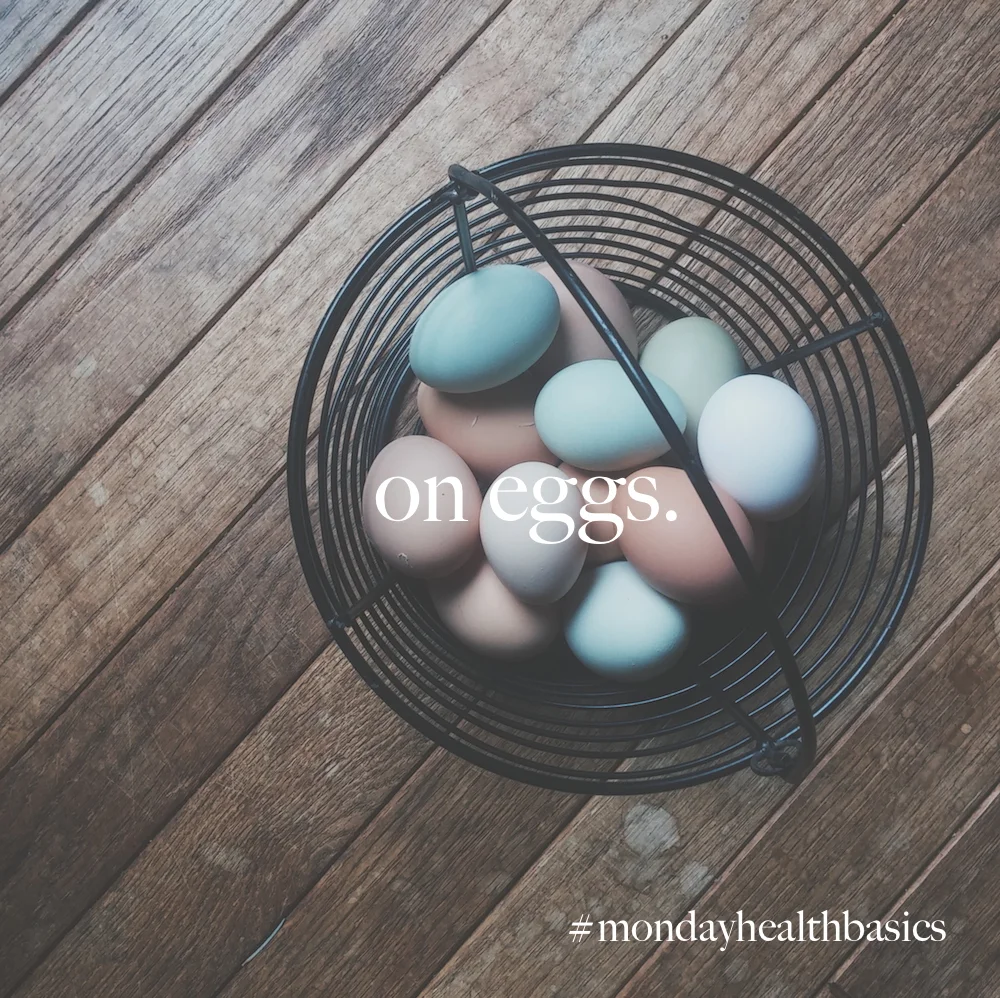
Eggs are one of my favourite foods, for so many reasons.
My favourite: they're pretty affordable! It must be said that not all eggs are created equal, however. Lisa Leake, the author behind the brilliant cutting-out-processed-foods book 100 Days of Real Food (and the blog of the same name) gives a complete rundown in both her book and her blog on what to look for in terms of words on the label. Go on over to get the rundown on what means what.
Eggs are my faves because they're usually quite easy to prepare, in good time. Eggs are a perfect busy-night kind of anchor to your meal. Toss veg in your hot pan with a good fat, add some flavours, and toss an egg on top and pop under the broiler for 10 minutes or so. Voila! Dinner is served.
Not sure which kind of eggs to buy for your family? I like to advise my clients to purchase the eggs they can best afford. With eggs, it really is a question of you get what you pay for. It's one of those foods that you really should budget to include the better kind on your grocery run.
I myself tend to ask questions of the staff at my grocery store, wondering which kind they best recommend in terms of nutrition and bang-for-your-buck. You can also ask questions of folks working the stalls at the Farmer's Market too, they will be able to provide you with those important factors that will help you make your best informed decision on which eggs to purchase.
As for me, I have lucked in to two egg co-ops in town where we purchase the eggs from the farmers directly. I feel confident in supporting these smaller producers, knowing the product I am getting is from chickens that have safe access to the outdoors (free-range, pastured), with a nutrient-dense feed that best supports their lives as well. After all, you are what you eat eats. As Joel Salatin says, we must allow the chicken “to express its chickenness”. In so doing, we allow the animal to live as it should, which means it will produce nutrient-dense eggs as it should.
An animal that lives under stressful or unnatural conditions will produce far inferior eggs, lacking in those nutrients our bodies require to do the work of being and staying well.
(That’s code for keeping chronic disease at bay and reducing inflammation!)
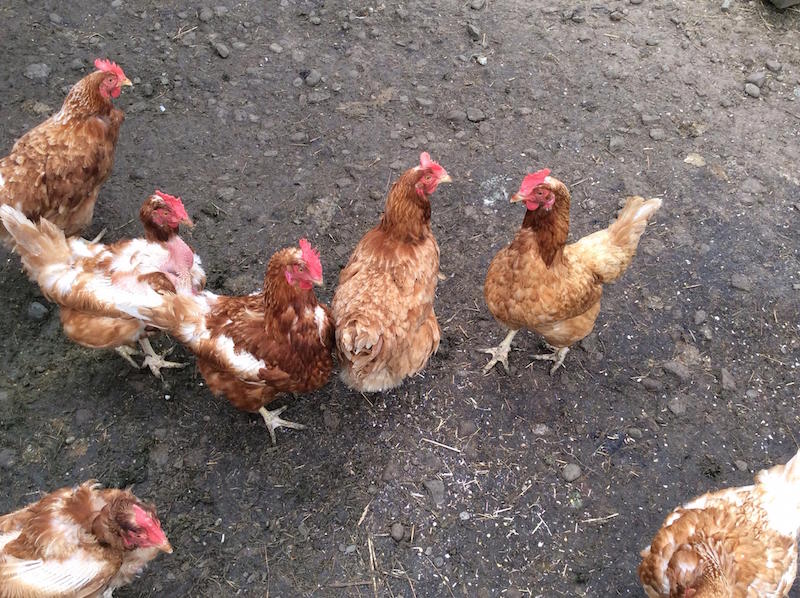
I include eggs in our every day here at the house for nutrient density reasons. They are a wonderful source of complete protein, readily offering up those building blocks necessary for our body's building and repair work. The entire egg, both the whites and yolks contain protein, but it is interesting to note that the whites are mostly strictly protein. Protein is one of those important macronutrients you want to aim to include in every meal in order to help balance blood sugars, a key component to keeping inflammation at bay and supporting your adrenals.
The yolks are my favourite part of the egg, however. Do not toss those out! They contain those all-important fat soluble vitamins A, D, E and K. These vitamins play important roles in the maintaining the integrity of your intestinal lining which goes miles in keeping systemic and chronic inflammation at bay; they are key players in mental health and brain health. They are also key to healthy bone and teeth building, density and maintenance. These vitamins keep your skin healthy, and your heart and cardiovascular system pumping like a champ.
Lots of water-soluble vitamins are also found in the egg yolks. Look for B12, the vitamin linked to energy. Choline is also plentiful in pastured eggs – a crucial vitamin in the B family that we need to build cell membranes, keeping our cells as safe as Fort Knox. Choline is a key player in mental and nervous system health, as it is the precursor to important neurotransmitters, playing important roles in muscle control and memory.
Your eyesight benefits from regular consumption of eggs: they contain the antioxidants lutein and zeaxanthin. These beta-carotene powerhouses have been studied and show that they have protective effects for the eyes, reducing your risk of developing things like macular degeneration and cataracts.
Eggs are a fabulous source of cholesterol. This word is one that can ignite people, either for or against. I have two feet firmly planted in the pro-cholesterol-in-foods camp. The negative rap given to cholesterol (and saturated fats, of which there are loads in eggs!) was based on a research paper published by Ancel Keys in the 1950s that has since been disproven. It is a hot button topic, and one that may be a bit too big for a Thursday Health Basics post. For a concise article outlining the health benefits of cholesterol, I invite you to read this article by Dr. Mercola, in order to get the goods. Suffice it to say, in conclusion, the cholesterol we eat does not have a big impact on the cholesterol levels in our blood.
Cholesterol is an integral component to all cell walls, keeping them rigid and strong. Cholesterol is an integral component to all hormones, as well as a part of every bile acid your body produces. Without adequate cholesterol, your ability to digest may suffer. And if that isn't enough, 60% of your brain is made of cholesterol. You need this cholesterol to form and retain memories, and to learn new tricks. Ergo, eggs are a BRAIN SUPERFOOD!
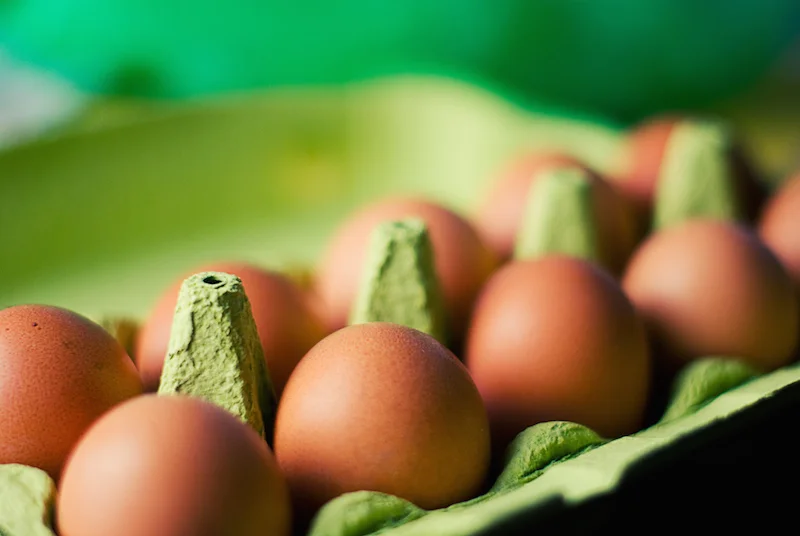
Speaking of brain food, if you are buying your eggs from a good pastured source, you can also count on those nuggets to contain the all-important Essential Fatty Acids! (EFAs). These are the fats we need to keep inflammation at bay, and our brain running like the well oiled machine it is. EFAs also contribute to healthy skin, improved digestion + elimination, heart health and eyeball health too. And liver health. Oh geez, those EFAs.
In case this needs mentioning again, healthy sources of fat like those found in eggs help mitigate the negative effects of blood sugar spikes, keeping all things level. This means then that including good fats in one's diet will go miles in supporting adrenals, and in keeping low-grade chronic inflammation at bay. Yay fat!
Lest we forget, eggs offer us a gamut of essential minerals in our diet, especially those that may be a bit tricky to find. They offer us a good source of selenium, an essential antioxidant that also plays a key role in our thyroid health. Iodine is also provided here, supporting the thyroid and helping protect against certain cancers, especially breast cancer. Iron is another important mineral readily available in eggs, helping replenish the iron stores for women during their monthly cycle, and a mineral essential to energy. As if that wasn't enough, you'll also get a good hit of zinc in your meal if you are having eggs, an important antioxidant integral to immune health and digestive wellbeing.
How to know if your eggs are top shelf?
You want to make sure your egg yolk is closer to orange in colour as opposed to yellow. Hens that have access to the bugs and grass outside will have a richer complement of nutrients, which will translate to a more orange-hued yolk.
Have a question about white egg vs. brown egg? The colour of the shell has nothing to do with the nutrients found within. Rather, it has to do with different breeds of chickens; some produce brown eggs, others white, and yet another kind will give you a greener hued egg. Or pinky. Really, it's all the same. As long as you are sourcing eggs from hens that have been able to have safe access to the outside world, and given a protein-rich feed, you are good to go.

How best to prepare your eggs:
You want your yolk to be as runny as you can take it. Allowing it to stay runny means it will be closer in nutrient content to the raw yolk, which is the most nutrient-dense way to consume eggs. Cooking the yolk alters the content of the yolk, but it is still good! Just aim to be on the runnier side when making your eggs tomorrow morning, and you will be well served. (We call them eggs with yellow sauce at our house. Yum.)
I have had the chance to lead a group of Junior High students in a weekly cooking class for the last five years. Our first class is always about the humble egg; I must tell you we always start with Russian Custard, a raw yolk and honey delight. So far, only one student has refused to try it! And they have all enjoyed the rich and satisfying taste of this easy peasy snack, save for that one student. My caveat here, if you are consuming raw egg yolks, is to make sure it is from eggs that have been allowed out on pasture; conventionally-raised eggs carry a higher risk of salmonella poisoning.
I used to work with a fellow who was well versed in food and nutrition things. He said he thinks of his eggs as his source of multi vitamins; he aims to have at least two a day, in order to best supply his body with those nutrients necessary to optimal health. On the GAPS protocol, a gut-supportive protocol that profoundly affects my practice as a Holistic Nutrition Practitioner, the author Dr. Natasha Campbell-McBride recommends daily consumption of eggs once the initial Intro stages are done. She recommends one can consume up to 8 eggs a day, once you are able to safely digest them.
Eggs. Nutrient density at its finest.
How do you prepare your eggs?
THURSDAY BASICS: J.E.R.F.
Next up in this year-long revamped series now called Thursday Basics is perhaps one of the most revolutionary actions you can take in order to ensure yours and your family's optimal health. It's about JERF. Just. Eat. Real. Food.
Happy Thursday! Here we are, with another revisit to the now-rejigged Monday Health Basics from 2016.
We’ve gone over some of the little things or some ideas you can implement to your day to day life to help support the good health. We’ve talked about some lifestyle ideas to support you in this work, and other things you can implement one at a time. (Scroll back through the blog!)
But this one. It’s really at the core of what I do in Holistic Nutrition, how those good foods can help support you with vitality, how foods can nourish resiliency, I mean without getting too onerous, how to make your kitchen your ally.
JUST. EAT. REAL. FOOD.
COLES’ NOTES:
1. We're talking simple, delicious and easy meals that are good enough. And good enough is good. And that's enough.
2. Start by making dinner at home once a week, if you’re new to this. Figure you’re well seasoned? Learn to make a homemade version of one of your packaged staples like say, Butter Chicken sauce.
3. Sheet Pan Dinner recipe included.
Read on for some ideas and things that might make you go hmmmmmmm…
Next up in this year-long series called Monday Health Basics is perhaps one of the most revolutionary actions you can take in order to ensure yours and your family's optimal health. It's about JERF. Just. Eat. Real. Food.
I've been catching up on a little television these last few days, holed up with a pretty good bout of the flu. I've had the chance to watch a few episodes of the Netflix series Cooked by Michael Pollan. (I highly recommend you track this one down.) In it, he explores food and our relationship to it through four different lenses: fire, water, air and earth. It's not about rocket science (although how that fellow roasts pig is pretty darn close to rocket science I think); it's more about what it means to be nourished by food, what food means to a community and culture. And how our way of cooking has changed in these last fifty plus years, and how this is affecting our overall health.
This series explores how much our food choices have been usurped and have altered in these last fifty years or so. One of the reasons is because of the immediate availability of ready-made meals and snacks that are easier to pick up on the way home than it is for us to make a full fledged meal. How do they get us to keep buying those ready made meals? They load them up with salt, sugar or fat; these are all things that we are hard wired to like and so we tend to reach more and more for these kinds of foods. We actually crave them! And that is the idea here, the manufacturers have scientists in their midst in order to develop that perfect mouth-feel for their customers, that perfect balance of salt/sweet/savoury in order to get us to keep buying their products over and over. Those flavours and the sugar factor is something we've evolved to like: when something has good fat in it, it will satiate us and make us feel fuller, longer. When something has a sweet taste to it, we developed an affinity for this as it indicated the vegetable or fruit at hand was at its peak freshness. Consuming sweet foods, and thus craving them, allowed us to eat a more nutrient-dense diet! That is, until processed foods came along.
The problem here is that these prepared foods, while they may taste amazing, are made with the cheapest and most refined ingredients possible, in order for the company making these foods to turn a profit.
They don't end up supplying our bodies with as many nutrients to fuel us through our days as if we were making our own foods at home. There are many ingredients in these products that may contribute to inflammatory things we have going on in the body.
They may also contribute negatively to our body's ability to digest. They may provide our bodies with some rancid oils, especially things like soybean oil. These rancid oils wreak free radical damage in our bodies, setting us up for some health concerns along the way.
And while you’re on Netflix, check out Salt Fat Acid Heat, the four part series from Samin Nosrat where she explores flavours and their influence in regional cooking. She’ll inspire you to get in your kitchen!
Looking up statistics online, I found that on average, a Canadian household spends just short of $6000 per year on groceries. Money spent at restaurants is just over $2200. These stats are for 2014, the latest year available online. These numbers indicate to me that on average, most families are eating out quite a bit if the money spent outside of the home is equal to a third of what they spend on their grocery bill!
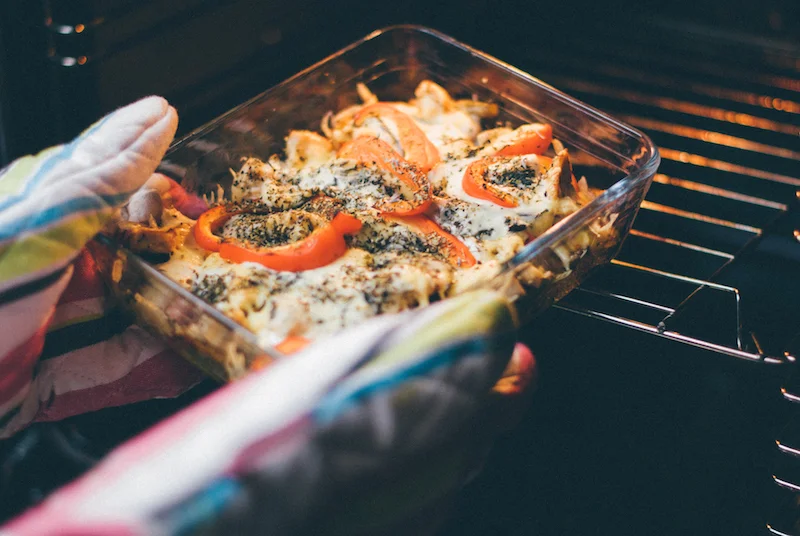
The simple act of cooking at home is perhaps one of the most revolutionary acts you can do.
In cooking from scratch, you are inherently using better ingredients than those found in processed and packaged foods. You are reaching for fresher produce which will better provide those necessary antioxidants, vitamins and minerals to help your engine run clean.
And we're not talking gourmet meals here, friends.
We're talking simple, delicious and easy meals that are good enough.
And good enough is good.
And that's enough.
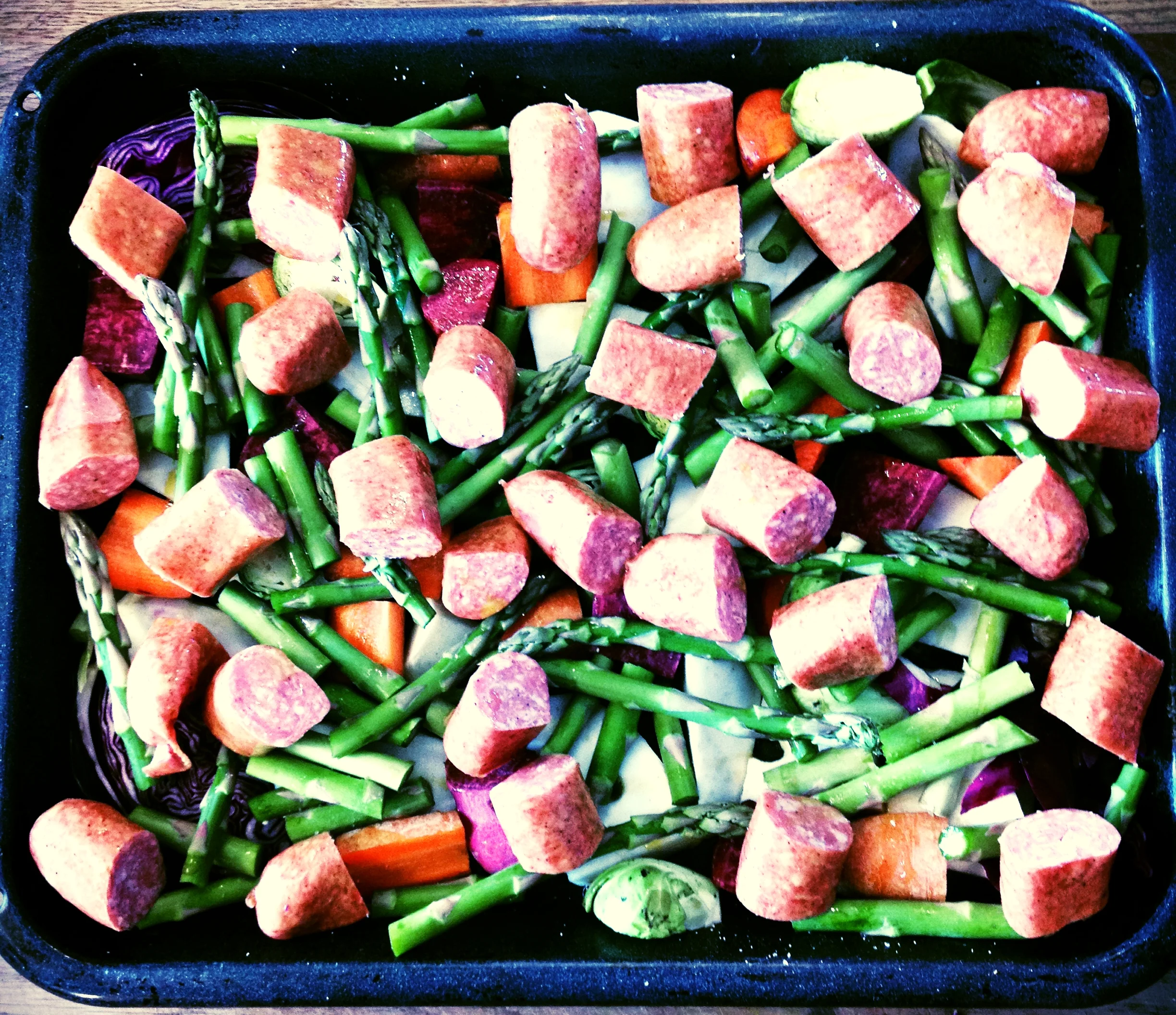
EASY SHEET PAN DINNER
If you have time, turn your oven on to 350F.
If you're in a rush, turn your oven on to 425F.
Slather a roasting pan with a good fat (I love to use bacon fat here, but butter will work or any other fat you have on hand).
Chop the veggies you have in your crisper. I added purple yams here, celery root, carrots, Brussels sprouts, purple cabbage and asparagus. You can also add frozen veggies to the mix. The only limit is your supply and your imagination.
You can add sausage if you like, or chunks of chicken. Chop them into bite size and scatter on top of the veggies.
Drizzle with olive oil (I used a basil flavoured one here from Blue Door Oil + Vinegar)
Sprinkle with salt + pepper, and any herbs if you'd like (rosemary or paprika is good!)
Pop in your oven, if it's at 350F it will take an hour. If it's at 425F, it should take 30 minutes or so.
#JERF
Other easy home-made meals:
fry an egg and use it as topper to whatever veggies you’ve got, throw some kimchi on the side for more flavour.
Cook some easy veggies in a bit of fat, S+P in a pan at first, and then finish them by roasting in the oven at 375F.
Make your own salad dressing of olive oil + apple cider vinegar, tossed over some shredded veggies like cabbage, green apple, carrots and green onions.
Toss some asparagus in melted butter and squeeze some lemon juice over top.
Boil a bag of frozen mixed veg, drain and toss with butter + garlic powder.
Perhaps the easiest and most nutrient dense meal idea: hard boiled eggs with some vegetable sticks.
Roast a few chickens at a time, and shred the extras into freezer bags for easy retrieval on those busy weeknights. Toss leftovers together with some stock and maybe a bit of pasta, and flavour with some pesto.
Check my Instagram page - I’m always posting some good food ideas to make mealtimes a bit easier.