
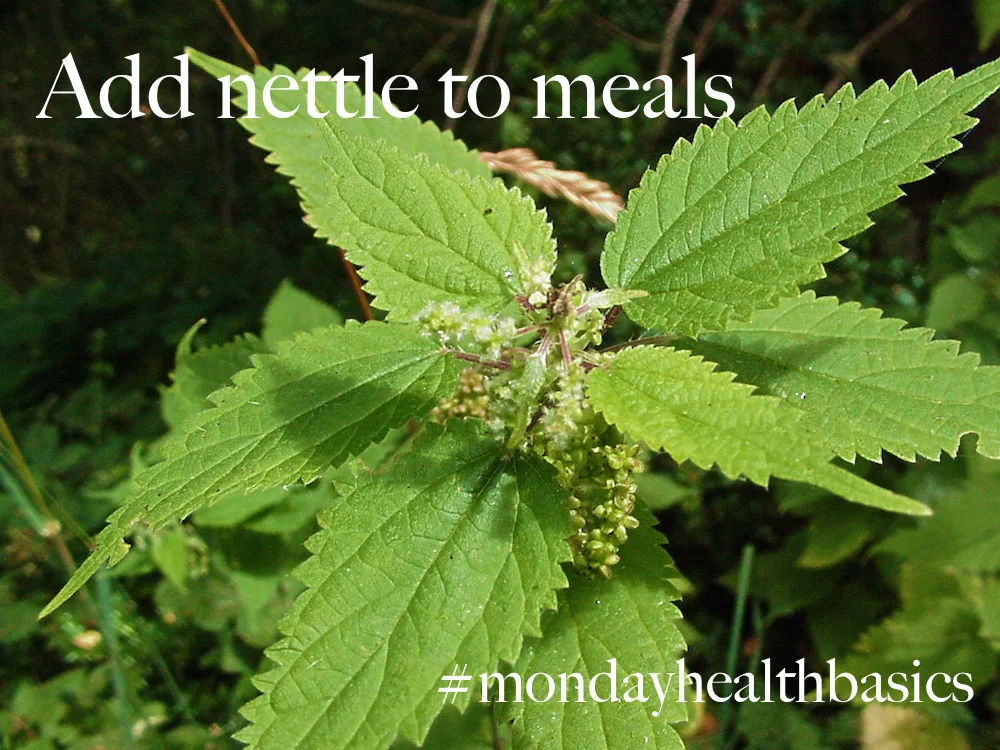
THURSDAY BASICS: Add Nettle to Meals
Welcome to Thursday. This week’s throwback blog arms you with an idea on how to get to Level 400 of Holistic Nutrition: add in the nettle. For the love of all body parts + systems, won’t you?
Click on the image for a full exploration of why + how to introduce nettle into mealtimes.
#tbt day here at #goodfoodHQ, as we look back on the #mondaybasics series of 2016.
Today’s post is kinda Holistic Nutrition Level 400. Wanting to up that nutritional ante on a day to day basis, adding in something that will benefit all your body parts?
ADD THE NETTLE.
COLES’ NOTES:
This is about increasing the minerals in your day to day.
It’s also about harnessing the power of Ma Nature - this stuff grows everywhere + is wildly prolific! Talk about loving us up.
Read on for tips on how to use it, where to find it, and why you may want to!
This is one of those fundamental changes that will slowly and irrefutably support increasing your digestive fire, reduce inflammation, support immune function and love you up from the guts on out.
Kick chronic disease to the curb, friend! Tell that histamine that YOU are boss! Nettle it up.
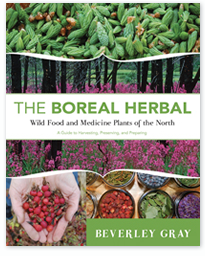
My week got off to a roaring start with a thoughtful gift from one of my sisters, a book from boreal herbalist wunderkind Beverley Gray called The Boreal Herbal: Wild Food and Medicine Plants of the North – a Guide to Harvesting, Preserving and Preparing.
Oh the joy. Oh the possibilities! (I am so lucky to have two awesome sisters. I love them so!)
See, I am a forager at heart and as I dig a bit deeper into our family's history, I realize I come by this quite honestly. My paternal grandmother was quite the herb gatherer; and the grandmothers that came before me and her, they always worked foods from the wild into their meals, cups of tea or in the every day.
This book has been on my radar for years since a good friend shared the knowledge within. But leafing through this new tome to my collection last night got me dreaming of things I want to uncover in places near by.
As the book cover suggests, “(this) is an indispensable guide to identifying and using northern plants for food and medicine.” In this book you will find profiles of plants, berries, herbs and trees that will help you identify them in the wild.
These profiles will help you figure out how and when to gather and preserve these goodies, with safety tips. You'll find lots of recipes and how-tos with detailed information on how best to gather these medicinal foods and make the most of the plants growing wild in the recesses of your back yard to the more remote spots found in nearby wilder areas.
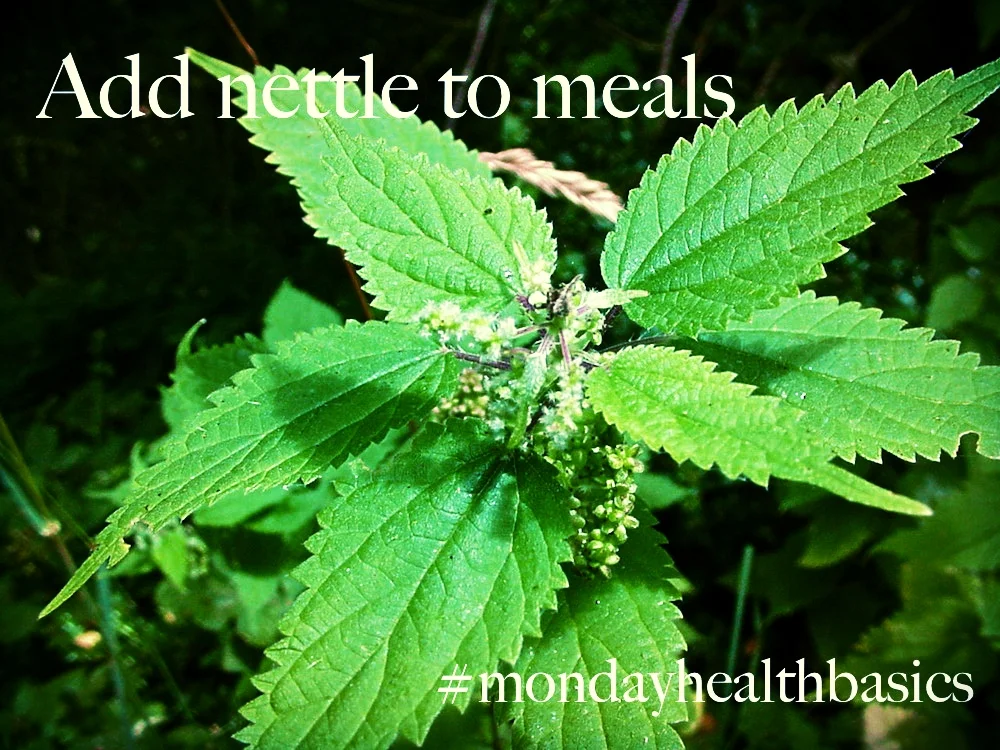
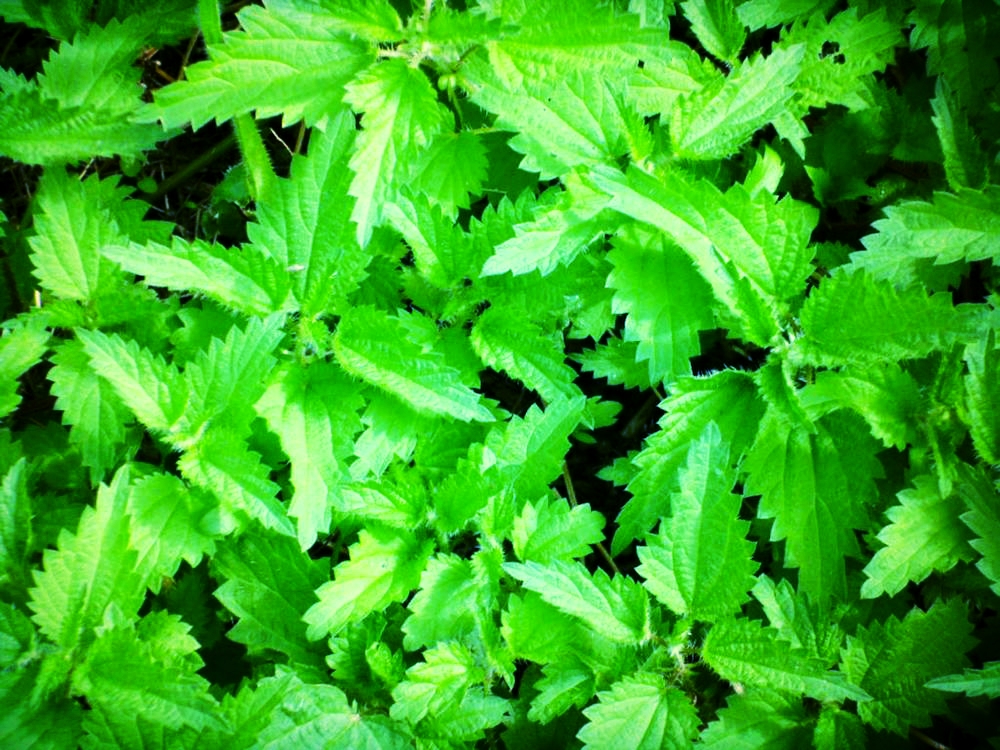
Leafing through the book last night, I zoned in on the Stinging Nettle, or Urtica dioica. Yes yes yes, the same plant that gives you the very intense zing-like needling you would experience were you to chance upon a patch without knowing it. (Found that out time and again while exploring the English and Irish countryside a few years back!)
This perennial plant runs wild in almost every nook and cranny of this planet where there are wetter areas or where the soil has been disturbed. It loves rich damp soil. And when spring seems to be just around the corner, it will be one of the first wild plants that will pop up for early harvesting. But don’t think you need to be a harvester to get in on this nourishing action!
I love nettle for so many reasons: it grows wild and can be found quite easily if you know where to look and what to look for.
It's a super green, providing a rich source of iron (we need for energy and oxygen transport in our bodies) and silica (a mineral necessary for our body's structural force so think strong bones, nails, skin and hair).
It's a power house of vitamins and nutrients, a good source of vitamin K, magnesium, chlorophyll, vitamins A and C too. My favourite thing in nettle is the high calcium content: 1 cup will supply your body with roughly 40% of this important mineral for the day! All of this to say that nettle is a food that will promote the good health of bones and teeth, my friend. And these things we need strong for this world, yes?
The Boreal Herbal book explores the folklore behind this nutrient-dense herb, stating it is a blood purifier. It's purported to help your kidneys and liver. There are new studies looking into the efficacy of this herb in the treatment of BPH (benign prostatic hyperplasia), a non-cancerous growth of the prostate gland. So fellas, this one is for you too!
This herb is a fabulous anti-histamine herb, and as such would be of tremendous support for anyone dealing with allergies or the kinds of reactions we would associate with hayfever like itchy watery eyes.
HELP NOURISH TO COMBAT CHRONIC INFLAMMATION
My favourite superpower of nettle: the leaves have also been shown to help combat inflammation. This translates that those who struggle with arthritis or gout, eczema or psoriasis, cardiovascular disease, Type II Diabetes, any of the degenerative nervous system diagnoses or mood related diseases, truly any chronic disease of any kind (including autoimmune!) would do well to add to their daily regimen.
Nettle has a diuretic effect as well, so if you are someone who tends to retain water, this would be a good herb to add to your arsenal. Love your kidneys and lymph up, my friend.
Some companies have added it to their hair care products in order to help control dandruff. There are even manufacturers out there who have figured out how to utilize the fibres of the plant to produce textile. Fabric! All because of how easily and prolifically it grows. (Some folks call this a weed. A weed to you is a herbal delight to me.)
WHERE TO FIND THE GOODS
Now not everyone is up for hiking through dense marshy areas in search for this perennial herb. And fair enough. (I am not a super experienced forager, so I will forego sharing any tips or ideas on how or where to find nettle. I don't want to send you in the wrong direction or fail to give you the full and complete information you would need to ensure the plant you have in your hand is indeed the nettle plant. Plus, I don't want you to get hurt. BUY THE BOOK. It's about all I can say.)
So where would one find this amazing herb then, you ask, should one prefer to go the surer route? There are quite a few favourite local haunts where I have seen them on the shelves, or where I have purchased bags of the good stuff. Make sure to check your local favourite health food stores like Amaranth, Community or Blush Lane. You can also pick some up at The Light Cellar next time you're in Bowness.

Dry nettle leaves
HOW TO CONSUME THE GOODS
I'd forego trying the stuff raw. Imagine it stings you. While you're chewing. I'm just not that much into extreme food sports, you know? I mean they're called stinging nettles for a reason: there are hairs on the plant's stems and leaves that, when they come into contact with your skin, well they STING! And that feeling is just not pleasant.
But once you cook them, that stinging property disappears and you are left with a wonderfully dense, nourishing green that will provide your body with the good food. One of the easiest ways to consume the benefits of this herb is to steep it in a tea. Just toss the lot in with some water, and simmer for a short time if you prefer a weaker tea, or go ahead and let it simmer for longer for a deeper greener taste. I myself like to throw it in with other herbs in my thermos for the day's tea, depending on what I have in my pantry or what organ I want to support at that time. Nettle is always in the mix, every single day.
If you go digging around the internets, you'll find some wonderful recipes like this Potato, Golden Beet and Nettle Soup that sounds scrumptious. The good folks at The Kitchn have compiled a comprehensive list of recipes for clever ways to consume nettle in things like pestos, pastas, pies and pizzas here. You'll also find a wonderful compendium of recipes featuring this herb at a website solely dedicated to the health properties of Nettle.
I'm not so calculated, I tend to cook from the hip. I throw a handful of dried nettles in lots of things from meatballs to soups and stocks; I've been known to throw some in with the ground beef or bison I'm cooking for a taco salad or add it in to spaghetti sauce or a chili. Anywhere you want a little more green, my friend. It's as easy as that. Toss it in with your morning egg scramble; add it to the shredded sweet potato pancakes you have on tap for dinner tonight; simmer them a bit in a cup of meat stock for snack time; add it to your herbal profile when making a bouillon salt; add it to the greens you're cooking up for a yummy Palak Paneer; throw it in with the vegetables in your next ferment.
Whatever you do my friend, you best
GO PLAY WITH YOUR FOOD.
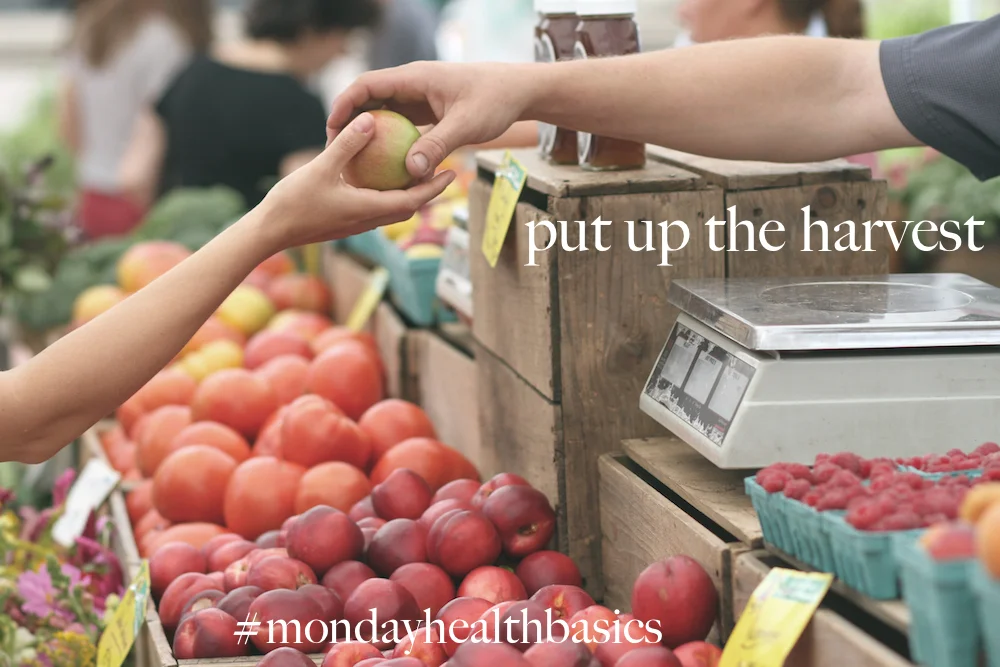
THURSDAY BASICS: put up the harvest.
It's that time of the year, my dear. It's the time when the price of produce is at its best, and local or BC-grown produce is within reach! The blog post today is meant to inspire you to take full advantage of Mother Nature's bounty and gifts, and to celebrate this most wonderful time of the year. Friends, it's time to put up the harvest.
Click on the image for a full exploration on the topic.
Another Thursday, another throwback! Let’s take a peek at one of the old #mondaybasics series of 2016.
It’s that time of year, the time where everything is coming up in the garden, all the produce is available at the local farmers’ markets, and crate sales are popping up. It’s time to put up the bounty, dear one. But don’t fret - you don’t have to do it all day every day. Read on for some ideas.
PUTTING UP THE HARVEST.
COLES’ NOTES:
1. Do small batches, one thing at a time. Start small. Build from there.
2. Local fruits + vegs at their peak means they are also at their most nutrient dense!
3. Great tips for freezing, drying, canning, fermenting and cooking the bounty.
Read up to get some ideas brewing on ways to bottle up this summertime heat + bounty for those brisker climes a-comin.
It's that time of the year, my dear. The time where the apples will soon start to fall from the tree, where the abundance in your garden is gaining speed and you just can't keep up. It's the time when the price of produce is at its best, and local or BC-grown produce is within reach!
The blog post today is meant to inspire you to take full advantage of Mother Nature's bounty and gifts, and to celebrate this most wonderful time of the year.
Friends, it's time to put up the harvest. (In small batches. Do-able things. Easy things. Delicious things. One good thing at a time. Your future-winter-self will thank you.)
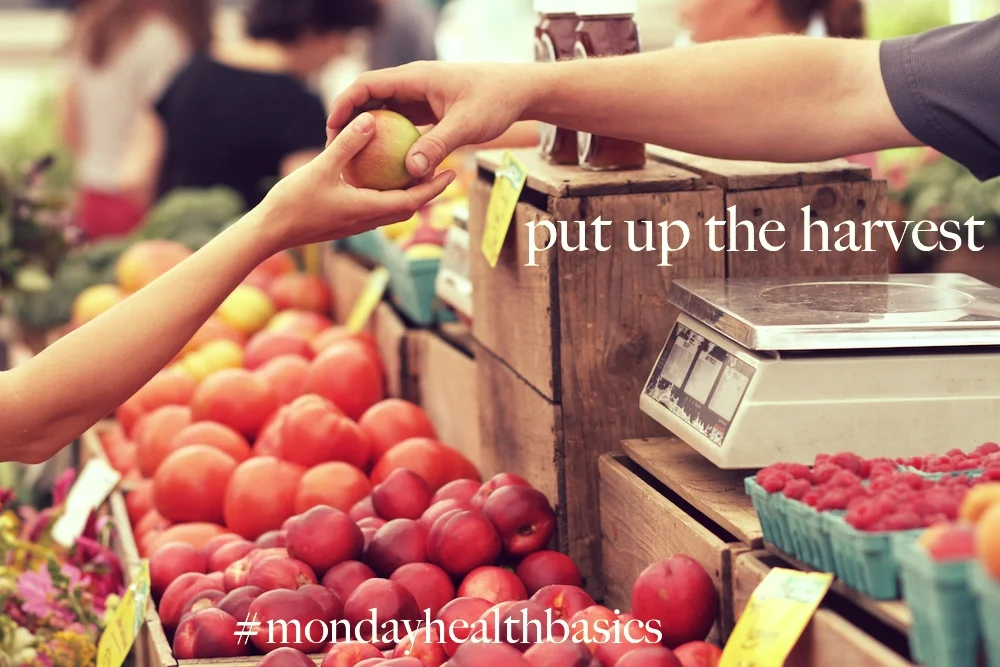
It seems the harvest this year has started a bit later than usual in these here prairie/foothill parts. I for one am thankful for it all, the rain, the sun, the intense heat coming our way these last few weeks. Bring it!
I took advantage of a friend's invitation yesterday and gathered quite a few handfuls of mint from her garden in order to let them hang to dry already. I suspect my winter-tea-loving-days will be cozy and fragrant, and will remind me that heat really does happen in this part of the country, that summer was not just a figment of my imagination.
This time of year is really kind of like Christmas for me. I feel like there are gifts EVERYWHERE, and there is reason to celebrate at every corner. Taking a jaunt down to my favourite markets, ogling the non-stop growth in my little patch out back (if Ma Nature doesn’t mind turning down the hailing!), stopping by the roadside fruit stands while driving through the Okanagan, it really seems to be a celebration of our riches.
It is at this time every year for the last seventeen or so years that I have been prioritizing and making time to do a little something every day or two, in order to bottle this summer goodness for the hibernation days in the (very far) future. The price is right, the local produce is picked at its ripest peak, and the flavours seem to be the most concentrated out of any fruit or vegetable you've ever purchased.
Incidentally, that super concentrated rich flavour means the fruit/veg you hold in your hand is also at its most nutrient-dense-ness.
You just won the food lottery, friend.
Today I want to send you to a few spots in this harvesting round-up. This blog post is meant to inspire you to choose a few projects to prepare, in order that your freezer, pantry or cold storage is filled up with the earth's summer treasures. The time is right, you may have some free weekend hours, the price is certainly right and cheapest it will be all year; I sense a bit of preserving in your very near future.
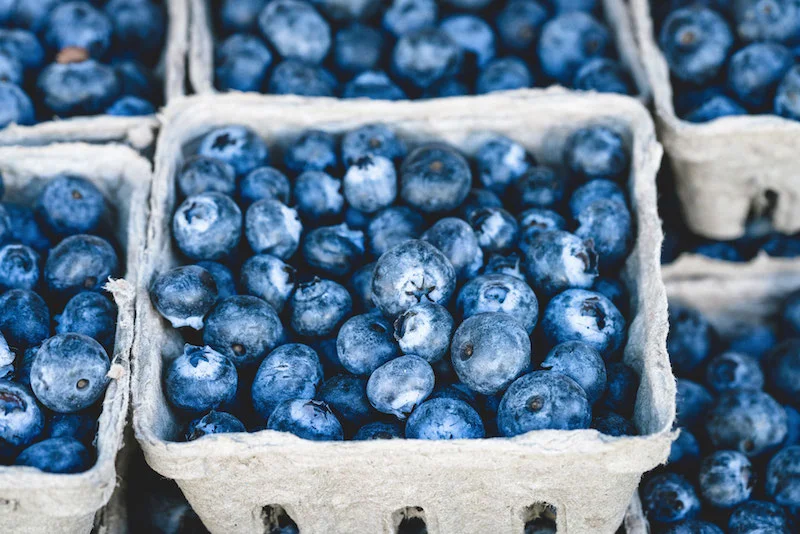
Buy the whole flat. You won't be sorry.
This time back in August of 2015, I started in on a month of blog posts centering on the theme of harvesting. I spent some time every weekday of the month of August preparing some kind of harvested item and posting about it to my blog by the end of day. I am still reaping the benefits of those sessions that have inspired many, in fact using up dried hail-damaged greens and snipping dehydrated sliced tomatoes in to my dinner this evening.
Here's a bit of a spiel about the whole thing on day 1 of my quest August ‘15:
Why preserve the harvest, you ask? I know what you're thinking: but Luka, there's always fresh stuff at the grocery store, year-round! I thought it was best to eat fresh in order to get the best nutrients!
Well for one, the stuff I'm going to be preserving is goodies grown either in my back yard or close to home. My reason for this is that these veggies and fruit have been picked just as they are ripe; there is no need to pick them two weeks or more before they are ready in order to do that job on the truck on the way to being shipped to me in Calgary. By picking at the ripest point in time from the vine, this ensures that all nutrients can develop right there on the vine as Mother Nature intended.
Did you know that Vitamin C is one of the last nutrients to develop in a tomato on the vine? (It can’t develop that vitamin C unless it’s alive and connected to the ground.) Why not pick at peak times then! And actually eat from my own back yard.
And support a local farmer. I'd rather keep my dollars in my community than send it to someone who runs a big multi-corporation in another country, thanks very much. That way, those community dollars may also stay in my community, making it a better place to be. And really keeping the local local, if you're picking up what I'm putting down. (So many influences my parents have had on my life! So very grateful!)
I talked about dehydrating (with and without a dehydrator), freezing, saucing, preserving, fermenting, drying, canning as ways to keep that summer bounty going strong in the winter months. Once the month wrapped up, I put together a compendium in order to find the recipes that interest you a bit more easily.
Find that compendium here.
You'll find dehydrated tomatoes, freezing fruit, saving pock-marked greens, drying herbs, a few fermenting projects, a canning session with my sister, easy ways to save those extra herbs. I also included a few new-to-me projects like storing garlic in honey and making my own flavoured vinegars, still one of my favourite tricks I learned that year. And seeing as I'm a tomato hound, head to the compendium to find my recipe for easy freezable pizza sauce. (Did I mention that I tend to buy 120 pounds of the stuff?)
I found a few other neat ideas you may find inspiring.
Here's a write up on how to harvest herbs, with some great tips
Why not tuck extra fruit/berries/herbs/greens in individual plastic bags in your freezer for easy smoothies?
Forage in the wilds near your house, by the river, in the gulley, and tuck that goodness in to fermented beverages or dry for tea
You could also do like my mom does, pick berries in the wild and make pies without baking them, and stashing in the freezer for instant mid-winter pick-me-ups. (Fond memories of these pies. Magic.)
If you are out foraging in the wild, be sure to leave some in the ground still growing for the animals and for the plant to continue to thrive, so that you can come back next year and so others can harvest too!
I have a few more ideas tucked under my 'harvesting' board on Pinterest
I'd love to hear how you are going about this yourself, there are so many tricks to learn as we navigate how best to feed our families. I'm all about health, to be sure, but I'm also about making this a do-able task. Try a few here and let me know how you make out! Don't be shy, comment on this article with ways you are saving up the harvest.
Now go play with your food, willya?
THURSDAY BASICS: buy frozen fruit + veg
Concerned about nutrient density? Want more bang for your food bucks? Frugal with your time? Buy frozen fruit and veg. Allow me to explain.
2019 is the year to implement ONE GOOD THING AT A TIME. And only one thing.
Every Thursday here, we dive in to a new concept (rather, a revisit of a series first published in 2016). This one is a perfect one for these wintry times - it makes lots of sense seeing that we are months away from anything fresh and local. (Plenty of local goodies - the root crops, pastured meats, animal fats, pastured organ meats).
When opting to purchase fruit or veg at the store, might I recommend this week you consider getting frozen ones. Read on for a full exploration on the why here.
COLES NOTES
1. Produce was frozen close to where it was grown, and thus was allowed to develop until ripened on the vine. Nutrient density is higher in these items.
2. They’re easier on the pocketbook right now compared to their fresh alternatives, not to mention WAAAAAAY tastier.
3. Much less waste! And no guilt at having to use up wilting produce in your crisper.
That seems like it might have been five points and not three, but you get my drift. Get on it, and go play with your (frozen) food, wouldya?
Concerned about nutrient density? Want more bang for your food bucks? Frugal with your time? Buy frozen fruit and veg. Allow me to explain.
I love the good foods. I also love any sanity I can etch into my days. Reaching for frozen fruit and veg, especially as winter is now upon us, is something I do on a regular basis. I have lots of reasons why, but chief among them? It's about making supper an easier and more attainable task on those weeknights I'd rather be doing something else. I rely on frozen produce in the spirit of KEEPING IT REAL.
Ah, but see? It works in my favour here. As we are deep into the throes of King Winter now in Alberta, the fresh stuff I ogle at grocery stores at this time of year are coming from so many kilometres away from my home. The green beans at the store? They're from Argentina. (It's perfect green-bean growing weather in Argentina right now. Alberta? Not so much. Western Canada? Those warm summer days left us months ago.) My daughter adores fresh raspberries – as much as I'd love to, I just can't buy them fresh at the stores right now. First of all, the price for fresh organic raspberries is through the roof. Second of all, they were picked long before they got to me, meaning they were allowed to ripen in the truck on the way to my neighbourhood grocery store. In order to still look good by the time those berries reach my store, they have to be picked long before they're even ripe. These berries have to ripen in transit!
Not to mention, have you tasted berries when they aren't in season? They're not even remotely close to the real thing. It really takes away from the experience and just isn't worth it, in my humble opinion.
Enter: the frozen berries and veggies.
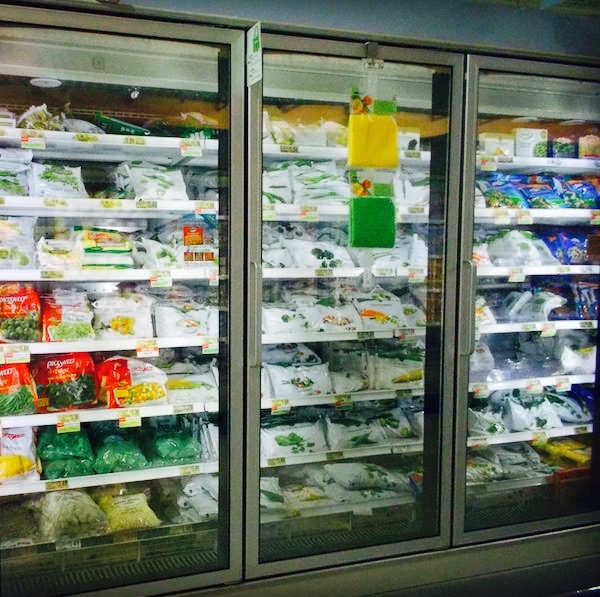
REASONS I LOVE FROZEN PRODUCE
They're an easy alternative on busy nights – time is saved with pre-chopped and already-prepped veggies. Some of the hard-to-peel veggies have that work already done for you. Think of it as having your own sous-chef. (Good work.)
I also love them as they tend to be budget friendly. Next time you're at the grocery store, compare the cost of a full head of fresh broccoli with the cost of a bag of frozen broccoli. As we are on a budget here at our house, I have found I am able to afford a bag of the frozen organic veggie for the same cost as the conventional broccoli found in the fresh veggie aisle. (I refer to this list when trying to make my choices as to whether I should be purchasing organic or not. Check it out if you're curious as to why you may want to choose organic. (Psst... it has to do with reducing inflammation via liver support.))
Using frozen vegetables in my meal prep also means I only need to pull out what I need for the meal in question, leaving the rest of the package for another day. I don't leave half a head of broccoli to wilt in my crisper drawer for the next two weeks.
Eating foods in this way allows me to retain more nutrients as well: the wilting broccoli in the crisper drawer is losing important nutrients the longer is sits in the drawer. A vegetable's nutrient density degrades over time fairly quickly when stored in the fridge; the rate of nutrient loss in the freezer is infinitely slower, allowing you to retain the rest of the frozen broccoli until your next recipe, when the content of antioxidants will be just about the same as when you first used it. Double bonus: you tend to waste less. I have thrown out my fair share of wilted forgotten half-vegetables that hung out for too long in my veggie drawer.
I recommend you choose packaged frozen veg, fruit and berries that list one ingredient on the label (or just the veggies or berries or fruit in the mix). Freezing a vegetable or fruit is the preservation method: you don't need any added salt or sugar or other chemical in order to preserve it! Single-ingredient lists are a must here. Skip those packages that come with prepared sauces alongside. No sauces, no syrup, no cheese, no added sugars nor salt are needed here. Just the naked veg. Or berry. Or fruit.
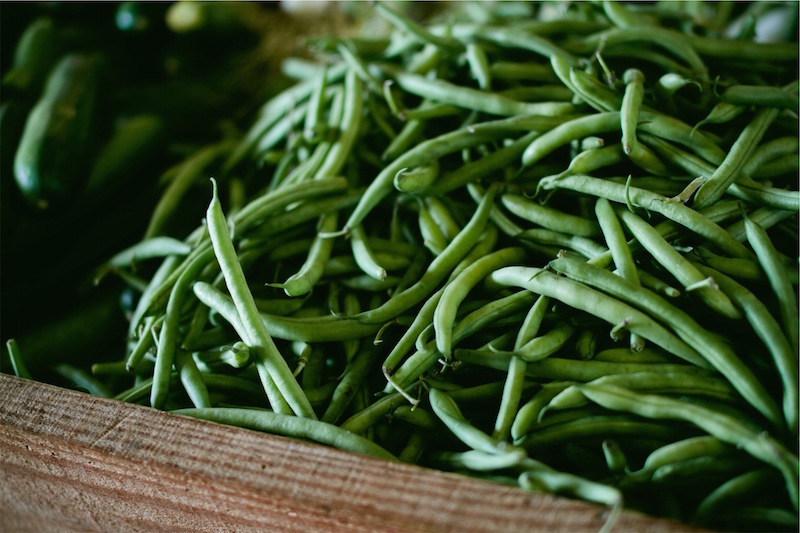
My favourite point about all of this is that when it comes to frozen produce, in general it is packaged close to where it is grown. This then means that the produce is allowed to ripen fully on the vine before it is harvested for freezing. When a fruit or veg is allowed to come to peak freshness on the vine, not only does it taste better, but it also retains a fuller complement of vitamins and minerals. Did you know that Vitamin C is one of the last vitamins to develop in a fruit on the vine?
Those veggies coming my way from another hemisphere have been picked long before they were ripe, with the intention to have them artificially ripen in the transport vehicle on their way to my local grocery store. Vitamin C does not magically show up on its own. The fruit or veg needs to still be alive and connected to the plant and the soil in order to develop this nutrient. Ergo, my frozen supermarket finds are higher in nutrient content than the fresh-from-afar foods in the produce aisle when it comes to the winter months.
The processing for these frozen foods involving a quick blanching on site in order to kill any potentially harmful bacteria that may cause the foods to spoil when in their frozen state; this minimal method of processing (a quick dip in boiling water) locks in nutrition and freshness. There is an amount of water soluble vitamins like the Bs and Cs that can be lost in this processing, but the amount left in the end in frozen produce is higher than that found in the produce that was sent from the other side of the world, never mind the extra time those veggies will wallow in your fridge drawer.
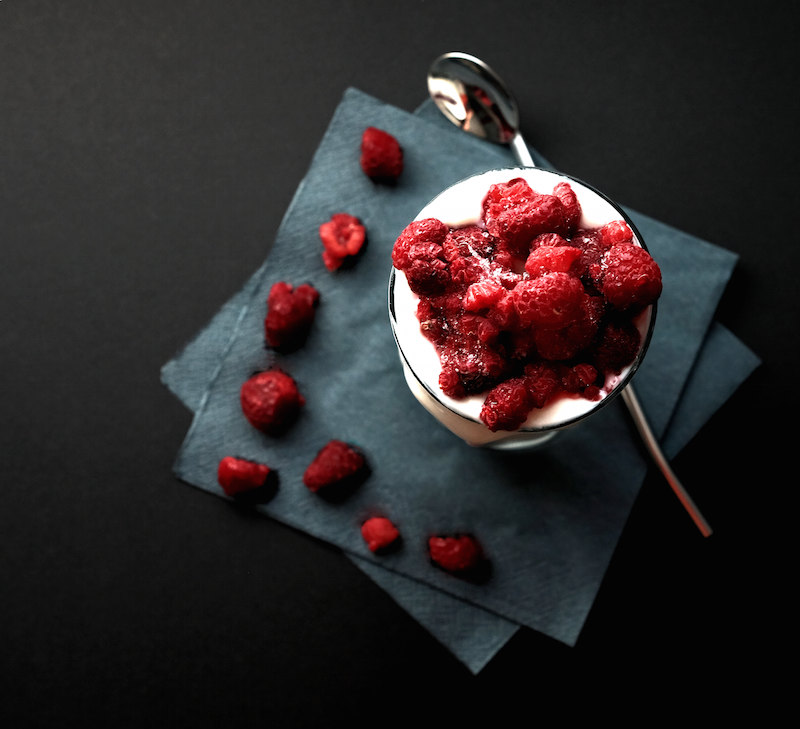
IDEAS ON USING FROZEN PRODUCE – MADE EASY
allow to meld berries with a bit of honey and butter in a pan, and add creme fraiche
berries in to yogurt for a quick snack in lunch boxes (bonus - keeps the lunch cool!)
toss frozen veggie mix with pesto, roast in a 375F oven for 25-30 minutes
make palak paneer out of greens
start with bacon in the pan, add some greens or other veggies til cooked through
make miso creamed greens by wilting frozen greens in butter, adding cream or creme fraiche and a tbsp or two of miso paste
simple steamed or boiled veg (peas, green beans, etc) and butter
peas and pancetta (cook pancetta first, toss in peas towards end of cooking)
asparagus roasted with lemon + butter at 375F for 25-30 minutes
lima beans + bacon (geez, really, any vegetable and bacon!)
package of pre-cut veggie mix as base for a quick side saute with dinner (with garlic, sesame oil, sesame seeds)
got leftover grains from last night? Stir-fry in with some garlic and new frozen veggies, perfect side dish
add frozen spinach to soups and stews for more Bs and important antioxidants
toss cubed frozen butternut squash with butter and cinnamon and a touch of maple syrup at 375F for 30-40 minutes
roast broccoli from frozen with chili peppers, solid (melted) cooking fat and a squeeze of lemon at 375F for 25-30 minutes
roast broccoli with parmesan cheese and lemon juice at 375F for 25-30 minutes
roast cauliflower from frozen, tossed in melted coconut oil and nigella seeds (aka kalonji seeds) at 375F for 20-30 minutes
roast brussels sprouts with diced bacon, add cranberries to the mix for sweetness (375F for 45 minutes)
toss frozen carrots with melted butter, honey and fresh or dry dill, roast at 375F for 25-30 minutes
Easy supper: defrost some meat stock, toss in a few tablespoons of pesto, enough frozen mixed veg for those who are eating, heat to simmer. Put a bamboo steamer on top, line with parchment paper, steam some fillets of sole (topped with squeeze of lemon juice and pepper) until cooked through. Throw all together.
Now go play with your (frozen) food!
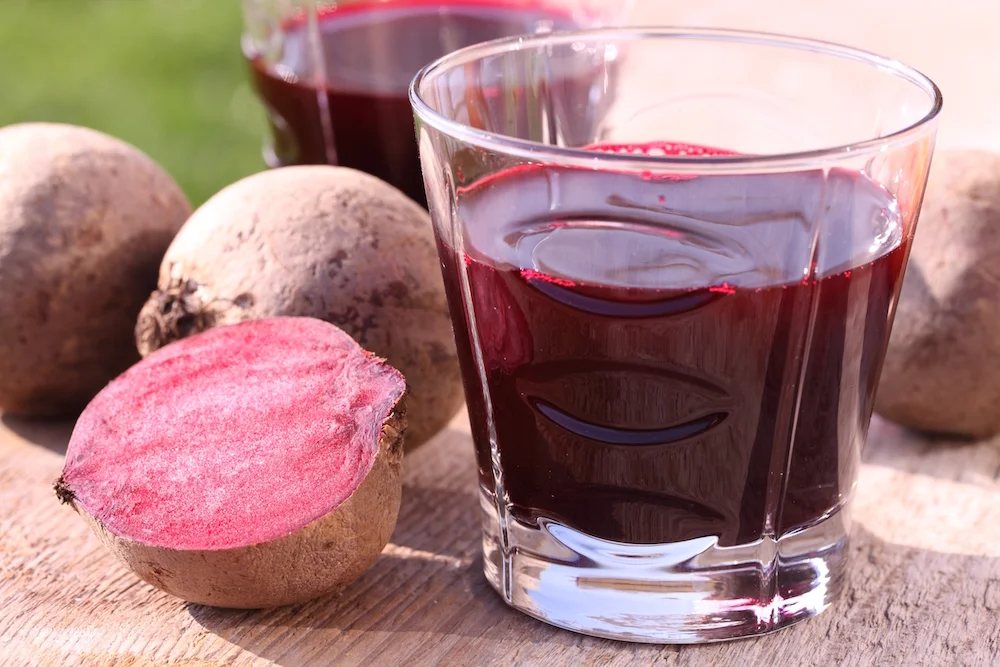
Customize your own Beet Kvass Brew
This past weekend, I had the good fortune of participating in our city’s first Fermentation Festival. What a brilliant way to spend a weekend day, hanging out with fellow Gut Geeks to talk nerdy about the microbiome. It really felt like a celebration of all things I love - culture, community and the power of good food.
This blog post delves into ways to customize your own Beet Kvass Brew and targeting specific organs or health concerns you may have on the go. Click on the image for the full run down of ideas and inspiration.
This past weekend, I had the good fortune of participating in our city’s first Fermentation Festival. What a brilliant way to spend a weekend day, hanging out with fellow Gut Geeks to talk nerdy about the microbiome. It really felt like a celebration of all things I love - culture, community and the power of good food.
I caught a very enlivening and inspiring workshop from Mike Doiron at Living Soil Solutions, talking about the microbiome of the soil, and its role in our overall health. The soil is really the earth’s gut it would seem; the bugs its microbiome. I highly recommend catching Mike at a talk somewhere down the line to help invigorate your comprehension of the power of good soil, and how that has the potential to mitigate carbon emissions, foster better agricultural practices, inherently ending in better health for the soil, the earth, better mineral and micronutrient profiles in the foods we grow. This can only lead to optimal health for all - the earth, the people and the community!
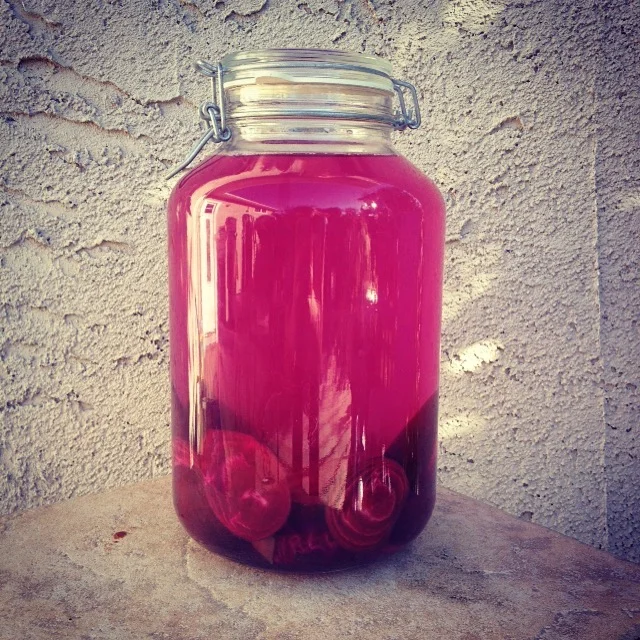
I had the good fortune to kick off the day in the Microbiome Room, diving in to the beauty and health benefits of the ever brilliant Beet Kvass. Many thanks to those who came to hang out and talk about the importance of looking after the microbiome via the good brew. We dove in to the science of the microbiome, its role in our body’s overall health and wellness. We also talked about how to GO SLOW if you are new to fermenting, and what signs to look for if your body is asking you to go even slower.
If you are new to making Beet Kvass, I will point you to this blog post: it features a recipe and video to walk you through how to make your own brew at home. Couldn’t be easier!
I took the chance at this class to jump into one of my tenets - PLAY WITH YOUR FOOD. My hope in putting together this hour on Beet Kvass was to inspire you to come up with your own combinations of extra flavours to add in to the mix. The idea here was to help you choose roots, shoots, herbs + flavours to reach for to help support you with your own specific health goals in mind.
To that effect, I had a request to post on the blog a roundup of ideas and ingredients one could add in order to build flavours according to certain health concerns.
Know this:
Chasing Flavour will always serve you well.
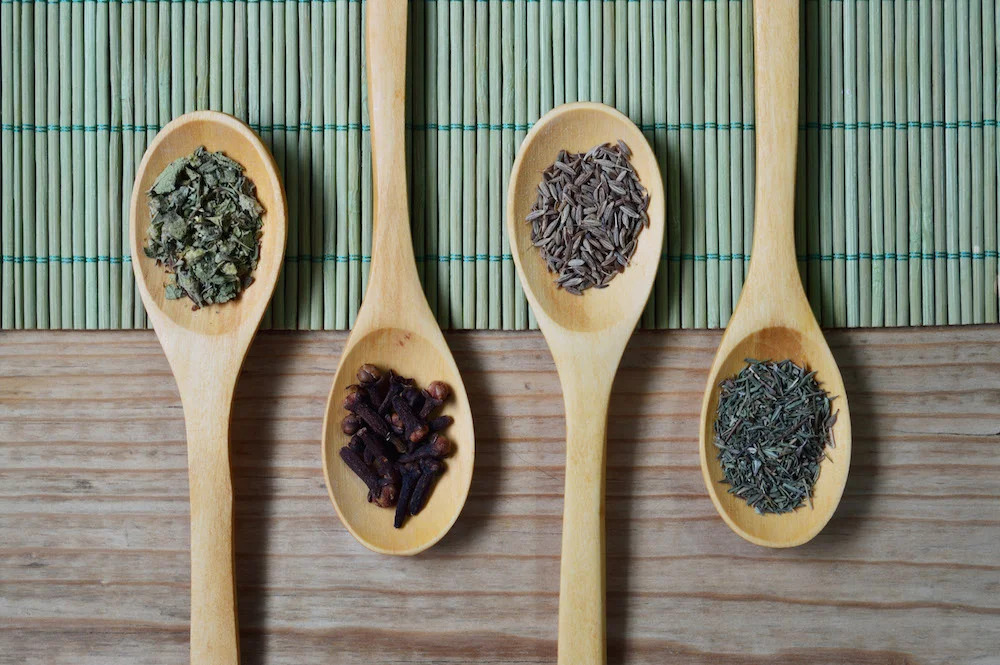
SPICES
dried spices like cinnamon, cloves, cardamom pods, nutmeg, star anise
flavours like fennel, fenugreek, caraway, cumin, coriander seeds, peppercorns
dried herbs like dill, tarragon, sage, thyme, dill seed, nettle, etc.
fresh herbs like dill, parsley, lovage, nettle, rosemary, etc.
ROOTS
dried roots like dandelion, burdock, nettle root, chicory
fresh roots like ginger, turmeric, galangal, lemongrass stalks
medicinal roots like astragalus, rehmannia root, eleuthero
FRUIT
make sure they are unsulphured or organic
dried like goji berries, raisins, cranberries, dates, figs, barberries
superfood dried fruit like elderberries, shizandra berries, jujube dates
dried lemon or orange peel
fresh fruit like any berries, pomegranate arils, slices of citrus fruit
fresh or dried foraged berries like rose hips, silver buffalo berries, saskatoons, sea buckthorn berries, hawthorn berries
VEGETABLES
garlic, green onions, chives
onions, horseradish root (horseradish leaves work well too!)
veggie remnants like cabbage wedges, radish peels
dried veggies like hot peppers, chipotle peppers
HERBS + FLOWERS
think loose leaf tea ingredients
labrador tea leaves, nettle, holy basil, raspberry leaf, rooibos
foraged goodies like spruce tips, pine pollen
flower petals like rose, borage, red clover, heather, calendula petals, chamomile, hibiscus
MEDICINAL MUSHROOMS + SUPERFOODS
always add a piece of seaweed to each batch (kelp, kombu, dulse, wakame, etc.)
reishi slices, chaga, cordyceps, maitake, lion's mane
shiitake mushrooms (dried)
astragalus roots, rehmannia root
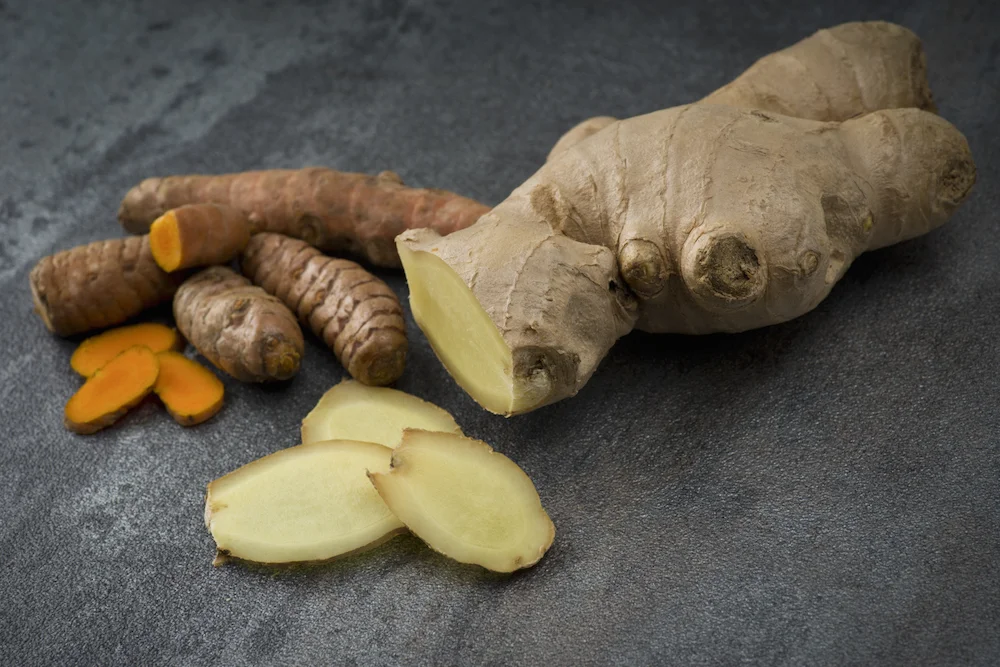
COMBINATION AND FLAVOUR IDEAS
I built a list of flavour combos targeting specific health concerns, and wanted to share these here. Use them as a jumping off point to brew your own combo!
Know that Beet Kvass always supports the liver and improves detox, helps reduce inflammation, improves digestion, loves up the microbiome and takes care of the heart. Beet Kvass has been shown to bust gallstones, kidney stones, dissovle uric acid to help reduce gout flare ups. So really, a basic brew of beets + salt + time is a great place to start. Anything else on top of that is just bonus.
Build from there! Use what you have on hand to start with, and build your pantry slowly over time. And know that a shot glass is what you're working up to, before meals. TAKE YOUR TIME.
IDEAS
IMPROVE DIGESTION: fennel / fenugreek / caraway (strong flavours to wake up the digestive fire)
REDUCE INFLAMMATION: chamomile + turmeric + ginger + medicinal mushroom
GUT HEALTH: cabbage wedge + calendula + fresh dill
DETOX SUPPORT: burdock or dandelion root + goji or jujube dates
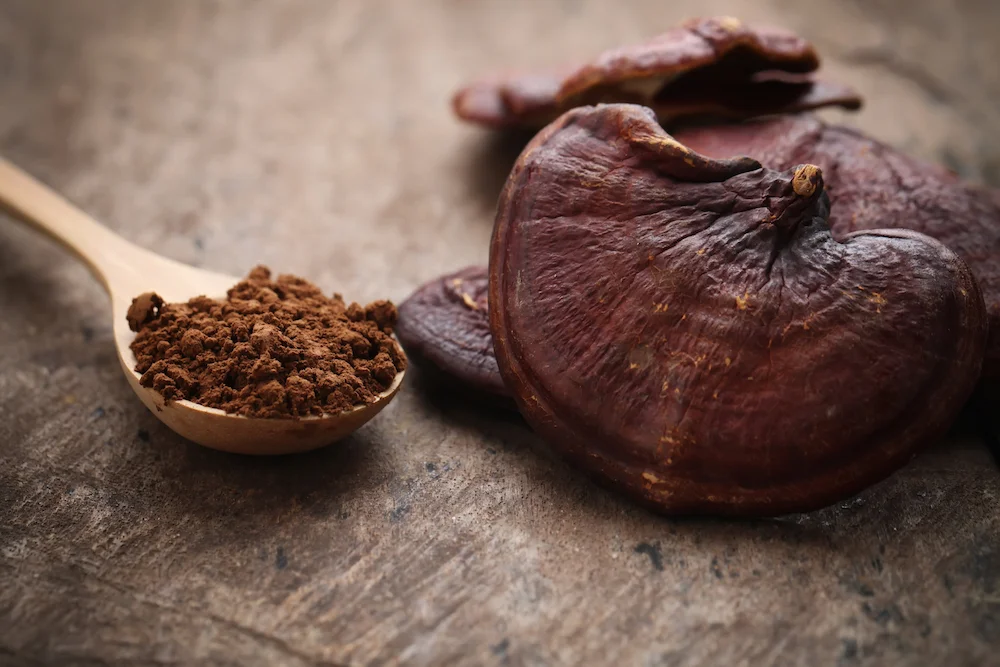
BONES + CONNECTIVE TISSUE: chaga + ginger + nettle
BRAIN + NERVOUS SYSTEM: lion's mane + turmeric root + rosemary
HEART: garlic + goji berries + hawthorn berries + hot pepper
GALLBLADDER: chaga + dried lemon peel + rose hips
LIVER: garlic + ginger + turmeric root + mustard seed; caraway + fennel; cardamom + clove + burdock
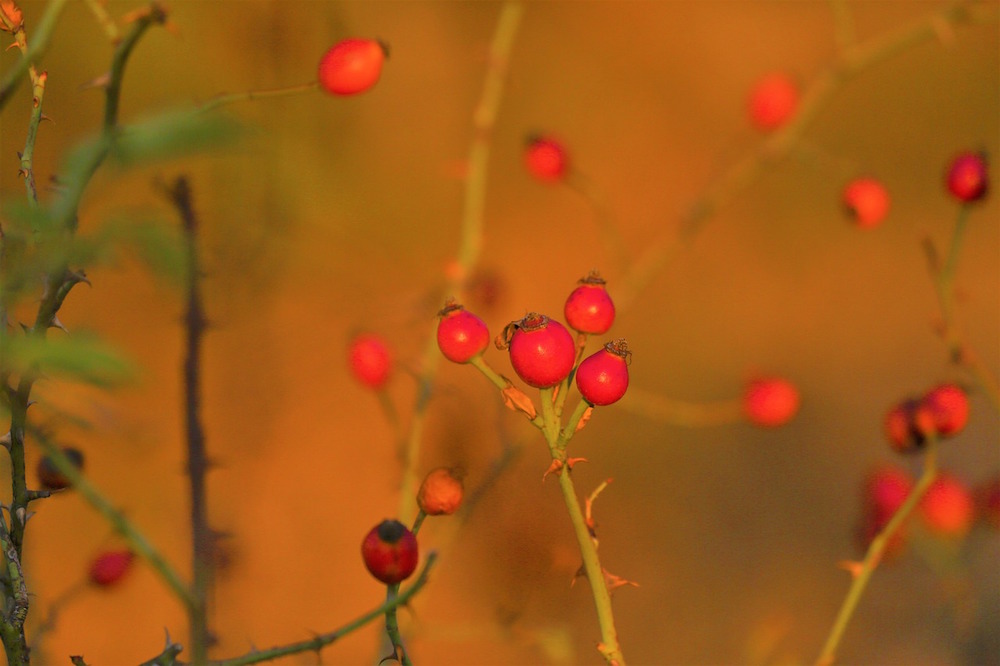
KIDNEYS: heather flower + dried cranberries + hibiscus
ADRENALS: rehammnia root + dried fig + fennel
THYROID: cordyceps + eleuthero root; chicory root + ginger
SKIN: shizandra berries + rose hips + fennel
IMMUNITY: astragalus root + elderberries
LYMPH: calendula petals + red clover + burdock root
BALANCE HORMONES: nigella or kalonji seeds + red clover
BALANCE BLOOD SUGARS: maitake mushrooms + true cinnamon + spruce tips
HEALTHY PREGNANCY: ginger + raspberry leaf + rooibos + rose hips
SLEEP: chamomile + nutmeg + dried cherries
Remember to Chase Flavour. What kind of brew will you make?

MONDAY BASICS: buy frozen fruit + veg
Concerned about nutrient density? Want more bang for your food bucks? Frugal with your time? Buy frozen fruit and veg. Allow me to explain.
Concerned about nutrient density? Want more bang for your food bucks? Frugal with your time? Buy frozen fruit and veg. Allow me to explain.
I love the good foods. I also love any sanity I can etch into my days. Reaching for frozen fruit and veg, especially as winter is now upon us, is something I do on a regular basis. I have lots of reasons why, but chief among them? It's about making supper an easier and more attainable task on those weeknights I'd rather be doing something else. I rely on frozen produce in the spirit of KEEPING IT REAL.
Ah, but see? It works in my favour here. As we are deep into the throes of King Winter now in Alberta, the fresh stuff I ogle at grocery stores at this time of year are coming from so many kilometres away from my home. The green beans at the store? They're from Argentina. (It's perfect green-bean growing weather in Argentina right now. Alberta? Not so much. Western Canada? Those warm summer days left us months ago.) My daughter adores fresh raspberries – as much as I'd love to, I just can't buy them fresh at the stores right now. First of all, the price for fresh organic raspberries is through the roof. Second of all, they were picked long before they got to me, meaning they were allowed to ripen in the truck on the way to my neighbourhood grocery store. In order to still look good by the time those berries reach my store, they have to be picked long before they're even ripe. These berries have to ripen in transit!
Not to mention, have you tasted berries when they aren't in season? They're not even remotely close to the real thing. It really takes away from the experience and just isn't worth it, in my humble opinion.
Enter: the frozen berries and veggies.
REASONS I LOVE FROZEN PRODUCE
They're an easy alternative on busy nights – time is saved with pre-chopped and already-prepped veggies. Some of the hard-to-peel veggies have that work already done for you. Think of it as having your own sous-chef. (Good work.)
I also love them as they tend to be budget friendly. Next time you're at the grocery store, compare the cost of a full head of fresh broccoli with the cost of a bag of frozen broccoli. As we are on a budget here at our house, I have found I am able to afford a bag of the frozen organic veggie for the same cost as the conventional broccoli found in the fresh veggie aisle. (I refer to this list when trying to make my choices as to whether I should be purchasing organic or not. Check it out if you're curious as to why you may want to choose organic. (Psst... it has to do with reducing inflammation via liver support.))
Using frozen vegetables in my meal prep also means I only need to pull out what I need for the meal in question, leaving the rest of the package for another day. I don't leave half a head of broccoli to wilt in my crisper drawer for the next two weeks.
Eating foods in this way allows me to retain more nutrients as well: the wilting broccoli in the crisper drawer is losing important nutrients the longer is sits in the drawer. A vegetable's nutrient density degrades over time fairly quickly when stored in the fridge; the rate of nutrient loss in the freezer is infinitely slower, allowing you to retain the rest of the frozen broccoli until your next recipe, when the content of antioxidants will be just about the same as when you first used it. Double bonus: you tend to waste less. I have thrown out my fair share of wilted forgotten half-vegetables that hung out for too long in my veggie drawer.
I recommend you choose packaged frozen veg, fruit and berries that list one ingredient on the label (or just the veggies or berries or fruit in the mix). Freezing a vegetable or fruit is the preservation method: you don't need any added salt or sugar or other chemical in order to preserve it! Single-ingredient lists are a must here. Skip those packages that come with prepared sauces alongside. No sauces, no syrup, no cheese, no added sugars nor salt are needed here. Just the naked veg. Or berry. Or fruit.
My favourite point about all of this is that when it comes to frozen produce, in general it is packaged close to where it is grown. This then means that the produce is allowed to ripen fully on the vine before it is harvested for freezing. When a fruit or veg is allowed to come to peak freshness on the vine, not only does it taste better, but it also retains a fuller complement of vitamins and minerals. Did you know that Vitamin C is one of the last vitamins to develop in a fruit on the vine?
Those veggies coming my way from another hemisphere have been picked long before they were ripe, with the intention to have them artificially ripen in the transport vehicle on their way to my local grocery store. Vitamin C does not magically show up on its own. The fruit or veg needs to still be alive and connected to the plant and the soil in order to develop this nutrient. Ergo, my frozen supermarket finds are higher in nutrient content than the fresh-from-afar foods in the produce aisle when it comes to the winter months.
The processing for these frozen foods involving a quick blanching on site in order to kill any potentially harmful bacteria that may cause the foods to spoil when in their frozen state; this minimal method of processing (a quick dip in boiling water) locks in nutrition and freshness. There is an amount of water soluble vitamins like the Bs and Cs that can be lost in this processing, but the amount left in the end in frozen produce is higher than that found in the produce that was sent from the other side of the world, never mind the extra time those veggies will wallow in your fridge drawer.
IDEAS ON USING FROZEN PRODUCE – MADE EASY
allow to meld berries with a bit of honey and butter in a pan, and add creme fraiche
berries in to yogurt for a quick snack in lunch boxes (bonus - keeps the lunch cool!)
toss frozen veggie mix with pesto, roast in a 375F oven for 25-30 minutes
make palak paneer out of greens
start with bacon in the pan, add some greens or other veggies til cooked through
make miso creamed greens by wilting frozen greens in butter, adding cream or creme fraiche and a tbsp or two of miso paste
simple steamed or boiled veg (peas, green beans, etc) and butter
peas and pancetta (cook pancetta first, toss in peas towards end of cooking)
asparagus roasted with lemon + butter at 375F for 25-30 minutes
lima beans + bacon (geez, really, any vegetable and bacon!)
package of pre-cut veggie mix as base for a quick side saute with dinner (with garlic, sesame oil, sesame seeds)
got leftover grains from last night? Stir-fry in with some garlic and new frozen veggies, perfect side dish
add frozen spinach to soups and stews for more Bs and important antioxidants
toss cubed frozen butternut squash with butter and cinnamon and a touch of maple syrup at 375F for 30-40 minutes
roast broccoli from frozen with chili peppers, solid (melted) cooking fat and a squeeze of lemon at 375F for 25-30 minutes
roast broccoli with parmesan cheese and lemon juice at 375F for 25-30 minutes
roast cauliflower from frozen, tossed in melted coconut oil and nigella seeds (aka kalonji seeds) at 375F for 20-30 minutes
roast brussels sprouts with diced bacon, add cranberries to the mix for sweetness (375F for 45 minutes)
toss frozen carrots with melted butter, honey and fresh or dry dill, roast at 375F for 25-30 minutes
Easy supper: defrost some meat stock, toss in a few tablespoons of pesto, enough frozen mixed veg for those who are eating, heat to simmer. Put a bamboo steamer on top, line with parchment paper, steam some fillets of sole (topped with squeeze of lemon juice and pepper) until cooked through. Throw all together.