THURSDAY BASICS: Eat your EFAs
This week's Thursday Health Basics topic is one that I think about every live long day, and it involves choosing foods that will support just about everything going on in your body. Let's talk ESSENTIAL FATTY ACIDS.
As we’ve been zeroing in on those good practices to help reduce inflammation all month of May, I wanted to take this talk of EATING THE GOOD FATS one step further.
See, we’ve talked butter. We’ve explored what is a good fat. We’ve also talked about the benefits of reaching for pastured sources when it comes to animal fats. Let’s zero in on another fat category, yes?
EAT YOUR OMEGA 3s. (aka ESSENTIAL FATTY ACIDS)
COLES’ NOTES:
1. These fats are ESSENTIAL. Means we need to get them from our diet. Careful how you source your foods - choose wild + pastured when it comes to animal sources!
2. Work on balancing those Omega 3s with Omega 6s by boosting your intake of Omega 3s. (6s are everywhere…)
3. This is a key nutrient you want in your diet on the daily if you want to reduce inflammation.
Is it any wonder it’s my favourite macronutrient? Read on for some great tips and ideas on how to incorporate these fats in to your every day and why you might just want to.
This Monday Health Basics topic is one that I think about every live long day, and it involves choosing foods that will support just about everything going on in your body. Let's talk ESSENTIAL FATTY ACIDS.
I will work on keeping this one shorter and sweeter, dear reader. Talking FATS is a big ole conversation I have on a regular basis, and one that is tough to navigate. Today though, I just want to tackle ONE GOOD THING YOU CAN DO TODAY.
And that thing, starting this week, is adding some essential fatty acids in the form of Omega 3s to your daily regime! (Skip to the image of the sweet cows if you just want to get WHAT foods you should reach for.)
Now, let's make one thing clear: when we talk EFAs, I mean omega 3s (essential fatty acids). They’re essential because we can’t make them; it is therefore essential we get them from our diet. They are also needed for our bodies to do their thing. And many things, at that. Chief among them, we need omega 3s to reduce inflammation. (My favourite topic. Aside from talking the PHAT FATS.)
There are a few different kinds of Omega 3 fatty acids, and in the interest of keeping it brief, I will say the main ones are ALA (alpha-linolenic acid), DHA (docosahexaenoic acid) and EPA (eicosapentaenoic acid).
ALA is the one that we cannot make, we need to get it from our diets. The other two, if our bodies are in good working order, we are able to manufacture them out of ALA. But in this day and age, it's tough to do that conversion work because of toxins in our environment, decreased digestion, chronic conditions or chronic inflammatory statuses.
How do I know if I’m getting enough?
There is so much to take into consideration here, and it will depend on the individual. This means the answer can vary from person to person, depending on how well you’re digesting, how assimilation is working, how well you’re able to make the conversions needed, whether you have the cofactors needed for these conversions (assuming they’re not ‘bound’ by your gut flora) and whether or not you’re getting enough via diet in the first place.
Things to think about: exposure to toxic chemicals, if you smoke or are surrounded by second hand smoke; someone who is battling a health condition that is utilizing the precious Omega 3s.
If someone's digestion is compromised, they may not be able to get the nutrients they need in order to get the Omega 3s where they need them to be and for the chemical reactions to take place in order to get them working in the body.
This compromised digestion may also play a role in preventing a person from getting the micronutrients needed for those chemical reactions to take place, things like magnesium, zinc, vitamins E, C and B6.
There are studies out there that point to a correlation between a deficiency in EFAs with a diet where there was an abundance of foods containing trans-fatty acids. (Say no to soybean oil! ALWAYS! Ditch the canola, and cook with saturated fats!)
Of course, seeing as it is an essential that needs to be there in the diet, it goes without saying that a deficiency can also be as a result that the person in question just isn't consuming enough.
It's About Balance
One of the things you need to know here is how the Omega 3s play with other fats, or rather, how other fats play with Omega 3s. There are other EFAs out there, Omega 6s being one of them. Omega 6s and Omega 3s work in tandem in our body to do lots of things, but especially working at keeping our overall inflammation in check.
In order for this process to work properly, we need a ratio of 2:1 of Omega 6: Omega 3s. This means that for every 2 Omega 6 molecules, our body needs 1 Omega 3 molecule. The problem here is that with the way we eat in North America, our diet tips us more in the direction of 20:1 to 30:1 for Omega 6: Omega 3.
With this big of an imbalance, the anti-inflammatory work just can't happen. Not only that, but an over-abundance of Omega 6 fats can contribute to an increase in inflammation, kind of like adding insult to injury there. So yes, I will talk food sources for the Omega 3s, but know that by reaching for real food and reducing the processed foods, you will be working already on improving the ratio.
Know this as well: our ability to convert from a plant source to an animal source takes a lot of work. Sourcing animal versions of these omega 3s can be one of those ways you take one step off of your body’s to-do list, and increase how much you can assimilate from the foods you eat. (Better bioavailability from animal versions - this means you can get more of it in to your body if it’s from an animal than relying on plant sources solely.)

The foods that best serve as excellent sources of these essential Omega 3s:
caviar
sardines (only wild caught!)
salmon and other cold water fish like anchovies, mackerel, herring (buy only wild fish, as farmed fish will not contain any Omega 3s!)
pastured or grass-fed beef (not conventionally raised beef)
pastured or grass-fed bison (not conventionally raised bison)
wild game (deer, moose, venison)
shrimp
fish broth (homemade from scratch!)
walnuts
pumpkin seeds
chia seeds
avocado
olives and olive oil
flax seeds and flax seed oil (be sure to keep it in the fridge, and buy in small quantities; if it smells or tastes rancid, toss it)
Brussels sprouts
cauliflower
broccoli
sea plants and seaweeds like Irish moss, spirulina, chlorella
eggs (only from pastured sources)
any dairy products produced from cattle fed on grass (butter, ghee, cheese)

It's as easy as adding walnuts and cheese
If your body is compromised in any way, or if digestion isn't your strong suit, you may be having a hard time converting that plant form of Omega 3 fats to an animal form. (You are an animal. You aren't a plant.) In the case of someone like this, I would recommend reaching for the animal versions of Omega 3 fatty acids, in order to give your body that which it cannot make, taking some of the pressure off.
Taking a fish oil supplement may be of benefit to you. Why not make it do double duty, and pick up some cod liver oil instead? This contains those important EPA and DHA forms of the omega 3s we need, but it also contains other beneficial fat-soluble vitamins like one of my all-time favourites Vitamin A (retinol), necessary for all skin including mucosal linings like your intestinal lining; it's also a good source of Vitamin D, needed for strong bones, robust immunity, hormone manufacturing, mood balancing, thyroid work, and the list goes on.
The Why
Last, but certainly not least, I wanted to let you know that you need to reach for these foods every day, indeed ensure they're at the table for every meal.
Here is why:
these EFAs are critical components in our immune system function
they lower the risk of heart attack, stroke and hardening of the arteries
they are essential to skin and are of benefit to people with psoriasis, eczema, acne and other skin eruptions
they are critical for someone who is suffering from arthritis
necessary to cushion joints and ligaments
important to lubricate the colon and improve our ability to move the poop on down the chute
they reduce blood cholesterol
they help to prevent cancer
they are necessary to brain and heart function
Omega 3s are an essential nutrient for your eyeballs
they're needed for your thyroid + adrenals
you need them for strong bones
mood regulation
they reduce your risk of death in just about everything under the sun. Including effects from the sun.
they help reduce the risk of dementia and Alzheimers'
most important: THEY ARE NECESSARY TO PROTECT YOUR EVER LOVIN BODY FROM INFLAMMATION.
Eat them, dear friend, consume them. Make them a part of every meal.
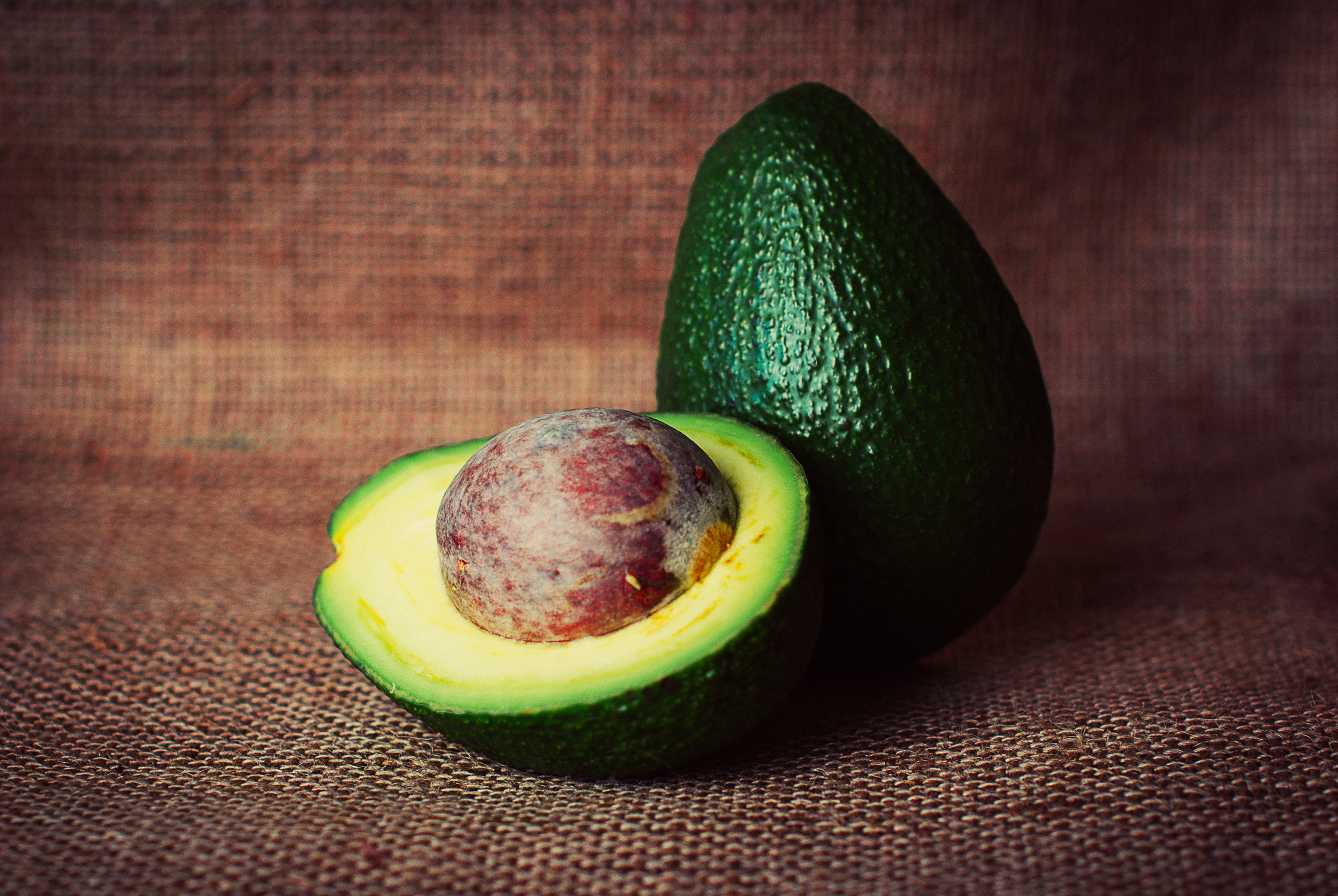
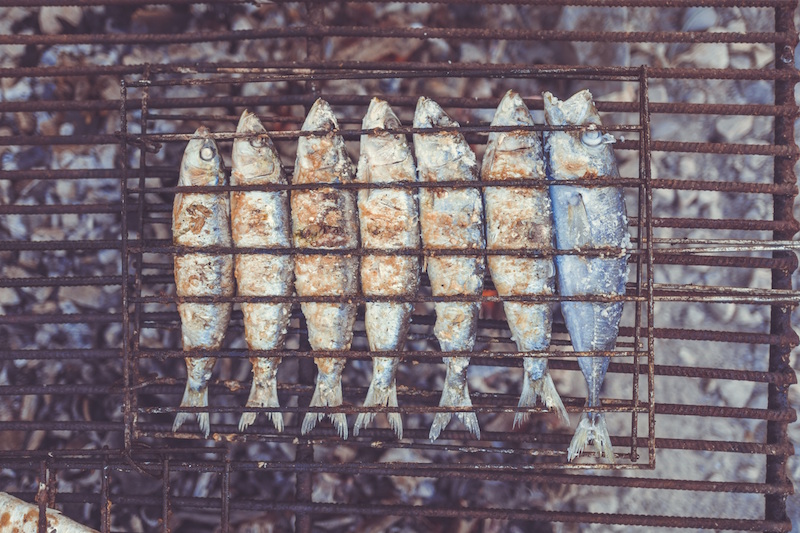
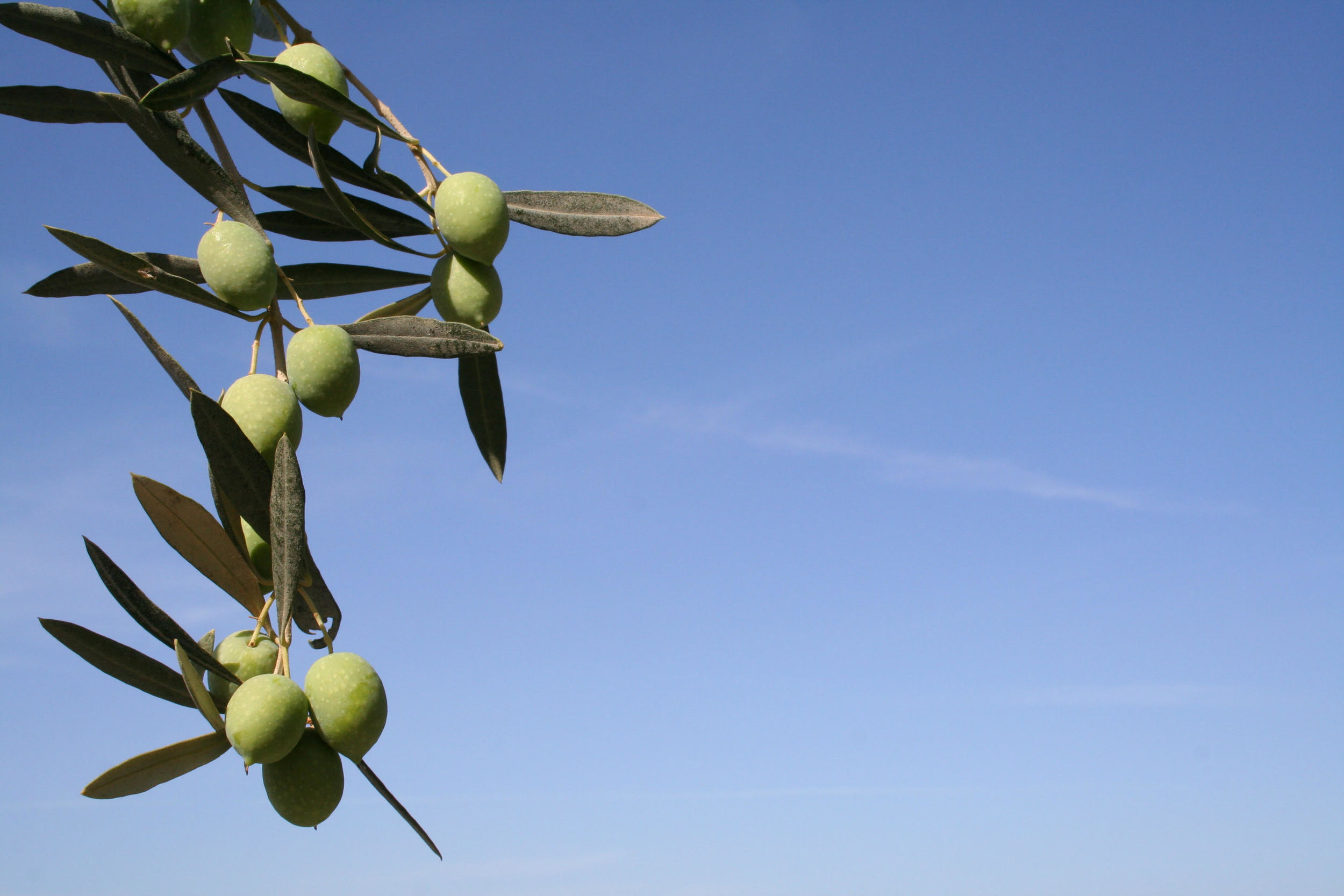
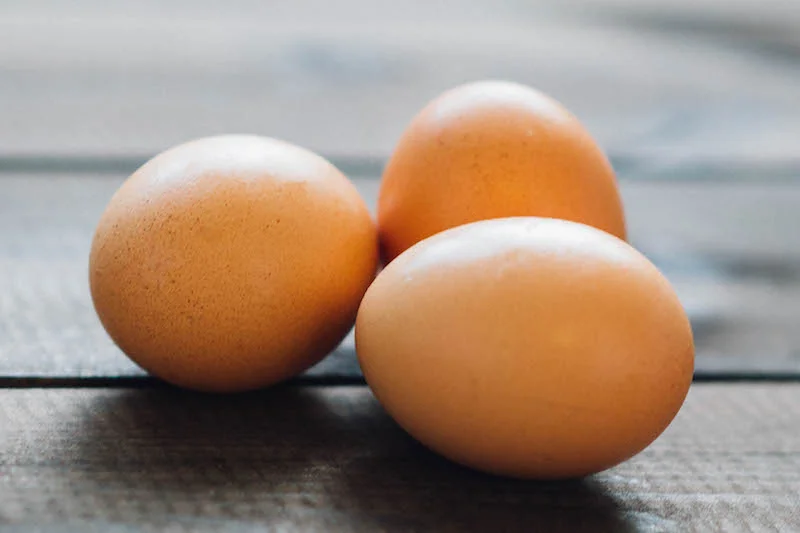
And eat in health. Good food is here, and it's got Omega 3s written all over it. Now go eat half an avocado stuffed with sardines, and drizzled with olive oil for lunch, will you?
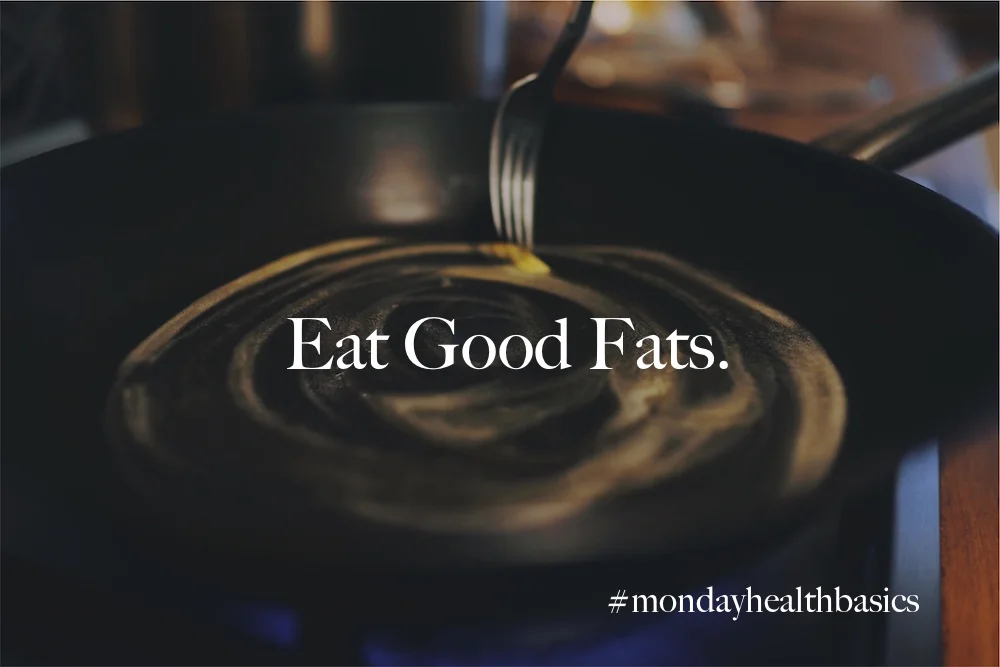
THURSDAY BASICS: Eat Good Fats
One of the most confusing topics in my practice as a Holistic Nutritionist is the Great Fat Debate. What is a good fat? What isn't as good a fat? Which ones should we nix from our kitchen pantry?
In this next in the series of #mondayhealthbasics, let's take a gander at this hotly debated topic, albeit in a bit simpler form.
This week’s topic is a cornerstone of supporting you in building a kitchen pantry that helps you work at keeping chronic disease at bay (read: inflammation).
STOCK UP ON THE GOOD FATS.
COLES’ NOTES:
1. Fats help deeply nourish all systems in the body, from immunity to brain to heart to reproductive
2. Fats are the backbone of all hormones, thus helping in balancing hormones (+blood sugars at the same time!)
3. Aim to have a good fat at every meal. A good place to start!
Read on for some great tips and ideas on how to incorporate this idea in to your every day.
One of the most confusing topics in my practice as a Holistic Nutrition Practitioner is the Great Fat Debate. What is a good fat? What isn't as good a fat? Which ones should we nix from our kitchen pantry? In this next in the series of #mondayhealthbasics, let's take a gander at this hotly debated topic, albeit in a bit simpler form.
These Monday blog posts are meant to be quick reads, and easy swaps or add-ins to your daily routine in order to support optimal health. And while I could talk for days on the topic of fat, I want to make this as succinct a blog post as I can. If you're looking for further reading and understanding of fats, I recommend some reliable sources at the bottom of this blog post, and invite you to peruse through those sources in order to best arm yourself with what makes sense for you. Every body is biochemically unique, and what works for one person won't necessarily work for the next.
I want to clear one thing up: FATS ARE GOOD. FATS ARE NECESSARY. They are a macronutrient category, much like Protein and Carbohydrates. These macronutrients are necessary for so many things, and one cannot just toss a macronutrient to the curb because they don't like the sound of it. (Sound familiar for another macronutrient?)
Know this: there are good fats out there. Sure, we were misled. The news is lit up with stories, and you can do your own research there. I just want to provide you the good things to add without barraging you with studies and information. That stuff is already out there.
So why include fats?
They're a macronutrient. We need good fats as they serve as a concentrated energy source in our diet. We need them for cell membranes, hormones and hormone building. They play an integral role in our growing children's bodies, helping them to build each and every system especially their reproductive systems.
They are necessary for proper immune health, and we need them to build bones and teeth. Without fats, our brains would not exist (60% of our brain is made of cholesterol, a type of fat!). We need fats to better absorb, assimilate and metabolize minerals.
Fats are a necessary component of insulin production. Not only that, but saturated fats (a certain kind of stable fat = think solid at room temperature) protect the heart and liver against the damaging effects of stress.
In Dr. Natasha Campbell-McBride's book GAPS: The Gut and Psychology Syndrome, a book that explores the connection between the health of the gut and the health of the nervous system and how supporting improved digestion and assimilation can lead to improved health for the nervous system, she explains how big of a role good quality fats can play in contributing to reducing overall inflammation, including that found in the gut. We need fats to get the fat-soluble vitamins in our bodies: vitamins A, D, E and K which we need for healthy skin and mucosal linings (intestines! respiratory tract!), immune system, bone building and maintenance.
One of my favourite things good fats can do is to help slow down the absorption of foods at mealtime. This means we feel fuller, longer, or satiated and this, in turn, helps balance blood sugars and hunger hormones. Which is HUGE. (Anywhere you see blood sugar imbalance, think 'HANGRY', or brain fog, or inflammation, or adrenal drain, or blood cholesterol levels, or stress...)
So for you, dear friend, here are your healthy fat guidelines for this Thursday morning
remove your liquid vegetable oils like canola, sunflower, safflower, peanut oil, corn oils from your pantry (keep your olive oil and flax seed oil, and your sesame oil too) as they contribute to the inflammatory picture going on (high in Omega 6s)
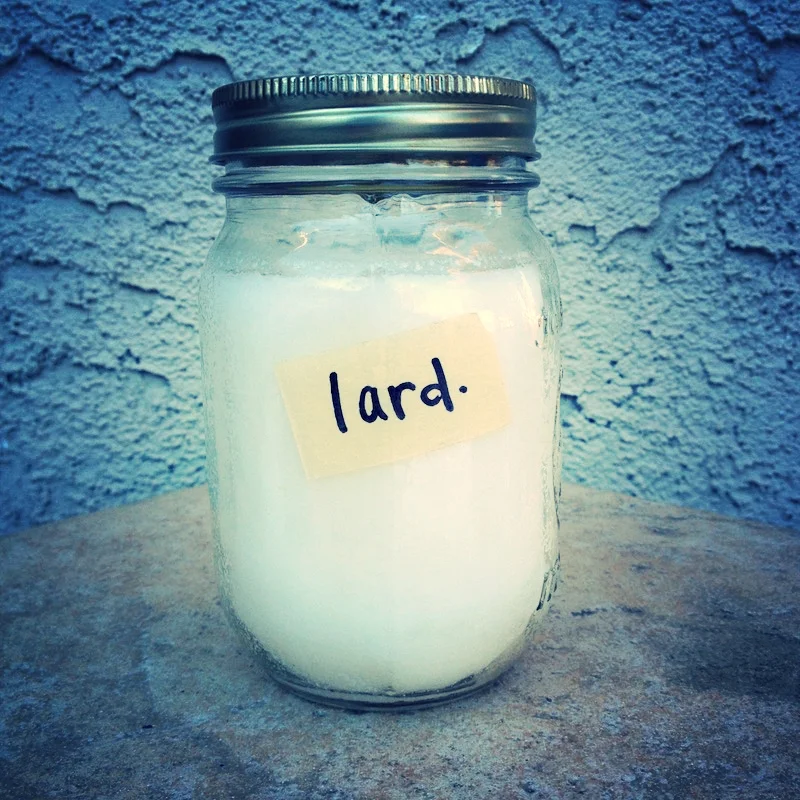
start cooking with saturated fats like butter, coconut oil, ghee, lard, tallow , shmaltz - they can take the heat without going rancid
low to mid temp cooking with olive oil and avocado oil is great, but ensure you are buying good quality oils (my favourite is to go with a small locally-owned specialty shop that can best guide you in choosing the right oil)
add a pat of ghee or butter to your veggies
drizzle olive oil on your salads or soups
make pestos, homemade mayo
if you are eating pastured meat, do not discard the fat
if you are drinking milk or eating dairy, swap your skim milk and 0% yogurts for the higher fat products
Reach for real food, reducing your intake of pre-packaged foods (usual hidden culprits of rancid oils)
start introducing these healthier fats slowly
Having said all this, if you are new to cooking from scratch or making whole foods, start slow and add one good thing to your pantry a week. As you add the good, the bad will fall to the wayside. And you'll be doing it in increments that are do-able, and sustainable!
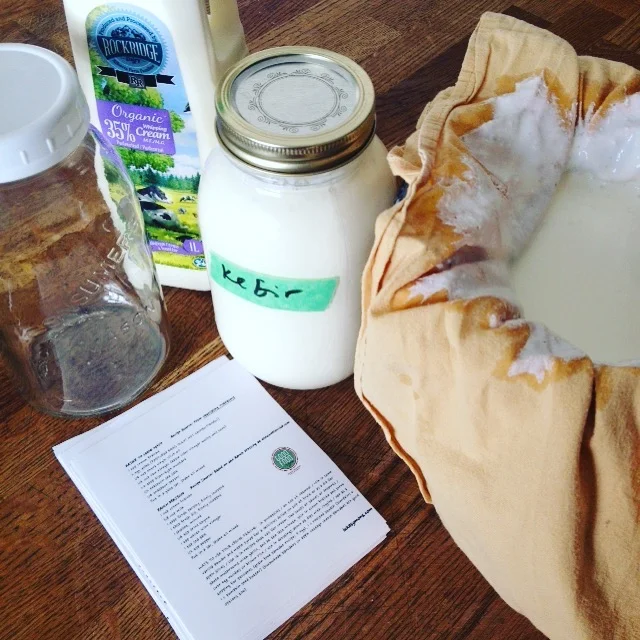
HEALTHY FAT SOURCES
BUTTER and GHEE (conventional –> good; organic –> better; grass-fed -> best)
raw nuts and seeds (pre-soak for easier digestibility)
olives and olive oil
coconuts and coconut oil
cacao butter is amazing in smoothies, on oatmeal or in elixirs
Dairy products like cheese, kefir, whipping cream, yogurt, creme fraiche if you can tolerate dairy
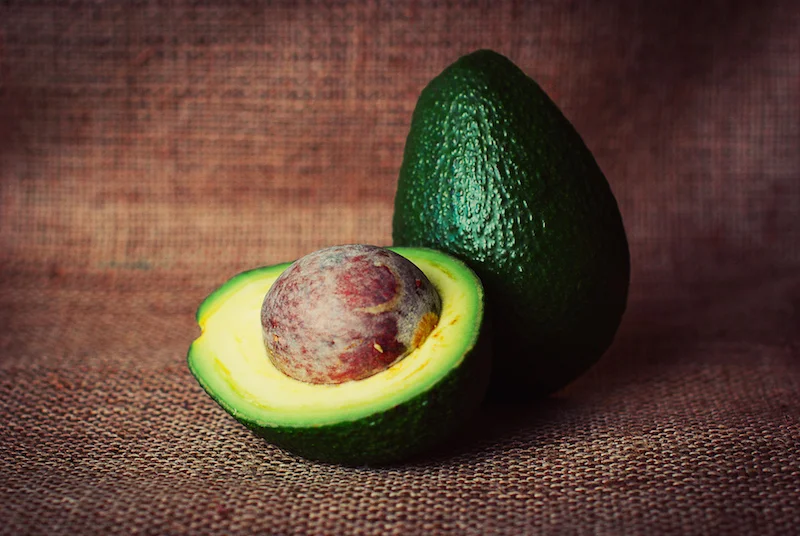
avocado
grass-fed meats and wild caught fish (from the ocean and freshwater)
unheated nut oils (keep them in the fridge)
fish oil, cod liver oil, krill oil
goose and chicken fat (shmaltz)
lard and tallow (bacon fat and beef fat, rendered)
avoid any packaged foods with 'soy bean oil' or the words 'hydrogenated oil' on it
Today's take-away: make sure to have a good fat at every meal and snack.
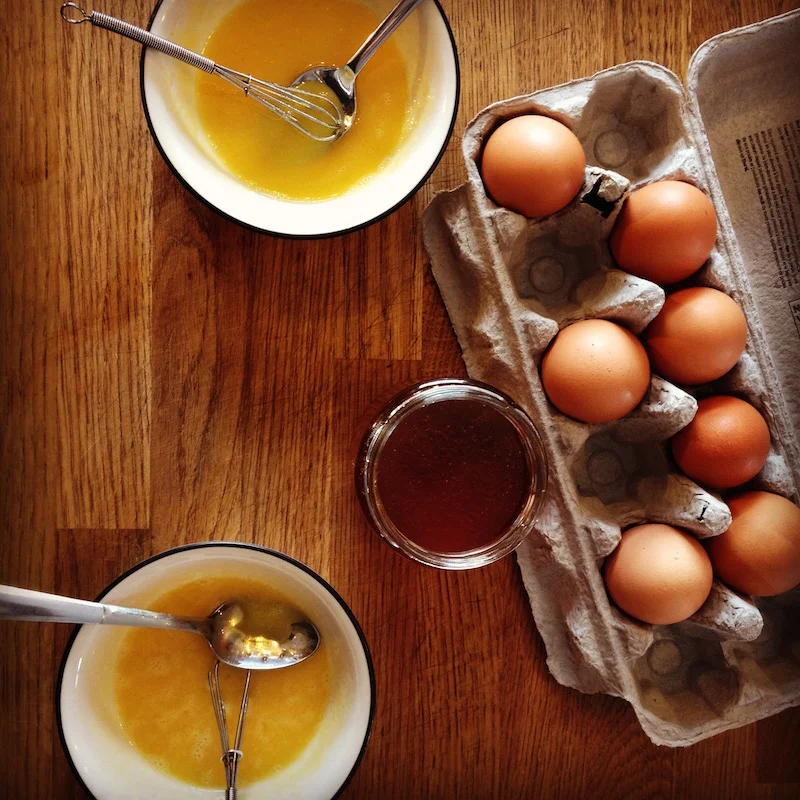
Have some nuts, seeds, or nut butter, or mix butter+honey=frosting!, have half an avocado with breakfast and drizzle it with olive oil, make sure to add cocoa butter to your smoothie or some yummy coconut oil.
If you're interested in reading up some more, may I recommend:
Sally Fallon and Mary Enig's book Nourishing Traditions
Dr. Natasha Campbell-McBride's book GAPS: The Gut and Psychology Syndrome
The Weston A. Price Foundation has done extensive research into the traditional uses of fats, and their applications in today's world. Read here for the full skinny on fats.
This online blogger goes into detail about which fats to include for a GAPS protocol
Now go eat a pat of butter, will you?
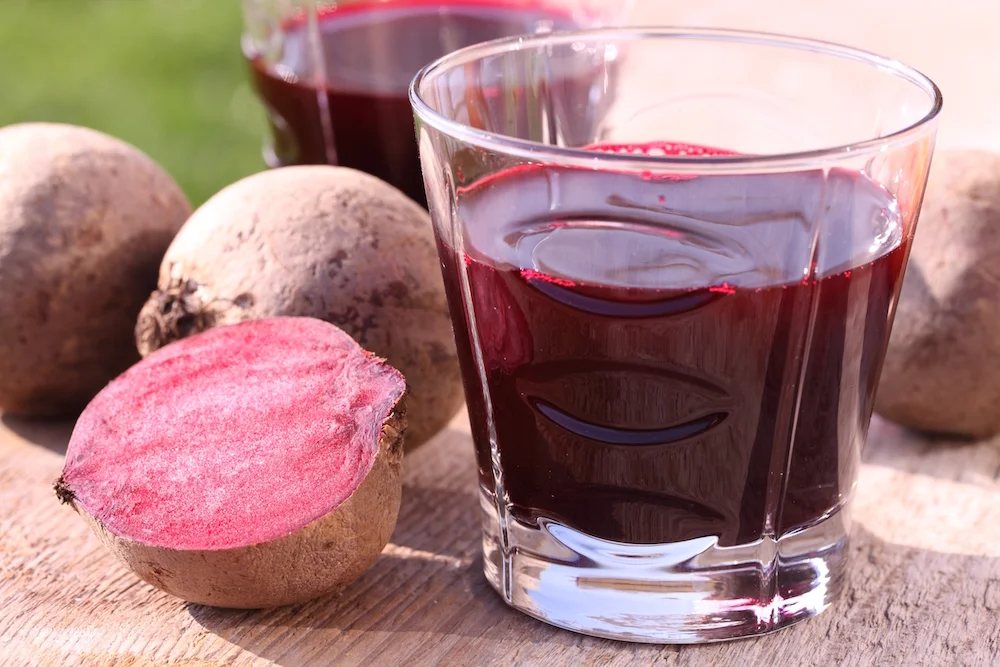
Customize your own Beet Kvass Brew
This past weekend, I had the good fortune of participating in our city’s first Fermentation Festival. What a brilliant way to spend a weekend day, hanging out with fellow Gut Geeks to talk nerdy about the microbiome. It really felt like a celebration of all things I love - culture, community and the power of good food.
This blog post delves into ways to customize your own Beet Kvass Brew and targeting specific organs or health concerns you may have on the go. Click on the image for the full run down of ideas and inspiration.
This past weekend, I had the good fortune of participating in our city’s first Fermentation Festival. What a brilliant way to spend a weekend day, hanging out with fellow Gut Geeks to talk nerdy about the microbiome. It really felt like a celebration of all things I love - culture, community and the power of good food.
I caught a very enlivening and inspiring workshop from Mike Doiron at Living Soil Solutions, talking about the microbiome of the soil, and its role in our overall health. The soil is really the earth’s gut it would seem; the bugs its microbiome. I highly recommend catching Mike at a talk somewhere down the line to help invigorate your comprehension of the power of good soil, and how that has the potential to mitigate carbon emissions, foster better agricultural practices, inherently ending in better health for the soil, the earth, better mineral and micronutrient profiles in the foods we grow. This can only lead to optimal health for all - the earth, the people and the community!
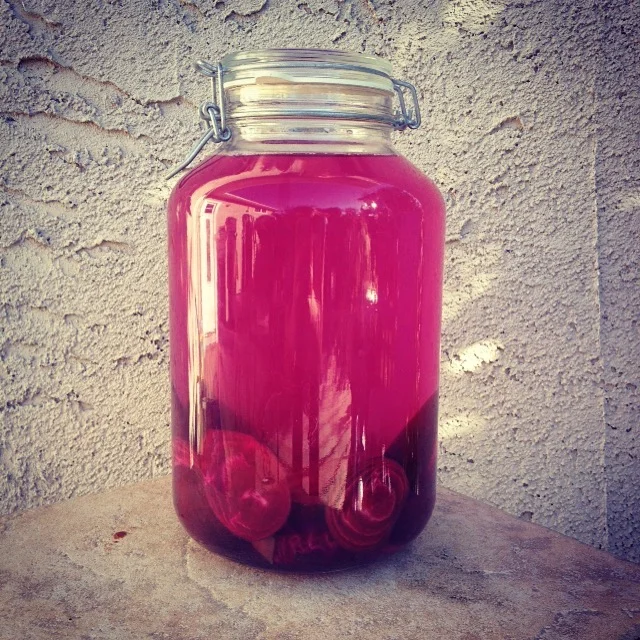
I had the good fortune to kick off the day in the Microbiome Room, diving in to the beauty and health benefits of the ever brilliant Beet Kvass. Many thanks to those who came to hang out and talk about the importance of looking after the microbiome via the good brew. We dove in to the science of the microbiome, its role in our body’s overall health and wellness. We also talked about how to GO SLOW if you are new to fermenting, and what signs to look for if your body is asking you to go even slower.
If you are new to making Beet Kvass, I will point you to this blog post: it features a recipe and video to walk you through how to make your own brew at home. Couldn’t be easier!
I took the chance at this class to jump into one of my tenets - PLAY WITH YOUR FOOD. My hope in putting together this hour on Beet Kvass was to inspire you to come up with your own combinations of extra flavours to add in to the mix. The idea here was to help you choose roots, shoots, herbs + flavours to reach for to help support you with your own specific health goals in mind.
To that effect, I had a request to post on the blog a roundup of ideas and ingredients one could add in order to build flavours according to certain health concerns.
Know this:
Chasing Flavour will always serve you well.
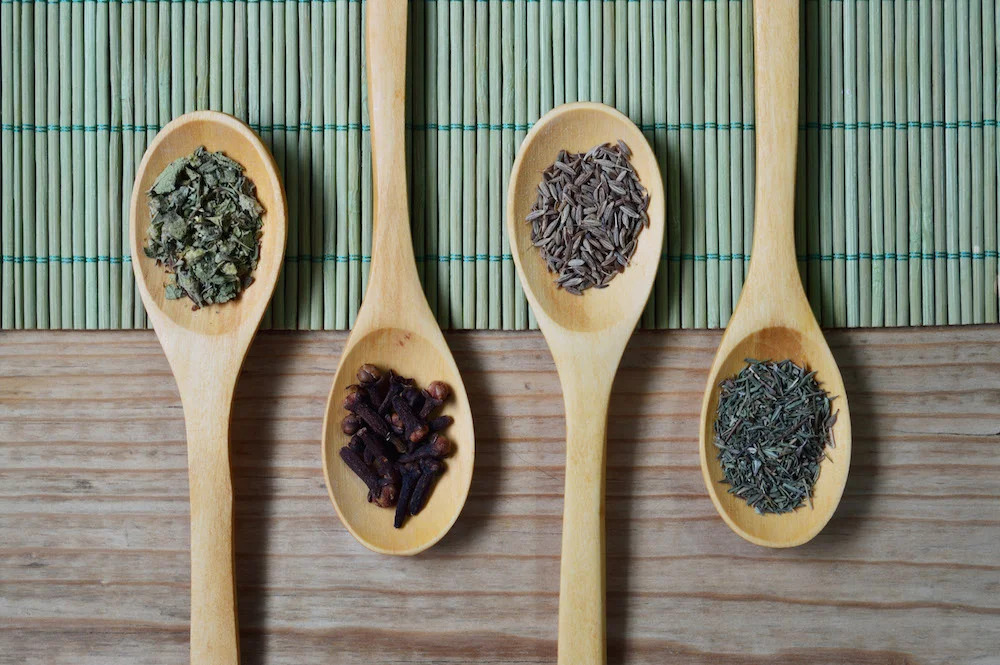
SPICES
dried spices like cinnamon, cloves, cardamom pods, nutmeg, star anise
flavours like fennel, fenugreek, caraway, cumin, coriander seeds, peppercorns
dried herbs like dill, tarragon, sage, thyme, dill seed, nettle, etc.
fresh herbs like dill, parsley, lovage, nettle, rosemary, etc.
ROOTS
dried roots like dandelion, burdock, nettle root, chicory
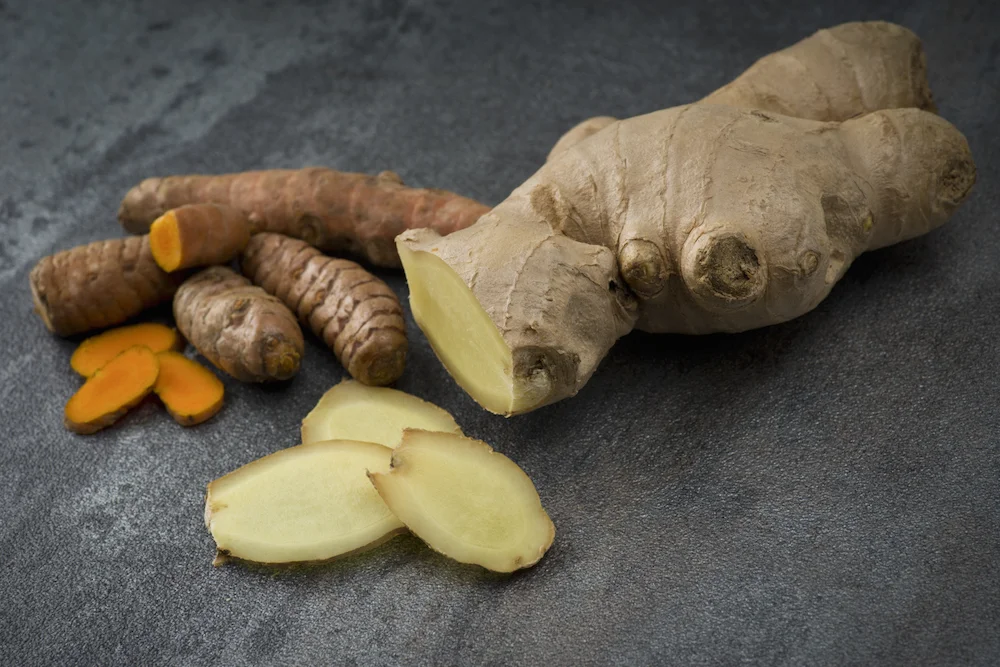
fresh roots like ginger, turmeric, galangal, lemongrass stalks
medicinal roots like astragalus, rehmannia root, eleuthero
FRUIT
make sure they are unsulphured or organic
dried like goji berries, raisins, cranberries, dates, figs, barberries
superfood dried fruit like elderberries, shizandra berries, jujube dates
dried lemon or orange peel
fresh fruit like any berries, pomegranate arils, slices of citrus fruit
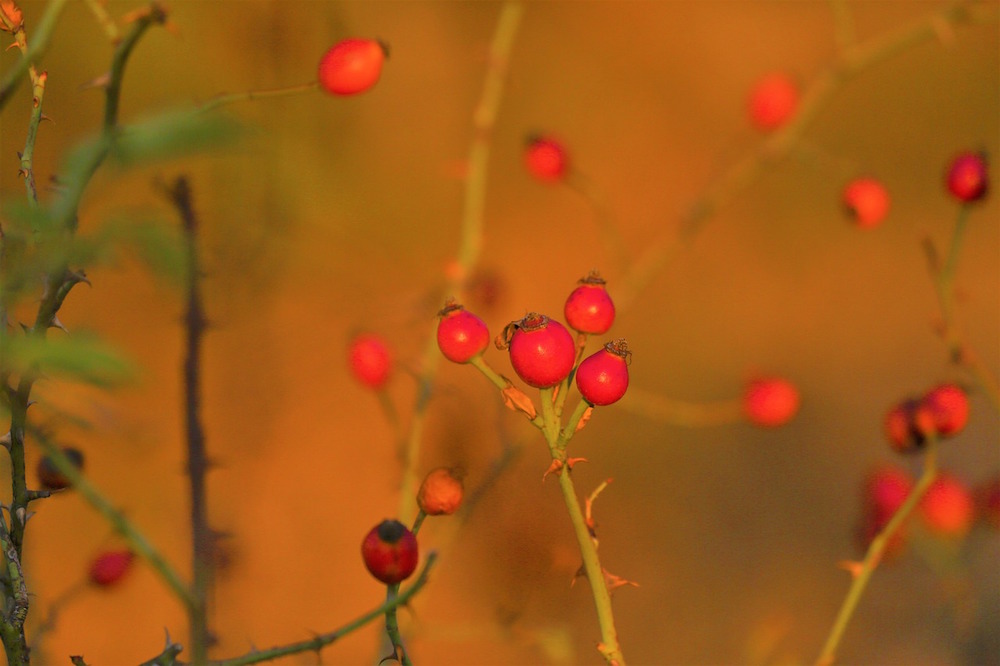
fresh or dried foraged berries like rose hips, silver buffalo berries, saskatoons, sea buckthorn berries, hawthorn berries
VEGETABLES
garlic, green onions, chives
onions, horseradish root (horseradish leaves work well too!)
veggie remnants like cabbage wedges, radish peels
dried veggies like hot peppers, chipotle peppers
HERBS + FLOWERS
think loose leaf tea ingredients
labrador tea leaves, nettle, holy basil, raspberry leaf, rooibos
foraged goodies like spruce tips, pine pollen
flower petals like rose, borage, red clover, heather, calendula petals, chamomile, hibiscus
MEDICINAL MUSHROOMS + SUPERFOODS
always add a piece of seaweed to each batch (kelp, kombu, dulse, wakame, etc.)
reishi slices, chaga, cordyceps, maitake, lion's mane
shiitake mushrooms (dried)
astragalus roots, rehmannia root
COMBINATION AND FLAVOUR IDEAS
I built a list of flavour combos targeting specific health concerns, and wanted to share these here. Use them as a jumping off point to brew your own combo!
Know that Beet Kvass always supports the liver and improves detox, helps reduce inflammation, improves digestion, loves up the microbiome and takes care of the heart. Beet Kvass has been shown to bust gallstones, kidney stones, dissovle uric acid to help reduce gout flare ups. So really, a basic brew of beets + salt + time is a great place to start. Anything else on top of that is just bonus.
Build from there! Use what you have on hand to start with, and build your pantry slowly over time. And know that a shot glass is what you're working up to, before meals. TAKE YOUR TIME.
IDEAS
IMPROVE DIGESTION: fennel / fenugreek / caraway (strong flavours to wake up the digestive fire)
REDUCE INFLAMMATION: chamomile + turmeric + ginger + medicinal mushroom
GUT HEALTH: cabbage wedge + calendula + fresh dill
DETOX SUPPORT: burdock or dandelion root + goji or jujube dates
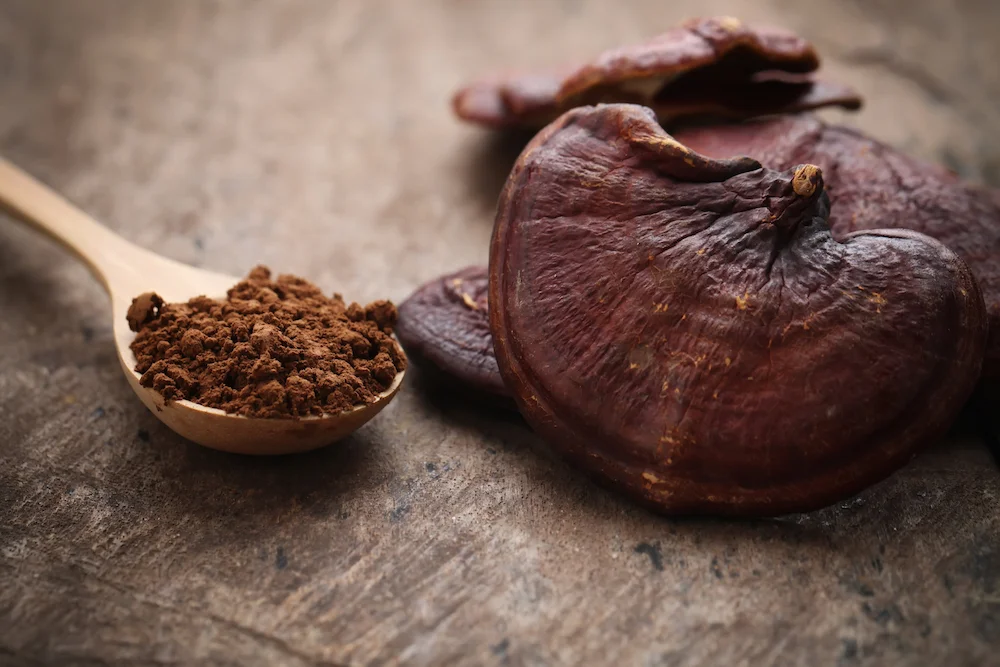
BONES + CONNECTIVE TISSUE: chaga + ginger + nettle
BRAIN + NERVOUS SYSTEM: lion's mane + turmeric root + rosemary
HEART: garlic + goji berries + hawthorn berries + hot pepper
GALLBLADDER: chaga + dried lemon peel + rose hips
LIVER: garlic + ginger + turmeric root + mustard seed; caraway + fennel; cardamom + clove + burdock
KIDNEYS: heather flower + dried cranberries + hibiscus
ADRENALS: rehammnia root + dried fig + fennel
THYROID: cordyceps + eleuthero root; chicory root + ginger
SKIN: shizandra berries + rose hips + fennel
IMMUNITY: astragalus root + elderberries
LYMPH: calendula petals + red clover + burdock root

BALANCE HORMONES: nigella or kalonji seeds + red clover
BALANCE BLOOD SUGARS: maitake mushrooms + true cinnamon + spruce tips
HEALTHY PREGNANCY: ginger + raspberry leaf + rooibos + rose hips
SLEEP: chamomile + nutmeg + dried cherries
Remember to Chase Flavour. What kind of brew will you make?

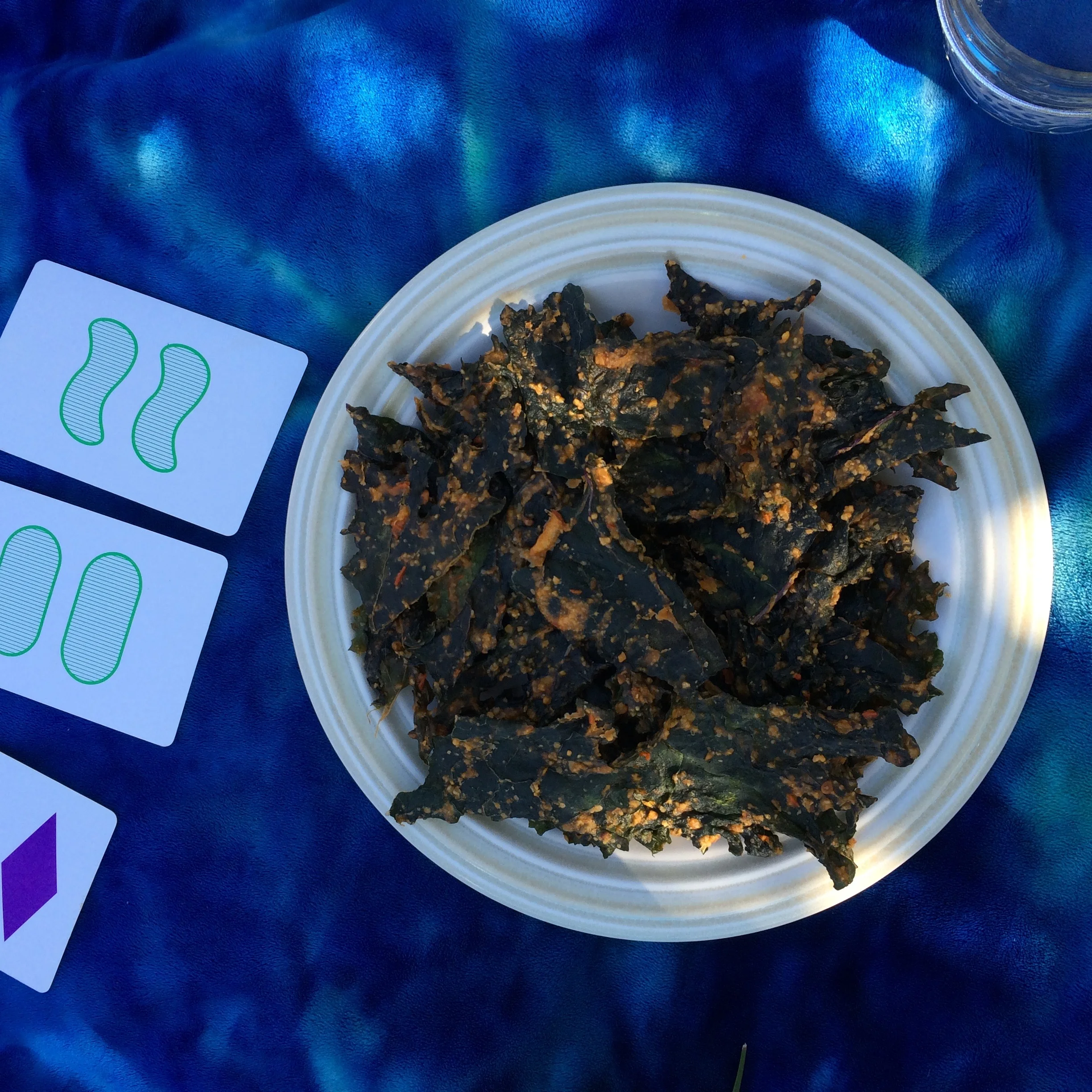
Kale Chips
You have kale coming out your ears, whether from the garden patch of your CSA box. Or maybe you just want to try your hand at a new way to preserve the bounty of this time of year. What to do, what to do…
Might I recommend making a batch of kale chips?
It's the summer time. Your garden is ON FIRE. Stuff is growing EVERYWHERE. You realize you must have let some kale go to seed last year, because you have a bumper crop coming up all over the place in your back plot. (Is it just me?)
Maybe you subscribed to your first CSA growers' box this year, and you have so much kale you don't know what to do with it all.
Or maybe you are dreaming of ways to put up the harvest, of taking a sensory-filled snapshot of the bounty and storing it for those colder climes that are a-comin. Oh yes, they're coming. I mean we have some time yet, do not fret.
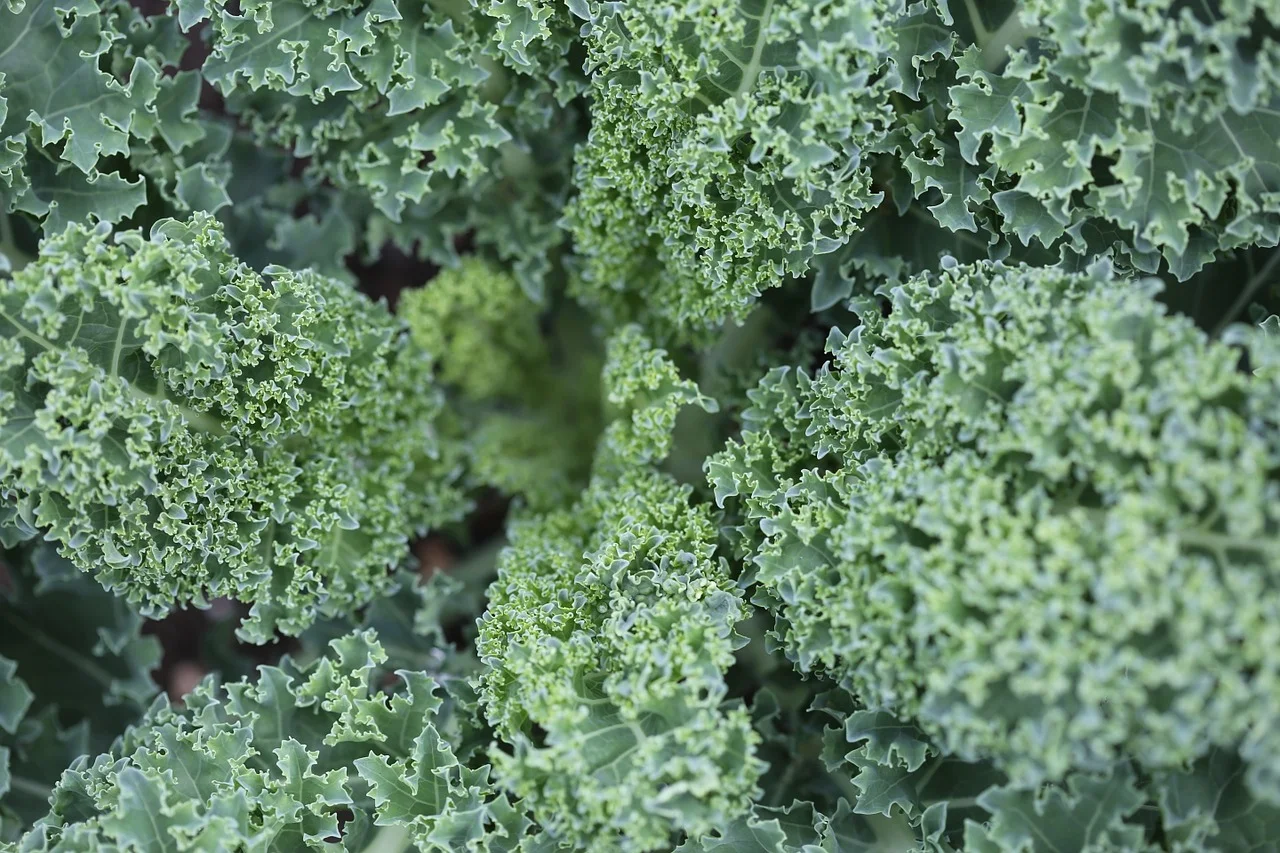
kale for daaaaayyyyyyyyzzzzzzz
What to do, what to do.
Might I recommend making a batch of kale chips?
Whether you have a dehydrator or plan to use your oven, these tasty morsels take a bit of work, but I like to think of it as a bit of a meditative exercise. It is worth it to take a good 45 minutes to pull this whole thing together; your taste buds will thank you. The aroma that fills your house as you are drying these babies will make all the neighbours hungry! And you will have saved the harvest from going to the compost heap! (Oh sure, kale is really good for you. But besides that, who doesn't want a little crunch for snacktime?)
Do not be dissuaded by the long list of ingredients, they really build on the flavour and add a nutritional wallop to help sustain you. And those who will be eating these. Totes ok to not share though.
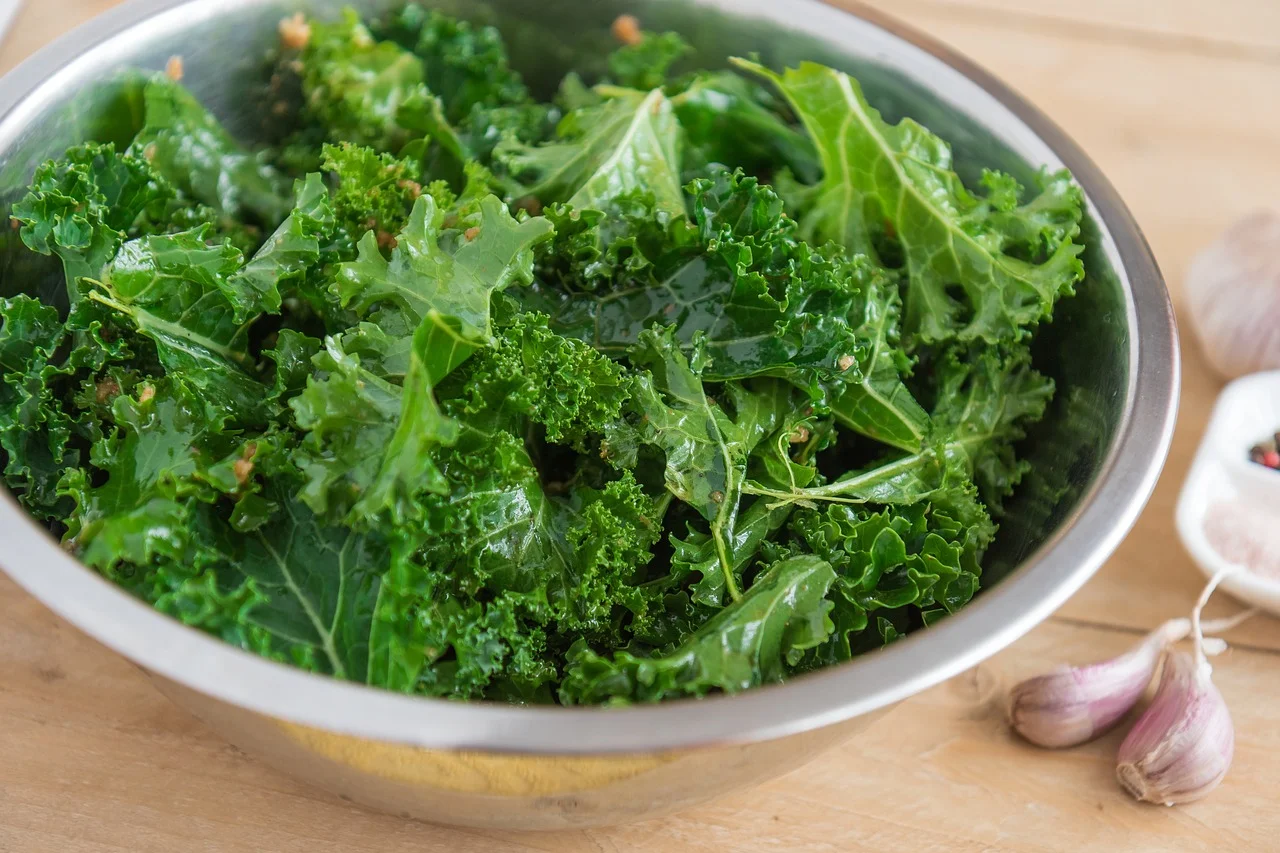
the prep
KALE CHIPS - the do it yourself kind
THE GOODS
1 cup cashew pieces
1 tbsp apple cider vinegar
2/3 of a red bell pepper
2 tbsp lemon juice
1/4 cup good quality olive oil
2 tbsp miso paste (any kind will do)
3 tbsp nutritional yeast
2 large dates, pitted
1.5 tsp sea salt
1 tbsp ground pepper
1.5 tsp curry powder
pinch of chipotle pepper
2 tbsp of juice from a ferment
2 tbsp of filtered water
2-3 bunches of kale, washed; middle rib cut out and greens cut into bite sized pieces
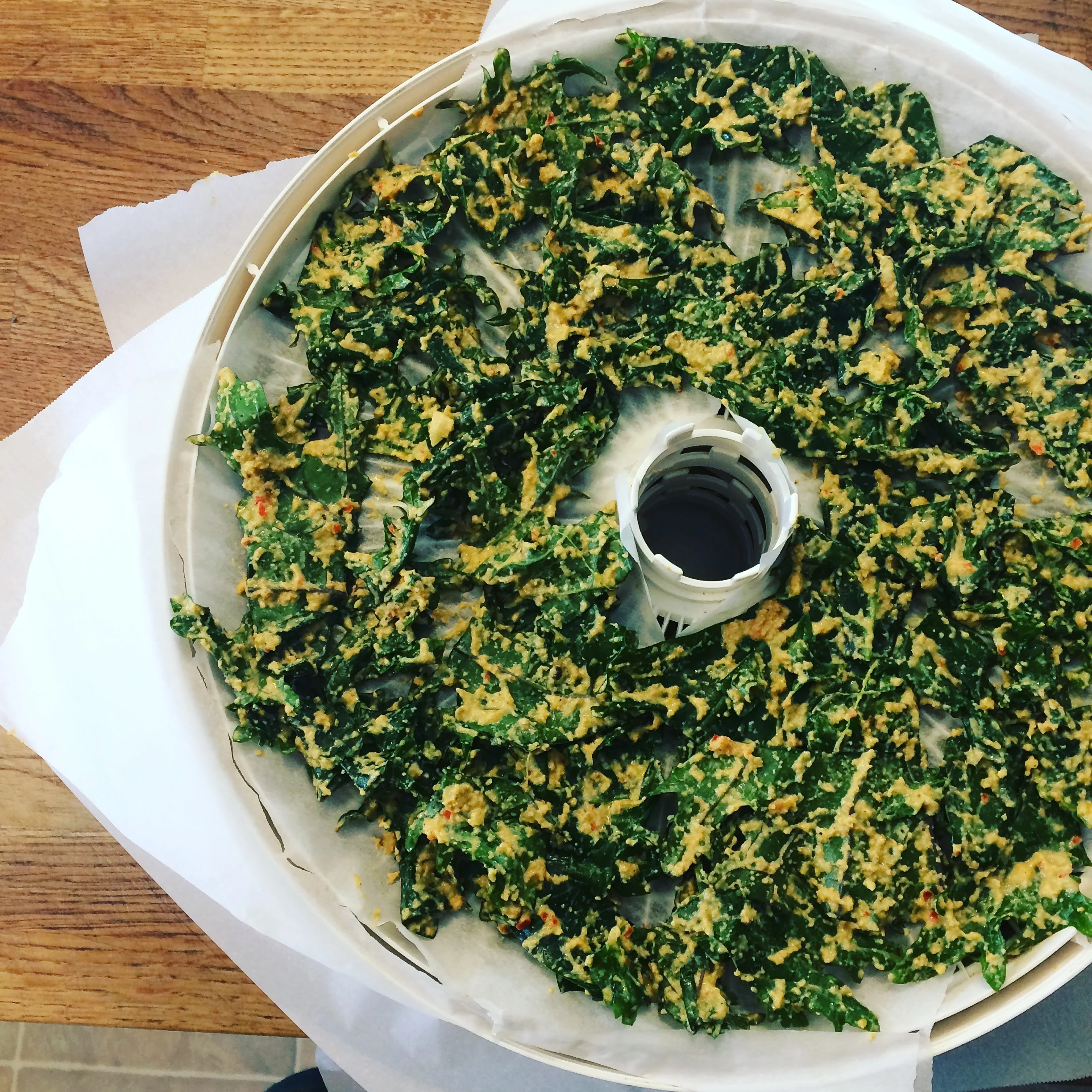
kale chips ready to go in the dehydrator
THE METHOD
Six to twelve hours before you plan to be making your kale chips, put your cashew pieces in a glass jar along with the apple cider vinegar, and cover with filtered water. Allow to sit on the counter with a lid on, and out of direct sunlight for 6-12 hours.
When you are ready to assemble your kale chips, dump the cashews and give them a good rinse. Put them along with the remaining ingredients (minus the kale!) in to a high powered blender and blitz to combine. You can also put in a tall glass jar and using your handblender, blitz the whole lot together.
Drop your dressing in to a big bowl, and add in your chopped bite sized pieces of kale. Using your hands, mash the paste into the kale leaves making sure each leaf is covered with the paste.
Simply lay out your slathered greens onto a parchment-paper lined cookie sheet and pop in to a preheated oven to the lowest temperature your oven can handle. Allow them to bake for anywhere between 45 minutes and 1.5 hours per side, depending on your oven and temp, flipping halfway through to bake evenly. You'll know they're done when they're crispy.
Alternately, you can also crisp these up in a dehydrator set to 115F for 6-8 hours.
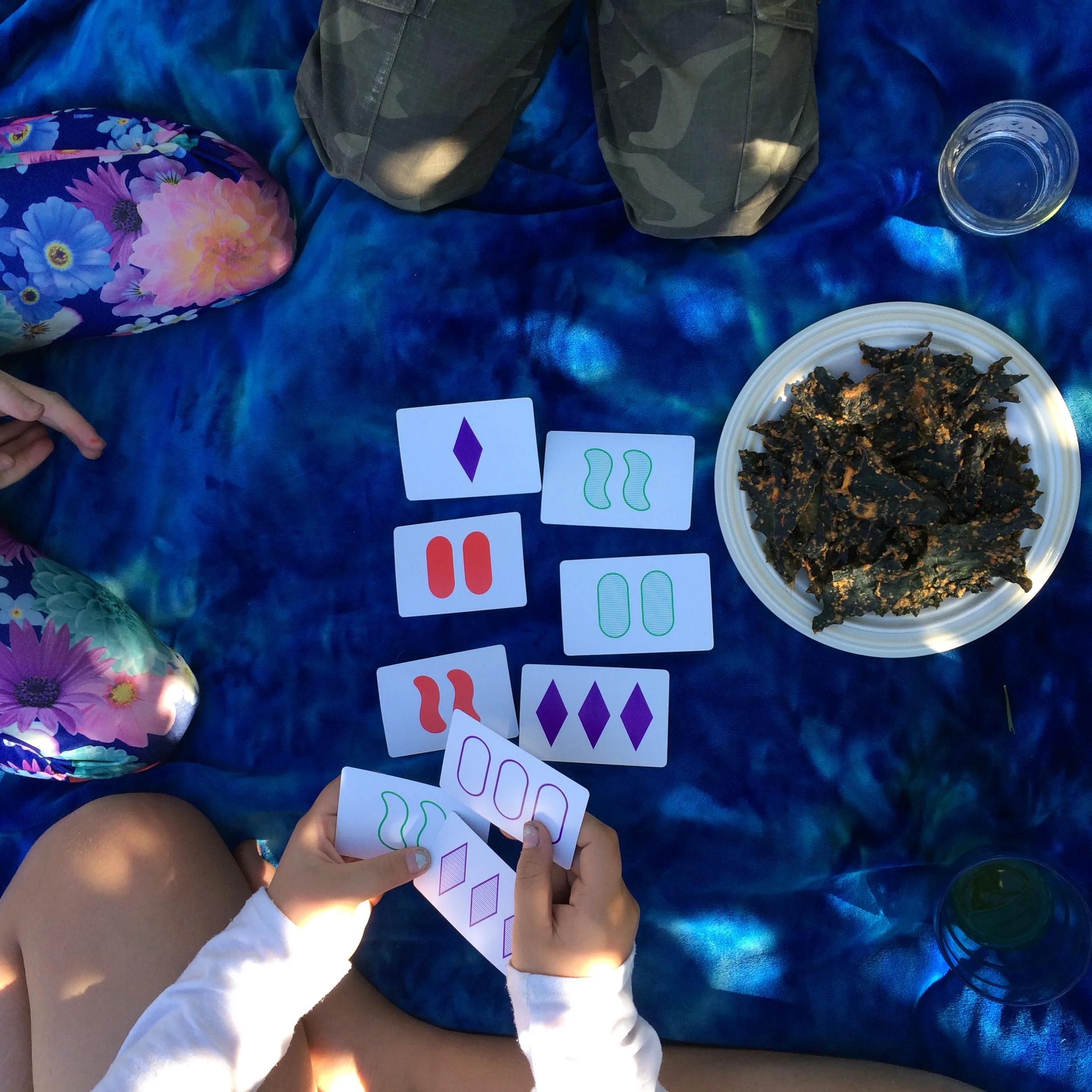
perfect snack to keep the littles satiated mid-afternoon
Pesto Template
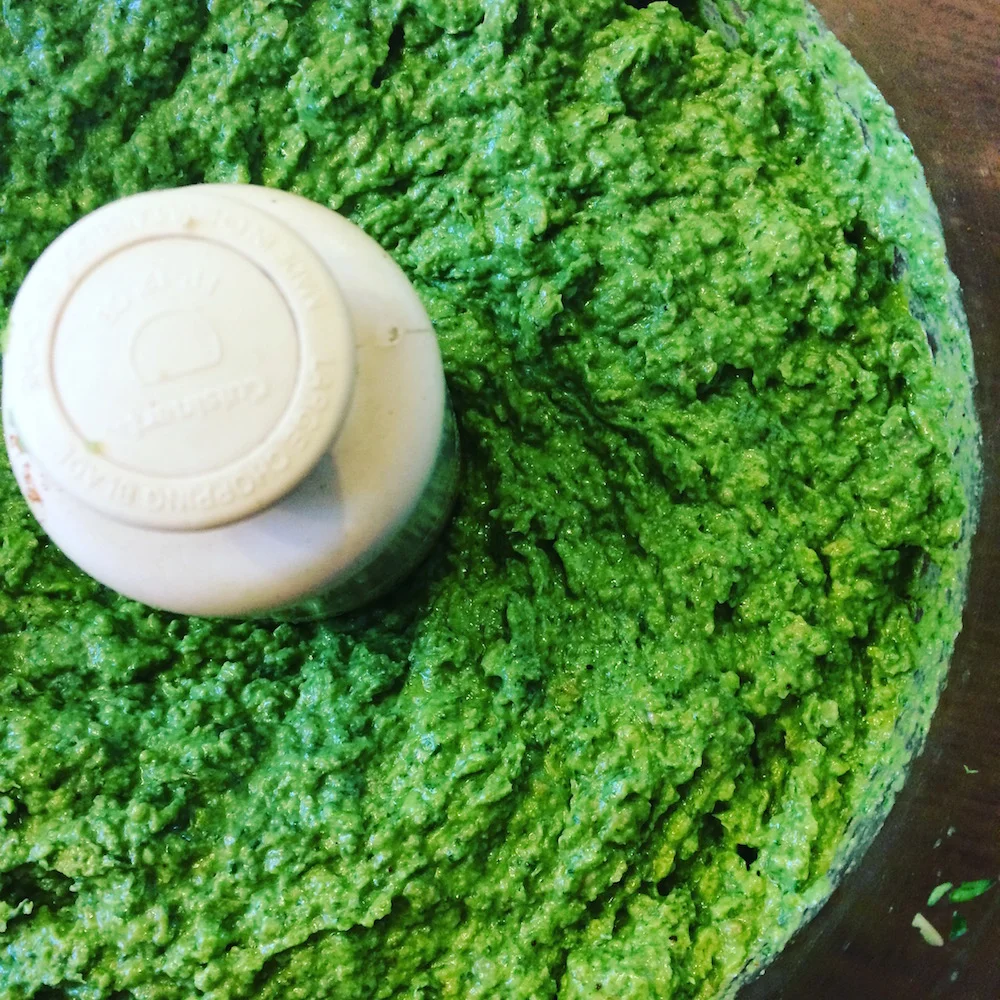
Easy recipe for a pesto template. A brilliant way to support your liver, and provide your body with a cornucopia of vitamins, minerals and phytonutrients!
Happy New Year, my goodfoodies! I wish for you the most delicious and nourishing year yet, in 2018.

I thought this would be the perfect time to share with you a recipe I share with my clients. It's a template for any kind of greens you have on hand, helping to increase the intake of these delicious vegetables (read up on why you should eat your greens here!). It's a flavour booster that can easily re-invent leftovers into something delicious and new. I always have frozen ice cubes of pesto in the freezer at the ready. You can also choose to freeze them in portioned bags like Melanie at Full Bloom Herbals does it. (Thank you Melanie!)
This recipe calls to use whatever nut or seed you have on hand. It goes without saying that properly activating your seeds/nuts before eating them will increase your ability to digest them, and provide you with a better variety of nutrients too. Activate/sprout/soak if you can! (Or purchase ones already sprouted.) In my cilantro pesto, I find a combo of pumpkin seeds and sunflower seeds is divine.
As for the greens, you can mix and match or use up what you have in your fridge already. If you're looking to use some cilantro, I love the combo of one bunch of cilantro (properly washed! - it's grown in sand and can often impart a grittiness if not washed properly first) with a bunch of arugula. When trying new combos for the greens, think a cup of leafies like spinach or kale, and 1 cup of aromatic herb like basil or mint; do a whole 2 cups of spinach if that’s what you have on hand. I love using sorrel as one of my greens, this perennial grows readily in the garden, and can be found in the early days of spring.
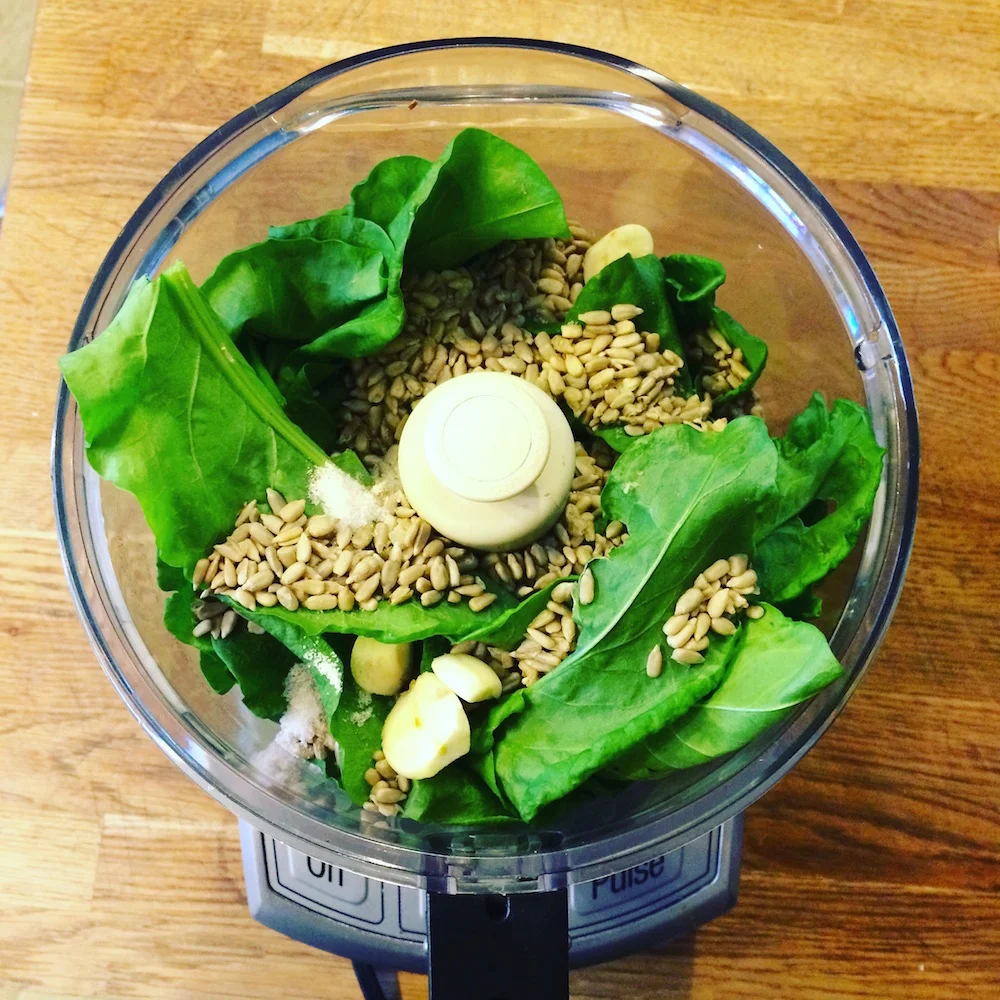
PESTO TEMPLATE
2/3 cup of nuts or seeds
2 cloves of garlic, peeled
2 cups of greens
1/4 tsp sea salt
1/3 cup of good quality olive oil (I love the olive oil at Blue Door)
METHOD
- In a blender or food processor, pulse your nuts and/or seeds in order to mince.
- Add the remainder of your ingredients except the olive oil to the blender or food processor and pulse again to roughly combine.
- Mix in the olive oil by hand at the end, or drizzle it in bit by bit with the food processor. Store in a glass jar in the fridge and plan to use up in 5 days. Alternately, freeze all leftovers in to an ice cube tray for 3 days, and then pop out in to labelled freezer bags for easy retrieval.
This is my most favourite flavour upgrade. You could add some sundried tomatoes to the end product as well to add a tomato flavour. Toss in a handful of edible flower petals if it is deep summer and your garden is plentiful. Play with the flavours and ingredients! Keep it dairy free when you make it, and consider only adding something like a good quality Romano or Parmesan at the time of meal assembly. It offers you more versatility with an extra big batch.
How to use this pesto: use a cube of pesto tossed in to a few handfuls of shredded cabbage, carrots and mushrooms and cook up in a pan; use it to toss with roasted spaghetti squash strands, along with bacon and a bit of creme fraiche; toss in a cube or two with some roasted veggies (tomato, corn and peppers) to make a kind of pesto-ish side salad; toss some pesto in with a pound of ground meat and some minced mushrooms for an easy and flavourful dinner idea, wrapped in lettuce leaves; use some pesto with some shredded leftover chicken, add in some chili powder and use that on top of greens with a delicious homemade caesar dressing. Add a few cubes in with your leftover gravy, thinned with more meat stock and some shredded meat and voila, Soupe Pistou! What way would you use this pesto? Comment below!
Now go play with your food! And may your 2018 be your most delicious year yet.