MONDAY BASICS: on eating.
This week is perhaps one of the most basic tenets of my practice as a food lovin human being. Sure, it factors in a bit on the Holistic Nutritionist side of things, but I consider this a more human endeavour than a scientific-based endeavour. Ok yes, there is science to back all of this up, but even if there weren't, it's one of those 'just makes sense' kind of things.
On eating.
This week is perhaps one of the most basic tenets of my practice as a food lovin human being. Sure, it factors in a bit on the Holistic Nutrition side of things, but I consider this a more human endeavour than a scientific-based endeavour. Ok yes, there is science to back all of this up, but even if there weren't, it's one of those 'just makes sense' kind of things.
On eating.
When I fill my plate, I like to think of the food on this plate in one of three categories. I look to include food that will nourish the cells of my body, so the traditional way you'd think of food as a vehicle for nourishment. I look to also include food that will feed the good bugs in my bug (we're talking prebiotics for the probiotics). I also look to include those foods that will nourish my soul, or feed me.
Are you scratching your head? Wondering what this means? Fearing this is a new fangled way to also think about preparing meals? It isn't meant to complicate, but merely a simple way to be at peace and practice gratitude for what's on the plate in front of me.

NOURISH YOUR BODY
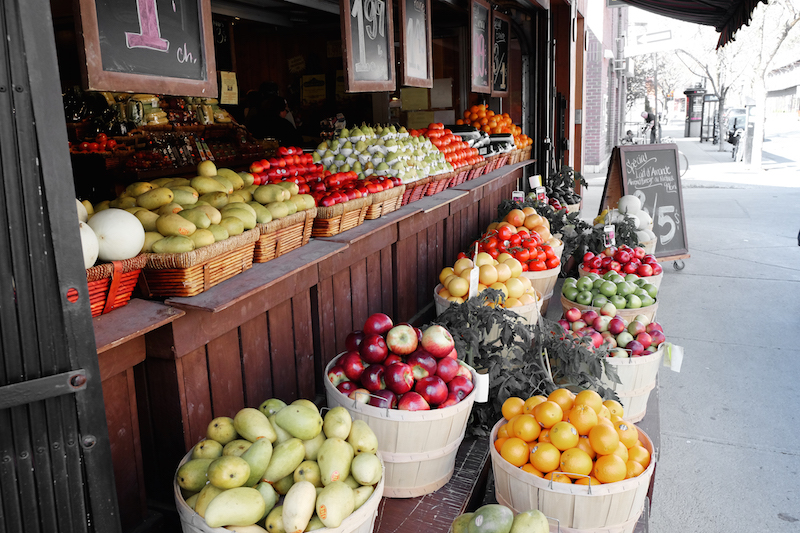
I am looking to include those foods that will fuel the cells of my body, those foods that will help me get through my day. This is quite an individual undertaking, and depends on your current health status, whether or not you're in a building phase or a maintenance phase. You would be in a building phase if you were growing, or if you were building a tiny human in your uterus. You could also be in a building phase if you had a cancer diagnosis. You would be in a maintenance phase if you were a regular adult going about your day. What this means for me? Most of my plate is filled with foods that will best support my organs; this means mostly loads of veggies and fruit for their antioxidants and minerals and carbs so I can have the energy to get through the day, and my brain can get the fuel it needs to keep going. Those antioxidants also help protect my body against damaging free radicals, and help my liver do the detox work it wants to do. I would look to include good sources of protein in order to support my immune system and the regular maintenance and repair of my body, for the enzymes, DNA repair. I would also add some excellent fats in my daily foods in order to best fuel my brain, support my immune system, help protect my heart and liver and give those building blocks necessary for every cell I'm building. (Oh yes, did you know you are always making new cells?) Here is a good article on how best to fuel the cells of your body, and why you would want to think about this. Highly recommended.
NOURISH THE BUGS IN YOUR GUT
Now that I've figured out I've got those good foods that will feed me, I need to look after those little guys I carry 'round with me in my gut. Oh yes my friend, you have some (not-so)freeloaders living in your innards. Some estimates rate this between 2 and 6 pounds of bacteria living on your skin and inside your body. That's amazing! (And it's all good, I assure you. For a more in-depth understanding of just what is this human microbiome that seems to be such a hot word of late, I invite you to watch this short film aptly titled The Invisible Universe. Fascinating stuff.)
So because I want to keep those little guys happy and working for me, I aim to make sure there are foods on my plate that will best serve them and fuel their work in this symbiotic relationship of ours. That means things like fibre and resistant starch. Think prebiotics. If you're eating loads of veggies and fruit, you're covered. Here are foods that will best play the part of prebiotics, for those who want to ensure: potatoes, rice, (especially leftover potatoes and rice!), bananas, plantain, beans and lentils, nuts and seeds, cabbage, dandelion greens, garlic, leeks & onions, asparagus, rhubarb, pears, apples, berries, oats and barley. But really. If you're eating loads of veg, you're covered. Don't overthink this one.
NOURISH THE SOUL
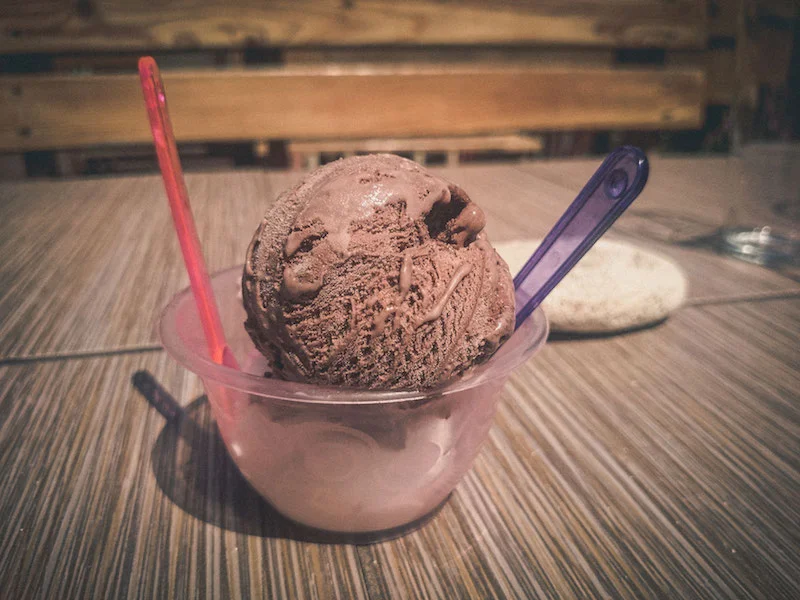
It's absolutely imperative that food continues to be a fuel source and a vehicle of enjoyment. Nowhere do I want you to get bogged down in calorie counting, or demonizing certain foods or elevating others. Food is nourishment. Food is fuel. Food is a vehicle for joy. And this last piece is the one I work hard at incorporating, especially with my family. FOOD NOURISHES THE SOUL. This means I look to include those foods that primarily bring the good feeling in, even if they aren't highly nutritious in terms of nutrients and antioxidants and all that scientific stuff. YES THIS MEANS ICE CREAM. Because this joy is a big big part of how we experience food. Not to mention it ensures we are digesting better... The joy component for me also involves sharing a meal with loved ones. It is a big part of practicing mindfulness, which most certainly also improves our ability to digest. See this blog post for a recap on mindfulness.
Food serves as a cultural touchstone in all families; it carries memories, smells, tastes and flavours with it. Every early September, as I start to prepare my Mom's famous Zucchini Relish, I get transported to those early years when my Mom and Grand-Maman (who lived next door) would prepare the bounty from the garden and pickle it all in glass jars for us to consume over the winter months. That scent, that tradition, that sensory experience feeds more than just my cells, it feeds my entire being. And that soul part seeks nourishment just as much as your cells do. So eat the food that makes you feel good inside. Go back to that pasta dish your Nonna used to prepare for you, and eat it with gusto. Relish in those delicious slurpy soups your Oba-chan would make when you would come over for a visit. Yes, your Savta really does make the best felafels, you should recreate those in your kitchen! And your Bubbie really was the best at making latkes. In her honour, you should whip some up. Your Bibi loved you through her ugali, so feel that love. And your Awa's idli was like no other; you should have some tomorrow to remember her by.
Further to this, in ensuring there are foods that bring you joy on the plate, as we sit down to a meal as a family, it is through these foods we are creating those sensory memories. It is as an inclusive kind of practice, and a loving one. Nourish your soul, my friend. And that of those around you.

NOW GO PLAY WITH YOUR FOOD.
MONDAY BASICS: choose pastured.
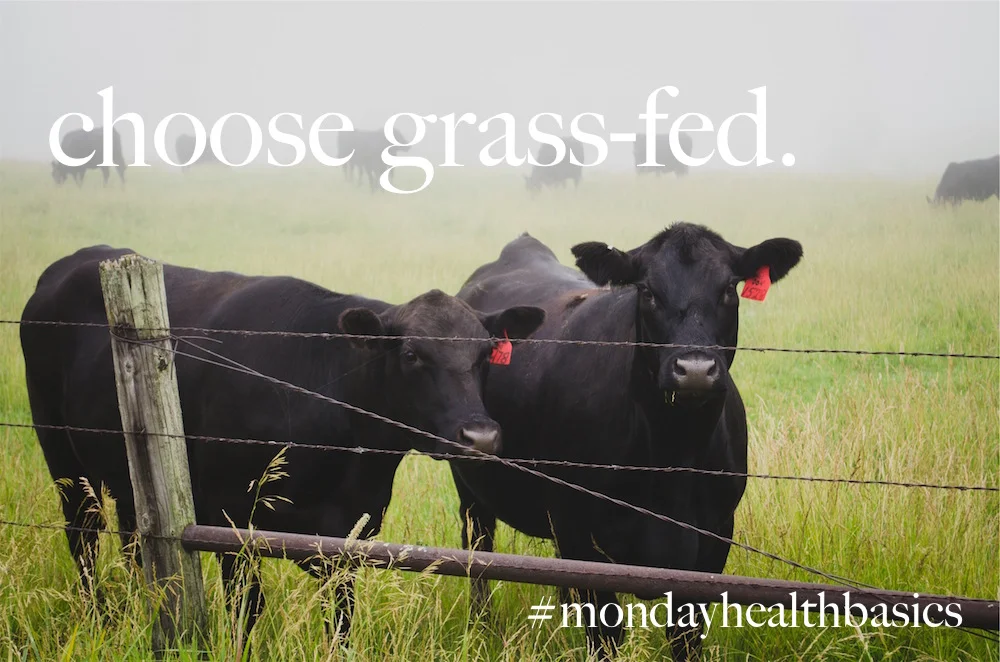
This week's topic is one that can be a bit of a hot button topic for some, and while I love a good debate, I will be talking simpler here. The impetus behind these weekly blog posts is to get the discussion going on how to choose our foods and make those lifestyle choices that are in support of optimal health, not to stir the pot. So this week's topic is about choosing meats, and reaching for grass-fed or pastured options when you're able to.
This week's topic is one that can be a bit of a hot button topic for some, and while I love a good debate, I will be talking simpler here. The impetus behind these weekly blog posts is to get the discussion going on how to choose our foods and make those lifestyle choices that are in support of optimal health, not to stir the pot. So this week's topic is about choosing meats, and reaching for grass-fed or pastured options when you're able to.
This blog post is not a debate on whether or not to eat meat. This blog post is not about the environmental impact of animals. (In fact, if ever you have a free three hour block, I'd love to chat about how animals can be of incredible benefit to the maintenance and building of our soils, adding those good minerals and compounds necessary to maintaining healthy soil, which means healthy produce. The status of our soils, friends! It's impacting everything! Barring our three hour convo, check out Joel Salatin either for his approach to farming as stated on his website, or in the chapter where author Michael Pollan visits Salatin's farm and has a pretty insightful conversation in the necessary-read The Omnivore's Dilemma. First and foremost, Salatin considers himself a grass farmer. The animals on his farm just help to grow grass and build soil.)
GRASS FED/PASTURED vs CONVENTIONAL
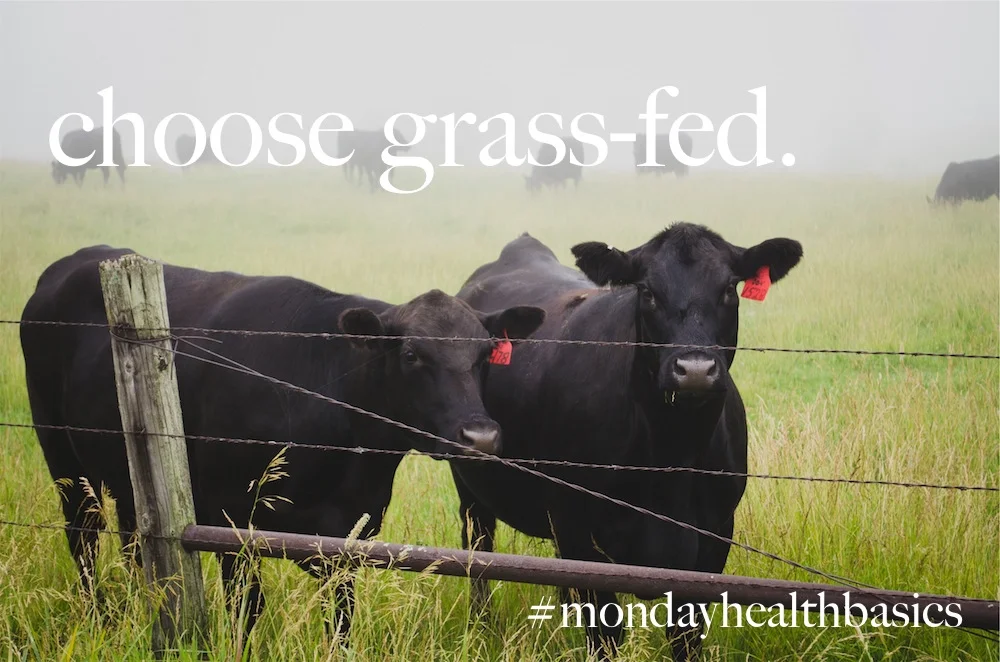
So what does it mean to purchase meat that is grass-fed, or pastured, or grass-fed/grain-finished and how does it differ from conventionally raised meat? It turns out that what the animal eats during its life can have a pretty big impact on the quality of the food.
For the animal allowed to live on pasture when possible, their diet closely resembles what has been a traditional diet for that animal for the last few hundred years. It is a low-stress way of living for the most part, and allows for the animal to munch on the foods they have been designed to consume. These foods are incredibly nourishing to the animal, providing key nutrients and easy-to-digest foods so that they can develop and grow at a natural and normal rate.
What does this mean for us?
The meat from these animals then is low in inflammatory compounds, seeing that the animal was able to consume foods as it was meant to consume. This means your pastured beef and bison will provide you with a good source of the anti-inflammatory powerhouse Omega 3 Fatty Acid, along with other fat-soluble vitamins and their precursors A and E, essential vitamins to retain the integrity of our intestinal lining, our skin and keeping free radical damage at bay. As if these antioxidants weren't enough, important compounds glutathione and super-oxide dismutase, also antioxidant powerhouses are in good numbers in grass-fed products. These nutrients are necessary for keeping our engines and liver running clean.
Let's talk fats
Oh yes, let me be clear: this is not just about the meat we are consuming. This is also about the other products we consume from animals, specifically the dairy. When milk comes from a pastured animal, the vitamin content will be higher in those all-important fat soluble vitamins A and K, necessary for skin health, intestinal lining integrity, brain health and bone health too.
For the animals that are to live their lives out in a conventional way (aka CAFOs, or confined animal feeding operations), their diet is drastically different than what their systems were meant to handle; they are also supplemented with extras like antibiotics to help support their health, as a health management tool if you will in order to ensure good profits for the farmers. Surprise though, those antibiotics end up actually fattening the animals up faster, in order to get them sooner to slaughter. The problem is, an estimated 80% of the world's antibiotics is being used in agriculture. Such a huge amount of antibiotic use is now contributing to creating superbug infections in humans, due to antibiotic resistance as outlined by the World Health Organization. What does this mean? The frequent use of those antibiotics will harbour a space where bugs can build resistance, and no longer respond to our number one weapon, our antibiotics.
Furthermore, the antibiotics in the animals remain in the meat we consume, and these contribute to wiping out our own gut flora. This means consuming meat that has been raised conventionally will have a negative impact in throwing our microbiome/gut bugs/flora/probiotics out of balance, which will contribute to further inflammation in our bodies and toxin load on our livers.
Antibiotics are not the only supplement these feedlot animals are fed. Some get hormones and steroids supplemented, and their feed is not the kind of food the animal was meant to consume, nor made to digest. Imagine when you have a serving of a food you have trouble digesting. Know how you feel? Imagine having that meal every day. While being crammed in a small space. With a lot of other animals that feel like you do. Those are not conditions that are supportive to the animal; they contribute to higher stress levels too.
Back to the fat
And where do these toxins get stored? Always in the fat. So consuming fats from pastured animals will better serve you, my friend than reaching for the sources from conventional animals. By choosing butter or milk from a pastured cow, you will be reducing the toxin load your body has to deal with. And will get better nourishment from those food sources, as they will be higher in the fat-soluble nutrients.
But dairy is not the only fat source from an animal; if you are consuming cuts of meat from a pastured animal, go ahead and eat the fat! Rendered fat from a pig is called lard and fat from a cow is called tallow. When the lard or tallow comes from a pig or cow that was fed on pasture, the nutritional profile reads such great amounts of Vitamin A in retinol form, the animal version we need for the health of our intestinal lining. It is also a fabulous source of Vitamin D, a key player in thyroid function, essential to our immune health and bone building and maintenance to mention a few.
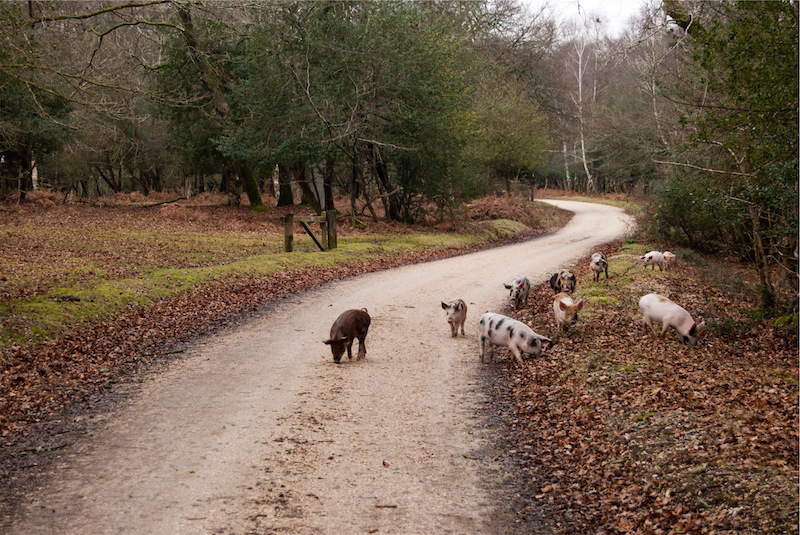
happy pigs
Consume meat from an animal that has been raised on pasture and you will be making a choice that will support your gut flora, not to mention up the nutritional ante of your meals. Those fat-soluble vitamins are critical for our optimal health!
For the love of your skin, your intestines, your brain, your bones, your glandular system, your reproductive system, heck for your lovely body from head to toe, aim to reach for animal products from animals that were fed on grass more often than conventional sources and your body will thank you.
If you're new to pastured meats or grass-fed products, may I suggest contacting Alberta Farm Fresh Producers Association, an organization working to connect local farms and local people. Come August this year, Alberta Open Farm Days will be on again; follow their missives on how they work to connect local farms with people in the province at their website.
I also have connected with a few local small farms that specialize in pastured animals; look for them via my facebook page (Scroll down to 'Liked by This Page'). If you're a local producer, I would love to connect!
And it's a good-better-best kind of scenario, friends. If you're new to consuming pastured products and are put off by the higher cost, start by going 40/60, and adding a few good things at a time. Or purchase cheaper cuts of meat to get started; you can also eat smaller amounts of meat, knowing it is more nutrient-dense you don't have to consume big cuts.
You will find an interesting series exploring Red Meat online here. Chris Kresser explores the health benefits of nutrient-dense red meat in a series of articles, and includes some yummy recipes too. Looking to explore the environmental impact a bit more? This series may be for you.
And if you're really curious to understand a bit more about the health and environmental benefits of consuming products from animals raised on pasture, might I point you to this comprehensive article from the Weston A. Price Foundation called Splendor From the Grass.
If you've read this far and are interested in further discussion on the health benefits mentioned above, I will be talking about this in Tuesday night's presentation on NAVIGATING FATS, happening in the NW of Calgary. Follow this link for more information on the presentation; pre-registration is required. $20 per person, plus a demo on how to make a nutrient-dense delicious addition to your pantry. I'd love to see you there!
Phat Fats & a Giveaway
My dearies. I have an evening workshop on WHY FATS and WHAT FATS and PHAT FATS (I think that should be the new working title, no?). It's coming up next Tuesday evening the 22nd, so next week. I'd love to have you come to the event! (Full event details by clicking here) So...
I AM DOING A GIVEAWAY.
Because I want you to come.
SHARE this post (handy dandy 'share' button at the bottom of the blog post) and your name will go in a draw next Monday morning for a chance to attend this talk next Tuesday night. I'll be giving away TWO tickets for this event, so that you can bring a friend if you like! Because friends let friends eat the good fats.
Contest closes at noon on Monday March 21st, 2016. Share away! And then fire me word via the facebooks or email at lukasymons@gmail.com to let me know you did just in case. (And let's talk fats too, shall we?) xx

THE DEETS:
In this current era of instant-information and seemingly contradicting information on what foods are good for you, which ones we should omit, it can sometimes be overwhelming trying to 'do the right thing'. In this one-hour presentation, followed by a Q&A, Holistic Nutritionist and local foodie Luka Symons will be helping you navigate through the information on Why Fats are Good, which ones to choose, which ones to omit from your diet and recommendations on how to include the good guys in your every day meal plan.
From heart health to immune health to hormonal balance and the all-important brain health, including healthy fats is a quintessential component to supporting our bodies for the work they do every day. In traditional cultures, fat was an essential daily component of the diet, and with good reason. We will look at saturated, unsaturated, cholesterol and heat tolerance. We'll look at which fats to use where in your cooking as well. As a bonus, I will demo how to make your very own creme fraiche at home, a full fat lactose-free dairy delight, sure to tempt your palate.
Cost is $20 per person, and seating is limited. In order to reserve your spot, please contact Renewal Homeopathy and Wellness at 403.202.8507.
I look forward to seeing you there!
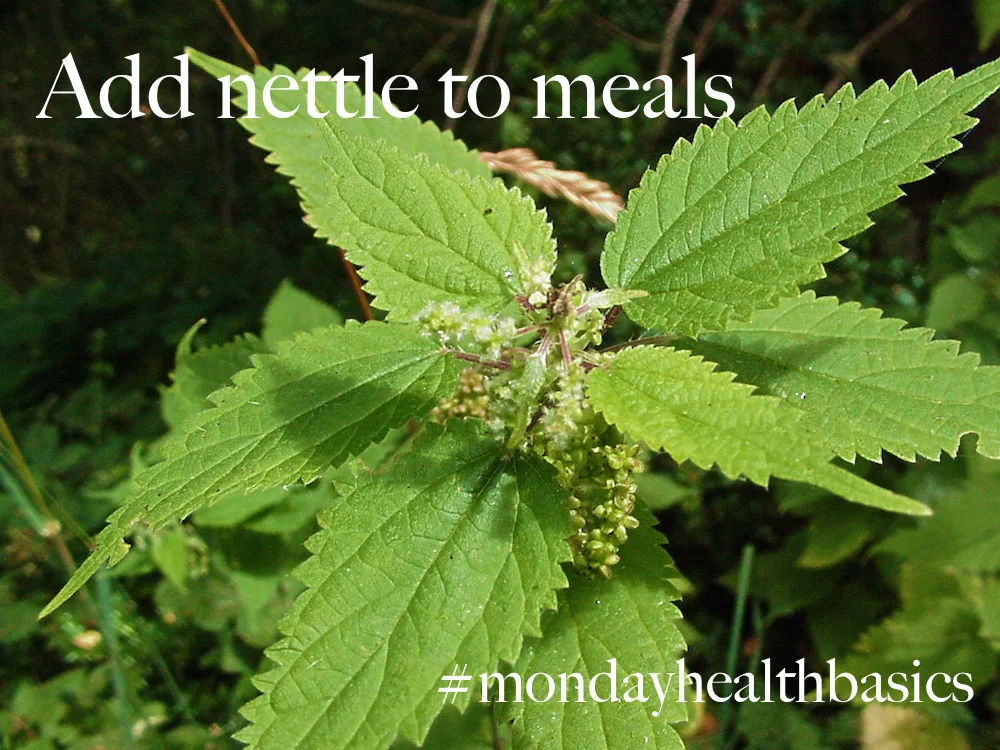
MONDAY BASICS: Add Nettle to Meals
Welcome to Monday. This week is St. Patrick's Day, and as I have some Irish roots, I did indeed aim to think green for this week's #mondayhealthbasics blog post. My week got off to a roaring start with a thoughtful gift from one of my sisters, a book from boreal herbalist wunderkind Beverley Gray called The Boreal Herbal: Wild Food and Medicine Plants of the North – a Guide to Harvesting, Preserving and Preparing. Oh the joy. Oh the possibilities!
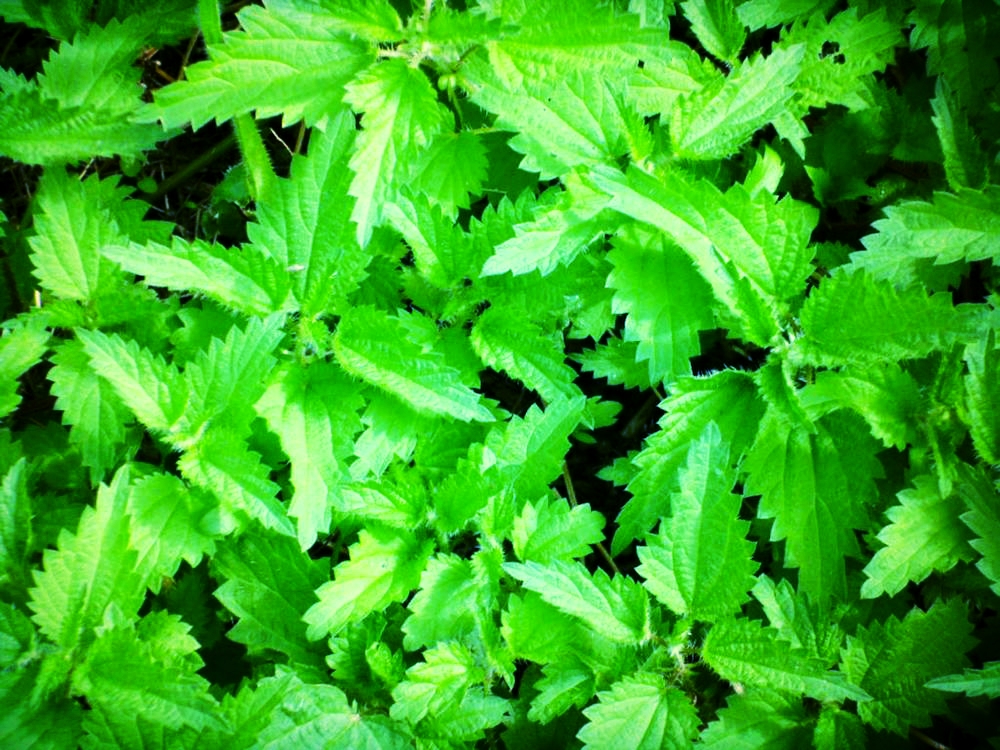
Leafing through the book last night, I zoned in on the Stinging Nettle, or Urtica dioica. Yes yes yes, the same plant that gives you the very intense zing-like needling you would experience were you to chance upon a patch without knowing it. This perennial plant runs wild in almost every nook and cranny of this planet where there are wetter areas or where the soil has been disturbed. It loves rich damp soil. And seeing as spring seems to be just around the corner, it will be one of the first wild plants that will pop up for early harvesting.
Welcome to Monday. St. Patrick's Day is happening this week, and as I have some Irish roots, I did indeed aim to think green for this week's #mondayhealthbasics blog post.
My week got off to a roaring start with a thoughtful gift from one of my sisters, a book from boreal herbalist wunderkind Beverley Gray called The Boreal Herbal: Wild Food and Medicine Plants of the North – a Guide to Harvesting, Preserving and Preparing. Oh the joy. Oh the possibilities! (I am so lucky to have two awesome sisters. I love them so!)
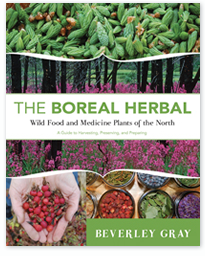
See, I am a forager at heart and as I dig a bit deeper into our family's history, I realize I come by this quite honestly. This book has been on my radar for years since a good friend shared the knowledge within and a few recipes and foraging forays with me. But leafing through this new tome to my collection last night got me dreaming of things I want to uncover in places near by. As the book cover suggests, “(this) is an indispensable guide to identifying and using northern plants for food and medicine.” In this book you will find profiles of plants, berries, herbs and trees that will help you identify them in the wild. These profiles will help you figure out how and when to gather and preserve these goodies, with safety tips. You'll find lots of recipes and how-tos with detailed information on how best to gather these medicinal foods and make the most of the plants growing wild in the recesses of your back yard to the more remote spots found in nearby wilder areas.
Leafing through the book last night, I zoned in on the Stinging Nettle, or Urtica dioica. Yes yes yes, the same plant that gives you the very intense zing-like needling you would experience were you to chance upon a patch without knowing it. This perennial plant runs wild in almost every nook and cranny of this planet where there are wetter areas or where the soil has been disturbed. It loves rich damp soil. And seeing as spring seems to be just around the corner, it will be one of the first wild plants that will pop up for early harvesting.
I love nettle for so many reasons: it grows wild and can be found quite easily if you know where to look and what to look for. It's a super green, providing a rich source of iron (we need for energy and oxygen transport in our bodies) and silica (a mineral necessary for our body's structural force so think strong bones, nails, skin and hair). It's a power house of vitamins and nutrients, a good source of vitamin K, magnesium, chlorophyll, vitamins A and C too. My favourite thing in nettles is the high calcium content: 1 cup will supply your body with roughly 40% of this important mineral for the day! All of this to say that nettle is a food that will promote the good health of bones and teeth, my friend. And these things we need strong for this world, yes?
The Boreal Herbal book explores the folklore behind this nutrient-dense herb, stating it is a blood purifier. It's purported to help your kidneys and liver. There are new studies looking into the efficacy of this herb in the treatment of BPH (benign prostatic hyperplasia), a non-cancerous growth of the prostate gland. So fellas, this one is for you too!
This herb is a fabulous anti-histamine herb, and as such would be of tremendous support for anyone dealing with allergies or the kinds of reactions we would associate with hayfever like itchy watery eyes. The leaves have also been shown to help combat inflammation, and so this herb would be of great benefit to someone suffering with arthritis or gout, eczema or psoriasis. Any kind of inflammation!
Nettle has a diuretic effect as well, so if you are someone who tends to retain water, this would be a good herb to add to your arsenal. Love your kidneys up, my friend.
Some companies have added it to their hair care products in order to help control dandruff. There are even manufacturers out there who have figured out how to utilize the fibres of the plant to produce textile. Fabric! All because of how easily and prolifically it grows. (Some folks call this a weed. A weed to you is a herbal delight to me.)
WHERE TO FIND THE GOODS
Now not everyone is up for hiking through dense marshy areas in search for this perennial herb. And fair enough. (I am not a super experienced forager, so I will forego sharing any tips or ideas on how or where to find nettle. I don't want to send you in the wrong direction or fail to give you the full and complete information you would need to ensure the plant you have in your hand is indeed the nettle plant. Plus, I don't want you to get hurt. BUY THE BOOK. It's about all I can say.)
So where would one find this amazing herb then, you ask, should one prefer to go the surer route? There are quite a few favourite local haunts where I have seen them on the shelves, or where I have purchased bags of the good stuff. Make sure to check your local favourite health food stores like Amaranth, Community or Blush Lane. You can also pick some up at The Light Cellar next time you're in Bowness.

Dry nettle leaves
HOW TO CONSUME THE GOODS
I'd forego trying the stuff raw. Imagine it stings you. While you're chewing. I'm just not that much into extreme food sports, you know? I mean they're called stinging nettles for a reason: there are hairs on the plant's stems and leaves that, when they come into contact with your skin, well they STING! And that feeling is just not pleasant.
But once you cook them, that stinging property disappears and you are left with a wonderfully dense, nourishing green that will provide your body with the good food. One of the easiest ways to consume the benefits of this herb is to steep it in a tea. Just toss the lot in with some water, and simmer for a short time if you prefer a weaker tea, or go ahead and let it simmer for longer for a deeper greener taste. I myself like to throw it in with other herbs in my thermos for the day's tea, depending on what I have in my pantry or what organ I want to support at that time. Nettle is always in the mix, every single day.
If you go digging around the internets, you'll find some wonderful recipes like this Potato, Golden Beet and Nettle Soup that sounds scrumptious. The good folks at The Kitchn have compiled a comprehensive list of recipes for clever ways to consume nettle in things like pestos, pastas, pies and pizzas here. You'll also find a wonderful compendium of recipes featuring this herb at a website solely dedicated to the health properties of Nettle.
I'm not so calculated, I tend to cook from the hip. I throw a handful of dried nettles in lots of things from meatballs to soups and stocks; I've been known to throw some in with the ground beef or bison I'm cooking for a taco salad or add it in to spaghetti sauce or a chili. Anywhere you want a little more green, my friend. It's as easy as that. Toss it in with your morning egg scramble; add it to the shredded sweet potato pancakes you have on tap for dinner tonight; simmer them a bit in a cup of meat stock for snack time; add it to your herbal profile when making a bouillon salt; add it to the greens you're cooking up for a yummy Palak Paneer; throw it in with the vegetables in your next ferment.
Whatever you do my friend, you best
GO PLAY WITH YOUR FOOD.

And happy St. Patty's day!
MONDAY BASICS: Ditch the Dryer Sheets
This week's #mondayhealthbasics post is a practical in-house thing you can easily swap out or eradicate from your home. It's something we don't usually think too much about, as it isn't something we eat. See, when it comes to household cleaners and cleaning products, there is no need to list the ingredients that go into the making of your product. It isn't something that will be ingested! Well, not in a 'let's put it in the soup and salad' kind of way. Not intentionally. We're talking dryer sheets my friends. What they are, why you want to get rid of them, and some simple swaps you can add to your cupboard this weekend and know you've reduced the toxin load in your home already.
(And yes, you will ingest some of the stuff from your dryer sheets or fabric softeners. Read on for more info.)
This week's #mondayhealthbasics post is a practical in-house thing you can easily swap out or eradicate from your home. It's something I don't usually think too much about, as it isn't something we eat. See, when it comes to household cleaners and cleaning products, there is no need to list the ingredients that go into the making of your product. It isn't something that will be ingested! Well, not in a 'let's put it in the soup and salad' kind of way. Not intentionally. We're talking dryer sheets my friends. What they are, why you want to get rid of them, and some simple swaps you can add to your cupboard this weekend and know you've reduced the toxin load in your home already.

It's astounding how many chemicals are in dryer sheets. I did a little digging around to see if I could come up with an exact or round-about number, and found a few different tales out there. One study published by Air Quality, Atmosphere and Health in 2011 stated there were some 600+ volatile organic compounds (VOCs) released from dryer vents from homes using 25 of the most common brands of scented laundry products. Dr. Mercola wrote a concise article that goes in to good detail about the hazards of the chemicals found in dryer sheets; if you're looking to be gob-smacked, point your browser here.
Some of the ones that jumped out at me: Chloroform (a documented neurotoxin and carcinogen), 1,4-dioxane (a known carcinogen), Ethyl Acetate (a narcotic). That is just scratching at the surface. This article outlines the top seven most common chemicals that are found in dryer; it's astounding how much they have an effect on the central nervous system. Your brain, my friend! THINK OF YOUR BRAIN!
There was a new study published last year that went in to exploring the impact of chemicals found in laundry products like dryer sheets had on the reproductive system of both men and women. Yep, you guessed it: diminished reproductive capacity in both genders. I don't know about you, but with a (not-so-) little one in my house, I want to work on limiting her exposure to things which may impede me from becoming a grandmother one day.

Oh yes. Those chemicals that go into the making of those dryer sheets end up in our bodies. We ingest them! The slimy (or soft) coating on all of our clothing is what the dryer sheets or fabric softener have left behind, ensuring we have that pillowy soft look to our clothing. That stuff rubs off on our skin, and yes it gets absorbed in to our bodies that way. We also ingest the perfumes that come off these clothes, both while it's venting out into the backyard whilst it tumbles in the dryer, and when smelling in that 'fresh smell scent'. Think volatile organic compound. Nasty.
Now while I'm specifically going after dryer sheets, I want to be clear that I am also including fabric softener in this lot. They tend to have very similar chemical make-up, full of perfumes and surfactants to make your clothes feel soft and fresh. While I'm no slouch and would prefer to have soft-feeling clothes for the feel of it and what social bonus points it would award me, I am just not prepared to risk my health and that of my family's for me to look good. I'm also not keen on venting those chemicals out to my lovely neighbours either, nor the gang who regularly walk through my hood for their evening stroll. Oh yes, when you smell that fresh-scent while out for a walk, you'll be thinking VOCs. I'm a little sorry about that. But you needed to know.
These chemicals are just things to add to the toxin pile. When you think toxin, think liver. Your liver is the hard working organ that has to filter that stuff out, and when your liver is full up and just can't handle the load coming its way, it will start relieving itself of some of its regular duties like keeping inflammation down, or filtering out your blood as completely as it would like to, or getting rid of spent metabolic waste and hormones, or converting some plant-versions of vitamins to the animal-version you need (because you're an animal).
Your liver does 400+ jobs in the body.
Give it a little love, will you? Ditch the dryer sheets.
There are a few easy things you can do if you're looking to replace those toxin-loaded laundry helpers. For one thing, you can add 1/2 cup of white vinegar to your washer's load during the rinse cycle in order to get that soft feeling in your clothing, towels and bedding. Vinegar is a fabulous natural fabric (and water!) softener.
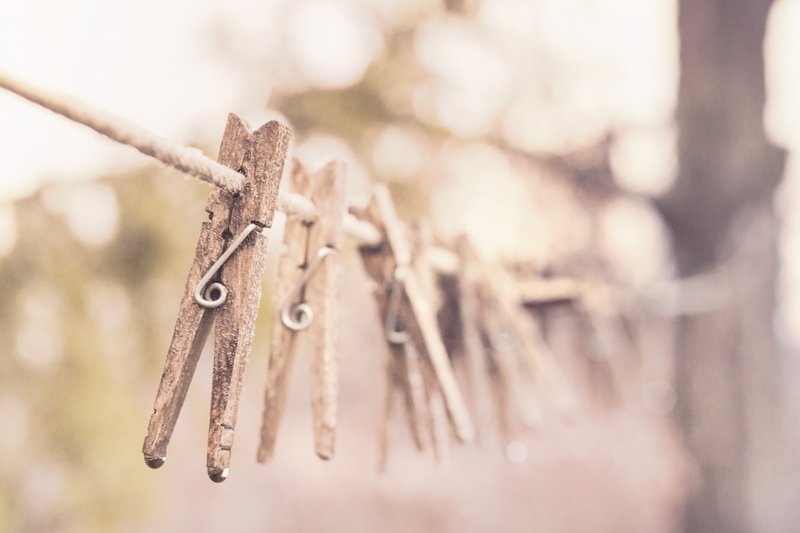
Of course, if you like the fresh scent, you can also opt to hang your clothes on a line in your backyard, or on a dryer rack in your basement. Double bonus for those living in Alberta, hanging clothes indoors in wintertime will help humidify our otherwise super-dry air. To me, there's nothing better than climbing into bed at the end of the day with the waft of outside fresh air coming off the sheets as my head hits the pillow. (And the towels! Outside-line-dried towels are amazing exfoliators! (Sorry. Was that too much?))
My absolute favourite thing is a DIY dryer ball. This is a fabulous alternative to those nasty chemicals, and they last a long time. You can purchase some pre-made natural wool dryer balls at quite a few natural health stores and cool shops in town, but you can easily make your own at home with the copious amounts of wool you still have on hand for that rainy day project. I have made quite a few of these balls and gifted them to friends. They're quite straightforward, require just a little bit of time to wind them up. You need to wash them in fairly hot water to get them to 'felt', and then toss them in the dryer and they're already working for you. As a bonus, they're also easy vehicles for natural (and safe!) scents: you can easily put a few drops of your favourite essential oil on them for a natural scent that will not add any volatile organic compounds. Double like! Find one method here, and another one over here.
I also found this recipe online on how to make your own fabric softener. Might be worth giving it a shot!
There's a recipe here as well for how to make your own homemade dryer sheets. Looks easy enough!
Curious to know more and delve further into 'greening' your cleaning routine? I have compiled some ideas and information under a handy dandy category of my Pinterest page. Great place to visit for DIY recipes, links to fascinating articles and studies that may make you scratch your head.