
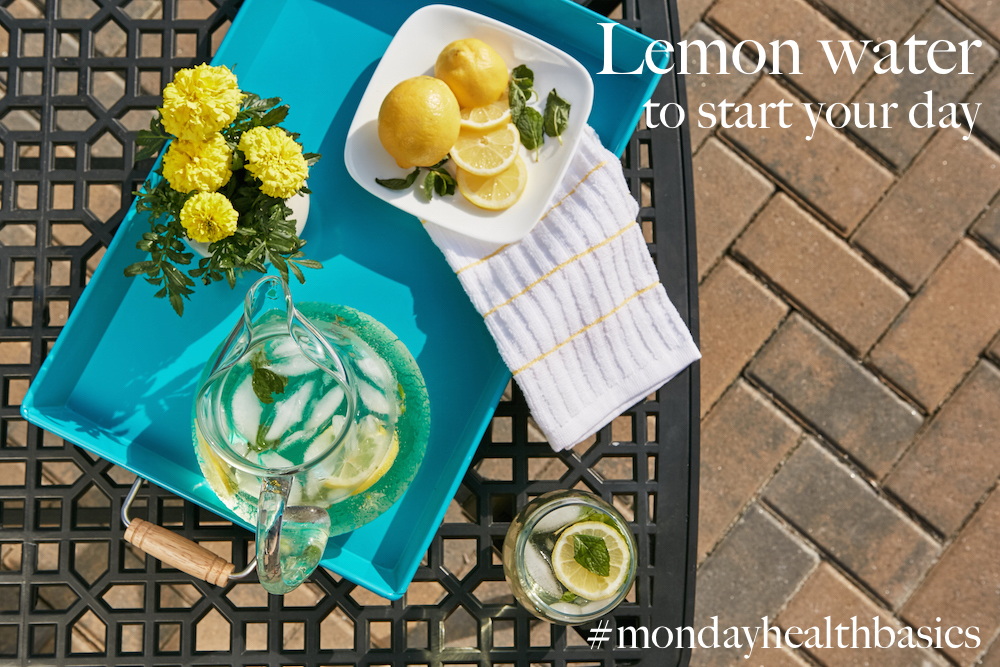
MONDAY BASICS: Lemon water to start your day
The ninth in this blog series of weekly easy upgrades for better health is a pretty simple one. It takes all of 3 minutes of prep once every two weeks, and a little forethought every night before hitting the hay. We're talking the pros of starting your day with a glass of lemon water.
The ninth in this blog series of weekly easy upgrades for better health is a pretty simple one. It takes all of 3 minutes of prep once every two weeks, and a little forethought every night before hitting the hay. We're talking the pros of starting your day with a glass of lemon water.
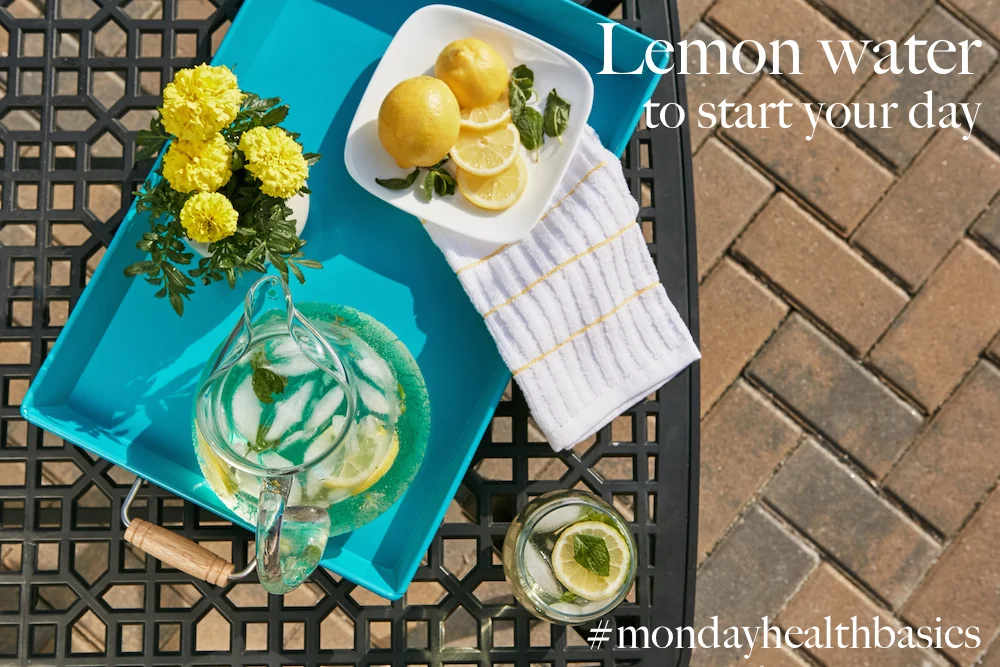
Omit the ice cubes for improved benefits. I just liked the colour here.
There are so many benefits to kicking your day off on the right foot with this lemon water business. This recommendation is one that just about every client I see on an individual basis will get early on in our work together. The benefits are many, as you will see by the list below.
But first, the how-to:
There are a few ways to do this. It's a good-better-best kind of deal if you simply add a tablespoon of bottled lemon juice to a glass of room temperature water first thing upon waking in the morning. Upgrade that to a freshly squeezed half lemon for even more benefits in the same glass of water.
Want to really knock this one out of the park? Purchase a bag of organic lemons and run the lot through your stand mixer or food processor in order to reduce them to a mushy paste. Yes, skin, rind, seeds, pith and all. Pour this paste into ice cube trays and tuck in the freezer for easy retrieval. Before heading to bed at night, pop one of those lemon ice cubes out of the tray and toss in a glass of filtered water, and set on your night table so that come morning, that lemon will be melted into the water. Down the zesty drink first thing before even getting up, and you've done your body a good deed already. And your feet haven't even touched the floor yet! GOOD WORK.
Now go about your morning routine, washing up, getting dressed, packing lunches, feeding others, and preparing your breakfast. Getting the water down the hatch first thing will allow your body to absorb that water and give a good 30 minute buffer before your breakfast is ready to eat. This buffer means that the water will not dilute your hydrochloric acid, and thus will not hinder your digestive prowess first thing in the morning. Again, GOOD WORK.
But why?
The reasons for implementing this daily ritual are many. First things first: after a good night's sleep, your body can be leaning towards dehydration as it hasn't consumed any water for a long period of time. Starting the morning with room temperature water will help rehydrate, and the added lemon will get your digestive system started. As our body does its restorative work during our sleep, starting the day with this bitter beverage will induce the liver to do a very gentle cleanse first thing, flushing out toxins and getting bile flowing. Water is the main component of our lymph system, and so by consuming this glass of water in the morning we are further supporting our body's natural detoxification job in moving toxins and antigens out.
As is well documented, citrus fruits are also good source of Vitamin C: this crucial antioxidant plays an important role in supporting the liver, a main player in immune and a necessary nutrient for supple skin and health for connective tissue (we need it to make collagen in our bodies). And let's not forget the adrenals, they too rely on Vitamin C and so think of this as a good support for you to better be able to handle stress. Vitamin C is also a big player in keeping free radical damage at bay, and so of good support to skin.
As an added bonus, citrus fruit have been well documented to contribute to reducing overall inflammation be it systemic, chronic or acute in nature. What's not to love?
Make sure your glass of water is either at room temperature or a bit warm, as cold water will shock your system and reduce the benefits you may be seeking here. This is part of the reason why I recommend you prepare this morning wake up the night before, to ensure the temperature won't slow down the benefits we're seeking here.
If you're worried about any negative effects on the health of your teeth when consuming lemon water on a daily basis, you may want to consume your water through a straw, bypassing your teeth entirely.
Just adding this one easy task to your morning routine can bring support to your liver, lymph system, skin, digestive system, connective tissue, reduce inflammation, neutralize those free radicals and help rehydrate your body. It's really an easy add-on with myriad benefits. Try this one out, and let me know how you feel one week in!
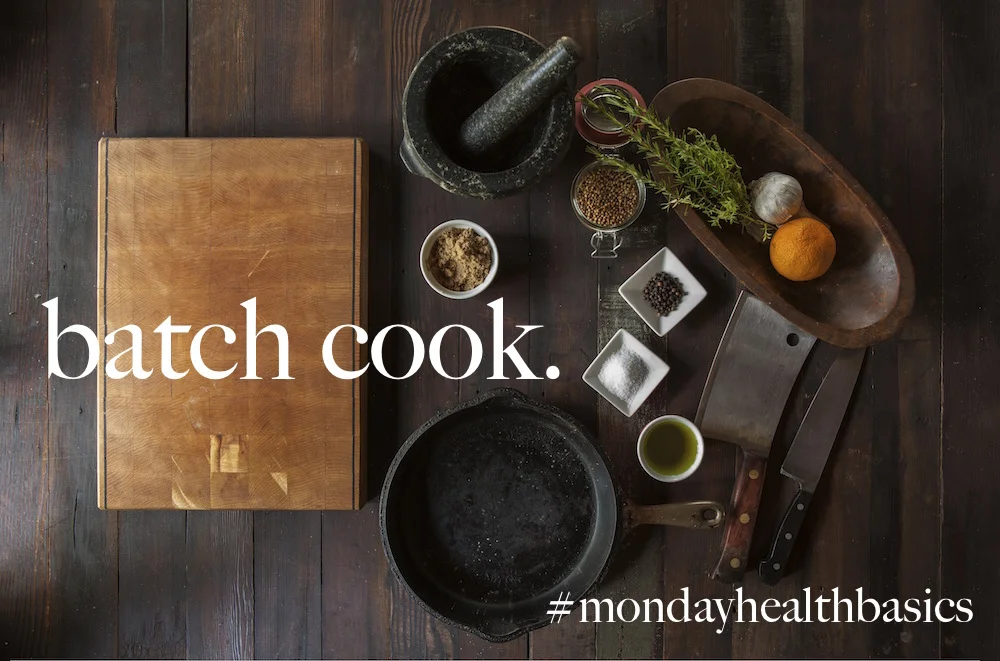
MONDAY BASICS: Batch Cook.
This week's Monday Health Basics idea is one that I have implemented in my weekly approach to making meals an easier and more attainable task, and has evolved over time. In the last six or seven years, I have slowly winnowed out packaged and prepared foods from our family's regimen and have been aiming for more and more whole foods from scratch. It all started with my few years of working in the kitchen at my daughter's school, helping to prepare the school's hot lunches. Batch cooking is really at the heart of making meals for large groups, and some of these tenets can be taken into your own kitchen, albeit on a much smaller scale. Let me save you that five years' of ruminating I did, and skip to the good part. BATCH COOKING ON THE WEEKEND. In do-able chunks.
Monday Health Basics: a weekly blog post where we explore simple things to add, in order to support ourselves to aim for optimal health. If you're new to the blog, or curious to peruse the other posts on the subject, might I recommend you click on the tag at the bottom that says “monday basics”? Good fodder there to get you started.
This week's idea is one that I have implemented in my weekly approach to making meals an easier and more attainable task, and has evolved over time. In the last six or seven years, I have slowly winnowed out packaged and prepared foods from our family's regimen and have been aiming for more and more whole foods from scratch. It all started with my few years of working in the kitchen at my daughter's school, helping to prepare the school's hot lunches. Batch cooking is really at the heart of making meals for large groups, and some of these tenets can be taken into your own kitchen, albeit on a much smaller scale. Let me save you that five years' of ruminating I did, and skip to the good part.
#mondayhealthbasics: batch cook.
The concept of batch cooking might not be as foreign to you as you think. Some people call it The Big Cook, others get a gaggle of friends together to make a shwack of meals (yes, that's the technical term) for everyone to divvy up and take home. I participated in one of these group sessions for meal making, and it was a breeze. We decided on the recipes before hand and sent our grocery list to the woman hosting, and then spent that whole day assembling meals in foil containers and freezer bags. We each took home two full family-sized servings of every meal that was pulled together that day. It was amazing! I can't imagine how much organizational work went in to it on behalf of my superstar friend organizer Cindy, but it truly brought such a fabulous group of women together, and we all ate better for those next few weeks, let me tell you. It was a gargantuan grocery bill as you can imagine, but we all divvied up the cost and the labour, and if you can add 40 family-sized meals to your freezer for the coming days and weeks with only one day's work, I'd say you're way ahead of the game. Thank you for that memorable day, Cindy.
I have joined with friends since then to do mini versions of this big cook idea, and had great success. It really does make meal prep in the ensuing weeks immensely easier. I'm up for anything that takes a load off and makes things easier.
I don't know about you though, but I can't sustain a day or a full afternoon of batch cooking every few weeks. I simply don't have the time, unfortunately. And so I have winnowed this idea down over the course of these last few years, to make it an accessible task for myself when it comes to meal prep for our family.
I aim to do one batch cook prep item per weekend for the week's meals ahead.
How I come to choose which item, well that depends on a few things. Some weeks, I will pick an easy enough condiment that will be the base of many of the coming week's meals. (Mayo anyone?) I have been known to prepare big batches of lentils, nuts or seeds and allowing them to pre-soak in order to deactivate anti-nutrients. Doing a whole shwack (see a pattern?) means I only do it once for a bevy of meals down the road. And yes, I have two freezers.
When out for groceries for the week's meals, I sometimes come across some incredible savings on produce and so stock up. Once back at home, I tuck these discounted veggies into bags destined for the freezer. Other weekends I may have a pot of meat stock happily bubbling on the stove for meal plans in the week ahead. It really all depends what I have going on, or what kinds of things I need to stock up on.
And so today, my food-loving friend, I wanted to offer my suggestion on how to make this whole-foods journey a bit easier, and a more manageable task. Every weekend, I think of one thing I need to make in order to make the coming week's supper time a more manageable task when it comes to preparing food for my family. Below, you will find my list of ideas; click on the titles to find spots online for recipes or how-to.
To be clear, just choose one thing to make on the weekend!
Next weekend, it will be something entirely different. But slowly, over the course of time, you will be building your resources and stock piling some delicious offerings that will help make mid-week meal prep an easier task. I'd love to hear what kinds of tips you can share that have worked for you!
Easy One Batch Cooking Ideas
for weekend planning to ensure ease of meal making in the week ahead (click on items that interest you for full instructions and how-to)
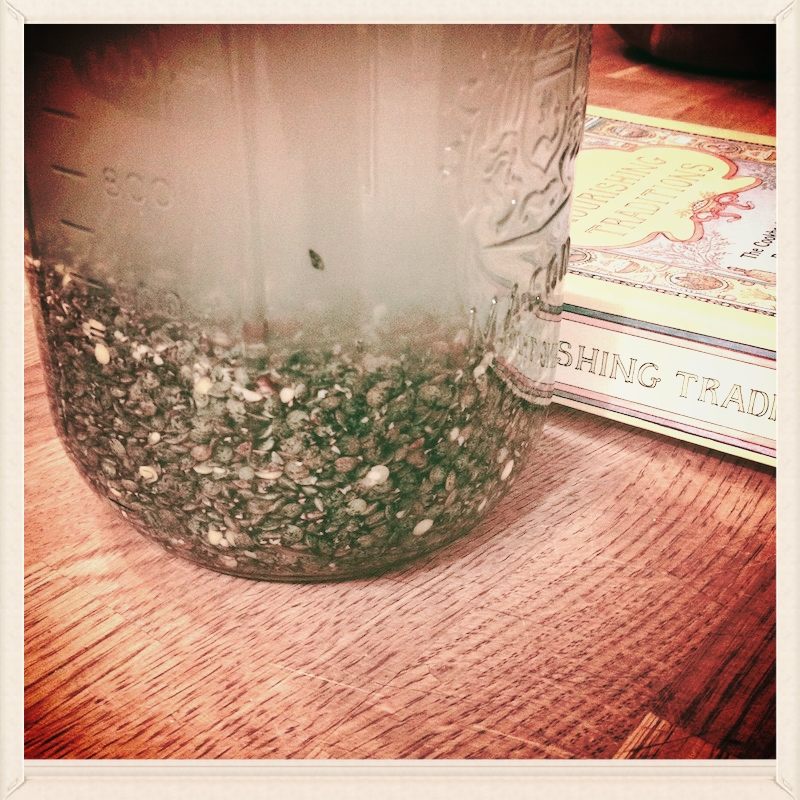
Pre-soak 8 cups of lentils for 12 hours along with 2 tbsp apple cider vinegar, drain then cook 40 minutes or until cooked to desired consistency. Tuck in smaller portions in freezer bags for future quick protein for salads, soups and lunch bowls. (Follow this link to find more info on how to properly soak & cook beans and legumes)
Make a big batch of pizza sauce and freeze in ice cube trays for easy retrieval on pizza night
If you are planning to order a side of beef or pork, ask your farmer if they would sell you the fat from the animal and intend to make a batch of lard or tallow (couldn't be easier!)
Make a curry paste from Jamie Oliver's fab set of recipes, and intend to use it up in myriad ways in the coming weeks
Have milk going bad soon? Make your own yogurt!
Go the easier route with dairy that is going off (or that 50% whipping cream at the grocery store). Make a big batch of creme fraiche! It will extend the shelf life of your dairy by at least 3 weeks.
If chicken is on sale, consider throwing it all in your slow cooker with a 1/2 cup of water for 8 hours on low. Shred the meat off of the bones and tuck in freezer bags for quick protein additions to later meals, and save the stock that has gathered. Delicious.
Make a batch of meat stock - great base for all kinds of meals.
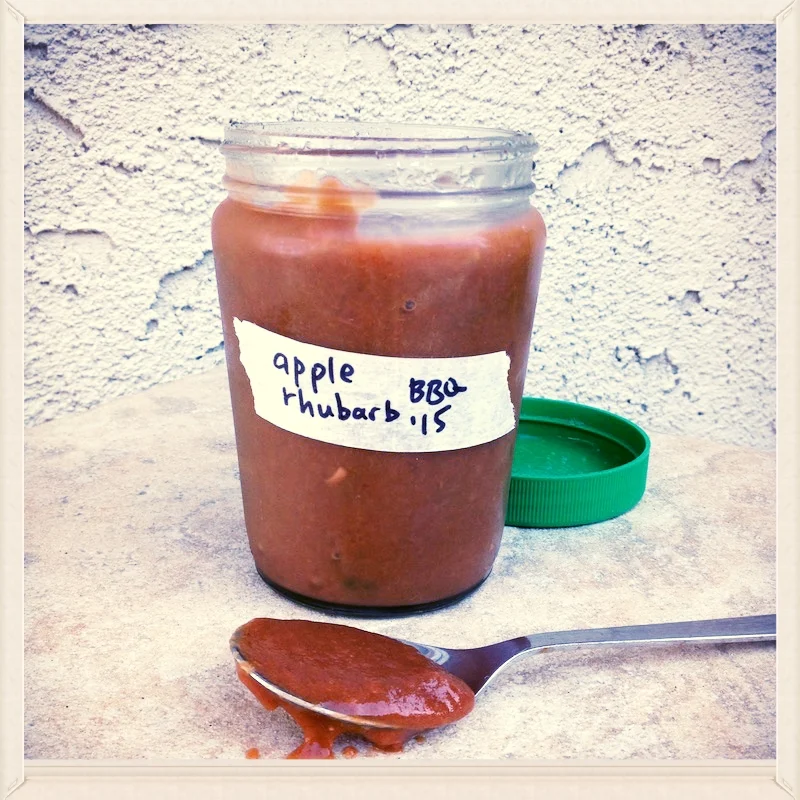
Make a homemade ketchup or BBQ sauce (bonus points if you try your hand at fermenting them!)
Homemade bread is so much better than store bought. Whip up this batch of Artisan Bread in 5 minutes a day, and it will keep in your fridge for up to 12 days. You need only pull out enough to make a loaf, tuck the rest in the fridge for later that week.
Double or triple a big batch of soup or chili on the weekend, and tuck into individual-sized containers in to the freezer for quick lunch grabs or dinner re-heats on hockey night.
Greens getting wilty in the fridge because you never got around to them during last week's dinner intentions? Get some fresh herbs and make some pesto or chimichurri by replacing half of your herbs for those wilty greens
Making your own mayo is infinitely easy and serves as a great base for flavours in this week's meals. Look for some great alterations to standard mayo recipe to dress up the next days' meals here.
Make a big batch of easy homemade kale chips
Pre-soak and sprout one kind of nut or seed at a time, and dehydrate. Do this in as big a bulk you can afford and have room for, and tuck in freezer bags in to the freezer for easy retrieval.
Buy three or four vegetables for the meals coming up. Wash and peel if necessary, and chop into individual containers in the fridge for quick add-ins to the meals you have in mind. Cuts down on your prep time during busy weeknight meals!
Roast a half dozen sweet potatoes while prepping Sunday night's dinner, and keep them in the fridge again for easy suppers mid-week.
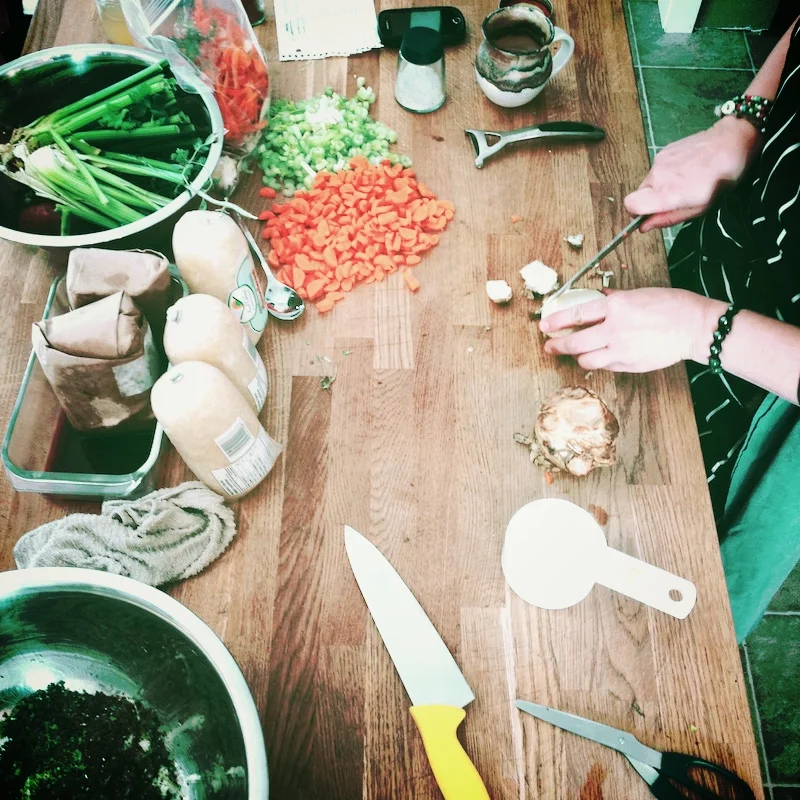
Batch cooking day with a friend.
Keep it simple
There you are. Just a few ideas to get you started. My idea here is to offer some ideas on doing one good thing a weekend to prep for meals coming in the week ahead. As you build on this one-thing-a-weekend, soon your pantry and freezer will be loaded with quick things you can add to your week's meals. At the core of it all, I want to underline the word simplicity. Keep it simple. Good-enough-meals are just what should be on the table. No company is coming over, nothing fancy nor drastic is required. Just simple, and good enough.
Please go play with your food. And comment below with ways you keep it simple and tasty!

MONDAY BASICS: Switch to Filtered
I am going over one of the first and most basic changes I recommend to my newest clients: SWITCH TO FILTERED.
We're talking water, of course. We're talking nix the straight up tap water, instead filtering it so it's of gentler support to your body. There are lots of reasons, first and foremost because of chlorine. This chemical is found in our tap water and thank goodness it is – to be clear, this prevents our water supply from contamination which means it saves us from disease and infection from bacteria that could be found in our water supply. Adding chlorine to our drinking water means we can prevent getting sick from water-borne diseases like cholera, E.coli and Giardia. Really quite brilliant, yes. But all of this disinfecting comes with a price.
In this Monday Basics Series, I have touched on the importance of water consumption and the timing around that consumption. I have a few more water-intake posts planned for later this year, but today, in honour of The Minding and Upkeep of You, (a new thing I'm doing with my one-on-one practice with clients) I am going over one of the first and most basic changes I recommend to my newest clients: SWITCH TO FILTERED.

We're talking water, of course. We're talking nix the straight up tap water, instead filtering it so it's of gentler support to your body. There are lots of reasons, first and foremost because of chlorine. This chemical is found in our tap water and thank goodness it is – to be clear, this prevents our water supply from contamination which means it saves us from disease and infection from bacteria that could be found in our water supply. Adding chlorine to our drinking water means we can prevent getting sick from water-borne diseases like cholera, E.coli and Giardia. Really quite brilliant, yes. But all of this disinfecting comes with a price.
Chlorine reacts chemically with other substances naturally found in our water or ones that are in our bodies to form dangerous toxins that have been linked to certain human illnesses like asthma, eczema, cardiovascular disease and bladder issues and linked to damaging effects of many organs and systems including the heart, kidney and central nervous system. These byproducts contribute to free radical buildup and damage in our bodies too, which can contribute to cell damage and setting the stage for cancer. We are all biochemically unique individuals, and so how much each person is affected by the chlorine in our drinking water differs from one person to another.
Another big concern with chlorine is that it is just that, a bacteria-erasing chemical. If our guts have microflora or probiotics or good gut guys, whatever you want to call them, this chlorinated water is going to eradicate what we are trying to cultivate. Having good microflora in our gut (or a balanced microbiome) is essential to overall optimal health and immune support. If you haven't yet, I highly recommend watching this video to understand the magnitude of looking after our gut flora. So by filtering our water, we will be ensuring a more hospitable environment where our gut microbiome can thrive and in turn, look after us. Win-win, kids, win-win.

As well, the chlorine in water has been shown to have a negative effect on the thyroid. In the body, the chlorine molecule looks a lot like the iodine molecule; if you look on the periodic table of elements, chlorine is in the same column as iodine, and the same one as fluorine and bromine. Studies now show that ingesting these chemicals can run interference with organs that depend on iodine, chiefly the thyroid. There is even some suggestions to add a chlorine filter to our shower heads!
SOURCING OUR WATER
As water is fundamental to our body's function and living, it is imperative we ensure our water source is the cleanest possible, and that we pay attention to limiting the negative effects of some of the chemicals that can be found in our water. Our best choice? For drinking water, go with spring water as this natural unprocessed water source is controlled and measured for any volatile compounds or contamination from local agricultural or industrial sources.
But ensuring spring water as your main drinking source is not a possibility for everyone; my second best recommendation would be to invest in a good water filter. There are many options out there, find the one that will best fit your budget. Shop around, ask friends what they like. Check to see if your refrigerator's water supply came with a filter! If it did, make sure you're changing your filter on a regular basis. If you're going for a stand-alone filtering system, there are jugs or stand systems with charcoal filters that are great at removing chlorine, some particulate matter and some of the heavy metals as well as some bacteria, parasites and most viruses. But these carbon filters can be a breeding ground for bacteria: make sure to change your filters on a regular basis. They do remove the majority of chlorine but won't take out fluoride. Not a concern in Calgary, as our city has since removed the fluoride that used to be added to our water. For those in Calgary who would like to know more about our water supply, follow this link.
Reverse osmosis systems may be the way to go for some, as it takes out 100% of all organic matter including the minerals; know that you should consider re-incorporating minerals into that water for drinking purposes. Adding a pinch of sea salt to your jug of RO water may be just fine, or running it through a system that will re-introduce minerals may work for you too. What system you choose is a personal choice; do your own research to find which one best suits your needs and budget.
Because your thyroid, your gut called and your immune system all called. They say thanks, in advance.

I often have gut and thyroid based talks on the go, make sure to check on the Events page to see if something is on the horizon. You might find the information presented useful!
For those who ferment at home, getting a water filter of sorts will be of great benefit to you, as chlorinated water also halts or may hinder the fermentation process. Think of the doors that will open up with this new filter in your life!

MONDAY BASICS: Eat Good Fats
One of the most confusing topics in my practice as a Holistic Nutritionist is the Great Fat Debate. What is a good fat? What isn't as good a fat? Which ones should we nix from our kitchen pantry? In this next in the series of #mondayhealthbasics, let's take a gander at this hotly debated topic, albeit in a bit simpler form.
One of the most confusing topics in my practice as a Holistic Nutrition Practitioner is the Great Fat Debate. What is a good fat? What isn't as good a fat? Which ones should we nix from our kitchen pantry? In this next in the series of #mondayhealthbasics, let's take a gander at this hotly debated topic, albeit in a bit simpler form.
These Monday blog posts are meant to be quick reads, and easy swaps or add-ins to your daily routine in order to support optimal health. And while I could talk for days on the topic of fat, I want to make this as succinct a blog post as I can. If you're looking for further reading and understanding of fats, I recommend some reliable sources at the bottom of this blog post, and invite you to peruse through those sources in order to best arm yourself with what makes sense for you. Every body is biochemically unique, and what works for one person won't necessarily work for the next.
I want to clear one thing up: FATS ARE GOOD. FATS ARE NECESSARY. They are a macronutrient category, much like Protein and Carbohydrates. These macronutrients are necessary for so many things, and one cannot just toss a macronutrient to the curb because they don't like the sound of it. Know this: there are good fats out there. Sure, we were misled. The news is lit up with stories, and you can do your own research there. I just want to provide you the good things to add without barraging you with studies and information. That stuff is already out there.

So why include fats?
They're a macronutrient. We need good fats as they serve as a concentrated energy source in our diet. We need them for cell membranes, hormones and hormone building. They play an integral role in our growing children's bodies, helping them to build each and every system especially their reproductive systems. They are necessary for proper immune health, and we need them to build bones and teeth. Without fats, our brains would not exist (60% of our brain is made of cholesterol, a type of fat!). We need fats to better absorb, assimilate and metabolize minerals. Fats are a necessary component of insulin production. Not only that, but saturated fats (a certain kind of stable fat = think solid at room temperature) protect the heart and liver against the damaging effects of stress. In Dr. Natasha Campbell-McBride's book GAPS: The Gut and Psychology Syndrome, a book that explores the connection between the health of the gut and the health of the nervous system and how supporting improved digestion and assimilation can lead to improved health for the nervous system, she explains how big of a role good quality fats can play in contributing to reducing overall inflammation, including that found in the gut. We need fats to get the fat-soluble vitamins in our bodies: vitamins A, D, E and K which we need for healthy skin and mucosal linings (intestines! respiratory tract!), immune system, bone building and maintenance. One of my favourite things good fats can do is to help slow down the absorption of foods at mealtime. This means we feel fuller, longer, or satiated and this, in turn, helps balance blood sugars. Which is HUGE. (Anywhere you see blood sugar imbalance, think 'HANGRY', or brain fog, or inflammation, or adrenal drain, or blood cholesterol levels, or stress...)
So for you, dear friend, here are your healthy fat guidelines for this Monday morning
remove your liquid vegetable oils like canola, sunflower, safflower, peanut oil, corn oils from your pantry (keep your olive oil and flax seed oil, and your sesame oil too) as they contribute to the inflammatory picture going on
start cooking with saturated fats like butter, coconut oil, ghee, lard, tallow , shmaltz
low to mid temp cooking with olive oil and avocado oil is great, but ensure you are buying good quality oils (my favourite is to go with a small locally-owned specialty shop that can best guide you in choosing the right oil)
add a pat of ghee or butter to your veggies
drizzle olive oil on your salads or soups
make pestos, homemade mayo
if you are eating pastured meat, do not discard the fat
if you are drinking milk or eating dairy, swap your skim milk and 0% yogurts for the higher fat products
Reach for real food, reducing your intake of pre-packaged foods (usual hidden culprits of rancid oils)
start introducing these healthier fats slowly
Having said all this, if you are new to cooking from scratch or making whole foods, start slow and add one good thing to your pantry a week. As you add the good, the bad will fall to the wayside. And you'll be doing it in increments that are do-able, and sustainable!
HEALTHY FAT SOURCES
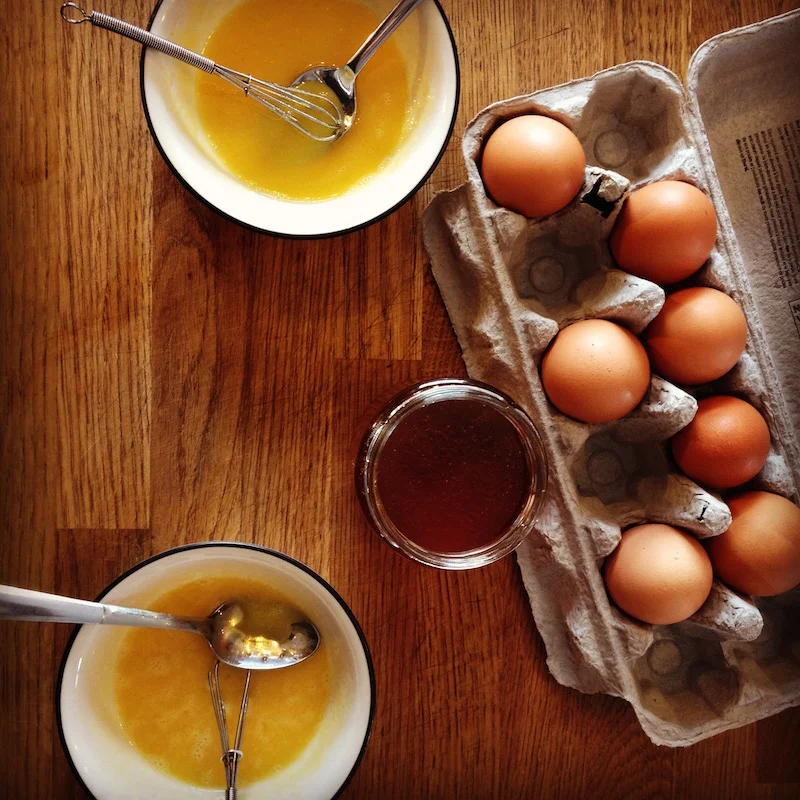
BUTTER and GHEE (conventional –> good; organic –> better; grass-fed -> best)
raw nuts and seeds (pre-soak for easier digestibility)
olives and olive oil
coconuts and coconut oil
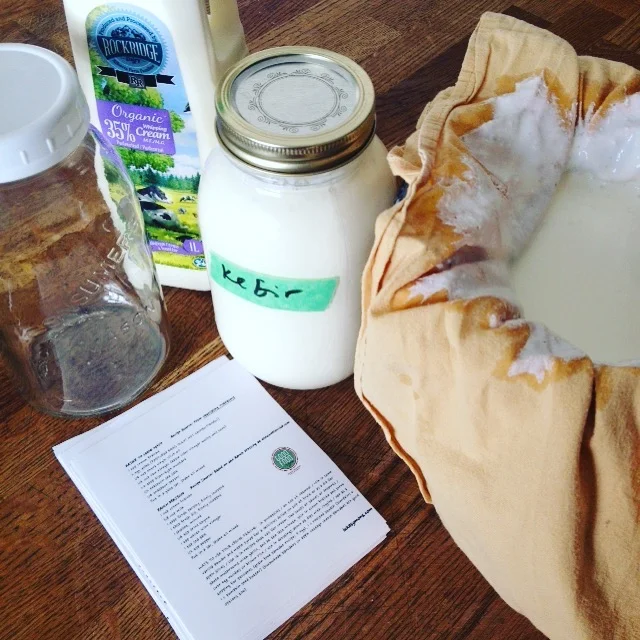
Dairy products like cheese, kefir, whipping cream, yogurt, creme fraiche if you can tolerate dairy
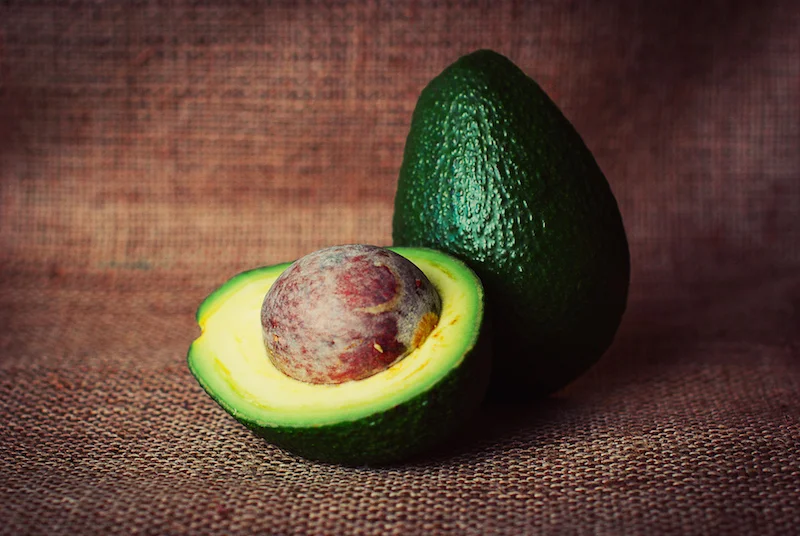
avocado
grass-fed meats and wild caught fish (from the ocean and freshwater)
unheated nut oils (keep them in the fridge)
fish oil, cod liver oil, krill oil
goose and chicken fat (shmaltz)
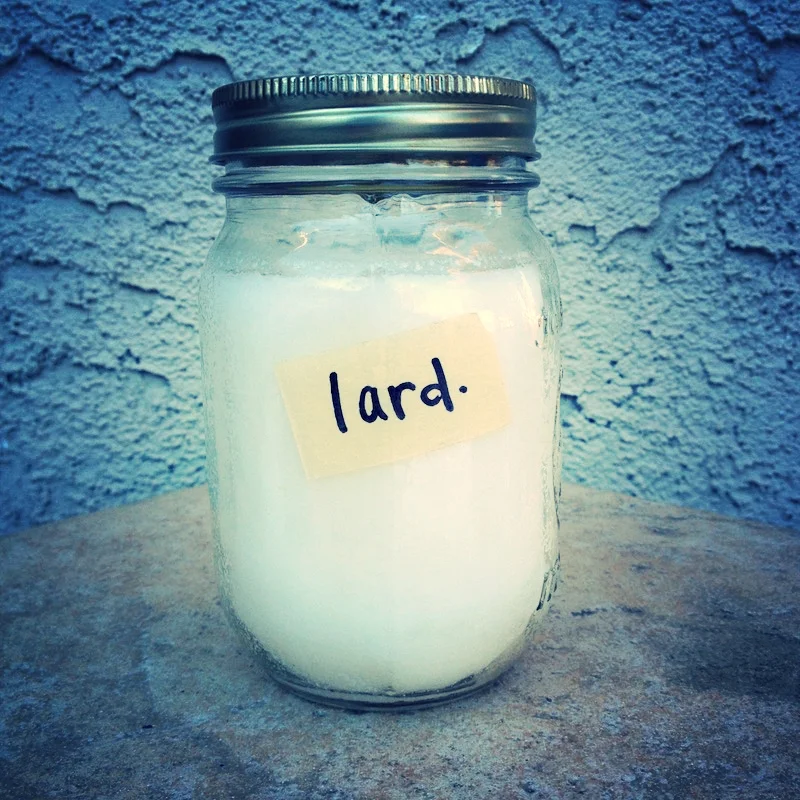
lard and tallow (bacon fat and beef fat, rendered)
avoid any packaged foods with 'soy bean oil' or the words 'hydrogenated oil' on it
Today's take-away: make sure to have a good fat at every meal and snack.
Have some nuts, seeds, or nut butter, or mix butter+honey=frosting!, have half an avocado with breakfast and drizzle it with olive oil, make sure to add cocoa butter to your smoothie or some yummy coconut oil.
If you're interested in reading up some more, may I recommend:
Sally Fallon and Mary Enig's book Nourishing Traditions
Dr. Natasha Campbell-McBride's book GAPS: The Gut and Psychology Syndrome
The Weston A. Price Foundation has done extensive research into the traditional uses of fats, and their applications in today's world. Read here for the full skinny on fats.
This online blogger goes into detail about which fats to include for a GAPS protocol
Now go eat a pat of butter, will you?
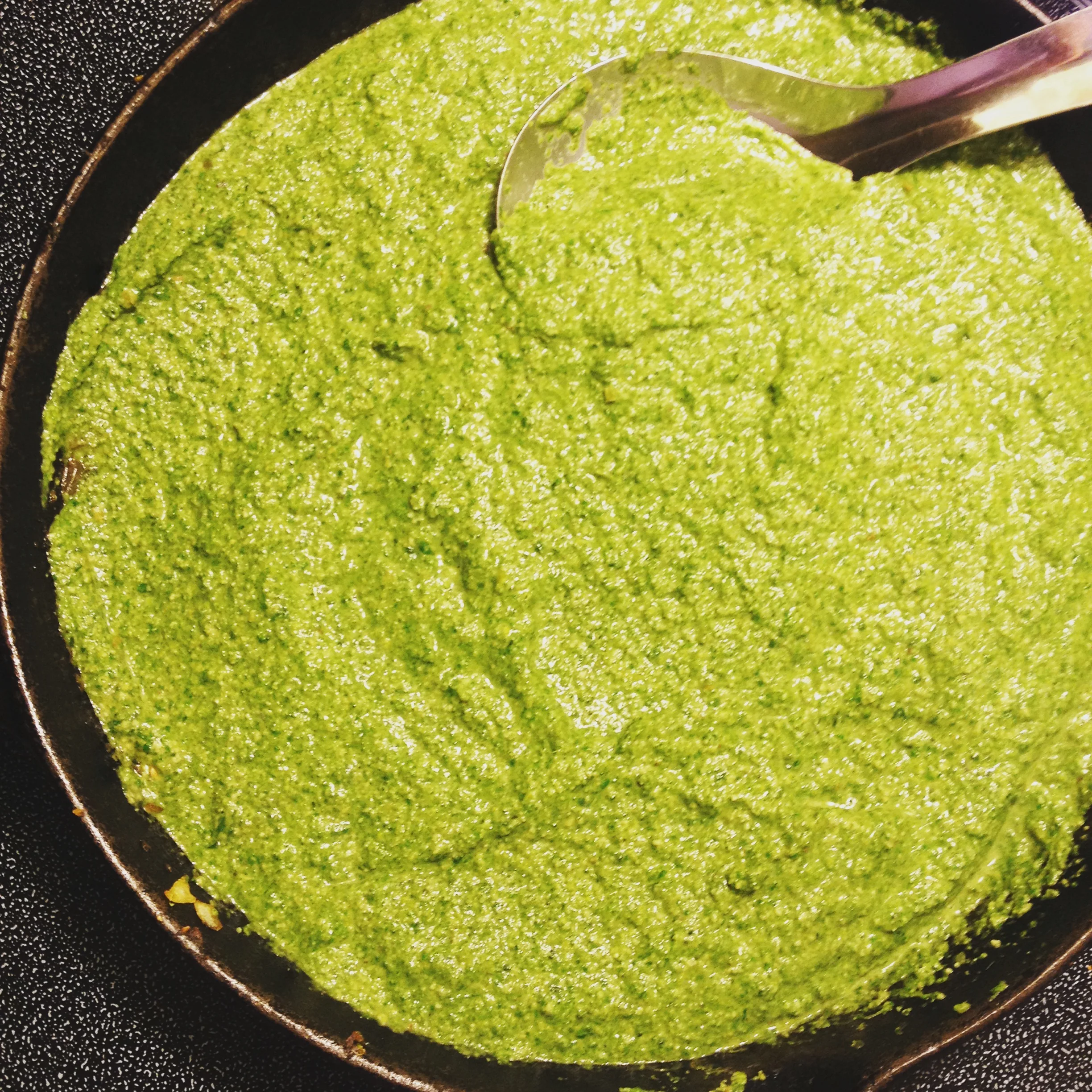
Easy Sides - Palak
I love greens. We all know we should eat them. Some may like them, others may have a hard time choking them down. I have a little one who won't eat a salad, say, but she'll devour this easy side every time I make it. In fact, she requests it on a regular basis. Making a nourishing side like this makes me feel like EVERYTHING IS GOING TO BE OK. She had some greens. (And so did I, in the process.)
Recipe for an easy side (or veggie loving main!) – Palak
I love greens. We all know we should eat them. Some may like them, others may have a hard time choking them down. I have a little one who won't eat a salad, say, but she'll devour this easy side every time I make it. In fact, she requests it on a regular basis. Making a nourishing side like this makes me feel like EVERYTHING IS GOING TO BE OK. She had some greens. (And so did I, in the process.)

Easy Sides. Palak. GF DF
I also just did a presentation last night on the importance of soaking nuts and seeds, grains, beans and legumes. We touched on the why, went over the how, and talked about alternatives to make it a do-able task in any kitchen. I will offer this class again in the future, to be sure, but let it be known that if this is a topic that is of interest to you and you'd like to gather a small group of friends or co-workers to explore the why and the how, get in touch.
This recipe has evolved over the years, and started out as an offering for dinner from my friend Virginia. So thank you, Ginny. This is a nourishing and nutrient-packed food that can be served as a main at your meal, or as a delicious side. You get to pick. Oh yes, it reheats beautifully for lunches and future meals, so make sure to make a double batch. I intended for this to be a double batch, but we wolfed it all down at dinner last night. I guess we were hungry.
This is a great way to get those greens in. It's also one to tuck in the 'Remember for the Summer' file, for when your garden is overrun with greens and you just don't know what to do with them. For this recipe I made last night, I used a big container of organic spinach, threw in 3 leaves of swiss chard (chopped the ribs separately and added them earlier in the cooking time along with the onions), about a handful of broccoli and half a bunch of fresh parsley, stems and all. I love adding fresh herbs to this kind of meal, as aromatic herbs tend to be higher in polyphenols and antioxidants, and where there are polyphenols, one should think 'anti-inflammatory' and 'liver love'. (Same goes for cilantro. That would be yummy in this dish!)
Know that pre-soaking does involve a bit of fore-thought, but it will certainly be worth it. As Isa from the Post Punk Kitchen says, 'A.B.S. Always Be Soaking.'
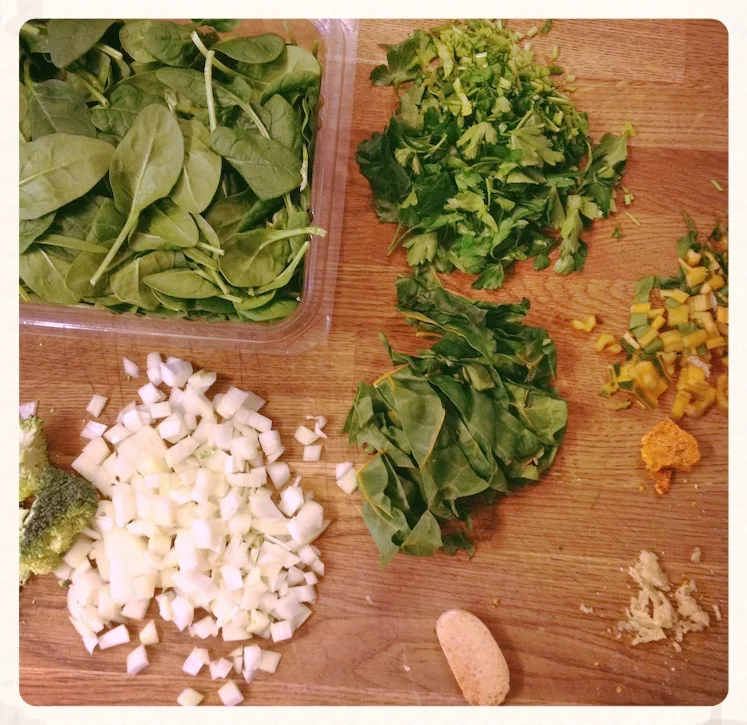
Mise-en-place will benefit you greatly here.
THE PLAYERS
1 cup cashew nuts
1 tbsp lemon juice
filtered water
2 tbsp solid cooking fat (I love coconut oil here, to support the curry flavours but ghee or butter works)
1 onion, minced
1 tbsp minced garlic
1 tbsp minced ginger, fresh
½ tbsp minced turmeric root, fresh (optional – you could use turmeric powder instead, about ½ tsp)
big container or two bunches of greens, chopped
3 tsp Madras curry powder
1 tbsp curry paste (You can use store-bought, or make your own like the Korma paste I made from Jamie Oliver's book Food Revolution)
2 tsp good quality sea salt
2 tsp lemon juice
pepper
THE HOW-TO
- At least 8 hours before you plan to make this dish, pop your cashews along with the lemon juice in a glass jar, and cover with filtered water. Put your cover on, and allow it to sit at room temperature on the counter for the day, or at least 6 hours. If you think you will be too busy the morning of this meal, do it the night before, and when you come to breakfast, pop that jar in the fridge to use later that day. No harm in letting it soak a bit longer.
- When it's time to start dinner, take all of your ingredients out, along with your blender and a big bowl, if your blender is a hand blender. Chop up your veggies so they're ready to go. (Mise-en-place will help you immensely in this kind of scenario.)
- Set a deep and wide pan or pot on your burner on medium, and heat up. When it's hot, add your solid fat, allow it to melt, and throw in your onion, ginger and turmeric (if using). Sauté in your pan, moving the bits around, for about 5 minutes, then add the garlic, curry powder and curry paste. Sauté this in your pan for a minute or two, until it's very fragrant.
- Add your greens at this point, from the toughest greens down to the ones that will cook fastest, and toss around until they're wilted and cooked through. (Broccoli will take longer to cook than parsley, so wait a bit before adding the parsley.)
- In a big bowl, dump your soaked cashews along with the liquid they're in, and blitz them in to a paste using a handblender. Alternately, you can also do this in a blender. Once they are nice and creamy, you want to add the concoction from the pan (greens, onions, spices, flavours) and blitz them in with the blended cashews, until they are a nice creamy consistency. Dump the whole lot back in the pan.
- Set your heat to medium low, add your lemon juice and pepper, and adjust your flavours. If you want it to sing a bit more, add some salt; if you'd like a bit more bitterness, add a bit of lemon juice. If it's too thick, add some stock or water to the mix, until it has reached your desired consistency. Serve as soon as it's warmed up.
- If you're ok with dairy, you can turn this into Palak Paneer: once your greens and cashews are blended, leave them in the bowl or blender, and turn your pan back on. Add some solid cooking fat to the pan when it's ready, and pan-fry some paneer chunks until nice and golden. Halloumi cheese might be good to use here too! When they are golden, dump your palak back in with the paneer, and continue on as the recipe states above.
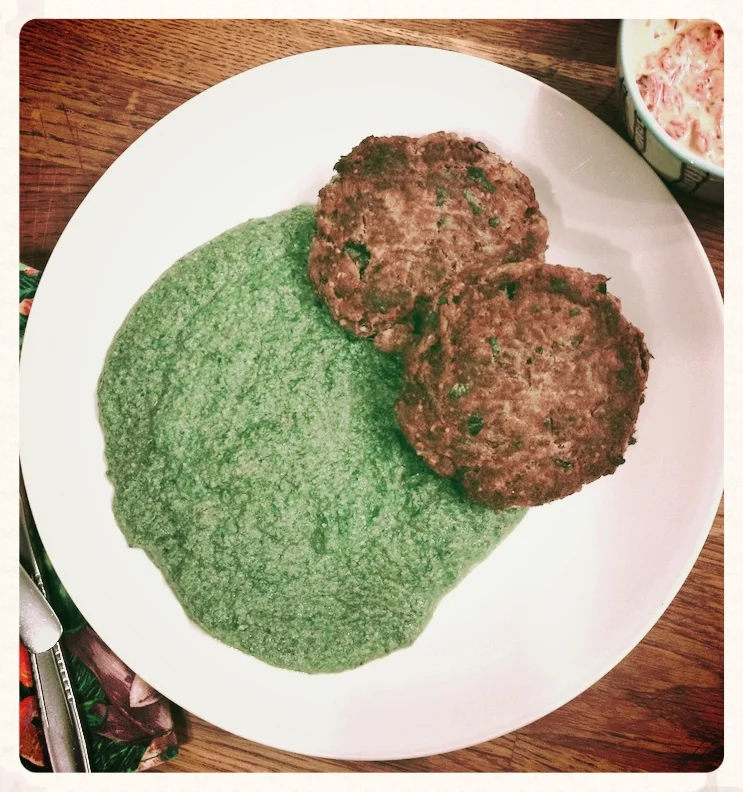
Generous helping of Palak, with Salmon Burgers and kimchi horseradish compound mayo.