
THURSDAY BASICS: Ditch the Dryer Sheets
This week's #mondayhealthbasics post is a practical in-house thing you can easily swap out or eradicate from your home. We're talking dryer sheets my friends. What they are, why you want to get rid of them, and some simple swaps you can add to your cupboard this weekend and know you've reduced the toxin load in your home already.
Click on the image for full info.
#tbt day here at #goodfoodHQ, taking a gander at the #mondaybasics series of 2016.
This week’s re-visit is a super easy practical thing you can do if you are looking to keep well:
DITCH THE DRYER SHEETS.
COLES NOTES:
1. Dryer sheets are one of the worst offenders when it comes to household cleaners that harbour nefarious chemicals.
2. Chemicals found in dryer sheets can mess with your hormones, your central nervous system, your reproduction, and they add to the liver’s workload. Is it worth it?
3. You absorb everything you put on your skin. Did you want to absorb these things?
For the love of your entire hormone system - adrenals, thyroid, pineal, pituitary, hypothalamus, spleen, liver - ditch these chemically laden bandits. For the love of keeping your brain well, don’t even finish the box you’ve got in the laundry room.
This week's #mondayhealthbasics post is a practical in-house thing you can easily swap out or eradicate from your home. Do it once, figure out your new alternative, and you’re DONE.
WHY THIS TOPIC: See, when it comes to household cleaners and cleaning products, there is no need to list the ingredients that go into the making of your product. It isn't something that will be ingested! Well, not in a 'let's put it in the soup and salad' kind of way. Not intentionally. So keep this in mind as you read through. And just because they’re ubiquitous (and apologies, but you will now forever smell them on every evening walk you go) doesn’t mean they’re safe.
We're talking dryer sheets my friends. What they are, why you want to get rid of them, and some simple swaps you can add to your cupboard this weekend and know you've reduced the toxin load in your home already.

It's astounding how many chemicals are in dryer sheets. I did a little digging around to see if I could come up with an exact or round-about number, and found a few different tales out there. One study published by Air Quality, Atmosphere and Health in 2011 stated there were some 600+ volatile organic compounds (VOCs) released from dryer vents from homes using 25 of the most common brands of scented laundry products. Dr. Mercola wrote a concise article that goes in to good detail about the hazards of the chemicals found in dryer sheets; if you're looking to be gob-smacked, point your browser here.
Some of the ones that jumped out at me: Chloroform (a documented neurotoxin and carcinogen), 1,4-dioxane (a known carcinogen), Ethyl Acetate (a narcotic). That is just scratching at the surface. This article outlines the top seven most common chemicals that are found in dryer; it's astounding how much they have an effect on the central nervous system. Your brain, my friend! THINK OF YOUR BRAIN!
There was a new study published last year that went in to exploring the impact of chemicals found in laundry products like dryer sheets had on the reproductive system of both men and women. Yep, you guessed it: diminished reproductive capacity in both genders. I don't know about you, but with a (not-so-) little one in my house, I want to work on limiting her exposure to things which may impede me from becoming a grandmother one day.

Oh yes. Those chemicals that go into the making of those dryer sheets end up in our bodies. We ingest them! The slimy (or soft) coating on all of our clothing is what the dryer sheets or fabric softener have left behind, ensuring we have that pillowy soft look to our clothing. That stuff rubs off on our skin, and it gets absorbed in to our bodies that way. We also ingest the perfumes that come off these clothes, both while it's venting out into the backyard whilst it tumbles in the dryer, and when smelling in that 'fresh smell scent'. Think volatile organic compound. Nasty.
Now while I'm specifically going after dryer sheets, I want to be clear that I am also including fabric softener in this lot. They tend to have very similar chemical make-up, full of perfumes and surfactants to make your clothes feel soft and fresh.
While I'm no slouch and would prefer to have soft-feeling clothes for the feel of it and what social bonus points it would award me, I am just not prepared to risk my health and that of my family's for me to look good.
I'm also not keen on venting those chemicals out to my lovely neighbours either, nor the gang who regularly walk through my hood for their evening stroll. Oh yes, when you smell that fresh-scent while out for a walk, you'll be thinking VOCs. I'm a little sorry about that. But you needed to know. I love you that much.
These chemicals are just things to add to the toxin pile. When you think toxin, think liver. Your liver is the hard working organ that has to filter that stuff out, and when your liver is full up and just can't handle the load coming its way, it will start relieving itself of some of its regular duties like keeping inflammation down, or filtering out your blood as completely as it would like to, or getting rid of spent metabolic waste and hormones, or converting some plant-versions of vitamins to the animal-version you need (because you're an animal).
Your liver does 400+ jobs in the body.
Take a load off of her, will you? Ditch the dryer sheets.
There are a few easy things you can do if you're looking to replace those toxin-loaded laundry helpers. For one thing, you can add 1/2 cup of white vinegar to your washer's load during the rinse cycle in order to get that soft feeling in your clothing, towels and bedding. Vinegar is a fabulous natural fabric (and water!) softener.

Of course, if you like the fresh scent, you can also opt to hang your clothes on a line in your backyard, or on a dryer rack in your basement. Double bonus for those living in Alberta, hanging clothes indoors in wintertime will help humidify our otherwise super-dry air. To me, there's nothing better than climbing into bed at the end of the day with the waft of outside fresh air coming off the sheets as my head hits the pillow. (And the towels! Outside-line-dried towels are amazing exfoliators! (Sorry. Was that too much?))
My absolute favourite thing is a DIY dryer ball. This is a fabulous alternative to those nasty chemicals, and they last a long time. You can purchase some pre-made natural wool dryer balls at quite a few natural health stores and cool shops in town, but you can easily make your own at home with the copious amounts of wool you still have on hand for that rainy day project. I have made quite a few of these balls and gifted them to friends. They're quite straightforward, require just a little bit of time to wind them up. You need to wash them in fairly hot water to get them to 'felt', and then toss them in the dryer and they're already working for you. As a bonus, they're also easy vehicles for natural (and safe!) scents: you can easily put a few drops of your favourite essential oil on them for a natural scent that will not add any volatile organic compounds. Double like! Find one method here, and another one over here.
I also found this recipe online on how to make your own fabric softener. Might be worth giving it a shot!
There's a recipe here as well for how to make your own homemade dryer sheets. Looks easy enough!
Curious to know more and delve further into 'greening' your cleaning routine? I have compiled some ideas and information under a handy dandy category of my Pinterest page. Great place to visit for DIY recipes, links to fascinating articles and studies that may make you scratch your head.
THURSDAY BASICS: put up the harvest.
It's that time of the year, my dear. It's the time when the price of produce is at its best, and local or BC-grown produce is within reach! The blog post today is meant to inspire you to take full advantage of Mother Nature's bounty and gifts, and to celebrate this most wonderful time of the year. Friends, it's time to put up the harvest.
Click on the image for a full exploration on the topic.
Another Thursday, another throwback! Let’s take a peek at one of the old #mondaybasics series of 2016.
It’s that time of year, the time where everything is coming up in the garden, all the produce is available at the local farmers’ markets, and crate sales are popping up. It’s time to put up the bounty, dear one. But don’t fret - you don’t have to do it all day every day. Read on for some ideas.
PUTTING UP THE HARVEST.
COLES’ NOTES:
1. Do small batches, one thing at a time. Start small. Build from there.
2. Local fruits + vegs at their peak means they are also at their most nutrient dense!
3. Great tips for freezing, drying, canning, fermenting and cooking the bounty.
Read up to get some ideas brewing on ways to bottle up this summertime heat + bounty for those brisker climes a-comin.
It's that time of the year, my dear. The time where the apples will soon start to fall from the tree, where the abundance in your garden is gaining speed and you just can't keep up. It's the time when the price of produce is at its best, and local or BC-grown produce is within reach!
The blog post today is meant to inspire you to take full advantage of Mother Nature's bounty and gifts, and to celebrate this most wonderful time of the year.
Friends, it's time to put up the harvest. (In small batches. Do-able things. Easy things. Delicious things. One good thing at a time. Your future-winter-self will thank you.)
It seems the harvest this year has started a bit later than usual in these here prairie/foothill parts. I for one am thankful for it all, the rain, the sun, the intense heat coming our way these last few weeks. Bring it!
I took advantage of a friend's invitation yesterday and gathered quite a few handfuls of mint from her garden in order to let them hang to dry already. I suspect my winter-tea-loving-days will be cozy and fragrant, and will remind me that heat really does happen in this part of the country, that summer was not just a figment of my imagination.
This time of year is really kind of like Christmas for me. I feel like there are gifts EVERYWHERE, and there is reason to celebrate at every corner. Taking a jaunt down to my favourite markets, ogling the non-stop growth in my little patch out back (if Ma Nature doesn’t mind turning down the hailing!), stopping by the roadside fruit stands while driving through the Okanagan, it really seems to be a celebration of our riches.
It is at this time every year for the last seventeen or so years that I have been prioritizing and making time to do a little something every day or two, in order to bottle this summer goodness for the hibernation days in the (very far) future. The price is right, the local produce is picked at its ripest peak, and the flavours seem to be the most concentrated out of any fruit or vegetable you've ever purchased.
Incidentally, that super concentrated rich flavour means the fruit/veg you hold in your hand is also at its most nutrient-dense-ness.
You just won the food lottery, friend.
Today I want to send you to a few spots in this harvesting round-up. This blog post is meant to inspire you to choose a few projects to prepare, in order that your freezer, pantry or cold storage is filled up with the earth's summer treasures. The time is right, you may have some free weekend hours, the price is certainly right and cheapest it will be all year; I sense a bit of preserving in your very near future.
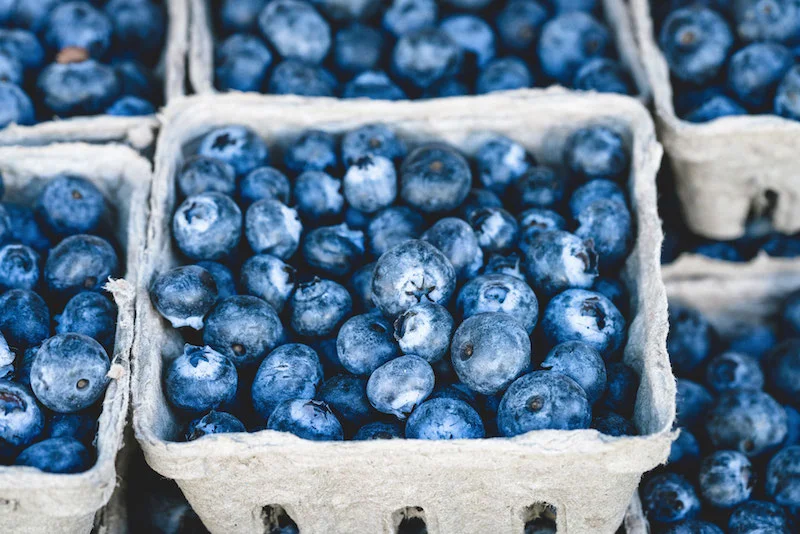
Buy the whole flat. You won't be sorry.
This time back in August of 2015, I started in on a month of blog posts centering on the theme of harvesting. I spent some time every weekday of the month of August preparing some kind of harvested item and posting about it to my blog by the end of day. I am still reaping the benefits of those sessions that have inspired many, in fact using up dried hail-damaged greens and snipping dehydrated sliced tomatoes in to my dinner this evening.
Here's a bit of a spiel about the whole thing on day 1 of my quest August ‘15:
Why preserve the harvest, you ask? I know what you're thinking: but Luka, there's always fresh stuff at the grocery store, year-round! I thought it was best to eat fresh in order to get the best nutrients!
Well for one, the stuff I'm going to be preserving is goodies grown either in my back yard or close to home. My reason for this is that these veggies and fruit have been picked just as they are ripe; there is no need to pick them two weeks or more before they are ready in order to do that job on the truck on the way to being shipped to me in Calgary. By picking at the ripest point in time from the vine, this ensures that all nutrients can develop right there on the vine as Mother Nature intended.
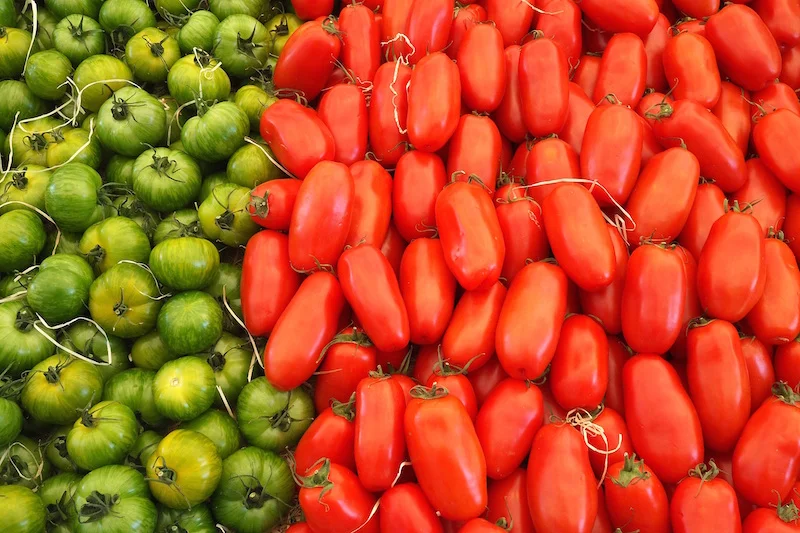
Did you know that Vitamin C is one of the last nutrients to develop in a tomato on the vine? (It can’t develop that vitamin C unless it’s alive and connected to the ground.) Why not pick at peak times then! And actually eat from my own back yard.
And support a local farmer. I'd rather keep my dollars in my community than send it to someone who runs a big multi-corporation in another country, thanks very much. That way, those community dollars may also stay in my community, making it a better place to be. And really keeping the local local, if you're picking up what I'm putting down. (So many influences my parents have had on my life! So very grateful!)
I talked about dehydrating (with and without a dehydrator), freezing, saucing, preserving, fermenting, drying, canning as ways to keep that summer bounty going strong in the winter months. Once the month wrapped up, I put together a compendium in order to find the recipes that interest you a bit more easily.
Find that compendium here.
You'll find dehydrated tomatoes, freezing fruit, saving pock-marked greens, drying herbs, a few fermenting projects, a canning session with my sister, easy ways to save those extra herbs. I also included a few new-to-me projects like storing garlic in honey and making my own flavoured vinegars, still one of my favourite tricks I learned that year. And seeing as I'm a tomato hound, head to the compendium to find my recipe for easy freezable pizza sauce. (Did I mention that I tend to buy 120 pounds of the stuff?)
I found a few other neat ideas you may find inspiring.
Here's a write up on how to harvest herbs, with some great tips
Why not tuck extra fruit/berries/herbs/greens in individual plastic bags in your freezer for easy smoothies?
Forage in the wilds near your house, by the river, in the gulley, and tuck that goodness in to fermented beverages or dry for tea
You could also do like my mom does, pick berries in the wild and make pies without baking them, and stashing in the freezer for instant mid-winter pick-me-ups. (Fond memories of these pies. Magic.)
If you are out foraging in the wild, be sure to leave some in the ground still growing for the animals and for the plant to continue to thrive, so that you can come back next year and so others can harvest too!
I have a few more ideas tucked under my 'harvesting' board on Pinterest
I'd love to hear how you are going about this yourself, there are so many tricks to learn as we navigate how best to feed our families. I'm all about health, to be sure, but I'm also about making this a do-able task. Try a few here and let me know how you make out! Don't be shy, comment on this article with ways you are saving up the harvest.
Now go play with your food, willya?
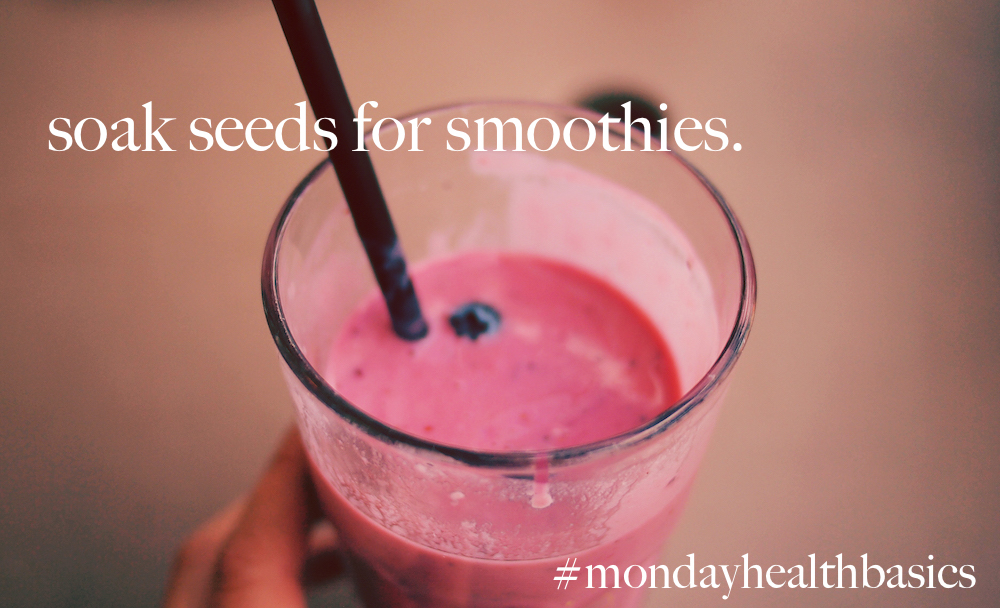
THURSDAY BASICS: soak seeds for smoothies
This post is for those early birds who are regular consumers of smoothies come morning time. This next in the series of #mondayhealthbasics goes over some basic easy steps you can take in order to make that smoothie really count and nourish you from head to toe. Today's tip will ensure you are better able to digest your morning elixir, and what kinds of things to add in order to make that breakfast smoothie sustain you for longer periods.
Click on the image for the full article.
#tbt day here at #goodfoodHQ, as we look back on the #mondaybasics series of 2016.
A few weeks ago, we touched on the importance of purchasing sprouted and/or fermented grains. This week's post takes it one step further - and applies it to your morning smoothie routine. For the love of your digestion, kittens.
SOAK SEEDS AND NUTS FOR SMOOTHIES.
COLES’ NOTES:
Swapping out your packaged nut milks for soaked nuts/seeds as the base increases your nutrient intake (vitamin E!) and reduces nefarious additives like carrageenan and guar gums.
You increase your intake of fats and protein - both brilliant starts to the day to help balance hormones and blood sugars, and satiate on a deeper level to sustain you over the course of the morning. The fibre count also goes up - the bugs of your gut will rejoice!
The methods shared in this how-to make those nuts and seeds infinitely easier to digest, deactivating the anti-nutrients phytic acid and enzyme inhibitors, and reducing the lectins.
This is the article that talks about the fox. I do go on and on about the fox in the scenario of chasing oats, and what happens to her when she eats them. Read up! Recipe included. Requires just a wee forethought, but can quickly become part of your routine if you're a morning smoothie lover.
This post is for those early birds who are regular consumers of smoothies come morning time. This next in the series of #mondayhealthbasics goes over some basic easy steps you can take in order to make that smoothie really count and nourish you from head to toe. Today's tip will ensure you are better able to digest your morning elixir, and what kinds of things you can add in order to make that breakfast smoothie sustain you for longer periods.

Smoothies come in all shapes and sizes; the only thing between you and the flavours to wake your taste buds is your imagination. Some folks go for a non-dairy milk as the base: think coconut milk, or flax seed milk, almond milk or coconut yogurt. Others go for the full on dairy, from straight up milk to yogurt to kefir. (I do love me some creme fraiche for my quick smoothies.)
I'm going to offer an alternative to you today:
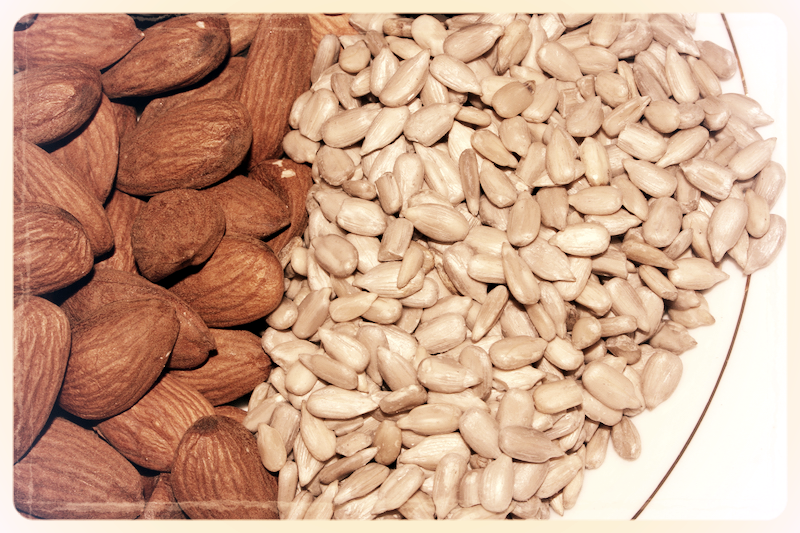
seeds and nuts as your smoothie base.
Why seeds and nuts, and not their milks you ask? For one, the packaged dairy-alternative milks you find sometimes list carrageenan in their ingredients. For a good primer on just what is this additive we often see listed on the label, check this post. (For folks who may have some digestive issues, this is one of those food additives that may be contributing to irritation and inflammation in the gut.) So omitting it might be a good idea, if you're looking to bring down inflammation in your body. (Have you heard me go on about inflammation yet? Inflammation is really at the root of just about every chronic degenerative disease out there.)
In order to eradicate this additive from my diet, I just make my own nut and seed milks. But sometimes, I don't know about you, but there is only so much time in the day.
Enter: THE INSTA-BREAKFAST.
Well, kind of insta-. As insta- as it gets in this house. This is inspired by a recipe from Dr. Carolee Bateson-Koch's book Allergies: Disease in Disguise and serves as a powerhouse of anti-inflammatory fats, good source of minerals like calcium and magnesium. Adding these nuts and seeds to your morning smoothie will also provide your body with satiating protein and fat, helping you go the distance.
But we aren't talking just throwing in some nuts and seeds to the blender when you think of it. No. We're allowing these nuts and seeds to hang out soaking in water overnight before blitzing them into breakfast delicious.
Why pre-soak these nuggets? See, it's all about de-activating the phytic acid and enzyme inhibitors in the nuts and seeds. Enzyme inhibitors and phytic acid are Mother Nature's way to ensure survival, but not for you; rather for the seed making its way through your digestive system. These two compounds are in all nuts and seeds and grains that will one day, make it into a whole plant form.

Imagine a fox. Little foxy is meandering through a field of oats. She takes a nibble from one of the plants and feasts on some oat seeds. She feels good, she feels satiated, so she lies down for a nap. But these seeds she ate? They were full of phytic acid (the plant's way of storing phosphorus) and enzyme inhibitors. As they make their way through the fox' digestive tract, the enzyme inhibitors turn off little foxy's enzymes, which means now she can't break down the seed and thus won't get the nutrients in the seed. (This is all done in order that all of the nutrients and minerals held within the seed/nut/grain can remain in the seed.)
While this non-digested seed winds its way through the fox' gut, the phytic acid also pulls out minerals from her stores, depleting her of important trace minerals necessary to bone building, enzyme production, metabolism, detoxification, I mean the list goes on. When this little undigested morsel of oat seed exits her digestive tract via her stool, that seed (fully intact!) will now be ready to grow into a plant. As it makes its way through her digestive system by "soaking" in the fox' digestive juices, this process deactivates the phytic acid and signals to the seed that it's time to grow. But it's only with time that this deactivation happens. You need a minimum of six hours. (Anybody ever heard of soaking their pea seeds the day before planting? It's the same thing.) Good work, seed!
Sorry little foxy. You were robbed.
How to get around this you ask? We must fool Mother Nature. NO WAIT. We must work with Mother Nature. We need to mimic what she's come up with. This means soaking your nuts/seeds/grains BEFORE you eat them so as to ensure you turn off those enzyme inhibitors found in the seeds. They will no longer be able to prevent you from getting the nutrients found within. Additionally, by properly preparing your nuts and seeds before consuming, you will retain those important trace minerals the phytic acid would have pulled out of you on its way through your system because that compound is turned off.
Sure, sometimes I prepare big batches of nuts and seeds and then store them in freezer bags once they are dehydrated. But I just can't be that far ahead of the eight ball most days.
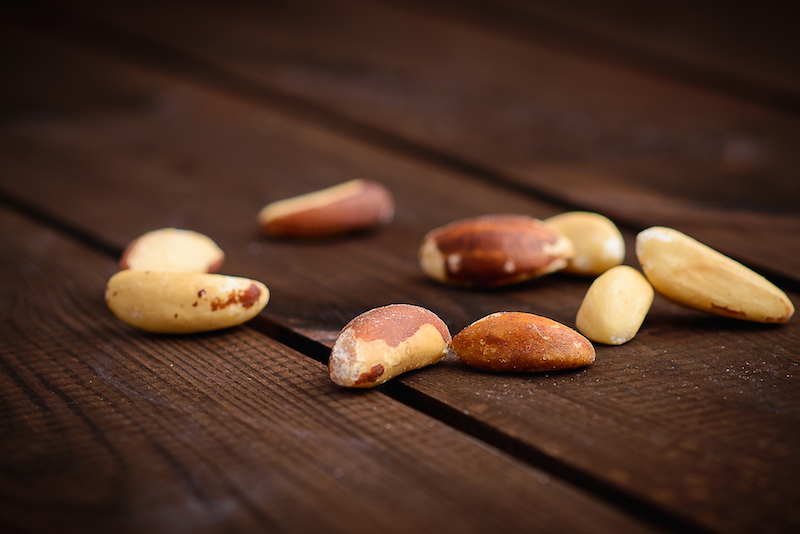
So here is my shortcut, for the person who'd rather do a small batch for their next morning's breakfast. This one will make two tall glasses of the good stuff.
THE PLAYERS
3/8 cup of nuts and seeds, combined (I love pumpkin seeds, sesame for the calcium, flax and brazil nuts but you can use whatever you have on hand)
3/4 cup of filtered water
THE HOW-TO
The morning before you plan to have this smoothie, measure your nuts/seeds mixture into the filtered water, cover and let sit on the counter for 24 hours, until tomorrow's breakfast. For added benefit, I'd add a tbsp of a ferment like kombucha or water kefir, or some whey from yogurt or kefir in my fridge. (Say goodbye, phytic acid! Sayonara, enzyme inhibitors!)
The next morning, blitz this mixture in your blender along with an additional cup of filtered water. You will be consuming the whole seed! No milking required!
You can add whatever you usually add to your smoothies at this point. I usually include about a cup and a half of frozen mixed berries, sometimes a banana, a little bit of maple syrup and voila. Down the hatch. Delicieux.
Of course you could add some swiss chard for the super-greens kind of effect (less of a negative impact on your thyroid than kale ), or an apple for extra fibre. I always make sure I have some good fats in my smoothie, in order to help slow down the absorption of sugars into my bloodstream and help carry me and satiate for longer periods. For me, this usually means creme fraiche, but you could add some coconut butter or coconut oil, or good old butter if you'd like.
And if you are stocking a pantry of extras, add in a tsp of spirulina, beet root powder, bee pollen, medicinal mushroom powder, moringa powder, hibiscus powder, or whatever you’ve got on hand! They go right nice in a smoothie, they do.
Baby steps, my friend. Baby steps.
Soak those seeds for your smoothies. Love your guts. And bones. And liver. And heart. And brain. And every other sweet part of your body that is attached to that gut.
This is one of those concepts steeped in the brilliance of the Weston A. Price foundation, for whom I am indebted in sharing this knowledge. Find them online, peruse their articles, and sign up for their newsletter if you’re keen to get the truth about foods and the importance in how we prepare foods.

THURSDAY BASICS: how to think about coffee
I am not going to lie to you. I love coffee. I love my morning cuppa. I look forward to it, I relish it, I miss it when it isn't in my routine.
For today's post, I aim to go over some things to think about if you love your cup of joe as much as I do. If you're looking for optimal health, that is. (Yes, adrenals, I’m looking at YOU.)
Another Thursday, another throwback! Let’s take a peek at one of the old #mondaybasics series of 2016.
I love me some coffee. A cup a day, unless I am driving for hours on end on the highways of this great country. There is always a debate about whether coffee is good for you or not. Allow me to help you figure out how to navigate this.
HOW TO THINK ABOUT COFFEE.
COLES’ NOTES:
1. THE GOOD: Read up on the reasons why coffee might be a good thing in your life!
2. THE BAD: Read up on the reasons why coffee might be a bad thing in your life!
3. THE HOW TO: Understanding the good + the bad, my idea here is that you are better able to make the decision that best suits you. Me? I do one cup a day. And I make it count.
Read up to get the truth about your morning jolt!
I am not going to lie to you.
I love coffee.
I love my morning cuppa.
I look forward to it, I relish it, I miss it when it isn't in my routine.
I really really love my cuppa joe come morning time. I love the heat of the mug, the creaminess of the cream, the chocolate-y tones to the darker roast. I love how satisfying this mug of goodness is.
I love my coffee so much that whenever we go on holidays, we always travel with our thermos-like french press, ready to make good java on the road at any point in time. It is also one of the first things we do when in a new town: we scope the place for the best cup of joe. We're not afraid to ask around. Two of the best cups of coffee I've ever had in my life were in Madison Wisconsin at a little cafe off the beaten path, and the other in Bath, England at a little corner cafe, where the cool stone benches were a welcome respite from the sweltering summer heat, a few blocks from the historic Roman Baths. I love me some good coffee.
For today's post, I aim to go over some things to think about if you love your cup of joe as much as I do. If you're looking for optimal health, that is.

First things first. There is a lot of hubbub about coffee out there, and it might be a tricky situation to navigate. If you look hard enough, you can find a mountain of evidence to support consumption, and you can find just as much information there to suggest you quit cold turkey.
THE GOOD
Let's start on this side of the fence, shall we? Coffee is a seed, and looks a bit like a mix between a cherry and a cranberry when it is picked by hand off of the plant. (Check this page out if you're curious to know the whole process from planting to brewing.
At some point in this whole harvesting, the beans are fermented. Yes, fermented! (All the best things are fermented, no?) Once dried, the beans get roasted, and either get ground before they get to you or you can opt to do the grinding yourself. These ground beans get brewed into what one hopes is a delicious cup of coffee.
Know this: the coffee plant is one of the most pesticide-heavy crops out there. By opting to purchase organic coffee beans, you will be reducing the pesticide load and easing the burden on your digestive tract, as well as your liver. Good work.
Coffee is rich in antioxidants, organic compounds that are known to reduce the risk of major chronic degenerative diseases, among them diabetes. It would seem that coffee is protective to the liver, your main detoxification organ. The consumption of caffeine found in coffee appears to be a protective agent against the development of Parkinson's (mostly in men, sorry ladies.) This study points to necessary further exploration of the benefits of caffeine in protecting one against Dementia and Alzheimer's. For more benefits of coffee, head to this article for a more thorough look at some of the science backing these notions. This article points to the benefits of caffeine for athletes. (I love it when they post things like 'Coffee Makes you More Intelligent.' That there is bait, and I fell for it. Who am I to dispute?)
THE BAD
As you probably well know, it is the caffeine found in coffee that is the main culprit of the negativity surrounding this beverage. Caffeine acts as a stimulant on your adrenals, prodding them to work overtime releasing excess cortisol.
This cortisol being released triggers your body to release sugar in that ole bloodstream, which could feed opportunistic yeasts. They start to gain hold in your gut, and these bums now send out chemical triggers to your adrenals to release more cortisol so that insta-sugar hit can get into the bloodstream so they can be fed. Again, coffee (or rather, caffeine) contributes to this picture.
Taking caffeine (and carbonated beverages with caffeine in them!) out of the picture will take some of the load off of your spent adrenals, and in turn, will start diminishing the sugars available to these yeasts with the idea of starving them.
Sugar cravings are all part of this cycle; once that cortisol comes out and glucose is quickly released, your blood sugar spikes, insulin comes out to help level the sugar spike at the pass, but those levels aren't sustained for very long. That sugar level then dips quite low, and your brain starts to go on survival mode (as it starts feeling like it’s running out of glucose - its main fuel) and sends out messages to your adrenals to release more cortisol again in order to get that glucose back into your bloodstream so that your brain doesn't starve. (Glucose is its main food).
Again, taking coffee out of the picture would help alleviate some of the stress on your adrenals, and would contribute to helping to level blood sugar levels. If you're the kind of person who reaches for the 8th cup of coffee at 2pm, you might feel you are being kept captive by this cycle of blood sugar ups and downs. You would be a good contender to look at reducing that caffeine intake, and mitigating those cups you do have with some healthy fats.
Caffeine has been linked to increased blood pressure too; this is all part of the body's fight-or-flight reaction, originally meant to get us out of the saber-toothed tiger's way. While this survival mechanism served us well those many moons ago, consuming caffeine in excess can induce our body to be in that fight-or-flight mode more often than necessary. When this happens, we are setting the stage for low grade chronic inflammation, which is at the root of so many chronic diseases.

HOW TO STILL HAVE COFFEE AND MITIGATE THE EFFECTS OF IT:
Make it a dessert-y kind of coffee by adding something high in fat. Having the fat in the mix will help slow down the absorption of caffeine to the blood stream, which in turn will help moderate your adrenals' response.
You can add a tbsp of ghee or coconut oil - coconut oil is best for someone with no gallbladder, as it is the easiest fat for your body to digest. Coconut butter or cocoa/cacao butter are good options here as well. You can use full fat whipping cream; it doesn't take much.
If possible, swap out to a natural sweetener like honey or maple syrup. Too much sugar in your beverage can further contribute to the tax on the adrenals. Having a bit in there helps to mitigate this reaction to be honest, but keep it natural. If you’re a double double kinda gal, consider starting to up the fat and swapping out the sugars.
ANOTHER ALTERNATIVE
Another good idea if you are a regular consumer of coffee, in order to mitigate that extra stress on your adrenals, is to make sure to consume your coffee after a good meal. If your body is busy digesting and assimilating the eggs and avocado on toast you had for breakfast, it will release that hit of caffeine much slower to the bloodstream instead of a quick jolt you would get on an empty stomach. Slower release of caffeine ensures you aren't triggering that fight-or-flight reaction as well; unfortunately, when the fight-or-flight reaction is engaged, your body shuts down digestion in order to concentrate on the task at hand. Having a coffee solo first thing could contribute negatively here.
Additionally, some of the compounds found in coffee have been found to be mild irritants to the stomach lining and that of the intestinal lining; ensuring a good meal before having your cuppa will help protect those sensitive mucosal linings.
If you are curious to read more from the 'cut out the coffee consumption' camp, make sure to read this article. They explain the correlation between adrenals and mood, and how caffeine plays a big part here.
YET ANOTHER ALTERNATIVE
This may be obvious: if you are a 10-cups-a-day kinda person, might I suggest you start by reducing how many cups a day you consume.
Start looking to other types of drinks to take the place of your afternoon ritual - herbal teas, elixirs, smoothies, whatever it takes. And when you do have a cuppa, make it count! Add that good fat to help slow the hit of caffeine to your system, and give you some of the tools to help mitigate the negative side effects. My favourite fat to use here is cacao - it’s a rich source of magnesium, which your tuckered adrenals need to help do their work!
You might also consider adding in a medicinal mushroom powder to your coffee too, if you’re keen to support your adrenals through the cuppa caffeine. Reishi and chaga powders are relatively easy to find at your favourite local health food store, and would help nourish your adrenals and help support vitality there.
TRY THIS ALTERNATIVE
If you are someone who is wanting to love up your adrenals, keen to balance the blood sugars, realizing not everyone starts their day with 10 cups of coffee, or if you are wanting to reduce your consumption of caffeine, if you find you are wavering towards the no-coffee camp, there are some excellent options out there. Invest in some liver-loving Dandelion Root Tea, or better yet, harvest your own! (Skip the soy milk he suggests here — another hormone disruptor! — and go for one of the good fats mentioned above.)
For starters, you can switch one or more of your coffee cups for a steeped cuppa tea. While some tea does contain caffeine, it is much less than you would find in coffee. Green tea for instance is a fabulously rich in antioxidants tea that would benefit your adrenals, while satisfying that need for a warm bevy.
Wanting to take the caffeine right out? Reach for antioxidant-rich liver-loving herbal teas like rooibos and fruit flavoured herbal teas. You can also make yourself a medicinal mushroom hot chocolate like the one found here. There are many other options out there too, alternatives like chicory root or pre-made coffee alternative mixes you can find at your favourite health food store. Go play with your food!
Want to get in on the elixir action? Might I recommend Malcolm Saunders’ excellent recipe book on making your own elixirs at home - Elixir Life. In this book, you’ll find all kinds of recipes that will launch you into delicious elixirs, brilliant ways to deeply nourish you while offering brilliant alternatives to some of those coffee cups!
One quick thing to note: caffeine is a diuretic, which means it pulls water out of your body and increases your urine output. (Yes, you pee more if you drink coffee.) Knowing this, just make sure you are replenishing those fluids and having an extra cup of water.
Good work my friend. I'm off to have my one cup of joe for the day. And you better believe I'm going to savour it and enjoy it. Thoroughly.

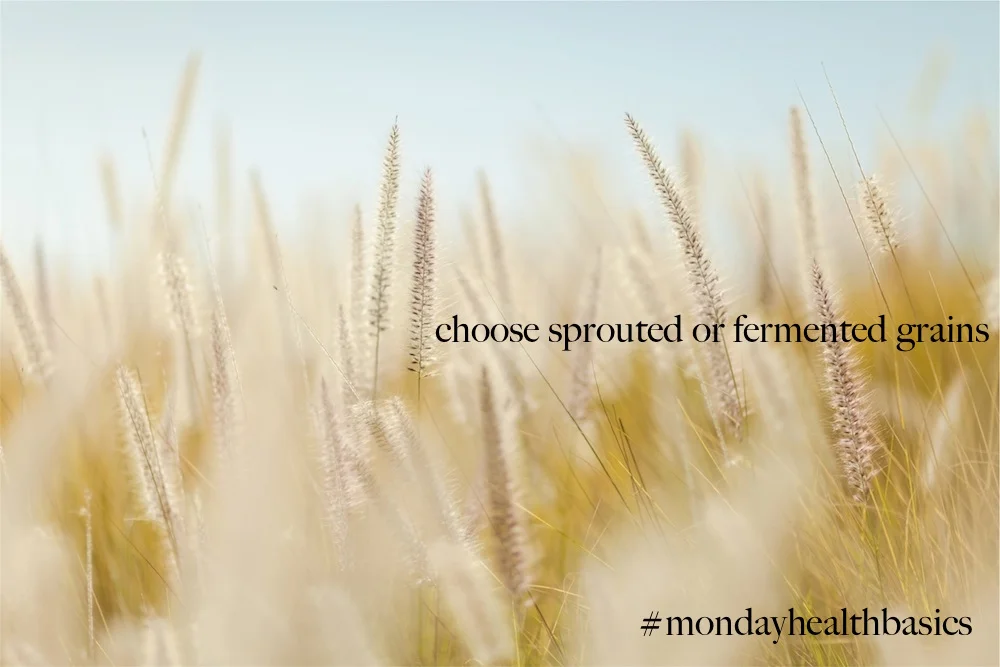
THURSDAY BASICS: choose sprouted or fermented grains.
Talking about grains is a tricky thing these days. Do you sometimes feel like the path to figuring out the answer may be booby trapped? I know I do.
There is a lot of information to sift through out there, and my hope is that as a Holistic Nutrition Practitioner, I can help clear the muddy waters a bit and help you figure out what could work for you as an individual. So let's delve in to the question that comes up most often in casual conversations: what is my stance on grains.
Let's talk about the wisdom of sprouted and/or fermented grains.
#tbt day here at #goodfoodHQ, as we look back on the #mondaybasics series of 2016.
Are you a regular consumer of grains? We're talking rice, wheat, quinoa, teff, rye, barley and all other grains, glutinous or not. This post explores the reasons WHY you may want to go the sprouted grain route. And fermented? Even better!
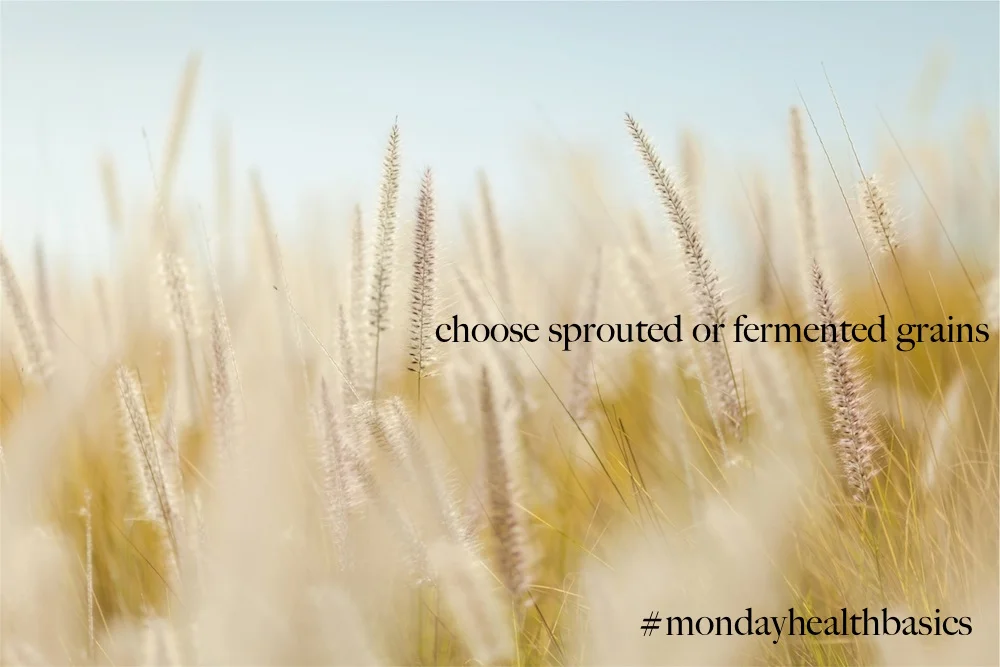
CHOOSE SPROUTED or FERMENTED GRAINS.
COLES NOTES:
1. Consuming grains, glutinous and non-glutinous, doesn’t have to be a booby-trapped decision.
2. Choosing sprouted or fermented grains is about facilitating improved digestion - always at the root of reducing inflammation!
3. This is based in traditional knowledge of people who have come before us - time-tested for centuries across many cultures!
Why reaching for sprouted or fermented grains may be one of the secrets to keeping inflammation + chronic disease at bay - read up!
Talking about grains is a tricky thing these days. Do you sometimes feel like the path to figuring out the answer may be booby trapped? I know I do. There is a lot of information to sift through out there, and my hope is that as a Holistic Nutrition Practitioner, I can help clear the muddy waters a bit and help you figure out what could work for you as an individual. So let's delve in to the question that comes up most often in casual conversations: what is my stance on grains.
That is a very individual answer for each and every person I come across. What works for one person may not work for the other. Instead, may I propose we take a gander at how to make grains more easily digestible. There are no caveats here, no judgments, no moral high roads or anything. I just want to explore the science behind ancient grain preparation methods, and why they may be a way for you to be able to include grains in yours and your family's diet.
This post is not for everyone; but the information found within may help explain a bit behind the idea of traditional food preparation methods, and the wisdom found within. May there be a light at the end of this blog post for you, dear reader.
Let's talk about the wisdom of sprouted and/or fermented grains.
If you are a regular reader of this here blog, you will know I am a big believer in whole foods. I am also of the mind that we need to look at how these whole foods were prepared traditionally, in order to uncover some of the reasons behind why our ancestors would have done so.
For the sake of today's post, we are focusing on grains here but the content found within also applies to beans, legumes, nuts and seeds. Today's topic is one of those cornerstones of the Weston Price Foundation's recommendations, and with good reason. Read on, food lovin' friend o mine.
LOOKING TO THE PAST
First of all, grains used to ripen at a much more erratic pace than they do today. Back in the days of yore, you could count on the fact that a small percentage of your harvested grain had sprouted on the plant days if not weeks before the harvest. In our current agricultural practices, it is a much more measured task and the grains tend to all ripen at the same time.
Additionally, if you were to do a little anthropological digging, you would find that in traditional societies most people would soak or ferment the grains that have been turned into flour before they would bake or cook with them. Doing so was just what you did at the time; it was what your mother did before you, and her mother before her, and the people who came before her for a long long time.
This knowledge came through countless generations who observed and followed tradition, and with good reason: anything that starts as a seed with the potential to grow into a full plant is packed full of protectors to ensure it can make it to seedling stage, in order to best ensure that plant's survival. Mother Nature is WISE, putting in these mechanisms in the seeds in order to best ensure the plant's survival. Wheat, rye, spelt, kamut, teff, amaranth, etc.: they are all seeds ground down into flour for us to utilize in baking things like breads, cakes and cupcakes. And cookies. Mmm. Cookies.... Um, sorry.
However, these 'protectors' end up being digestive inhibitors for we humans. The enzyme inhibitors that are in those seeds prevent us from properly digesting them, which means without proper preparation, we cannot ably break them down. This now means we aren't able to get the nutrients found within them, either. And those enzyme inhibitors? They will slow down our body's own ability to break all of the foods in that meal down into the smallest components, nutrients. We're hooped, mon ami(e).
In addition, these seeds also contain phytic acid which unless properly 'activated' (by soaking, sprouting or fermenting first), end up taking minerals that we have stored in our bodies and moving them out. Mother Nature is whip smart, see: the seed comes out of the digestive tract relatively intact (enzyme inhibitors) in a super rich bundle of fertilizer, along with some extra minerals thrown in for good measure (phytic acid). How could the wee seed not fare well and proliferate into future grain generations?

The time spent in the digestive tract ends up being a kind of 'soaking' time, which now acts as a biochemical way to trigger that seed into believing it is time to grow into a full blown plant. This happens once it exits our digestive tract, and that mineral rich manure that comes out with the soaked seed will serve as a brilliant extra leg up for this seed to be able to survive and thrive.
It's really a brilliant system for the seed, but not such a handy thing for the consumer.
Looking into traditional cooking methods around the world, you will find the innate wisdom of our ancestors in dealing with the nefarious effects of these anti-nutrients in grains. In India for instance, the traditional way to prepare idli and dosas was to ferment the ground lentils and rice for two days before preparation. Corn has been traditionally soaked overnight in places like Africa before adding it to stews. In Ethiopia, you will find fermented teff grains magically transformed into injera. Other populations had a tradition to ferment their rice for long periods of time before ingesting. In South America, corn cakes are traditionally prepared by allowing to ferment in wrapped banana leaves for up to two weeks. Whose grandmother soaked the oats in buttermilk overnight for your breakfast? My mom's aunt did so on our visits to La Gaspésie when we were wee. Many populations in Europe and here in North America as well have traditionally prepared breads by fermenting grains into sourdough. This was all before the advent of commercial yeast, which transformed the baking world by introducing those pockets of air into baked goods, albeit in a much shorter time than traditionally fermented bread doughs.
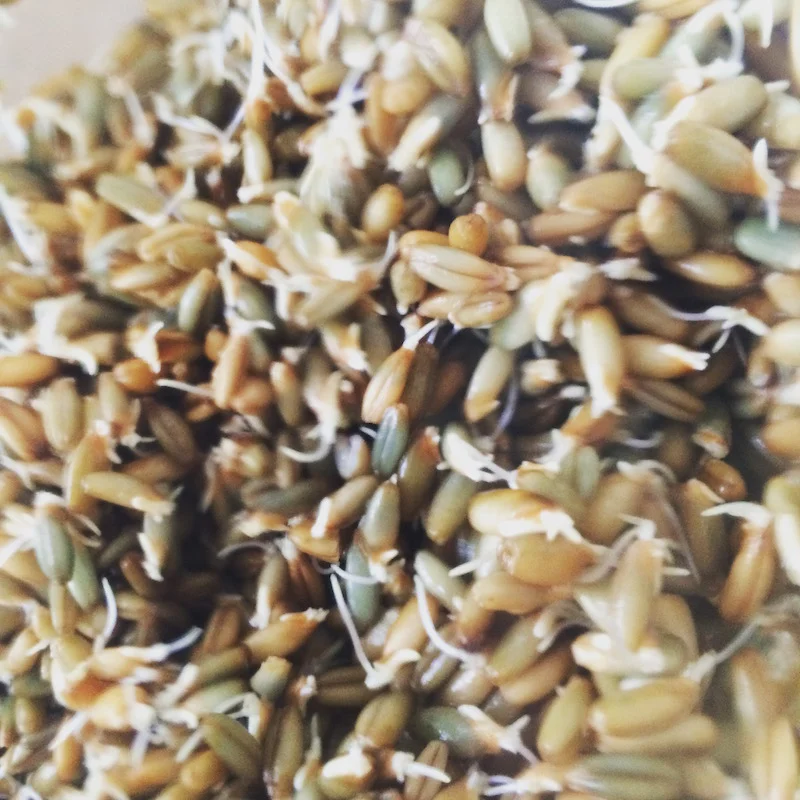
Sprouted rye kernels
BUY SPROUTED or FERMENTED GRAIN PRODUCTS
How to save ourselves the troubles associated with these anti-nutrients found in grains? We need to foil Mother Nature. We can do so by ensuring the grains used in our baking are properly soaked, sprouted or fermented. It's a good-better-best scenario with the soaked - sprouted - fermented idea. Doing the minimum of soaking any seed or grain will signal to the seed that it is time to grow; it will also deactivate the phytic acid so that when we ingest these morsels, we will not be losing our mineral stores in the process. As well, those enzyme inhibitors that prevent us from digesting the seed that hasn't been properly prepared? They get turned off in the soaking/sprouting/fermenting process. It's a win win win. A properly prepared seed or grain appears to our digestive tract more like a vegetable than a grain, and makes it inherently easier to digest.
WHAT THIS MEANS FOR YOU: Sure, you can uncover some secrets to soaking, sprouting or fermenting your own nuts, seeds, grains, beans or legumes. I often offer classes on the how-to if ever you're interested (have you signed up for my newsletter yet?).
In the meantime, my recommendation for you food-wise this week is to purchase only soaked, sprouted or fermented versions of breads or flours to use in your baked goods at home.
Good companies to look for: Silver Hills makes sprouted grain bread; Ezekiel and Food for Life as well; you can find these in your freezer section of your favourite health food store or select big box store too. TruRoots is a company just starting to put single sprouted-then-dried grains, and grain blends. Find them at your favourite local grocery store. (Co-op has them in Calgary!)
Make sure to also look for sprouted grains on the shelves at grocery stores, and in the bulk bins at your local spot. They’re starting to pop up everywhere - and thank goodness! Our digestion needs all the help it can get.
There are a few sprouted grain products like crackers and snacks on the shelves these days, seek these out. Okanagan Rawsome makes some delicious sprouted crackers that are my go-to at home. Read your labels - that’s how you’ll know which products are sprouted, and which aren’t. And if you’re not sure, ask the staff at your favourite local grocery or health food store. Better yet, request these products be carried on their shelves - I find they're more than happy to cater to their clientele.
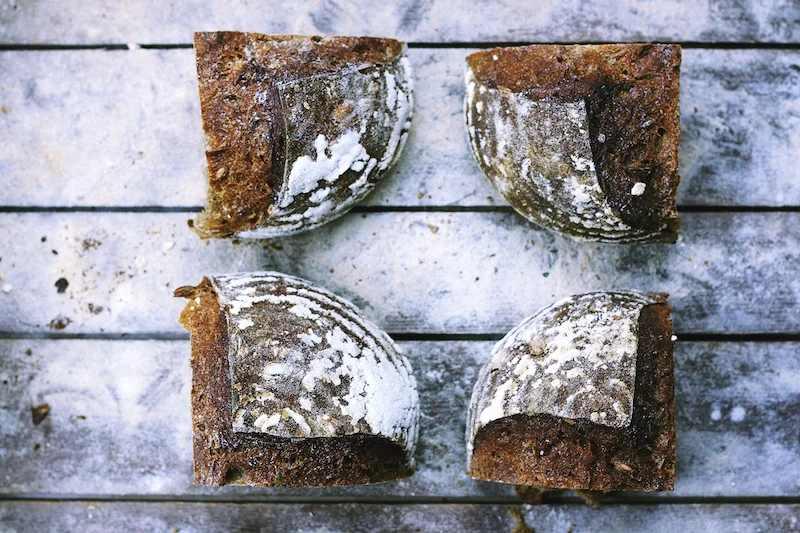
Another option to look into when it comes to breads is to seek out a locally produced true sourdough bread. How to make sure what you have in your hands is a true sourdough? Ensure the list of ingredients does not contain any yeast. If you're in Calgary, local lovelies Watermill Bakery make true sourdough, as well as Sidewalk Citizen in Kensington and in East Village. I believe Lakeview Bakery also carries a true fermented bread; find them at your fave local health food store. Again, you can also ask anyone who works in your favourite store if they have any local sourdough options, or if they’d be keen to start carrying them in-store.
If you're a regular consumer of pasta, may I recommend you search for fermented pasta. There is a company from the interior of BC called Kaslo Sourdough and they are preparing pasta from true sourdough. Look for their products at your favourite local health food store and local grocery stores too.
Are you a baker?
Seek out sprouted flour instead of the regular stuff. Anita's Organics is a Canadian company I would recommend. You can substitute 1 to 1 in your recipes, no problem.
I found this recipe online for how to make your own bread at home in the breadmaker, but allowing some hours of pre-soaking time for the flour and liquid in the recipe. Might be worth a shot!
Interested in sprouting your own grains in order to make a sprouted flour at home? Connect here with Nourished Kitchen to get the low-down on the how-to.
Want to make your own fermented flat breads for tortillas, tacos and wraps? Malcolm Saunders of The Light Cellar has a brilliant video on making your own sourdough teff, in order to turn it into delicious Ethiopian flat breads called injera. Multi purpose wraps, easier to digest, and gluten-free to boot!
If you know of a Canadian supplier of sprouted grain products that has not been mentioned here, please share their name in the comments below. Let's build this community of food loving producers and consumers together!
Might I recommend some additional reading?