
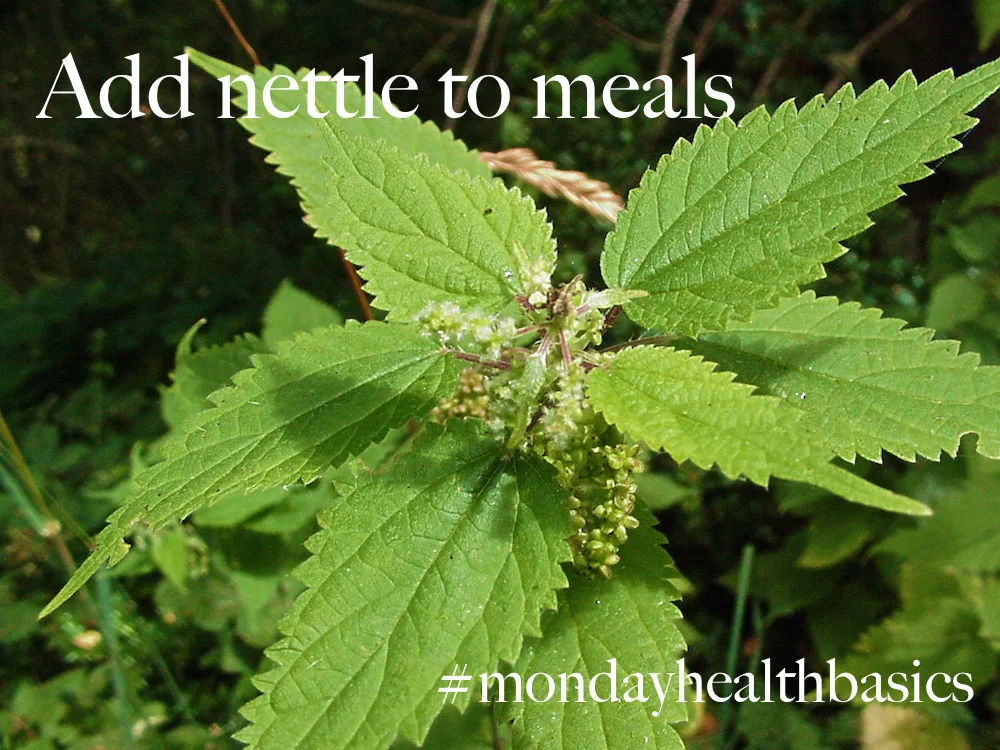
THURSDAY BASICS: Add Nettle to Meals
Welcome to Thursday. This week’s throwback blog arms you with an idea on how to get to Level 400 of Holistic Nutrition: add in the nettle. For the love of all body parts + systems, won’t you?
Click on the image for a full exploration of why + how to introduce nettle into mealtimes.
#tbt day here at #goodfoodHQ, as we look back on the #mondaybasics series of 2016.
Today’s post is kinda Holistic Nutrition Level 400. Wanting to up that nutritional ante on a day to day basis, adding in something that will benefit all your body parts?
ADD THE NETTLE.
COLES’ NOTES:
This is about increasing the minerals in your day to day.
It’s also about harnessing the power of Ma Nature - this stuff grows everywhere + is wildly prolific! Talk about loving us up.
Read on for tips on how to use it, where to find it, and why you may want to!
This is one of those fundamental changes that will slowly and irrefutably support increasing your digestive fire, reduce inflammation, support immune function and love you up from the guts on out.
Kick chronic disease to the curb, friend! Tell that histamine that YOU are boss! Nettle it up.
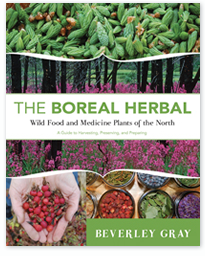
My week got off to a roaring start with a thoughtful gift from one of my sisters, a book from boreal herbalist wunderkind Beverley Gray called The Boreal Herbal: Wild Food and Medicine Plants of the North – a Guide to Harvesting, Preserving and Preparing.
Oh the joy. Oh the possibilities! (I am so lucky to have two awesome sisters. I love them so!)
See, I am a forager at heart and as I dig a bit deeper into our family's history, I realize I come by this quite honestly. My paternal grandmother was quite the herb gatherer; and the grandmothers that came before me and her, they always worked foods from the wild into their meals, cups of tea or in the every day.
This book has been on my radar for years since a good friend shared the knowledge within. But leafing through this new tome to my collection last night got me dreaming of things I want to uncover in places near by.
As the book cover suggests, “(this) is an indispensable guide to identifying and using northern plants for food and medicine.” In this book you will find profiles of plants, berries, herbs and trees that will help you identify them in the wild.
These profiles will help you figure out how and when to gather and preserve these goodies, with safety tips. You'll find lots of recipes and how-tos with detailed information on how best to gather these medicinal foods and make the most of the plants growing wild in the recesses of your back yard to the more remote spots found in nearby wilder areas.
Leafing through the book last night, I zoned in on the Stinging Nettle, or Urtica dioica. Yes yes yes, the same plant that gives you the very intense zing-like needling you would experience were you to chance upon a patch without knowing it. (Found that out time and again while exploring the English and Irish countryside a few years back!)
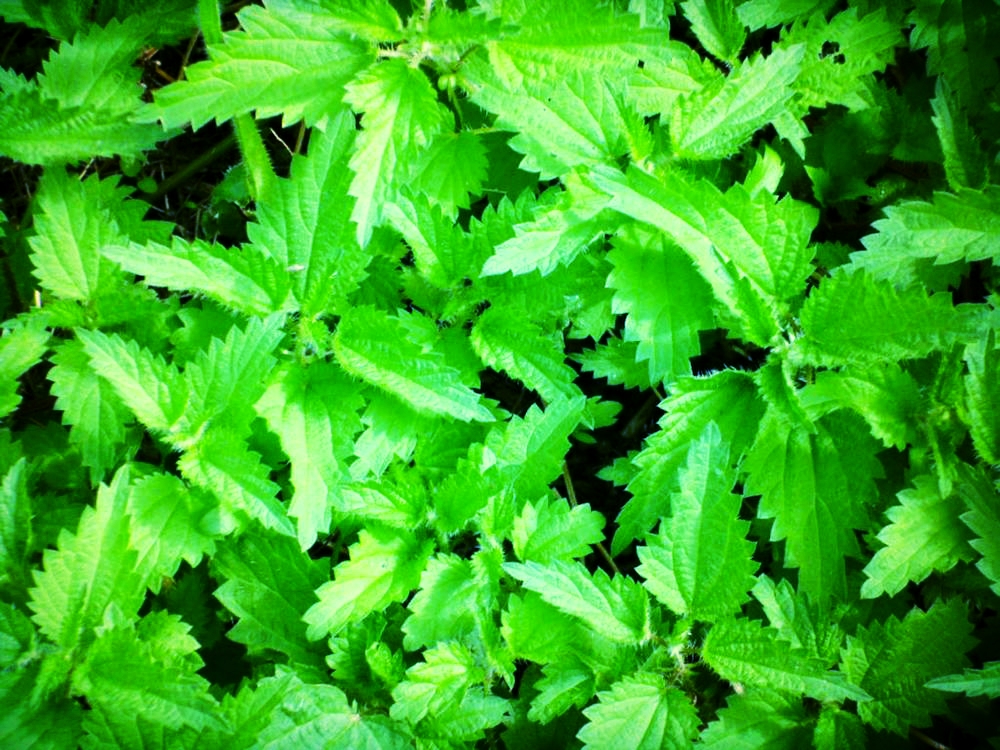
This perennial plant runs wild in almost every nook and cranny of this planet where there are wetter areas or where the soil has been disturbed. It loves rich damp soil. And when spring seems to be just around the corner, it will be one of the first wild plants that will pop up for early harvesting. But don’t think you need to be a harvester to get in on this nourishing action!
I love nettle for so many reasons: it grows wild and can be found quite easily if you know where to look and what to look for.
It's a super green, providing a rich source of iron (we need for energy and oxygen transport in our bodies) and silica (a mineral necessary for our body's structural force so think strong bones, nails, skin and hair).
It's a power house of vitamins and nutrients, a good source of vitamin K, magnesium, chlorophyll, vitamins A and C too. My favourite thing in nettle is the high calcium content: 1 cup will supply your body with roughly 40% of this important mineral for the day! All of this to say that nettle is a food that will promote the good health of bones and teeth, my friend. And these things we need strong for this world, yes?
The Boreal Herbal book explores the folklore behind this nutrient-dense herb, stating it is a blood purifier. It's purported to help your kidneys and liver. There are new studies looking into the efficacy of this herb in the treatment of BPH (benign prostatic hyperplasia), a non-cancerous growth of the prostate gland. So fellas, this one is for you too!
This herb is a fabulous anti-histamine herb, and as such would be of tremendous support for anyone dealing with allergies or the kinds of reactions we would associate with hayfever like itchy watery eyes.
HELP NOURISH TO COMBAT CHRONIC INFLAMMATION
My favourite superpower of nettle: the leaves have also been shown to help combat inflammation. This translates that those who struggle with arthritis or gout, eczema or psoriasis, cardiovascular disease, Type II Diabetes, any of the degenerative nervous system diagnoses or mood related diseases, truly any chronic disease of any kind (including autoimmune!) would do well to add to their daily regimen.
Nettle has a diuretic effect as well, so if you are someone who tends to retain water, this would be a good herb to add to your arsenal. Love your kidneys and lymph up, my friend.
Some companies have added it to their hair care products in order to help control dandruff. There are even manufacturers out there who have figured out how to utilize the fibres of the plant to produce textile. Fabric! All because of how easily and prolifically it grows. (Some folks call this a weed. A weed to you is a herbal delight to me.)
WHERE TO FIND THE GOODS
Now not everyone is up for hiking through dense marshy areas in search for this perennial herb. And fair enough. (I am not a super experienced forager, so I will forego sharing any tips or ideas on how or where to find nettle. I don't want to send you in the wrong direction or fail to give you the full and complete information you would need to ensure the plant you have in your hand is indeed the nettle plant. Plus, I don't want you to get hurt. BUY THE BOOK. It's about all I can say.)
So where would one find this amazing herb then, you ask, should one prefer to go the surer route? There are quite a few favourite local haunts where I have seen them on the shelves, or where I have purchased bags of the good stuff. Make sure to check your local favourite health food stores like Amaranth, Community or Blush Lane. You can also pick some up at The Light Cellar next time you're in Bowness.

Dry nettle leaves
HOW TO CONSUME THE GOODS
I'd forego trying the stuff raw. Imagine it stings you. While you're chewing. I'm just not that much into extreme food sports, you know? I mean they're called stinging nettles for a reason: there are hairs on the plant's stems and leaves that, when they come into contact with your skin, well they STING! And that feeling is just not pleasant.
But once you cook them, that stinging property disappears and you are left with a wonderfully dense, nourishing green that will provide your body with the good food. One of the easiest ways to consume the benefits of this herb is to steep it in a tea. Just toss the lot in with some water, and simmer for a short time if you prefer a weaker tea, or go ahead and let it simmer for longer for a deeper greener taste. I myself like to throw it in with other herbs in my thermos for the day's tea, depending on what I have in my pantry or what organ I want to support at that time. Nettle is always in the mix, every single day.
If you go digging around the internets, you'll find some wonderful recipes like this Potato, Golden Beet and Nettle Soup that sounds scrumptious. The good folks at The Kitchn have compiled a comprehensive list of recipes for clever ways to consume nettle in things like pestos, pastas, pies and pizzas here. You'll also find a wonderful compendium of recipes featuring this herb at a website solely dedicated to the health properties of Nettle.
I'm not so calculated, I tend to cook from the hip. I throw a handful of dried nettles in lots of things from meatballs to soups and stocks; I've been known to throw some in with the ground beef or bison I'm cooking for a taco salad or add it in to spaghetti sauce or a chili. Anywhere you want a little more green, my friend. It's as easy as that. Toss it in with your morning egg scramble; add it to the shredded sweet potato pancakes you have on tap for dinner tonight; simmer them a bit in a cup of meat stock for snack time; add it to your herbal profile when making a bouillon salt; add it to the greens you're cooking up for a yummy Palak Paneer; throw it in with the vegetables in your next ferment.
Whatever you do my friend, you best
GO PLAY WITH YOUR FOOD.

THURSDAY BASICS: breathe deeply.
Today is the best day to start this practice. It’s free, it’s easy, and you always have it with you. Brilliant tool and maybe even a reminder: Breathe Deeply.
Click on the image above to get a full exploration and how-to.
#tbt day here at #goodfoodHQ, as we look back on the #mondaybasics series of 2016.
I do go on about food here on Good Food + You. (Heck - it’s in my title.) But food isn’t the only thing to think about when reaching for vitality, or reaching for optimal health. The idea today is an easy one to implement, and the benefits are incredible.
BREATHE DEEPLY.
COLES NOTES:
1. Great tool to add to your toolkit: you always have this on you.
2. It’s about turning off the Fight/Flight and turning on the Rest/Digest mode.
3. Bonus: it helps protect your brain from atrophy.
Sign me up! This requires no special tools, don’t have to shell out a penny for it. Consider this a reminder, if nothing else.
Every day is a good day to start this practice. It’s an easy one to add to your roster. A dependable tool to add to your toolkit.
Breathe deeply.

The science behind the deep breath
When stress levels are elevated, we tend to breathe more shallow.
When we are in the sympathetic nervous system mode, we are on high alert and getting ready to fight or flight. Short shallow breaths are a part of the picture.
Shallow breathing exacerbates or amplifies the stress response.
Taking deep breaths or being more mindful about our breath calms that stress response, and triggers a shift in our adrenal glands.
Slowing our breath slows down our body's manufacturing of stress hormones.
Slowing down the breath influences the parasympathetic nervous system to kick in – think rest + digest mode, sometimes called calm + connect.
Slowing our breath allows our heart rate to return to normal. This allows our blood pressure to self-regulate.
Slowing our breath allows our mental chatter to calm down.
Slowing our breath allows our body to turn on digestion, allowing us to better break down foods into nutrients necessary for every cell of our body.
Deep breathing is focusing on releasing carbon dioxide just as much as taking that oxygen in.

Why I love it:
It's free.
It works.
It is your number one tool to bring down the ill effects of stress.
It is a super tool in times of anxiety. Excellent at helping regulate a racing pulse.
You can do it anywhere.
You don't need special tools.
It invites you to that physical state where your body can focus on resting and recouping, digesting and doing repair work.
It helps to relieve muscle tension that could be contributing to headaches or migraines, and other minor aches and pains.
It also helps your brain grow, keeping brain atrophy at bay!

The How To:
Sit up straight, reducing distractions around you (turn off the radio, put away your phone, take a break in the washroom if that's the only quiet place right now).
Breathe in through your nose for a count of say, four or five.
Breathe right down in to your belly, allowing your diaphragm to expand.
Hold for a count of 4-8, building on this with time.
Release the air through your mouth on a count of eight or ten, essentially twice as long as you spent taking that breath in.
Do this at least 10 times, in a quiet spot.

If you like or are able, you can close your eyes to help create that safe space.
Try visualization at this point if it would help; use your mind's eye to see a restful space, a spot in the woods, your favourite place. It all contributes.
If you're able to extend this into a 20 minute mindfulness or meditation practice, you will be doing wonders for your brain, heart, immune and overall health. Start your day with this kind of deep breathing and mindfulness exercise, and you will see how setting this calm intention at the beginning of your day may be of benefit to you. End your day with this kind of deep breathing and mindfulness exercise, and you will see how this could improve your ability to fall asleep and perhaps stay asleep better, longer.

Share this tip with the littles in your life: they too need help manoeuvring through this life.
Go breathe my friend. You got this.
THURSDAY BASICS: Batch Cook.
This week's Thursday Basics idea is one that I have implemented in my weekly approach to making meals an easier and more attainable task, and has evolved over time. In the last six or seven years, I have slowly winnowed out packaged and prepared foods from our family's regimen and have been aiming for more and more whole foods from scratch. It all started with my few years of working in the kitchen at my daughter's school, helping to prepare the school's hot lunches. Batch cooking is really at the heart of making meals for large groups, and some of these tenets can be taken into your own kitchen, albeit on a much smaller scale.
Let me save you that five years' of ruminating I did, and skip to the good part. BATCH COOKING ON THE WEEKEND. In do-able chunks.
#tbt day here at #goodfoodHQ, as we look back on the #mondaybasics series of 2016.
This week’s missive is about making your kitchen work FOR YOU. This blog post has now morphed into one whole module in my new program, the Real Food Reset. It’s the practical side of things!
BATCH COOK! 🍲🥘🍵
COLES NOTES:
1️⃣Maybe a Big Cook is in your future.
2️⃣Maybe a mini version of the Big Cook.
3️⃣Or may I propose we keep it simple, and you aim for one batch item a week?
In the interest of keeping it real and meeting you where you’re at, think about doing one batch item a week. It is one of those essential practical things to put in place where older you will reap the benefits of younger (and wise!) you!
#mondayhealthbasics: batch cook.
Monday Health Basics: a weekly blog post where we explore simple things to add, in order to support ourselves to aim for optimal health. If you're new to the blog, or curious to peruse the other posts on the subject, might I recommend you click on the tag at the bottom that says “monday basics”? Good fodder there to get you started.
This week's idea is one that I have implemented in my weekly approach to making meals an easier and more attainable task, and has evolved over time. So let’s talk BATCH COOKING!
In the last six or seven years, I have slowly winnowed out packaged and prepared foods from our family's regimen and have been aiming for more and more whole foods from scratch.
It all started with my few years of working in the kitchen at my daughter's school, helping to prepare the school's hot lunches. Batch cooking is really at the heart of making meals for large groups, and some of these tenets can be taken into your own kitchen, albeit on a much smaller scale. Let me save you that five years' of ruminating I did, and skip to the good part.
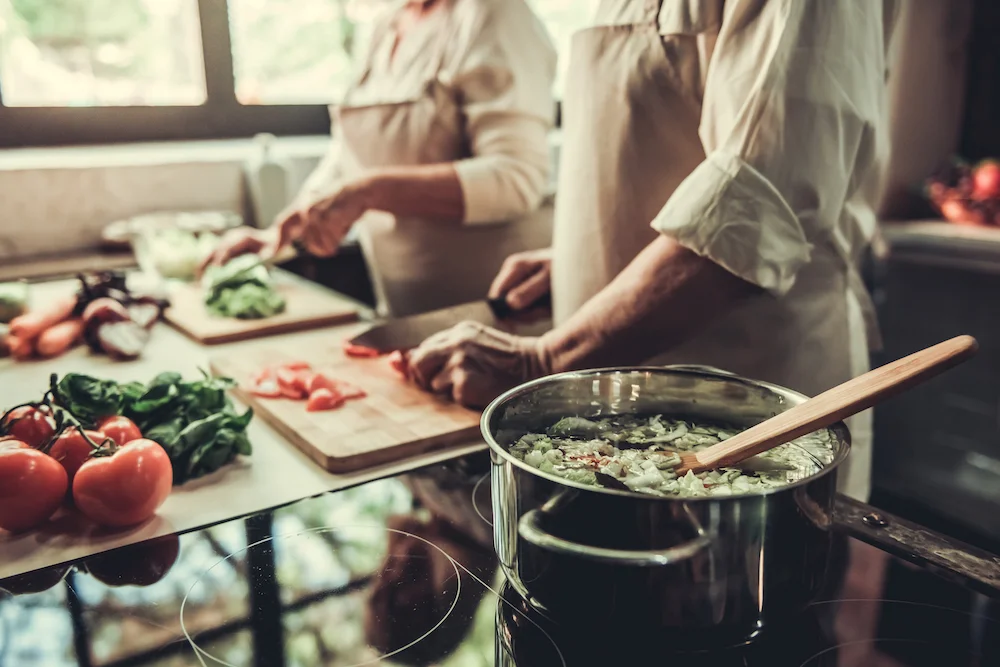
The concept of batch cooking might not be as foreign to you as you think. Some people call it The Big Cook, others get a gaggle of friends together to make a shwack of meals (yes, that's the technical term) for everyone to divvy up and take home.
I participated in one of these group sessions for meal making, and it was a breeze. We decided on the recipes before hand and sent our grocery list to the woman hosting, and then spent that whole day assembling meals in foil containers and freezer bags. We each took home two full family-sized servings of every meal that was pulled together that day. It was amazing!
I can't imagine how much organizational work went in to it on behalf of my superstar friend organizer Cindy, but it truly brought such a fabulous group of women together, and we all ate better for those next few weeks, let me tell you. It was a gargantuan grocery bill as you can imagine, but we all divvied up the cost and the labour, and if you can add 40 family-sized meals to your freezer for the coming days and weeks with only one day's work, I'd say you're way ahead of the game. Thank you for that memorable day, Cindy.
I have joined with friends since then to do mini versions of this big cook idea, and had great success. It really does make meal prep in the ensuing weeks immensely easier. I'm up for anything that takes a load off and makes things easier.
KEEP IT REAL
I don't know about you though, but I can't sustain a day or a full afternoon of batch cooking every few weeks. I simply don't have the time, unfortunately. And so I have winnowed this idea down over the course of these last few years, to make it an accessible task for myself when it comes to meal prep for our family.
I aim to do one batch cook prep item per weekend for the week's meals ahead.
How I come to choose which item, well that depends on a few things. Some weeks, I will pick an easy enough condiment that will be the base of many of the coming week's meals. (Mayo anyone?) I have been known to prepare big batches of lentils, nuts or seeds and allowing them to pre-soak in order to deactivate anti-nutrients. Doing a whole shwack (see a pattern?) means I only do it once for a bevy of meals down the road. And yes, I have two freezers.

Making a double or triple batch of Butter Chicken is a great batch item!
When out for groceries for the week's meals, I sometimes come across some incredible savings on produce and so stock up. Once back at home, I tuck these discounted veggies into bags destined for the freezer. Other weekends I may have a pot of meat stock happily bubbling on the stove for meal plans in the week ahead. It really all depends what I have going on, or what kinds of things I need to stock up on.
And so today, my food-loving friend, I wanted to offer my suggestion on how to make this whole-foods journey a bit easier, and a more manageable task. Every weekend, I think of one thing I need to make in order to make the coming week's supper time a more manageable task when it comes to preparing food for my family. Below, you will find my list of ideas; click on the titles to find spots online for recipes or how-to.
To be clear, just choose one thing to make on the weekend!
Next weekend, it will be something entirely different. But slowly, over the course of time, you will be building your resources and stock piling some delicious offerings that will help make mid-week meal prep an easier task. I'd love to hear what kinds of tips you can share that have worked for you!
Easy One Batch Cooking Ideas
for weekend planning to ensure ease of meal making in the week ahead (click on items that interest you for full instructions and how-to)
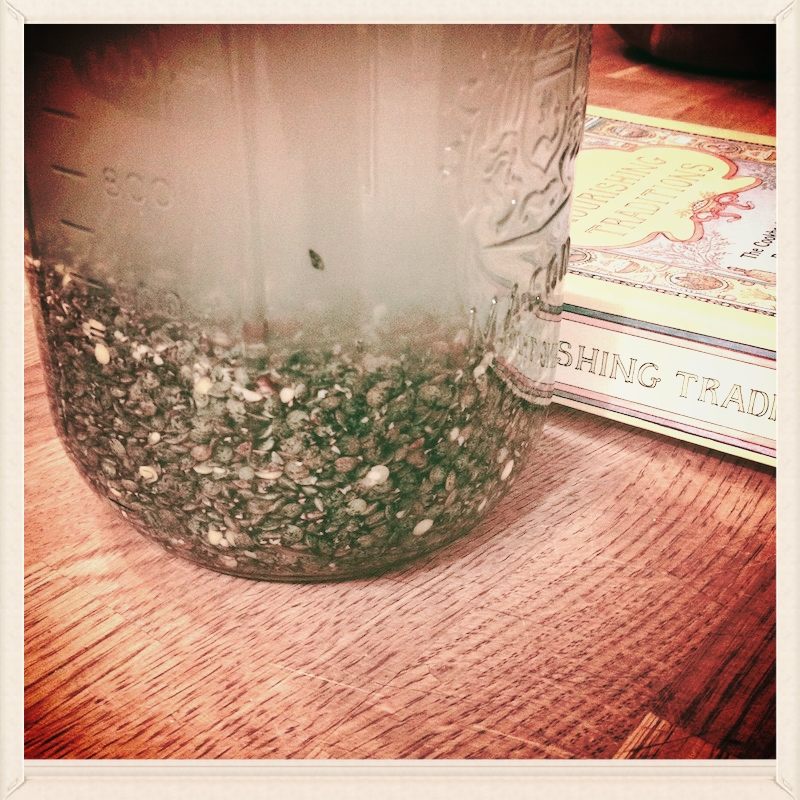
Pre-soak 8 cups of lentils for 12 hours along with 2 tbsp apple cider vinegar, drain then cook 40 minutes or until cooked to desired consistency. Tuck in smaller portions in freezer bags for future quick protein for salads, soups and lunch bowls. (Follow this link to find more info on how to properly soak & cook beans and legumes)
Make a big batch of pizza sauce and freeze in ice cube trays for easy retrieval on pizza night
If you are planning to order a side of beef or pork, ask your farmer if they would sell you the fat from the animal and intend to make a batch of lard or tallow (couldn't be easier!)
Make a curry paste from Jamie Oliver's fab set of recipes, and intend to use it up in myriad ways in the coming weeks
Have milk going bad soon? Make your own yogurt!
Go the easier route with dairy that is going off (or that 50% whipping cream at the grocery store). Make a big batch of creme fraiche! It will extend the shelf life of your dairy by at least 3 weeks.
If chicken is on sale, consider throwing it all in your slow cooker with a 1/2 cup of water for 8 hours on low. Shred the meat off of the bones and tuck in freezer bags for quick protein additions to later meals, and save the stock that has gathered. Delicious.
Make a batch of meat stock - great base for all kinds of meals.
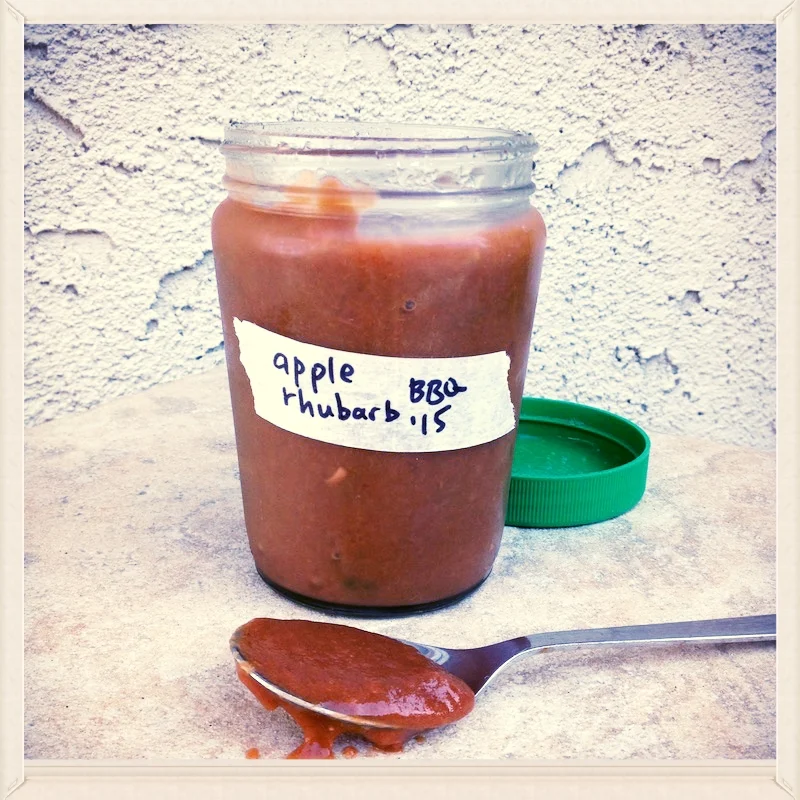
Make a homemade ketchup or BBQ sauce (bonus points if you try your hand at fermenting them!)
Homemade bread is so much better than store bought. Whip up this batch of Artisan Bread in 5 minutes a day, and it will keep in your fridge for up to 12 days. You need only pull out enough to make a loaf, tuck the rest in the fridge for later that week.
Double or triple a big batch of soup or chili on the weekend, and tuck into individual-sized containers in to the freezer for quick lunch grabs or dinner re-heats on hockey night.
Greens getting wilty in the fridge because you never got around to them during last week's dinner intentions? Get some fresh herbs and make some pesto or chimichurri by replacing half of your herbs for those wilty greens
Making your own mayo is infinitely easy and serves as a great base for flavours in this week's meals. Look for some great alterations to standard mayo recipe to dress up the next days' meals here.
Make a big batch of easy homemade kale chips
Pre-soak and sprout one kind of nut or seed at a time, and dehydrate. Do this in as big a bulk you can afford and have room for, and tuck in freezer bags in to the freezer for easy retrieval.
Buy three or four vegetables for the meals coming up. Wash and peel if necessary, and chop into individual containers in the fridge for quick add-ins to the meals you have in mind. Cuts down on your prep time during busy weeknight meals!
Roast a half dozen sweet potatoes while prepping Sunday night's dinner, and keep them in the fridge again for easy suppers mid-week.
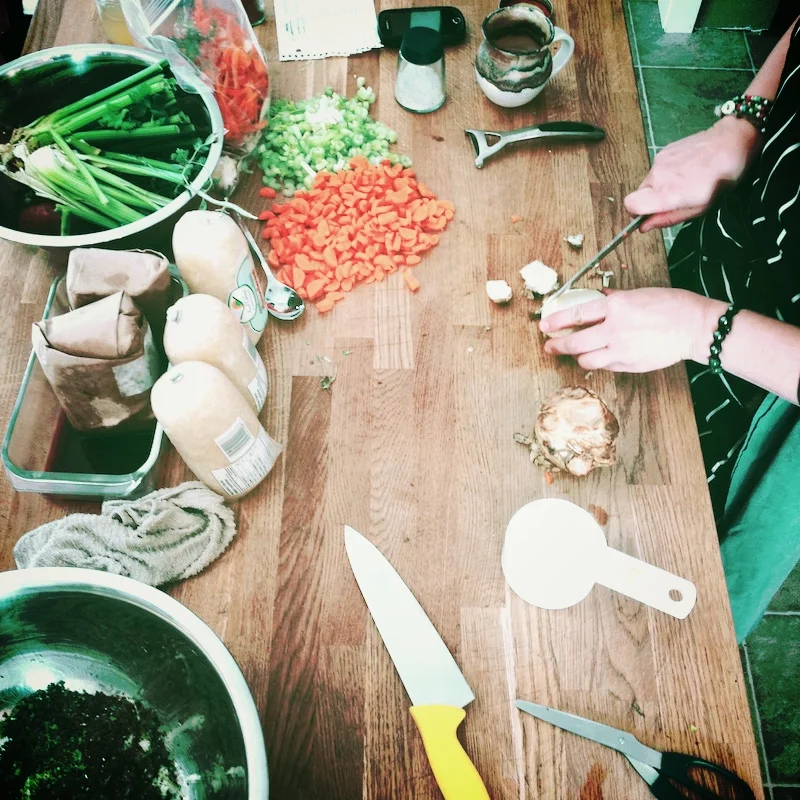
Batch cooking day with a friend.
Keep it simple
There you are. Just a few ideas to get you started. My idea here is to offer some ideas on doing one good thing a weekend to prep for meals coming in the week ahead. As you build on this one-thing-a-weekend, soon your pantry and freezer will be loaded with quick things you can add to your week's meals. At the core of it all, I want to underline the word simplicity. Keep it simple. Good-enough-meals are just what should be on the table. No company is coming over, nothing fancy nor drastic is required. Just simple, and good enough.
Please go play with your food. And comment below with ways you keep it simple and tasty!
THURSDAY BASICS: meal planning tips.
My wee idea for this week is one that I have been trying to work on for myself, in the hopes of adding a bit of predictability to my days. I don't know about you, but sometimes the days get away from me. It's all I can do sometimes to come up with something for all of us to eat dinner together. I'm talking meal planning tips this week on the blog. I hope you get a few tricks to help you along your food journey, friend.
#tbt day here at #goodfoodHQ, taking a gander at the #mondaybasics series of 2016.
This week’s re-visit is a pretty big idea, and may feel insurmountable to you, like it did me. The idea here though, is how to diligently put into practice those good food ideas, to make weeknight dinner hour a success. (It’s also a whole module in and of itself in the Real Food Reset - just launched this week!)
MEAL PLANNING TIPS.
COLES NOTES:
1. It’s about using what you’ve got, and not letting stuff go to waste.
2. It’s about saving an extra half hour a day, and having things defrosted in time so dinner will be easier.
3. For the littles, the predictability of it and the fact that it’s written on the white board in the kitchen means they will be more amenable to joining in. Or at least, that was our experience.
This post came about at the same time as when the new school year had started. That first week, even though it was a short week (Monday was Labour Day), we found ourselves going out for dinner not once, but twice. That’s 50% of dinner time that first week back at school.
Don’t get me wrong: I love going out for supper. I just also hope to pay down my mortgage one day. This post is for you if you are struggling with the supper hour during the weekdays.
My wee idea for this week is one that I have been trying to work on for myself, in the hopes of adding a bit of predictability to my days. I don't know about you, but sometimes the days get away from me. It's all I can do sometimes to come up with something for all of us to eat dinner together. I'm talking meal planning tips this week on the blog. I hope you get a few tricks to help you along your food journey, friend.

With the fall season here and as most of my family is involved in school things, at our house September really is the beginning of the year. It's also the time where you take on new tasks, or rev up the schedule. Littles start their new activities. Parents have to figure out schedules of who will drive whom where on what days, all in the name of sanity and getting it done. Having to prepare dinner after a busy day? And it's supposed to tick all of those boxes like healthy, from scratch, homemade, and something each one at the table will like?

I don't know about you, but with two working parents in our house with time constraints and lots of driving, it can be overwhelming to come up with an idea for dinner every day.
I remember reading about meal planning a few years ago; I scoffed at the idea of yet another thing to add to my to-do list.
Don't I do enough already?
Having worked at this skill diligently for the better part of this calendar year, I must admit that it really is a time saver, ensuring I save my sanity in the same beat. I'm also convinced it has saved us quite a bit of money in the long run. If you haven't tried it yet, I urge you to reconsider.
I took a break during the summer season from planning our meals over at our house. My gang were away for a long stretch of time, lazing about on a beach. I could cook in the moment, and only had myself to think of when it came to combining ingredients and making something taste delicious. When the time came to get back into the swing of things this fall, I thought to myself 'I got it going on. I know quick meals, I can whip something up easily no problem!”.
That first week back? We went out for dinner twice. Twice. And it was only a four day work week. Whoops.
Don't get me wrong: I love going out. In fact, it's one of my favourite things. I love supporting new restaurants, finding new flavours and experiencing our fabulous local culinary scene. But in the interest of paying off the mortgage in good time and eating up what's in the fridge in order to not waste the goods found within, this just wasn't a pace we would be able to keep.
Enter: the white board in the kitchen.
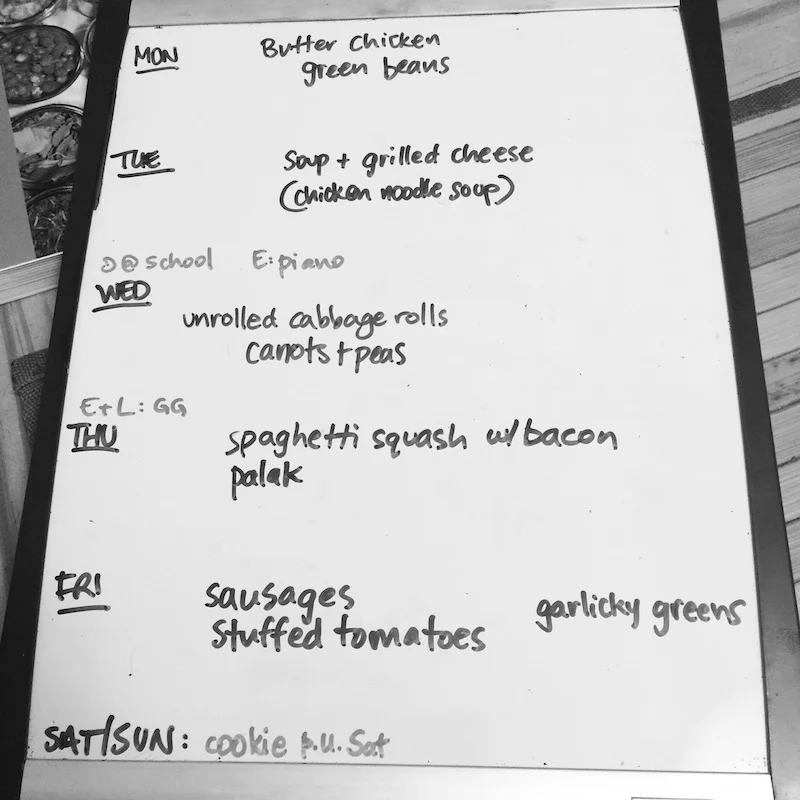
I use this white board so I can erase week to week. It works for me; I am quite utilitarian and frugal. If you would like something more fancy or celebratory, might I suggest you download a meal planning template for free from this site? There are myriad to choose from online, dig until you find the one you like.
Why might meal planning work for you?
I find it takes the guesswork out of every week night. The meal has been pre-determined; this means I don't have to hum and haw at the fridge and/or pantry for 30 minutes trying to dream up something to make.
I especially love this because come on, who's with me: those times when you're staring at your food supply and convincing yourself you have nothing on hand? You're hangry and irritable, aren't you. (I sure am.)
But having the dinner written out and pre-decided takes the guesswork out of the equation, takes the pressure off, and saves you that scrounging-in-the-pantry time. You've already won the battle and you've hardly started. GOOD WORK.
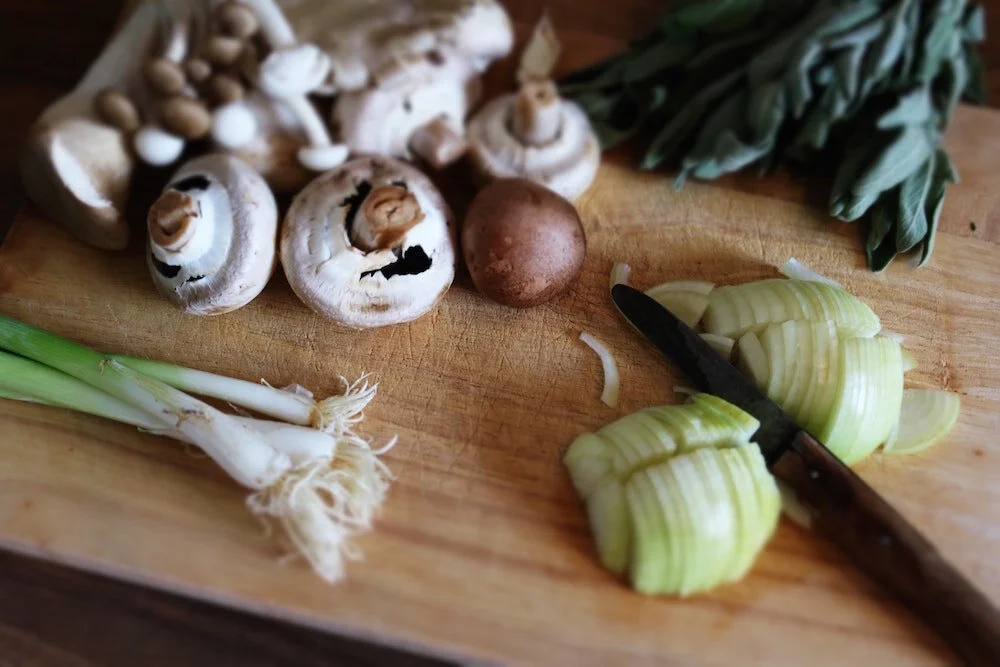
I love this idea of meal planning too, as it has seriously cut down on the amount of times I have to run to the grocery store during the week; this affords me extra time every day! Not to mention we save on gas, and the environment wins a piece of the pie here too.
Planning the week's dinners on Sunday morning means I plan to do a grocery shop that day, and maybe a mid-week stop at the grocery store for some mid-week purchases. And that should be it. (Au contraire, when I don't plan meals; darting out to the grocery store for ingredients every night or two really adds to the stress of making dinner.)
Start with what taking stock of what you’ve got
When I'm sitting down to draw up the week's dinners, I usually stick to a list of things we either have in the fridge or garden and need to use up, or I try to utilize a special ingredient over the course of a week.
If I'm roasting a butternut squash for a side at dinner one night, you can bet your bottom dollar there'll be a roasted acorn squash soup later that week: roasting the two squashes in the oven together at the same time means I have cut my prep time for dinner that second night in half. That will be handy on a particularly busy night.
I really do love food, so fridge space is at a premium in my house. I need to plan to use things up in a timely fashion; meal planning allows me to mindfully figure out how to move those ingredients into meals and into bellies in order to clear up space for my next batch of ferments or condiments that will need a spot in the fridge. (It's all about the condiments at my house.)
Meal Planning Tips:
Set aside a 20 minute window of time every week where you will sit down to hammer out the list of dinners for the week ahead.
Keep. It. Simple. (Read up on the idea of J.E.R.F.)
Use what you have on hand.
Think of adding in your family's activities to the meal plan write up: this will help you figure out if it's the kind of night where you need something on the table in 20 minutes, or if you have time to throw a roast chicken in oven in the afternoon before 3 o'clock pick up.
Make your grocery list once your meals are decided, and get only what you'll need.
When starting out, spend thirty minutes as a family brainstorming on everyone's favourite meals, and write these down on a sheet of paper. Refer back to this list often when planning. Add your new favourites along the way.
If you don't know where to start, then may I recommend you assign a different theme to every night? For example, Mondays might be good soup and sandwich days. Tuesdays might be International Foods night, where you make different flavours from around the world. Wednesdays might be ye olde Egg Night (because that's when you have to be in four places at once, driving to and fro.) Fridays might be the forever-pizza-and-movie-night. You'll figure out what your family likes once you draw up that list of meals that are surefire hits. Other themes: protein and simple veg; salad night; soup and salad; mexican food; fish night; BBQ night; vegetarian night; full on roast dinner family style; pasta night; assemble-your-own night; bowls; etc.
Rotate the schedule! You don't have to re-invent the wheel every week. Find meals that work with your schedule and with your family's tastebuds, and rotate every two, three or four weeks. Whatever works. Repetition is a-ok, especially for those who have littles. Repetition brings them a sense of safety and comfort.
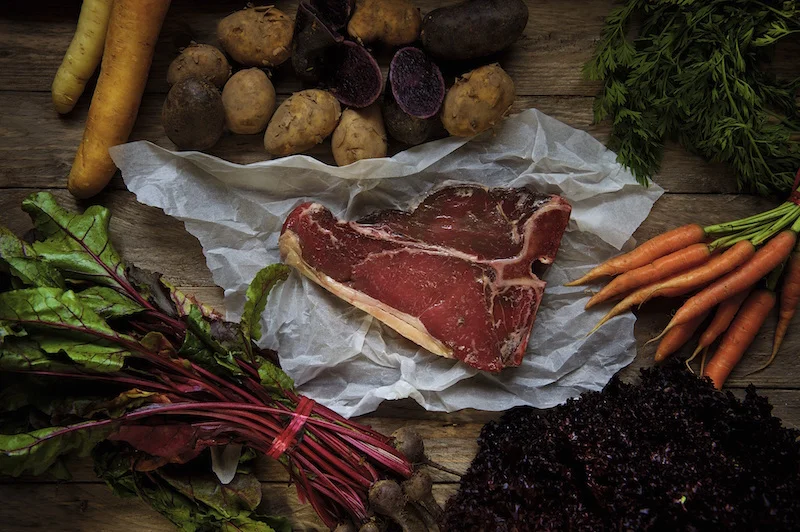
My favourite jumping off points to inspire the week's meals:
ingredients that need to be used up (feta cheese about to expire? Make greek salad. Cabbage starting to get wilty? Unrolled cabbage rolls are on your horizon. A bag of apple slices uneaten from the kids' lunches is starting to rip at the seams in the freezer? Apple cottage cheese pancakes might be a hit. A glut of eggs from your farmshare? Make quiche. And so on, and so forth.)
new ingredient in your CSA box: look up some recipes online for interesting ways to use them up.
Make a big batch of something basic on a day where time is on your side; think along the lines of a big batch of fairly-plain navy beans. Make at least double what you'll need; plan to use this ingredient in another recipe later on in the week. Navy bean hummus? Yes please! Cassoulet? Mais oui oui j'aimerais bien!
Take a cookbook out of the library to get inspired, and make all or just a few of the week's meals from this new inspiration. Favourites I go back to: anything by Jamie Oliver; anything Paleo; anything with the words 'Traditional' or 'Real Food'.
You could also take a cookbook out on a certain style of cuisine, like 'Easy Vietnamese' or something along this vein. You will be adding some new flavours, and keeping it interesting for yourself when it comes to meal prep.
Your freezer starting to talk back when you go diving to see what is found within? Start using the ingredients or meals you have in there. Found a big bag of shredded zucchini and a bag from last year's Halloween pumpkin you decided to freeze in freezer bags? They make a great base for a fabulous chili.
Anything in your pantry that has been around too long? Figure out a way to work it into a meal this week. Onions are sprouting? French onion soup might be tasty. A box of felafel mix been there for more than 6 months? You should use it. A jar of pickled hot peppers your Mother in Law brought back for you on her last trip to the States? Make some nachos this week. (We did. They were delicious.)
Your garden's current crop or that of your neighbour's might also inspire meals for the week ahead. Tomato harvest time with frost in the forecast? Sweet Basil Roasted Tomato Sauce from Rebar is a great way to extend the harvest flavours; if you cook all of the tomatoes up, you might have enough for a second dinner a few weeks later down the road. Freeze the extras. Carrots coming out your ears? Ginger carrot soup is one of my favourite fall flavours.
Find something on super sale when you were out getting groceries? Make that a focal point for a meal during the week. Lots of basil on sale? Make a triple batch of pesto, use up for one meal and freeze the remainder in an ice cube tray to then drop in freezer bags. This will make for easy flavour enhancers to be used in meals down the road.
Don't be afraid to use your slow cooker!
Double up on recipes, and store extras in the freezer. Your future self will be thanking your forward-thinking younger self.
Alternately, you can double up on recipes at dinner and freeze into single-portion sizes. This will make for easy homemade lunches you can take to work or send with your kiddos to school. (Soup is my fave this way!)
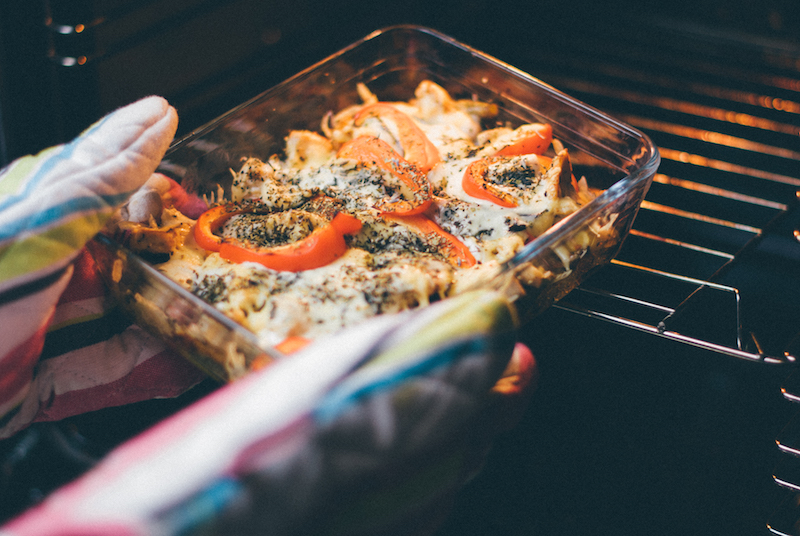
Go play with your food!
THURSDAY BASICS: feed the (good) bugs.
We've talked about the importance of including fermented foods in your diet. We've touched on a bit of a philosophy on eating. Think of today's article as an expansion on this idea, zeroing in on the all important bugs of your gut. Eat the foods to feed those good bugs my friend, and you will be doing your body (and theirs!) some good. Let's talk PREBIOTICS, kittens.
Another Thursday, another throwback! Let’s take a peek at one of the old #mondaybasics series of 2016.
I have been getting this question quite a bit lately: what’s the difference between prebiotics and probiotics? Is one better than the other? Let’s get in to the fray and explore things here.
FEED THE (GOOD) BUGS.
COLES’ NOTES:
1. Prebiotics: these are the foods that nourish the bugs of your gut. Find full lists of the top ones in this article, including a brief look at resistant starch.
2. Probiotics: your gut bugs rely on a good diet, just like you do. So feed them what they like to help them thrive!
3. This is how our ancestors did it, traditionally. I think they had wisdom; we would do well to heed their example.
Get the low down on what constitutes a prebiotic, and why it’s important if you are looking to support your gut + microbiome health.
We've talked about the importance of including fermented foods in your diet. We've touched on a bit of a philosophy on eating. Think of today's article as an expansion on this idea, zeroing in on the all important bugs of your gut. Eat the foods to feed those good bugs my friend, and you will be doing your body (and theirs!) some good. Let's talk PREBIOTICS, kittens.
PREBIOTICS vs PROBIOTICS
If you're scratching your head right now wondering if there is a typo there, I really did mean to type in prebiotics as opposed to probiotics for a reason.
To clarify, probiotics are foods or supplements containing live bacteria. We consume probiotic foods (bacteria-rich!) or supplements in order to replenish the gut microbiome, an active, vibrant and integral component of our digestive tract.
Our microbiome or gut bug community plays a big part in informing our immune systems with the goings on, helping to strengthen our immunity; our gut microbiome keeps our innards happy, helping to further digest foods we can't quite break down, taking out heavy metals, producing important micronutrients and other substances necessary for our bodies to function optimally.
A happy microbiome is necessary in order to reduce inflammation in the gut, which serves to radiate outwards to all other organs and systems in the body.
So yes, please eat your fermented foods and eat them often. (Think kombucha, yogurt, kefir, sauerkraut, pickles, natto, miso, kimchi, horseradish. If the label says 'live' or 'raw', you're good to go!) Read this article if you need a refresher. And check this video out to understand the importance of looking after our gut microbiome. A wonderful short from the folks at NPR.
Now that you know about those wee bugs on your body and in your digestive tract, it is important to know how to take care of them.
This is where prebiotics come in.
Prebiotics are the food for those bugs in your gut! Yes, probiotics eat prebiotics. You know how you always work better or feel better when you're eating those good foods you love? How they fuel you to get through your day?
The bugs in your gut are the same. Feed them their favourite foods, and they'll return the favour in spades. The better the fuel, the happier they'll be, the more anti-inflammatory and immune-loving prowess they will bestow upon you.
What makes a food a good prebiotic?
Prebiotics are typically fibre-rich foods that we as humans can't quite break down to their smallest components. These undigested morsels of food we are name-checking today are rich in oligosaccharides and inulin, two hard-to-digest types of fibres.
Good news, you're undoubtedly feasting on these good foods already! Read on for a good list of those foods to include, in order to best take care of your gut microbiome.
BEST PREBIOTIC FOODS
apples (make sure they're organic!)
artichokes
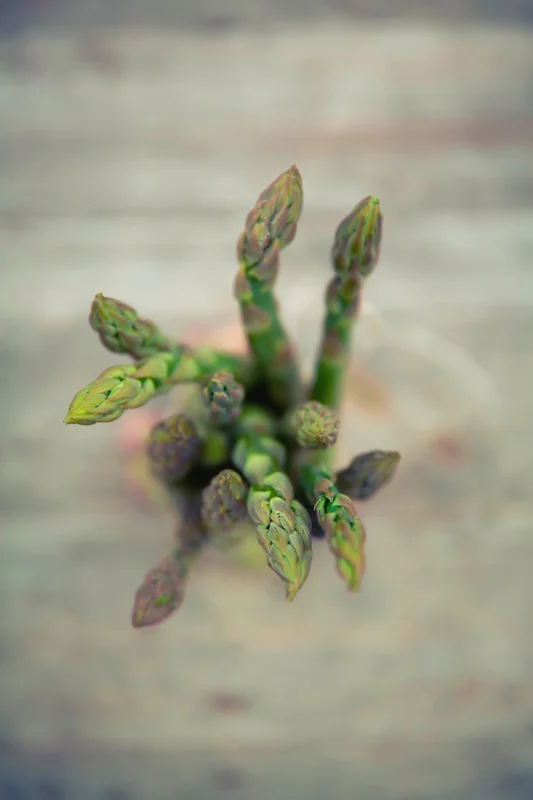
asparagus
banana
beans (prepare first by soaking 12-24 hours before cooking in order to deactivate anti-nutrients)
beets
bran (if you can tolerate grains and your digestion is working well – not ok on GAPS)
cabbage (why do you think sauerkraut ferments so well? It's no accident.)
carrots
coffee (little bits of beans at the bottom of your cup are wonderfoods for the bugs!)
chicory root (buy roasted chicory root and add to dishes or ferments!)
dandelion greens
dandelion root (same as chicory root above – add to dishes or ferments!)
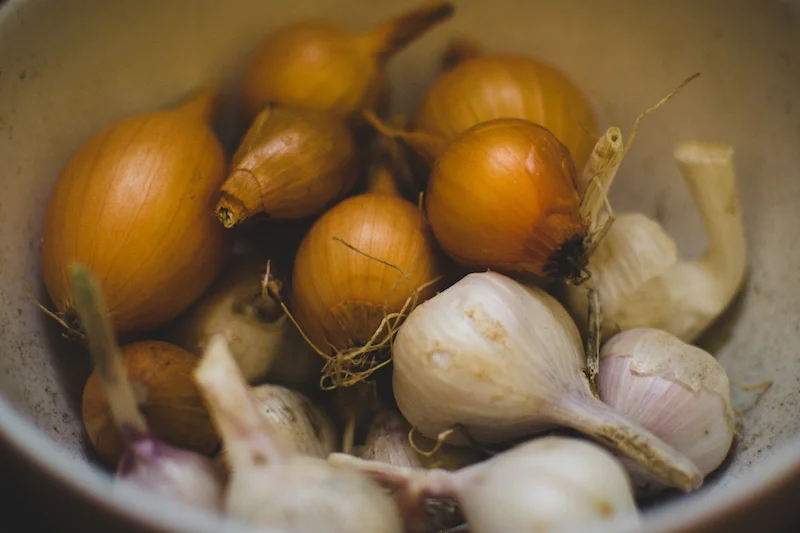
garlic (raw is best – hooray for pesto!)
jerusalem artichoke or sunchokes
jicama
leeks
legumes (prepare first by soaking 12-24 hours before cooking in order to deactivate anti-nutrients) - or make this blitzed pulse paste to add to goods
lettuce greens like radicchio, frisee, endive
onion (raw=best, cooked=great)
parsnips
pears
plantain (they look like bananas – try frying them in coconut oil and adding salt. Yum!)
rhubarb
squash (all winter and summer squash like zucchini)
sweet potatoes
turnips
ON RESISTANT STARCH
Interestingly enough, the prebiotics go up in a few specific leftovers, meaning they're better prebiotic foods if you eat them the next day than on the day they were first prepared: we're talking rice and potatoes here.
The resistant starch develops as the rice and potatoes cool. It remains there if you reheat them as well - so have at ‘er with the potato or rice salad, if you can tolerate! Make extra rice when next you cook up a batch, and freeze the leftovers. Use them up down the line, and know you’re doing your microbiome a good deed - that resistant starch is one of the best microbiome-builders there is!
You can also look to add 1/2 - 1 tsp potato starch to your smoothies or breakfast bowls in the mornings to help nourish that gut microbiome and encourage your good gut bugs to stick around.

Mmm. Delicious resistant starch in these babies tomorrow. Cook extra!
BUT NOW WHAT, LUKA?
I don't want you to get caught up in counting things, or thinking of this recommendation as yet another thing you need to add to your diet.
If you are consuming veg and fruit on a regular basis, ensuring sometimes raw stuff (if you can tolerate), you are good to go. If you are eating a variety of vegetables, I'm pretty sure you are covered.
If you want to up the ante, add more veggies to your plate! Have salads with meals. Roast a third veg for sides at mealtimes. Above all, don't overthink this one.