
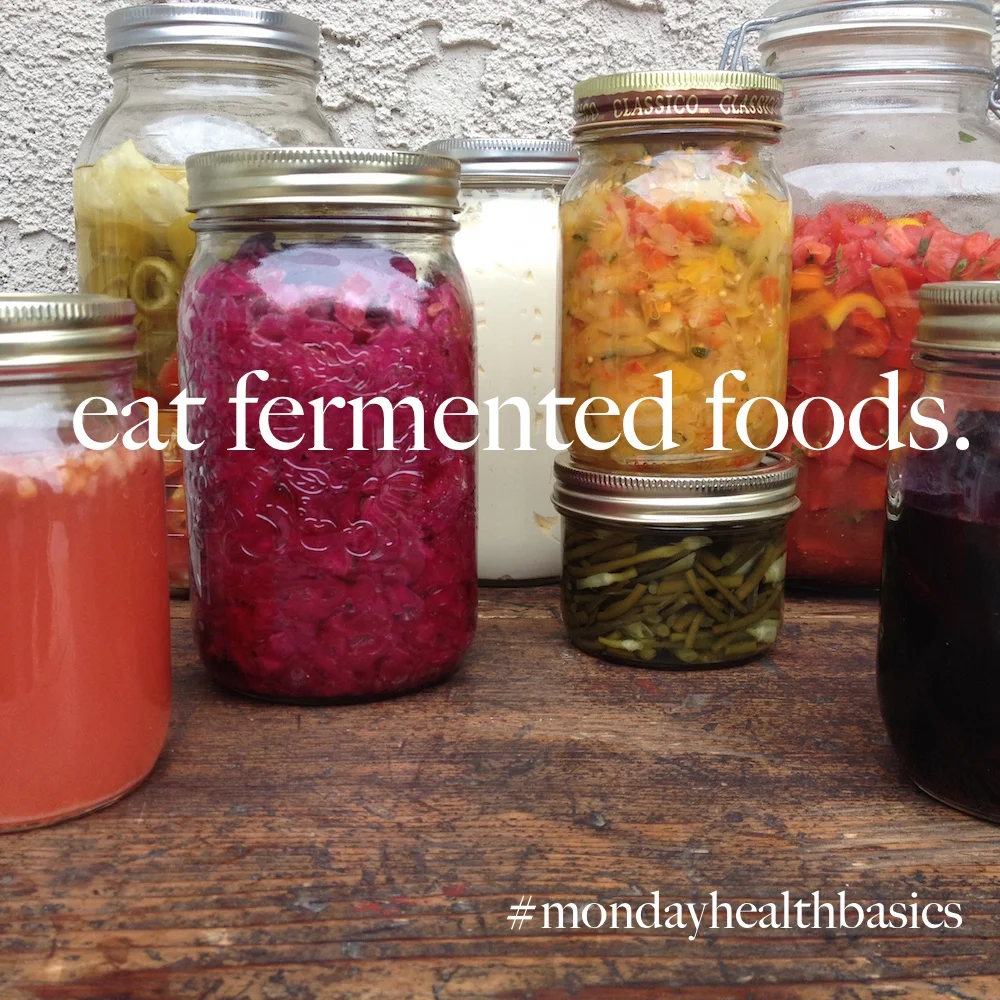
THURSDAY BASICS: Eat Fermented Foods
Let’s talk all things fermented. I can’t believe I haven’t reposted this one yet, but it’s perfect timing. Season-wise, harvest-wise, upcoming fermentation-festival-wise and class-wise.
Read on for more.
#tbt day here at #goodfoodHQ, as we look back on the #mondaybasics series of 2016.
I can’t believe I haven’t reposted this one yet. It’s one I talk about ALL THE LIVE LONG DAY. Maybe that’s why. It’s a crucial step in making real food your ally, though. So if this is news to you, read up!
EAT THE FERMENTED FOODS.
COLES’ NOTES:
It’s all about supporting GROUND ZERO for chronic inflammation — THE GUT.
It’s how it was done traditionally, in all corners of the globe, for all the people everywhere. Yay evolution! Get back on the train!
GO SLOW. Start at 1/2 tsp once a day. Build from there.
This is one of those fundamental changes that will slowly and irrefutably support increasing your digestive fire, reduce inflammation, support immune function and love you up from the guts on out.
Let’s talk all things fermented. Partly because I have seen such big health improvements for myself since introducing these yummy things over now, six years ago, but also from anecdotal tales from clients and class participants about how much fermented foods have benefited them on their trails.
Not to mention, ferments are seeing a kind of renaissance these days, it would seem! And with good reason. Read on for more.
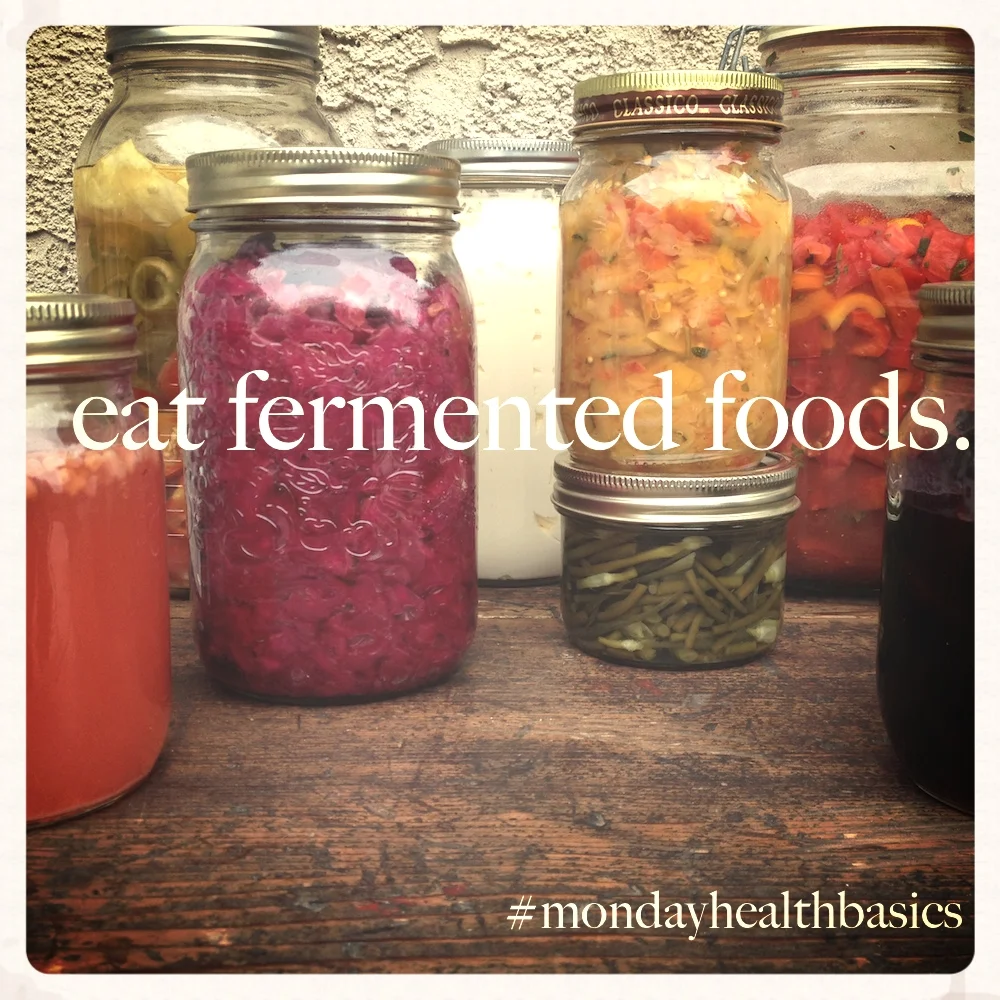
This is one of those fundamental changes that will slowly and irrefutably support increasing your digestive function, thereby improving how you assimilate those foods you eat (meaning you'll get more goodies out of the food you're eating, so making your food dollar go even further!).
Fermented Foods are a cornerstone of my practice, and including them in your day's food choices will be a critical component to supporting your sweet self to improved health and vitality.
Adding fermented foods to your regimen will help in myriad of ways, from supporting your immune system (70%+ of which lives in your gut!), to lowering inflammation in the body, to helping break down foods.
They also boost the vitamins and mineral content of your food by freeing up more of those nutrients, and producing some of those all-important Bs as a side benefit of hanging out in your guts.
THE TRADITIONAL DIET PIECE OF THE PUZZLE
People have been fermenting for millenia, tracing back even to the ancient Greek. Fermentation has been a steady way of the traditional life in just about every nook and cranny of this earth.
People were doing this before they had freezers or had figured out how to can things. It was the original food preservation method that ensured that when the 187 cabbages ripened all around the same time in your Bubbie's garden, she could toss them in a barrel with enough salt to taste 'just so', leaving time to do the magic and alchemy. Over time, this cabbage would sour just right, and be the perfect accompaniment to a warm stew or pot roast in the middle of winter.
Trying to eat those 187 cabbages all before they would go bad? Not possible. Talk about spoilage. Talk about waste. But salting and packing them so no air could spoil the lot? Turned them into delicious morsels that would ensure veggies could get you through winter. She was smart, your Bubbie.
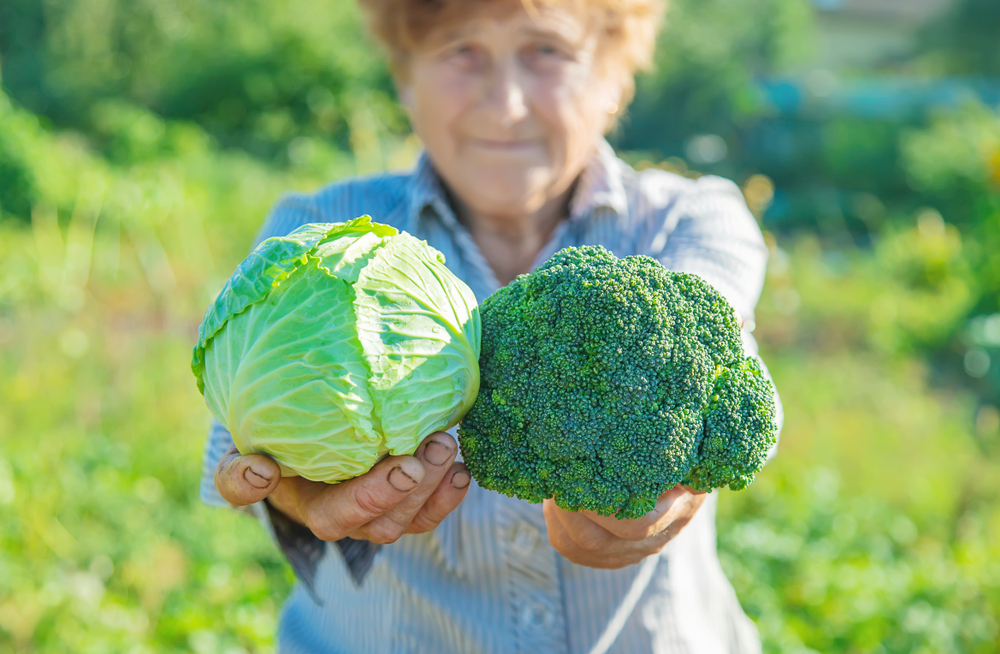
Your smart bubbie. She’s dreaming of fermenting these.
FOR THOSE WHO WANT THE SCIENCE
Fermenting cabbage and other cruciferous vegetables keeps the indole-3-carbino intact, a well researched cancer fighter that has also been shown efficient in removing excess estrogen.
Fermentation by-products also nourish our intestines and colon and contribute to increased nervous system health, including moods and hormone regulation (important for all bodily processes).
They also help regulate dietary fat absorption, and help facilitate energy production.
Oh and one of my favourite things, these good gut guys also chelate out heavy metal toxins! Crowd out the bad bacteria!
They also produce loads of the B vitamins as a thank you for giving them a place to hang out! They help prevent kidney stones and help detoxify endocrine disruptors!
As if that weren't enough, they help neutralize the negative effects of pesticides.
I mean come on, right? The list really does go on and on.
We are outnumbered 10 to 1, bacterial cells to human cells
on every surface of our body.
The palm of your hand holds more bacteria than the entire current human population on earth! Wouldn't you want a say in what kinds of bacteria reside there?
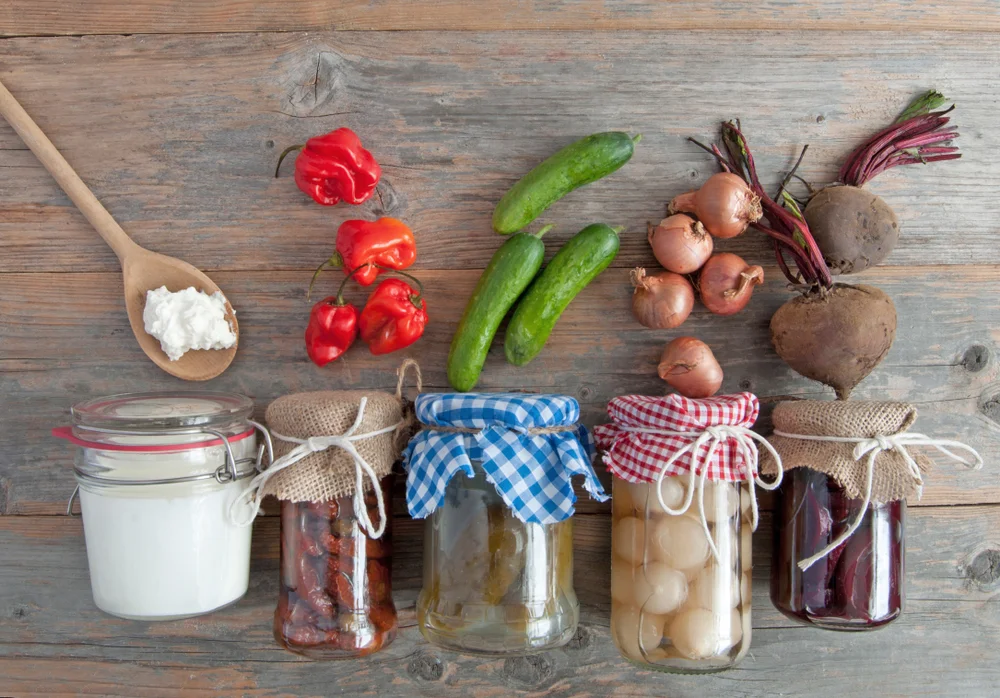
milk kefir, fermented peppers, pickles, onions, beets
WHERE DO YOU GET FERMENTED FOODS?
You can make your own, of course. Bubbie would be proud. Your Halmeoni would beam if you’d try your hand at her kimchi recipe. Your Set Ayat would sing your praises if you tried your hand at making injera. Your Abuelita said to call her as she’d love share her recipe for curtido.
If you can’t call your grandmother and you're keen to get going on your own, you might want to visit some recipes on my blog for a few ideas. Just click on ferments when on the blog's home page to find them.
Of course you can purchase these foods in natural health food stores, specialty shops like The Light Cellar, at Farmers Markets or in the natural health aisle of your favourite grocery store. Be sure to purchase ones that indicate that they are still live or contain probiotics! Talk to your makers! Read your labels!
A good tip in order to find them is to first look in the refrigerator section. Make sure the label says RAW, FERMENTED, PROBIOTIC, unpasteurized, ‘with mother’ or lists the strains of bacteria on the packaging. If they’re keeping it probiotic and ensuring those bugs are alive, they’ll be sure to mark it as such on their packaging!
Typical fermented foods to look for:
apple cider vinegar
yogurt
milk or coconut kefir
sauerkraut
pickles
relish
horseradish
kimchi
kombucha
miso
water kefir
kvass
some preserved lemons
some sour creams
cheese
buttermilk
quark
skyr
creme fraiche

Beet kvass
In the meantime, go play with your food, will you?
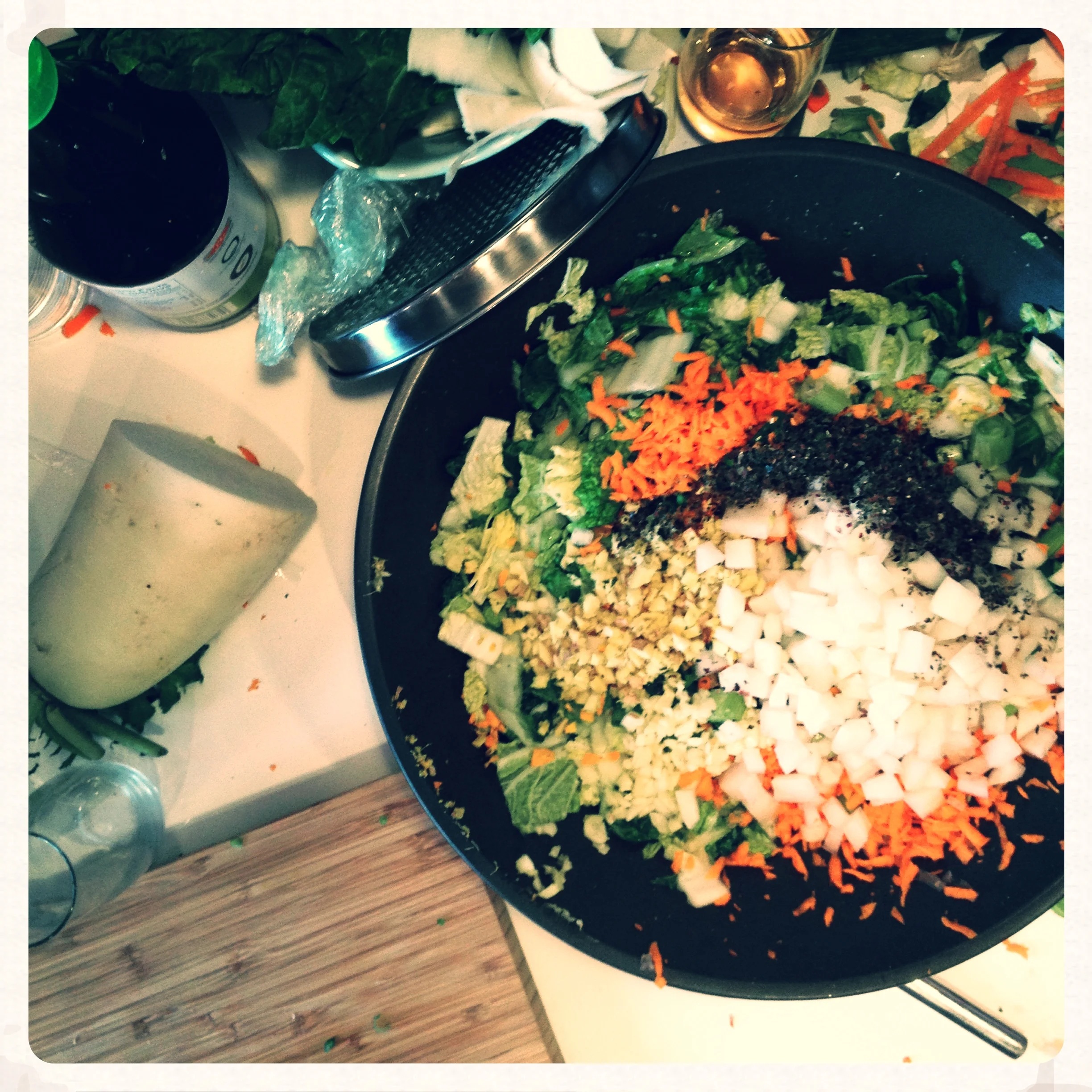
making kimchi
THURSDAY BASICS: eat your greens.
The age-old adage often attributed to mothers of yore with something along the lines of eat your vegetables! is completely bang on, and even more so in 2016. See, your mother (or your mother's mother, or the mother that came before her) was on to something. Vegetables are a good thing. (I think most of us would agree.) And yes, sometimes the younger demographic turns their noses at some of the vegetables on offer at the dinner table. But your mother was right. And today, we'll focus on a specific group of these vegetables. Eat your greens, mon ami(e).
Another Thursday, another throwback! Let’s take a peek at one of the old #mondaybasics series of 2016.
As the month of September rolls along, so we continue to dive in to topics of relevance to nourishing the brain. This specific idea is one of your strategies to implement, in fact, should you be wanting to nourish your entire nervous system, from the brain to the myelin sheath, the nerves to cognition. Aim for 3 cups, minimum a day, kitten.
EAT YOUR GREENS.
COLES’ NOTES:
Why greens are integral to every system’s function, investigating the nourishment from a variety of greens.
Find an extensive list of what constitutes a green - oft-found ones, and off-the-beaten path options too!
Recipe included. Meatballs as a vehicle for the dark leafies.
Dive in, kittens. Whether you want to deeply nourish your skin, brain, reproductive health, support your nervous system, or improve your detox prowess, eat your greens. Erryday.
The age-old adage often attributed to mothers of yore with something along the lines of eat your vegetables! is completely bang on, and even more so in 2016 (now 2019!).
See, your mother (or your mother's mother, or the mother that came before her) was on to something.
Vegetables are a very good thing. (I think most of us would agree.)
And yes, sometimes the younger demographic turns their noses at some of the vegetables on offer at the dinner table. But your mother was right. And today, we'll focus on a specific group of these vegetables. Eat your greens, mon ami(e).
In this post, my aim is to arm you with knowledge so that you can better navigate the food and eating waters. I plan to give you some quick tips on how to include more greens into your daily food regimen. I will share a quick template for a weeknight staple at our house, ye olde Meatballs (a superfoods vehicle in my opinion).
So when I say greens, for the sake of today's post,
I am talking leafy greens.
This means anything that is a leaf typically found on a plant, and a leaf we can eat. This means your obvious ones like kale and lettuce; I also aim to include those lesser obvious ones like herbs and spices, pungent-tasting greens like watercress or sorrel (perhaps my current garden perennial favourite). And by leafy greens, do not shy away from found-in-the-wild kind of foods like seaweed or nettle.
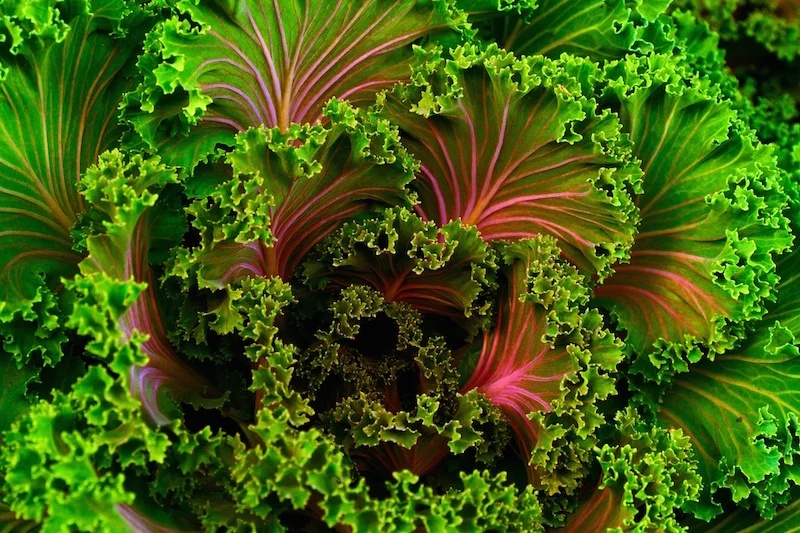
the vibrant kale
WHY THE GREENS
Flashback to your grade six science class: every plant has a few different parts, among them the leaf. This part of the plant allows it to harness energy from the sun in the form of photosynthesis, thereby storing energy necessary for the building and maintenance of the entire plant.
In order for the process of photosynthesis and the storage of said energy in to chlorophyll, magnesium must be made available. Magnesium is actually at the centre of the chlorophyll molecule, much like iron is at the centre of our red blood cells. Therefore, it would be safe to say that by eating any leafy green of any kind, be it originally from land or water, one could be assured they would be consuming good amounts of magnesium.
Why do we need magnesium? Where calcium helps our muscles contract, so magnesium helps to relax the muscles. Where calcium helps our nerves send electrical impulses, so magnesium helps to quiet those electrical impulses.
Magnesium is known as the calming mineral. Suffer from leg cramps? Charlie horses a regular occurrence? Hard time falling asleep at night, thoughts are racing? Maybe upping your leafy greens could be a part of how food could best support you.
IT’S ABOUT THE RATIO
We also need Calcium and Magnesium to be in the right ratio, along with lots of other vitamins and minerals in order to properly build and maintain bones and bone density. So eating greens? Yea, they're good for your bones. (Bonus: dark leafy greens are also a pretty stellar source of calcium.)
On the subject of bones, greens are also high in manganese, another essential mineral in the building and maintenance of bones.
Magnesium is also a very important electrolyte in the body, and so by ensuring a good intake via foods, you would be supporting a healthier blood pressure and overall cardiovascular health.
Magnesium is also an important mineral in the manufacturing of enzymes, mightily involved in the entire digestive process including how your body handles glucose. It is also a necessary component in the chemical reactions that happen in the brain in order to convert amino acids into neurotransmitters. So greens? Yeah, they're good for your digestion and brain too.
In addition to magnesium, greens are typically good sources of potassium, another important electrolyte, especially important for heart and kidney health.
Dark leafy greens are good for your skin too: manganese plays an important role in your body's manufacturing of collagen.
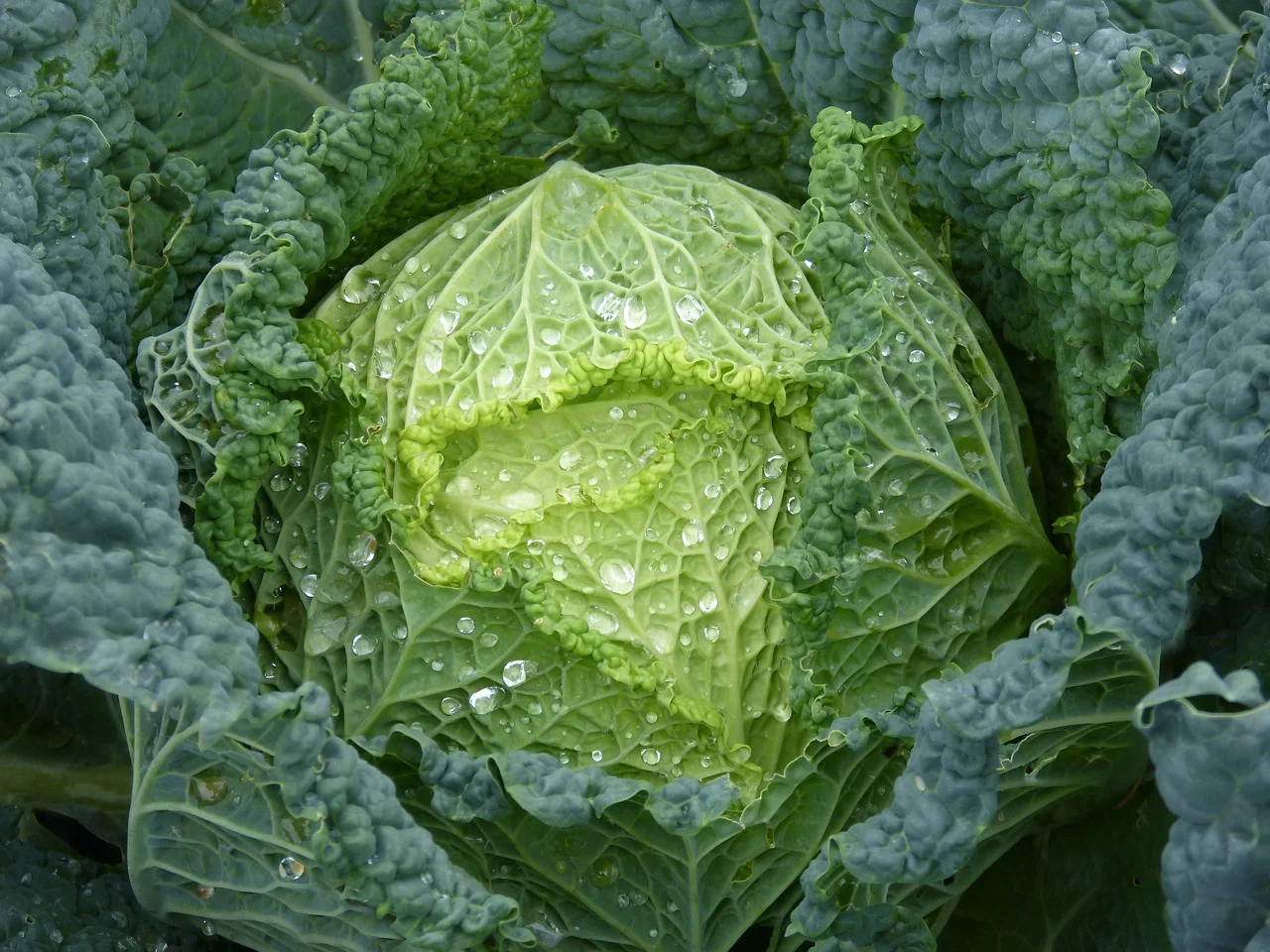
The humble cabbage.
CHECK OUT THESE PRE-CURSORS + DETOX SUPERSTARS
Greens are also good sources of vitamin K1, another key player in bone health and mental health as well. Along with the help of a healthy microbiome, you can turn those K1s into K2, needed for myelin sheath health, eye health + function, + in keeping inflammation at bay.
You'll find lots of B vitamins in the greens as well: these water-soluble vitamins are utilized constantly in adrenal health, stress management, skin health, mental health, hormone building, detoxification, enzyme manufacturing and digestion. Oh yes, also necessary if you are building a human being in your uterus.
They are power houses of minerals and vitamins like vitamins A, C, K that assist your body in the detoxification work, helping to clean out your blood, and have been shown to lower your risk of developing cancer.
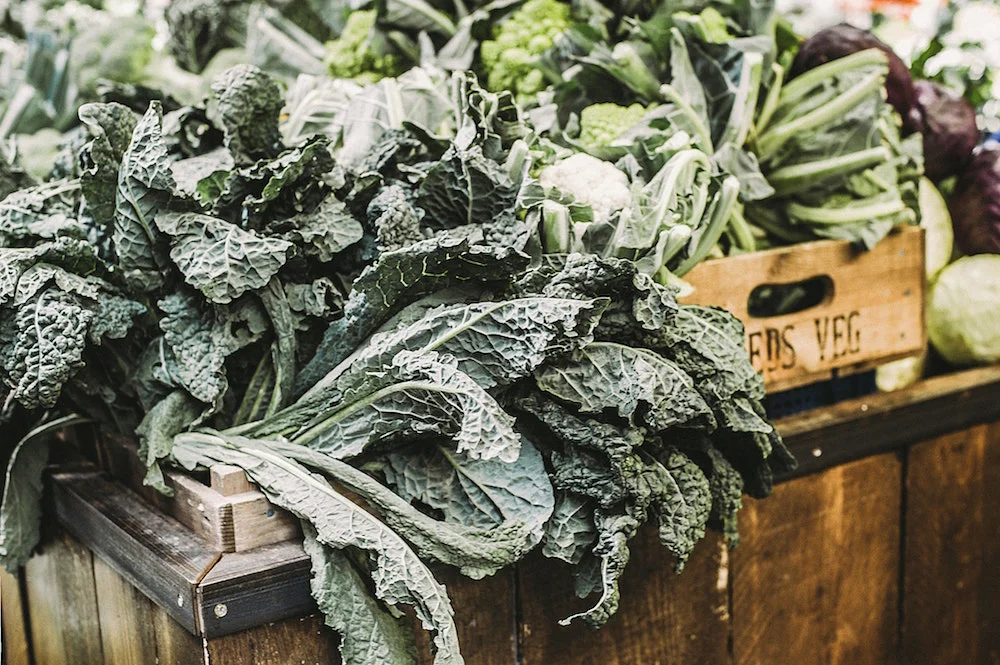
Get in ma belly!
FOLLOW THE BITTER
The more bitter tasting greens are of tremendous support to the liver, supporting digestion by inducing it to produce more bile which is the body's natural way of re-packaging spent metabolic waste and toxins and shipping them out the regular route of elimination, #2.
Greens are usually good sources of fibre too, which helps escort those toxins out of the body. Some of this fibre also goes to fuel the bugs in your gut, those good guys we want to have in our innards. You could say that eating your greens is essential to disease prevention then.
ANTI-INFLAMMATORY POWERS
Greens are shown to help lower cholesterol, thereby assisting in reducing inflammation. (Where inflammation occurs, cholesterol builds.) They are also fabulous purveyors of those all important flavonoids that will help mitigate inflammation and reduce oxidative stress on your body.
There is a fascinating video available online, an anecdotal video from Dr. Terry Wahls who worked through the devastating diagnosis of MS. She tells the tale of how her food choices helped support her body recover, fuelling her mitochondria, the energy manufacturing engines of each and every cell of her body. She specifically speaks to the idea of consuming 9 cups of vegetables a day, with three cups coming from leafy greens. It has been taken away from the TEDx's roster as they state it falls outside their curatorial guidelines. You can still find a version here.
In conclusion, it's safe to say that if you have a body and want to maintain its regular functions,
all of them, you need to eat your greens. Every day.
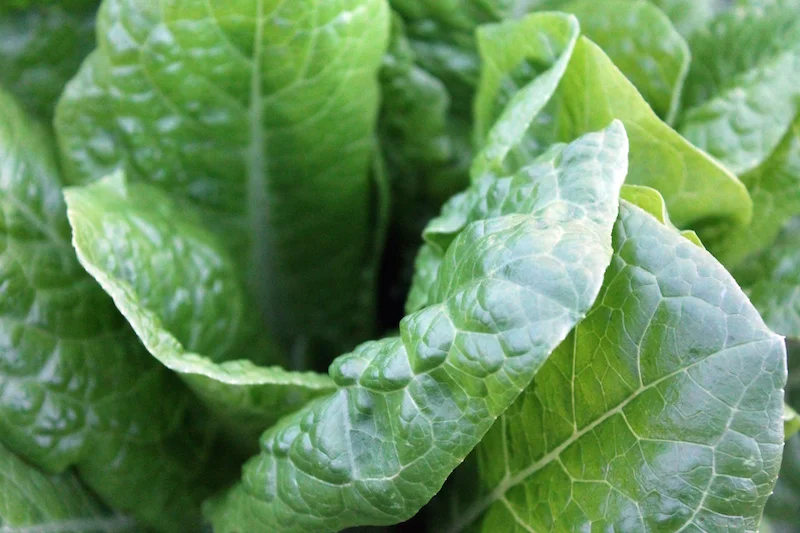
the humble romaine.
WHAT KINDS OF GREENS
Well it's clear that when we talk greens, you probably are thinking of the obvious players like spinach and kale, or maybe arugula or dandelion greens for the more bitter ones. I want you to think outside the box. Let's draw a list, shall we?
GREENS
spinach
kale
bok choy
lettuce
romaine
swiss chard
collard greens
mustard greens
beet greens
turnip greens
cabbage
brussels sprouts
BITTER GREENS
sorrel
dandelion greens
arugula
endive
raddichio
escarole
frisee
mizuna
watercress
chicory
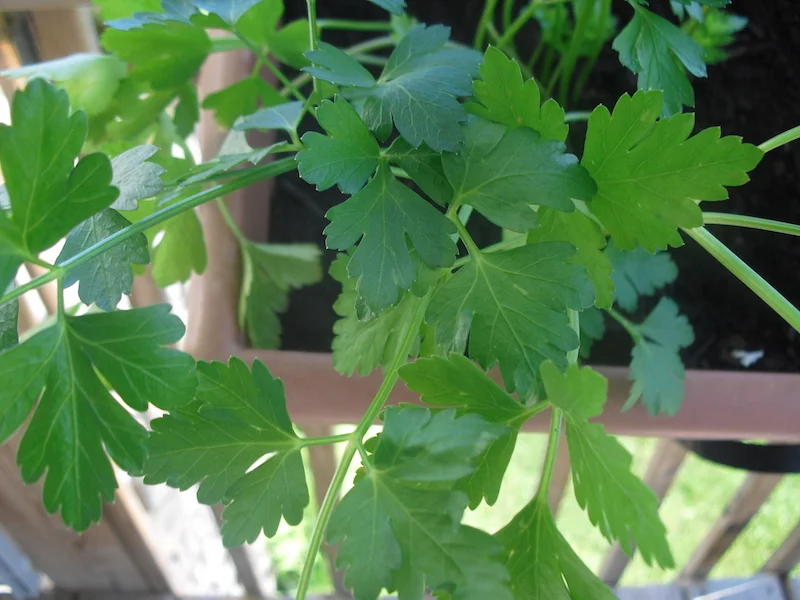
Parsley - a perfect herb for a summer garden!
HERBS
basil
parsley
dill
cilantro
chives
green onions
oregano
lovage
mint
rosemary
OFF THE BEATEN PATH
seaweed
green tea
spirulina
chlorella
broccoli leaves
amaranth leaves
nettles (careful if foraging, they really do sting!)
nasturtium leaves (yes! you can eat these! and the flowers too.)
borage leaves (young ones)

Nasturtiums leaves and flowers are edible. And peppery!
OK so they're good for you. I get it, you're saying to yourself. But how do I eat them? I had enough creamed spinach growing up, thank you very much. Let's go over a few ideas here.
LET'S EAT
Here's a good recipe round-up, if you're looking for ideas (click on the titles, as some of these will link out to a recipe):
cook simply in a good fat like butter, and add S+P
even fancier, you can cook your greens up in coconut oil with ginger and garlic, and at the last minute drizzle sesame oil over top
perhaps the most obvious, but make a salad, and use more than just one green
blitz together a bit of spirulina or chlorella with some pumpkin seeds for a breakfast topping
throw them in smoothies (the greens like kale and spinach can contribute to inhibiting proper thyroid function, so best to reach for other greens like lettuce, chard or watercress, or herbs like mint)
whip up a greens curry (like my Palak-a-la-Ginny)
mince finely and toss in soups or on eggs or sauces; your picky eaters will think it's flavouring
toss in some dried seaweed or minced herbs in to your next ferment
deydrate your pock-marked greens from the garden and crumble into everything!
if you grow broccoli or cauliflower in your garden, keep those leaves and dehydrate them!
toss that s**t in everything
In June of last year, I put together a blog series called A Month of Salads. Find the round up here.
Find a whole post already on how to incorporate more nettle in to your life. Same goes for how to bring more seaweed into your daily meals, a mineral superhero for sure!
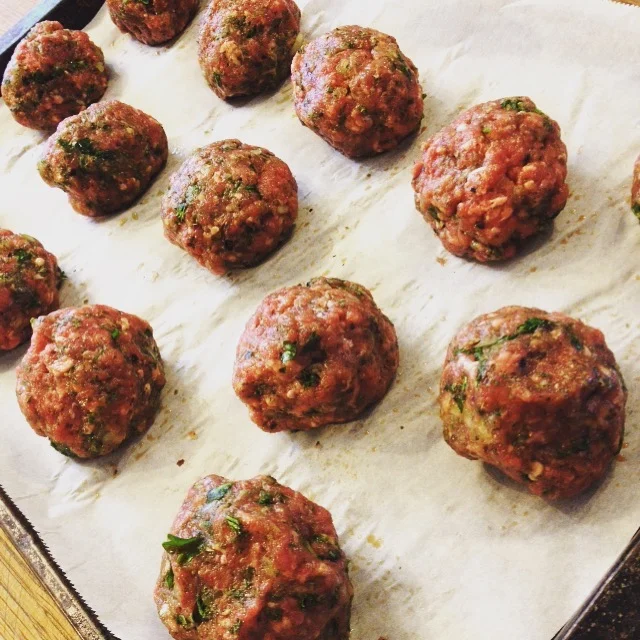
A weeknight staple with loads of greens: the meatball.
MEATBALLS TEMPLATE
Here is my template for an easy weeknight meal that will help curb inflammation, fuel your sweet body with those good nutrients necessary for optimal health. I like to think of meatballs as flavour and super foods vehicles. The sky is the limit here; you will soon discover what you like and will make this recipe your own. I look forward to hearing about it.
THE PLAYERS
1.5 lbs grass fed beef or pork, or bison, or chicken or turkey
2 eggs (brain superfood)
1/2 bunch minced fresh herbs like parsley or cilantro or basil (super green)
1/2 onion, minced (liver loving)
2 tbsp minced seaweed (mineral and iodine rich)
2 tbsp dried herbs like oregano or marjoram, or 1 tbsp dried thyme
1 tbsp lemon juice
Add any dried crumbled greens from your garden if you have them (I use lovage all the time, or the dehydrated hail-damaged greens that are inevitable every summer in Alberta)
1.5 tsp sea salt (minerals!) and ground black pepper
THE HOW-TO
Bake in a preheated 375F oven for 25 min. You can turn them once if you like, but it isn't necessary. Once they're in the oven, now you can go make the sides to accompany the meatballs. Eat them right when they come out of the oven.
GO PLAY WITH YOUR FOOD.
THURSDAY BASICS: break for 12.
Today's blog post is about loving your liver, and giving your body that rest it needs to recoup from the day and prepare for tomorrow.
Break for 12.
#tbt day here at #goodfoodHQ, as we look back on the #mondaybasics series of 2016.
Everyone can always benefit from putting food + lifestyle ideas in place to support THE LIVER. She really does do something like 400+ jobs in the body. This week’s post zeroes in on lightening her load, so that she can lighten your toxin load. She really loves you that much.
BREAK FOR 12.
COLES NOTES:
1. This is about giving the liver a break from digestion, so it can get into deep cleaning mode - code for moving inflammation out of the body.
2. Stop eating 3 hours before going to bed. OR
3. Work on a 12 hour window sans food - say, 7pm to 7am.
This is about supporting a healthy Circadian Rhythm. A balanced inner clock really is a pillar to supporting optimal health + ensuring vitality for the long run. Consider this a good place to start!
Today's blog post is about loving your liver, and giving your body that rest it needs to recoup from the day and prepare for tomorrow.
Break for 12.
Funny that this week is Labour Day. Today's post is all about giving your body that break it needs! The one it requires to stay in tip top shape.
The concept in today's write up is about taking a break from eating foods for a good twelve hours a night. That would typically mean finish up dinner by 7pm, and get ready for breakfast at 7am. Seems like a pretty easy task to tend to, yes?
There are lots of good reasons why this is a good thing. Let's concentrate first on the liver. This important organ goes to work when we go to sleep. This whole schedule depends quite strongly on the fact that our Circadian rhythm is functioning optimally.
According to the concept of the Chinese Body Clock, 1:00 am is the peak time for our liver's functioning. This means that for the next two hours, our wee lil liver is drawing energy inwards in order to help restore function to the body, to do some of that repair work that needs to happen. One of the principal jobs here is that our liver works at filtering out the blood, doing some pretty major detoxification and working at moving inflammation out of the body.
In the interest of balance, the organ that peaks at the opposite end of the clock twelve hours later is your small intestine. Yes, the organ that works at further breaking foods down and assimilating those nutrients in to the body we need.
When the liver is at peak time, the small intestine is supposed to be at the lowest time. If you had a late night snack or only got to dinner at 11pm when you finally came home from your meeting, you are engaging your small intestine to work late into the night. Doing so will engage your small intestine into the wee hours of the morning, which will prevent your liver from going in to that restorative time slot.
If we haven't quite finished digesting our last meal of the day by the time 1:00 am rolls around, we are starting to play with the way things are meant to work in the body, namely disturbing this very important detoxification work. If the body is still working at breaking down our late night meal or snack, our body is now concentrating on digestion and not on the restorative work of the liver.
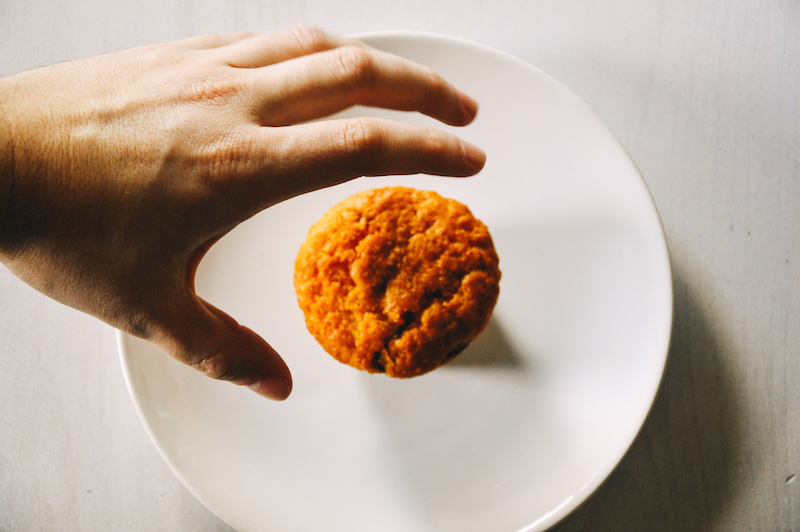
Circadian Rhythm
By asking our bodies to digest late night instead of entering a twelve hour fast, we are contributing to throwing the Circadian rhythm off kilter. This can have serious impacts on our optimal health.
Want to know just what is our circadian rhythm, what's it all about? Click here. Find some interesting studies and experiments based on the Circadian Rhythm here. Disrupting our Circadian rhythm can negatively impact our health in myriad ways: obvious things like contributing to our inflammation, contributing to Parkinson's, hormonal shifts, optimal brain function can be impaired, and this is just the beginning. Remember this post on prioritizing sleep? It goes in to more detail on the importance of restorative sleep. Head there for some good tips on how to ensure optimal sleep.
Back to snacking. Our bodies haven't evolved fast enough yet to allow for our late night snacking habits. Late night munchies means your body's clean-up crew (liver!) just won't be able to do the maintenance work it needs to do at night.
So give your digestive system a break, and influence your liver to rev up its cleaning duties by planning to finish eating by 7pm at the latest. Know that earlier is indeed better.
My recommendation would be to aim to finish dinner a good three to four hours before you plan to hit the hay. That gives your body plenty of time to break down your last meal of the day and prepare for the clean up crew coming in at 1am.

The other part of this equation is this nasty lil thing called acid reflux. As we are now eating our heaviest meal at the end of the day, we are putting the most work on our digestive system as our body's ability to digest is at its weakest. Couple this with a late hour for noshing, and this starts to negatively impact our body's ability to produce hydrochloric acid enough to trigger proper and thorough breakdown of all foods coming down the pipe.
It is this release of hydrochloric acid (stomach acid) that chemically triggers our body's protein enzymes to get to work. It is also this acid that chemically triggers the sphincter at the top of our stomach to properly close in order to keep everything in the stomach. As our ability to produce hydrochloric acid wanes as we age, this digestion process starts to take longer and longer to finish. Going to bed an hour or two after a meal, while we haven't quite finished breaking foods down in our stomachs, as we lay on our sides, we start to tip some of this acid out of the stomach, resulting in acid reflux. If you give your body adequate time to digest your last meal of the day and get it going down the digestive system, you will better reduce those chances of acid reflux interrupting your beauty sleep.
Coles Notes
Break for 12 hours. Stop eating by 7pm, have breakfast at 7am. Alternately, give yourself 3-4 hours between your last bite and when your head hits the pillow. Your liver will thank you by bringing in the cleaning service, and your body's natural superpowers of detoxification will be best supported.

THURSDAY BASICS: love your heart.
Ah, summertime. A time of lolling about, eating fresh foods, taking some time away to spend it solo or with someone you fancy. Time for family get-aways. Puttering around in the garden. Late night games on the deck under cheesy patio lanterns. Trips out to the cottage/chalet/cabin/camp. Refreshing dips in a lake or river, maybe even an ocean. A daily nap in the hammock. Long days and sunshine. Sighhhhhhhhhhhhhh... Am I right?
Through the Traditional Chinese Medicine lens, summer is the season of the heart. In today's #mondayhealthbasics blog post, we will look at how Holistic Nutrition can best support your ever-lovin heart.
#tbt day here at #goodfoodHQ, as we look back on the #mondaybasics series of 2016.
This post is for deep summer times. Whether you want to regulate healthy blood pressure, balance out your cholesterol levels, keep atherosclerosis at bay or keep your entire Cardiovascular System healthy, this post is for you.
Maybe your family history tells that this area is one you should deeply nourish! Maybe you are currently struggling with heart-related health troubles! Nutrition is one of the good ways you can proactively take your own health in to your hands.
LOVE UP YOUR HEART.
COLES NOTES:
1. Heart related issues will always relate back to Inflammation.
2. The importance of including vitamin K2 in your daily diet (+ why this vitamin was ignored for so long!)
3. The role of fats, water and joy in keeping your heart healthy!
Honestly. You can never go wrong when you reach for food ways to support a healthy heart. Dig in for the practical, kittens. And take summer with you as we sashay into a new season.
Ah, summertime. A time of lolling about, eating fresh foods, taking some time away to spend it solo or with someone you fancy. Time for family get-aways. Puttering around in the garden. Late night games on the deck under cheesy patio lanterns. Trips out to the cottage/chalet/cabin/camp. Refreshing dips in a lake or river, maybe even an ocean. A daily nap in the hammock. Long days and sunshine. Sighhhhhhhhhhhhhh... Am I right?
Through the Traditional Chinese Medicine lens, summer is the season of the heart. In today's #mondayhealthbasics blog post revisited, we will look at how Holistic Nutrition can best support your ever-lovin heart.

INFLAMMATION
It is interesting to note that while the heart is the main organ of the summer, the small intestine is the second organ we should be focusing on, according to the teachings of Traditional Chinese Medicine. And this makes all the sense in the world! To me, it underscores the importance of looking after gut health when it comes to your heart. Let me explain.
I think it is safe to say that at the root of most if not all chronic diseases, there is inflammation. Think cancer, diabetes, cardiovascular disease, dementia, depression, CFS, MS, ALS, etc. When there is inflammation happening, there is a major component of this taking place in the gut. As your intestinal wall is only one cell thick, any kind of chronic inflammatory state is having a severe impact on your gut. (Here's a good primer on inflammation, if you want to understand it.)
An inflammatory response is regulated by your immune system. If the estimation is that 80% of your immune system resides in your gut, you can see how inflammation has a pretty big impact on this part of the body. Where there is inflammation happening in any other part of the body, rest assured there is inflammation taking place in the gut. As cardiovascular disease, high blood pressure, high cholesterol all count an inflammatory component, it is imperative that we look after the gut, in order to love up the heart.
How best to reduce inflammation then, via diet? Let's look at some of the ways. Click on some of these items to read further, if you're interested.
eat fermented foods in order to reduce inflammation in the gut
eat loads of veg, pulses and beans to feed those bugs in the gut in order that they may stick around to help reduce inflammation. Concentrate on berries, apples, cabbage, potatoes, avocado, sweet potatoes, lentils, split peas, beans, asparagus, artichokes, broccoli.
Eat your Essential Fatty Acids to help lower inflammation. Concentrate on wild-caught fish from the ocean, avocados, pumpkin seeds, flax seeds, pastured beef and bison, walnuts, olive oil, pastured eggs.
reduce prepared and packaged foods, and opt for more real food
drastically reduce or eliminate refined carbs (think baked goods, breads, GF and non!) as simple carbs are quickly converted to sugars, which contribute to increased inflammation
When it comes to heart health, there are many nutrients that are essential to maintaining vitality, good circulation and supporting this hard working muscle. Magnesium is top most in my favourite minerals for the heart: it is an essential mineral here as it helps keep a normal heart rhythm, and helps regulate blood pressure. It is also integral in helping mitigate inflammation! (Look for Mg)
Vitamin K2 is a relative newcomer to the field of nutrition. This important vitamin helps bust clots, and helps keep calcium out of your blood vessels, reducing the calcification or 'hardening' of the arteries. (Look for K2)
Antioxidants and polyphenols do the clean up work in your blood vessels, promoting good circulation and reducing inflammation. (Look for A/P)
If you do consume products from animals, I encourage you to reach for those listed below, as they are more nutrient-dense than their vegetable counter-parts in some of those all-important nutrients like K2.
VITAMINS & MINERALS – plant sources
pumpkin seeds, almonds, all nuts and seeds, peanuts (Mg, A/P)
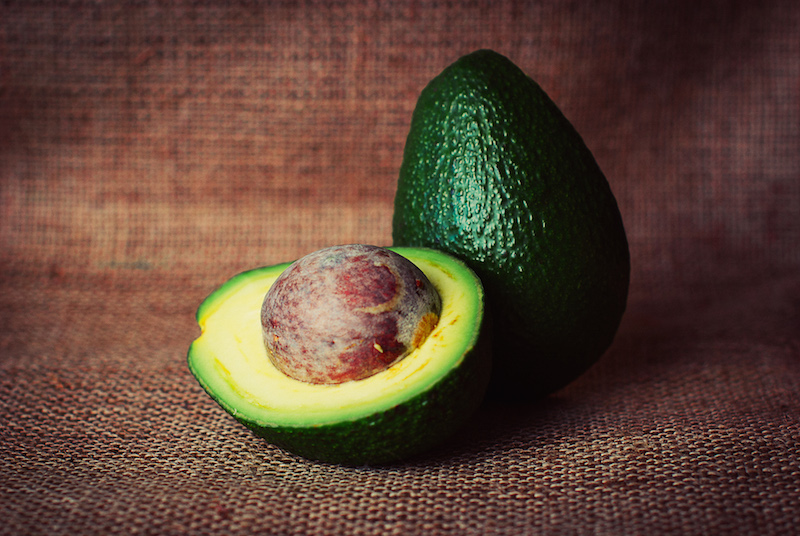
avocado, seaweed (Mg)
figs, dried apricots, dates, raisins (Mg)
dried beans, legumes (Mg)
buckwheat, millet, brown rice (Mg)
sauerkraut, natto (K2)
olive oil, onions, purple cabbage; eat the rainbow! (A/P)
sea salt, dark chocolate, molasses (Mg, A/P)
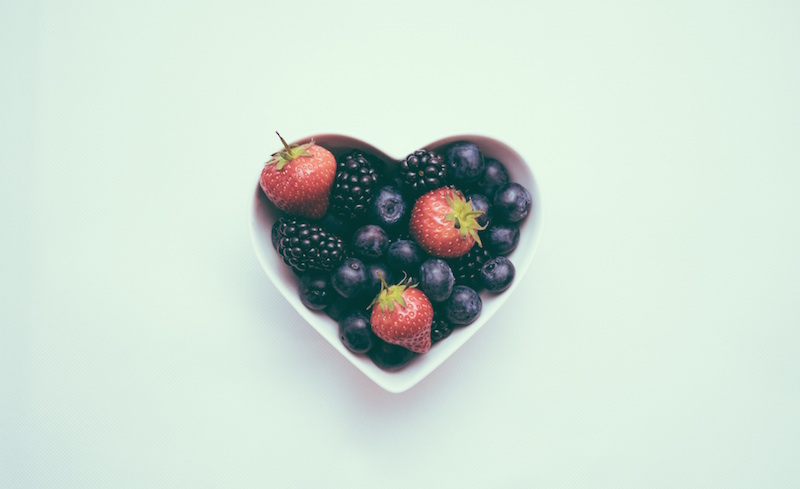
berries, citrus fruit, apples, kiwi, pears (A/P)
VITAMINS & MINERALS – animal sources
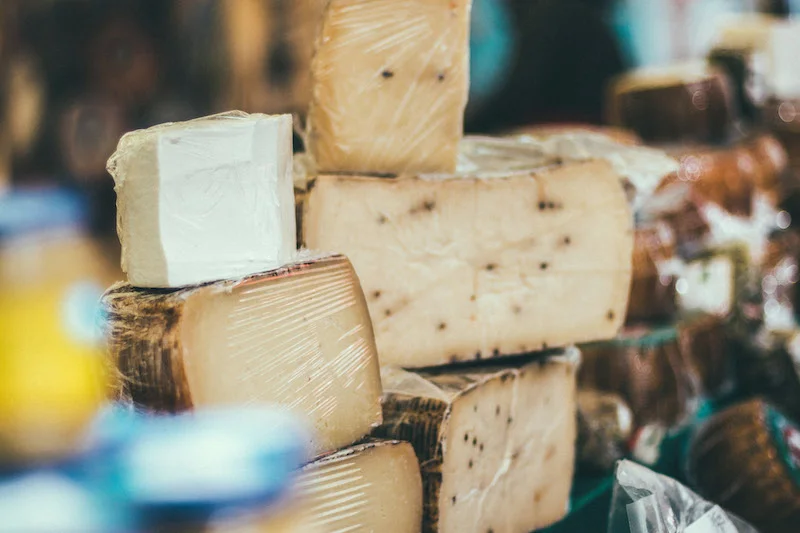
dairy products like butter and cheese from grass-fed animals (Mg, K2, A/P)
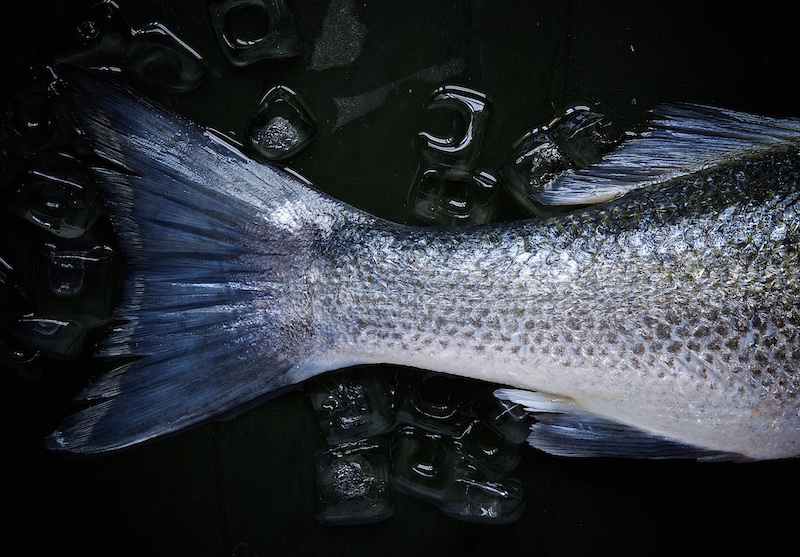
wild-caught fish, especially sardines (Mg, A/P)
eat your yolks! (Mg, K2, A/P)
meat and animal products from beef, bison and chicken raised on pasture (Mg, K2, A/P)
THE FAT OF THE MATTER
It is also imperative you consume good fats in order to reduce inflammation and best fuel your body, protecting that lil beautiful heart of yours. Saturated fats are heart protective, and assist in regulating blood pressure as well. The fat that surrounds your heart is made of saturated fat – it is on this energy store that your heart draws when in times of stress.
The EFAs mentioned earlier assist in regulating heart rhythm, and reducing inflammation. Reach for these happy fats every day.
LIFESTYLE CHOICES
While I love a good meal, I think it's important to also take that awareness of heart health to the rest of your day. As your heart is the centre of joy and love, it is good practice to cultivate it on the daily! This seeking of joy and love will be of great benefit to your heart, and will also work for you in helping to reduce stress.
Don't want to add to the stress of it all, but yes it's true, stress is not so good for your lil ole heart my friend. How best to support your heart then, and reduce stress? Read on for some good ideas, and suggest some more in the comments section below.
Prioritize fun! Play games, go to movies, comedy shows, go dancing, buy season's theatre tickets, go out for a game of cards, get a pet
get involved in something that is important to you, in order to connect. Volunteer somewhere!
good exercise to get the blood pumping. Move and groove friend.

KEEP HYDRATED
Your blood is made up of 50% water just about. In order to help it flow well and unimpeded through the vessels in your body, you best stay hydrated! Adding other goodies to your water like I mentioned a few blog posts back will add in some all-important electrolytes, further helping support heart health. Starting your morning with a glass of lemon water would also be a lovely heart-loving thing to do.
THE COLES NOTES VERSION
Eat lots of veggies, especially greens. Have avocados, olive oil, nuts and seeds. Seek out fish from the ocean (wild-caught!) a few times a week. Consume dairy and animal products from animals raised on pasture, especially eggs. Cook with butter. JERF. Have some ferments. Eat berries. Have so much fun. Go play or dance or walk or climb a tree. Make sure to laugh. Drink lots of water. Sleep like a champ.
And repeat.
Now go find that hammock, it's calling your name.
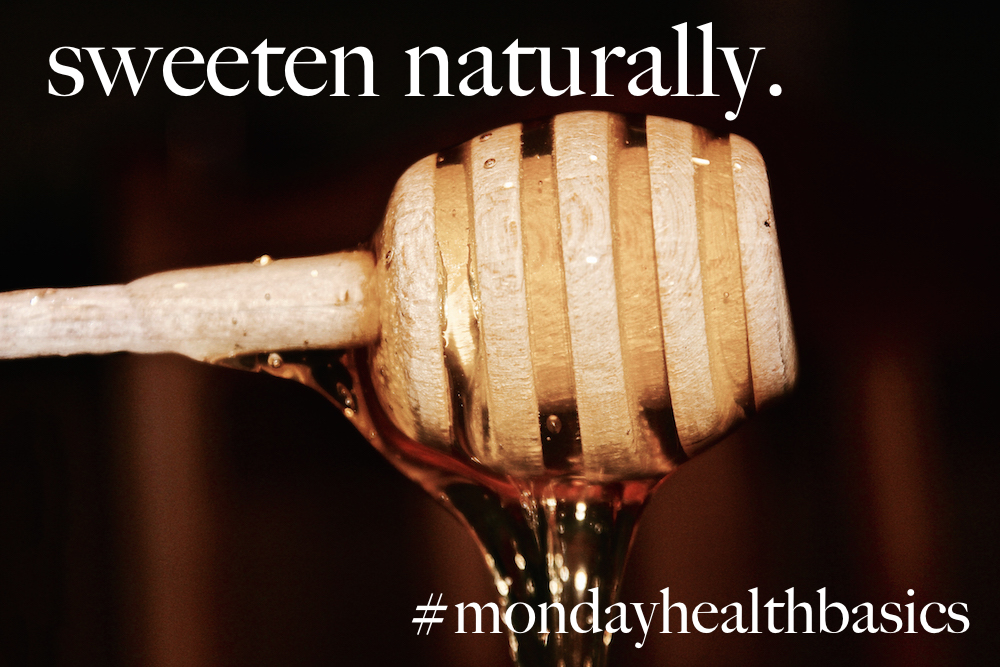
THURSDAY BASICS: sweeten naturally.
SUGARS. Let's do it. Let's talk all things sweet, and talk about ways to figure this thing out. Why this talk of sugar, what kinds are ok, if artificial can make it ok for you, and easy swaps. Read on if you also want tips on defeating that SUGAR beast!
#tbt day here at #goodfoodHQ, as we look back on the #mondaybasics series of 2016.
Do you find it confusing, figuring out which sweetener is ok to use, which one is off the books, or out of fashion these days? Mmm. Trend setting is cool and all, but sometimes you veer off the path of how your ancestors ate. And if you really think about it, that diet is what has nourished and influenced your genetic line for GENERATIONS.
Careful how much you go changing.
SWEETEN NATURALLY.
COLES NOTES:
1. We have evolved to naturally love sweet flavours - to indicate nutrient density.
2. This handy trick of ours is now being used against us.
3. Think of how your ancestors did the sweet thing before you, to help guide you.
This post originally coincided with Halloween, one of the many times a year there is an influx of cheap sugar around for the kids. (I MEAN FOR ALL OF US. Who am I kidding.) But don’t just take this advice at times of high sugar: this is meant for the every day just as much.
Read on to get the gist on why going au naturel might be a better choice for you. Especially if you’re currently working at taming that inflammation dragon.
Ah yes, the month of October. The month the sweets show up EVERYWHERE. Let's do it. Let's talk all things sweet, and talk about ways to figure this thing out.
Sugar has gotten a bad rap, and with good reason. Our manufactured and refined versions of the sweet stuff has gone through so much processing and altering by the time it gets to our plate. Never mind, until about a hundred years ago, no one ate as much sugar in one sitting as we do now!
Before the advent of fast food, grocery stores and pre-packaged foods, our number one place to get our sugar fix was if someone in our home baked some goods, stirred a bit in to a cup of tea. We might have reached for fruit and grains in their whole food versions.
Our ancestors' pantry staples weren't as refined as ours are now. We have drastically changed how we eat in the last 100 years; our genetics haven't changed fast enough in order to deal with this new influx of high sugar foods.
YOU ARE HARDWIRED TO LOVE THE TASTE OF SWEET
The reason we are so apt to reach for sweet tasting foods is a simple one: we have developed the taste buds to seek it out and ensure we consume the sweet tasting foods.
See, before the advent of sugar-laden foods and packaged goods, we ate primarily what was grown in the garden, or what we were able to put up for the year at harvest time. You ate in season; you knew a food was in season because it tasted sweet right off the vine. This sweet taste was what made us reach for the fruit or veg; funny enough, this sweet taste developed right at peak freshness.
The sweet taste is what we evolved to reach for: when we ate those sweet fruit, we were eating them at their most nutrient dense.
Sweet tasting meant it was ripe, meant the nutrients found within (especially vitamins and minerals) were fully developed and at their highest peak. Did you know that Vitamin C is one of the last nutrients to develop on the vine? When a tomato tastes sweet and is allowed to ripen on the vine, this sweet taste means you are getting a brilliant hit of Vitamin C. Plucking that tomato off the vine when it's green in order to ship it across one or three nations in order to reach your dinner table means it's been taken off the plant before it's had a chance to develop that vitamin C; the sweet taste will never be at its peak if you pluck the fruit off too early.
So good work, humans: we developed this taste for sweetness in order to ensure we had maximum nutrient density!
Oh wait. My sugar from sugar beets that is found in my super refined extra sweetened packaged baked good also tastes sweet. I must be getting so many nutrients. Nope. FOOLED. I'VE BEEN FOOLED.
READ YOUR LABELS
Take a look at packaged foods. Sugar is often listed on the ingredient list either in obvious form or hidden form; if the end product tastes delicious, they will ensure repeat customers.
Knowing that we developed over millenia with the impulse to reach for sweet tasting things – this was how we knew the foods were at their peak freshness, which inherently meant they were also at their most nutrient-dense point – making our packaged foods taste sweeter is a good way to have repeat customers.
Too bad these super sweet tasting treats are now devoid of nutrients. Yes, in the refining process (turning whole wheat flour into white flour) we have stripped the most nutrient-dense part of the plant, the germ which now takes out most of the all important B vitamins. Incidentally, the vitamins we need in order to properly break down and digest carbohydrates are those same vitamins. It's the same with sugars.
THE GMO ISSUE
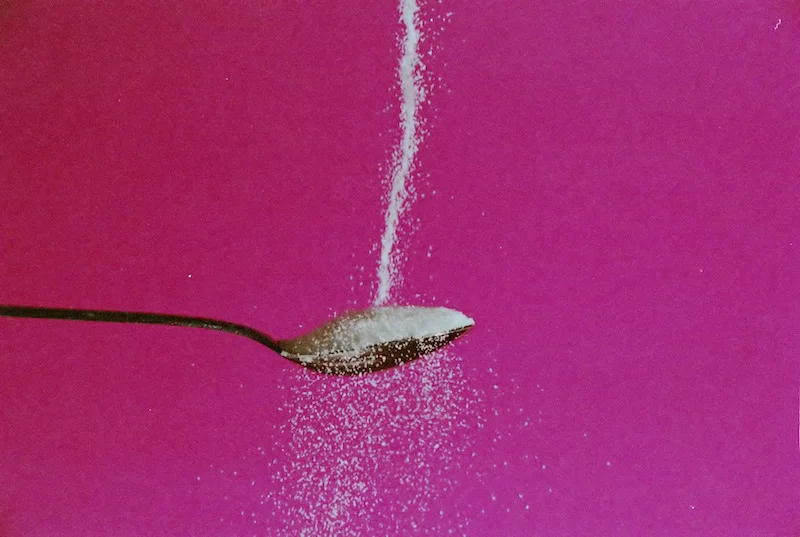
Sugar in its shiny white refined form, or table sugar as we know it, is produced from genetically modified sugar beets. One of the compounds found in the pesticides used on GMO crops (and other non-organic crops) is called glyphosate. Studies show glyphosate changes and wipes out the beneficial microflora in the gut of animals.
When GMO foods were first introduced, there was little known about the impact of our micro biome on our health. Initial studies never included research into the impact these types of treatments would have on animal, never mind human microbiomes.
There are so many helpful articles out there that go over the ill effects sugar will have on your system. They have the content covered. If you'd like to read some, may I recommend this thorough look at sugar from Wellness Mama; if you're looking for a bit of a fear mongering tactic (but completely realistic!) way to look at sugar, may I suggest Authority Nutrition's article on the subject; Huffington Post does a solid round up of reasons why you might want to swear off the stuff here; the folks at Food Matters do a solid write up and include some good alternatives here.

WHAT TO AVOID
There are clear cut ways to know whether or not the packaged food you have in your hand contains any added sugar. Of course, you may see 'sugar' or 'high fructose corn syrup' listed in the ingredients. Here are other words that may not be on your radar that you will want to avoid:
dextrose, fructose, maltose, anything with an -ose suffix; glucose solids, cane juice, dehydrated cane juice, evaporated cane juice, cane juice solids, cane juice crystals, dextrin, maltodextrin, dextran, barley malt, beet sugar, corn sweetener, invert sugar, crystalline fructose, corn syrup, corn syrup solids, caramel, buttered syrup, carob syrup, brown sugar, date sugar, malt syrup, diatase, diatastic malt, fruit juice, fruit juice concentrate, dehydrated fruit juice, fruit juice crystals, golden syrup, turbinado, sorghum syrup, refiner's syrup, ethyl maltol, yellow sugar.
Find a brilliant article here that outlines a more in-depth look at how sugar is utilized in the packaged food industry and the loopholes they get to jump through. Yikes!
Know that sugar has been shown to contribute to obesity, inflammation, heart disease, cancer, nervous system imbalances, they are hard for the liver to work through. I'm just scratching at the surface here.
Don't think that by opting to nix all of the sugars in your diet and welcome in those fake sweeteners will get you out of trouble. Au contraire, mon frere. Those artificial sweeteners are made in a lab, they are artificial. Mother Nature never intended you to consume this chemical. Consuming these types of sweet tasting things confuses your gut and negatively impacts your ability to digest.
This also wreaks havoc on your hormones, throwing things like your insulin out of balance. These artificial sweeteners contribute to blood sugar fluctuations, which sets the stage for chronic inflammation. If you know me, you will have heard me on this topic and know that keeping inflammation at bay is key to optimal health.
The jury is still out on whether or not these artificial sweeteners affect the brain; there are studies to support it and equal number of studies to refute it.
I must say though, I will err on the side of history and reach for those foods that have been successfully consumed then by those generations that came before me. I'd much rather rely on foods made in nature than foods made in a lab. I don't want to wait for those scientific experiments to tell me whether or not it's ok to eat a chemical, I'd much rather trust evolution, Mother Nature and the history of those that came before me instead.

It's the most wonderful time of the year!
WHAT TO REACH FOR
Now that I have successfully scared you into a corner, I'd like to lure you out of said corner with talk of good sweeteners to use in your kitchen. I'd rather focus on positive things and ideas to reach for as opposed to bashing something and spreading negativity. (Sorry I kinda had to at first there. Let's leave this on a high note, shall we?)
Let's get practical, and look at some good sources for the sweet stuff.
Of course, the best natural way to eat something sweet is to eat it as Mother Nature intended.
There is nothing as delicious as super ripe raspberries in the heat of summer. Am I right? Apples in season are a delight, as are the different flavours of apples especially at this time of year. Same thing with pears. Tomatoes taste absolutely delightful when you can pick them off the vine in the back yard! Nothing as sweet and as flavour-packed as a locally grown tomato.
That's another way to get something sweeter, with the sole (original!) intention of signalling that it is nutrient dense: EAT LOCAL. Eating locally sourced food allows the fruit or veggie to be picked closest to when it is ripe, as the traveling distance is never far. Local producers are pretty keen on offering flavour-packed foods and ingredients for your kitchen; search through your local small grocery store or health food store for good options. Make a trip to the farmer's market nearest you this weekend.
For the baker and dessert maker in your home
If you look back in our fairly recent human history, say more than a hundred years ago, there is good evidence that a moderate amount of natural sweeteners were used.
I'll tell you though, the sugar consumption was much much lower than it is now, and those sugary sweet treats weren't a daily occurrence. The products most people used to sweeten their home made treats were things like raw honey and maple syrup, rapadura in some places, date sugar in other spots (really just dehydrated dates), and molasses for some folks, especially we French Canadians. In other parts of the world, people consumed malted grain syrups as well, usually from barley grains or sorghum. I'd say these are a good place to start.
When it comes to making those home baked delicious things for dessert and lunch boxes, I recommend you swap the sugar called for in the recipe, and use a natural sweetener instead. Know that natural sweet things like honey, molasses and maple syrup actually taste sweeter, so you won't need as much of the natural sweetener as the amount of sugar they call for in the recipe.
Play with your food; make notes in your cookbooks with your experiments. Those cookbooks were never meant to remain in pristine shape; a marked up cookbook is a sign of a busy and delicious kitchen. And hopefully full and happy bellies.
SWAP THE SUGAR WITH MASHED FRUIT
You can swap out sugars in your recipes for mashed fruit like apple sauce, or mashed bananas. You will get the sugar hit from those naturally occurring in the fruit (especially bananas!), but you will be having much less sugar than what the recipe calls for.
These natural sweeteners made by Mother Nature come with those nutrients found within that help digest the sweets.
My top picks are raw honey, maple syrup and molasses.
You can seek out other alternatives that offer a sweet taste without packing a sugar punch like lucuma powder (it has a naturally sweet taste), monk fruit or stevia powder. The closer to its natural state, the better.
Simmer a few dates in a bit of water until softened, and puree. You can use this to sweeten things, but do so in moderation. In fact, whenever you are consuming sweet things, do so in moderation.

My favourite French Canadian sweet tradition from when I was a kid: la tire! (Maple taffy on snow)
A NOTE ON AGAVE
Sure, this comes from a plant. Yes, they sell it at health food stores. It is not a sweetener I would recommend you keep in your pantry however; it has been shown to be extremely hard on your liver. It is a natural sweetener sure, but it's extremely high in fructose; fructose has been linked to insulin resistance.
WAYS TO KICK THE SUGAR HABIT
Want to kick sugar?
look here for ideas for the lunchbox that rely less on sugars
start consuming fermented foods – they will help change your microbiome to bugs that will go far in curbing your sugar cravings. They'll also support your liver process your foods and detoxify from the day.
get in touch, I do one on one consults and could help you navigate these waters!