

THURSDAY BASICS: sleep like a champ.
This week's topic is one that can get overlooked, one that can often fall to the back burner, and one that I am certainly extra guilty on not putting first on my list. Or on top of the list. Or on my list at all some days. Tsk tsk tsk.
Every Thursday here, we dive in to a new concept (rather, a revisit of a series first published in 2016). Regardless of whatever health concern you currently have on the go, I guarantee you if you work on improving your sleep (both quality and quantity) you would see some benefits.
Sleep is key to repair from inflammation, replenshing adrenals, balanced weight, hormonal and blood sugar balancing, nourishing to the mind. I mean sleep is a key pillar of Supporting Resiliency!
COLES NOTES
1. Prioritize sleep. Set a schedule. And a routine.
2. Remove those things impeding good sleep.
3. Try heading to bed a half hour earlier than you think you need it for 2-3 weeks, and see how you feel.
Sleep well, my kittens.
This week's topic is one that can get overlooked, one that can often fall to the back burner, and one that I am certainly extra guilty on not putting first on my list. Or on top of the list. Or on my list at all some days. Tsk tsk tsk.

We all know that sleep is good for us. Consistent and regular sleep allows our bodies to do that repairing and restoring work, so imperative to maintaining our organs and bodily systems in good working order. You don't have to look hard to find evidence linking not enough sleep to some pretty serious health issues like diabetes, heart disease and excess weight gain.
Sleep is a daily necessity, a time where our bodies do the repair work needed in our endocrine systems, immune system, digestive and nervous systems, musculoskeletal and just about every system there is.
A good night's sleep will help us balance moods better, will enhance our memory function and helps your body better manage the stress response. Rest and digest is one of the most important functions our bodies do in order to recoup from stressful situations, inflammatory things going on and any repair work that needs to happen in order for our engines to run clean.

WHEN THE QUALITY and/or QUANTITY START TO SUFFER
When you don't sleep enough at night, your body doesn't get that proper resting time to do the reparative work from inflammatory things that may have happened during the day. Count in these inflammatory things our body's response to stress in our environment, whether it's real or perceived.
When we don't sleep long enough to get that reparative work done, we are further impacting our body's total load, and contributing further to that chronic low grade inflammation going on. With this low grade inflammation, think chronic slow-moving health concerns like obesity and weight gain, diabetes, cardiovascular disease, mental health issues like depression and the list goes on.
KEY TO BUILDING RESILIENCY
We need our sleep for our adrenals to replenish, having spent the day handling a few saber tooth tigers. We need our sleep in order to allow our bodies to do that repair work from inflammatory processes in the body. We need sleep, good sleep in order to best support our bodies to repair things from the day that just happened, and also so we can get through the next day as well. It’s key to refilling the well, in order to help support us through tomorrow’s work.

LIFE HACKS TO GET YOU SLEEPING LIKE A SLOTH
I’d say sleeping like a baby, but for anyone who has had a little in their life, I really question where they came up with this concept. Instead, let’s aim to sleep like a sloth.
First things first. If you're able to, refrain from bringing your cell phone into your bedroom at night. Search for an old school alarm clock if you're able to. The EMF waves that are coming and going from your phone have been shown to have a disruptive effect on our sleep patterns. This means it's harder for our bodies to sleep deeply. How to prevent that? Nix the cell phone, keep it in the kitchen for the night!
If you absolutely can't do without your cell phone, put it on airplane mode. That cancels the phone's ability to receive and send signals, thus reducing the EMF waves and ensuring a better and deeper sleep, so that reparative work can happen. And keep it far far away from your head, as far as possible. On the dresser, at the other end of the room if you simply must have it in the room to hear your alarm!
Further to this, you may also want to put a timer on your wireless internet router. Same thing! EMF waves can disrupt your sleep patterns; slapping a timer on that box in the basement means these waves will no longer be keeping you from getting your beauty sleep. A bonus here too: if it's set for a reasonable hour every night, and if you're like me, you'll be too lazy to go to the basement to turn it back on, and so you should be getting to bed at a reasonable hour then. Right?

THE BLUE HUE
On the subject of screens, turn off your electronics one to two hours before going to bed. The blue light emitted from our screens prevents the proper cascade of hormones necessary to start shutting down our bodies for sleepy time bye bye. This essential hormone to good sleep habits is called melatonin, and computer and phone screens' blue light prevent it from working properly in individuals. Ditch the screens and reach for a good book, or a dimly lit room in good conversation with a loved one. Indulge in good radio! This could be a good time to start a meditative practice too.
To keep that good melatonin production, invest in some solid blackout curtains, in order to keep your room darker, longer in the evenings, or keep the early morning rays come June from waking you up at 4.30am. You can also treat yourself to one of those fancy eye masks too, if you're looking to really block out all light. And look fancy doing it.
Another helpful tip is to look to include more magnesium in your diet. Magnesium is the calming mineral. As calcium helps our muscles and nerves tense, so magnesium helps them to relax. If you're aiming to get more through food, reach for those leafy greens, add nuts and seeds to your daily regimen, indulge in the dark chocolate (although earlier in the day). You can also opt to take a magnesium supplement; there are a few to try out there, and different formulations work differently for people. Talk to someone at your favourite local health food store to help determine which one would be best suited for you.

PRIORITIZE SLEEP!
Get into a routine. Your body will come 'round. If you're running on 6 hours a night, aim for 7. If you think you're ok with 7, give yourself an extra half hour for a few days to see how that makes you feel.
On average, adults require 7-9 hours of good uninterrupted sleep a night in order to get that reparative work underway. Make some time for good sleep! If it means you get yourself some fancy red onesies, I promise it will be worth it. Your immune system, your adrenals and your brain called: they said they're up for trying this if you are.
If you're looking for further reading on the importance of sleep, and further tips to make your sleep count, make your way to Mark's Daily Apple blog for some good tips. I am also super digging Shawn Stevenson’s book Sleep Smarter these days. Wanting to understand a bit more about the circadian rhythm piece and correcting it, when sleep is elusive? I highly recommend this recent read I picked up at the library - Chronotherapy: Resetting Your Inner Clock to Boost Mood, Alertness, and Quality Sleep by Michael Terman and Ian McMahan.
Good night, sweet one, and sweet dreams.
Need some support to get back to sleeping like a sloth (or heck, like a teenager)? Get in touch. Let’s get you sleeping real good.

THURSDAY BASICS: buy frozen fruit + veg
Concerned about nutrient density? Want more bang for your food bucks? Frugal with your time? Buy frozen fruit and veg. Allow me to explain.
2019 is the year to implement ONE GOOD THING AT A TIME. And only one thing.
Every Thursday here, we dive in to a new concept (rather, a revisit of a series first published in 2016). This one is a perfect one for these wintry times - it makes lots of sense seeing that we are months away from anything fresh and local. (Plenty of local goodies - the root crops, pastured meats, animal fats, pastured organ meats).
When opting to purchase fruit or veg at the store, might I recommend this week you consider getting frozen ones. Read on for a full exploration on the why here.
COLES NOTES
1. Produce was frozen close to where it was grown, and thus was allowed to develop until ripened on the vine. Nutrient density is higher in these items.
2. They’re easier on the pocketbook right now compared to their fresh alternatives, not to mention WAAAAAAY tastier.
3. Much less waste! And no guilt at having to use up wilting produce in your crisper.
That seems like it might have been five points and not three, but you get my drift. Get on it, and go play with your (frozen) food, wouldya?
Concerned about nutrient density? Want more bang for your food bucks? Frugal with your time? Buy frozen fruit and veg. Allow me to explain.
I love the good foods. I also love any sanity I can etch into my days. Reaching for frozen fruit and veg, especially as winter is now upon us, is something I do on a regular basis. I have lots of reasons why, but chief among them? It's about making supper an easier and more attainable task on those weeknights I'd rather be doing something else. I rely on frozen produce in the spirit of KEEPING IT REAL.
Ah, but see? It works in my favour here. As we are deep into the throes of King Winter now in Alberta, the fresh stuff I ogle at grocery stores at this time of year are coming from so many kilometres away from my home. The green beans at the store? They're from Argentina. (It's perfect green-bean growing weather in Argentina right now. Alberta? Not so much. Western Canada? Those warm summer days left us months ago.) My daughter adores fresh raspberries – as much as I'd love to, I just can't buy them fresh at the stores right now. First of all, the price for fresh organic raspberries is through the roof. Second of all, they were picked long before they got to me, meaning they were allowed to ripen in the truck on the way to my neighbourhood grocery store. In order to still look good by the time those berries reach my store, they have to be picked long before they're even ripe. These berries have to ripen in transit!
Not to mention, have you tasted berries when they aren't in season? They're not even remotely close to the real thing. It really takes away from the experience and just isn't worth it, in my humble opinion.
Enter: the frozen berries and veggies.
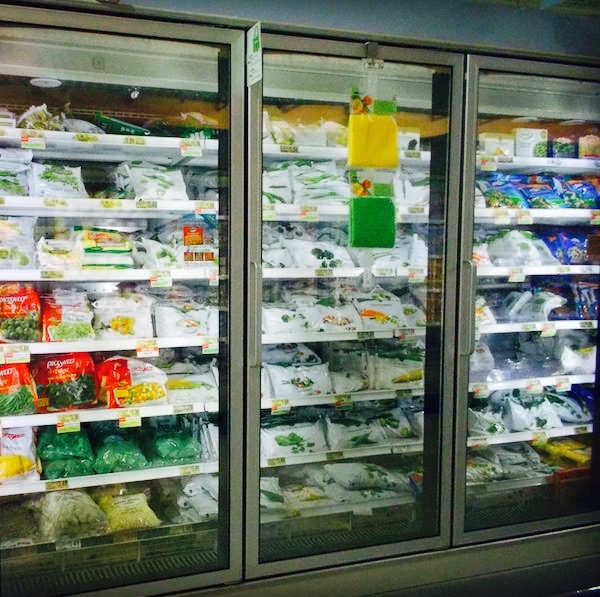
REASONS I LOVE FROZEN PRODUCE
They're an easy alternative on busy nights – time is saved with pre-chopped and already-prepped veggies. Some of the hard-to-peel veggies have that work already done for you. Think of it as having your own sous-chef. (Good work.)
I also love them as they tend to be budget friendly. Next time you're at the grocery store, compare the cost of a full head of fresh broccoli with the cost of a bag of frozen broccoli. As we are on a budget here at our house, I have found I am able to afford a bag of the frozen organic veggie for the same cost as the conventional broccoli found in the fresh veggie aisle. (I refer to this list when trying to make my choices as to whether I should be purchasing organic or not. Check it out if you're curious as to why you may want to choose organic. (Psst... it has to do with reducing inflammation via liver support.))
Using frozen vegetables in my meal prep also means I only need to pull out what I need for the meal in question, leaving the rest of the package for another day. I don't leave half a head of broccoli to wilt in my crisper drawer for the next two weeks.
Eating foods in this way allows me to retain more nutrients as well: the wilting broccoli in the crisper drawer is losing important nutrients the longer is sits in the drawer. A vegetable's nutrient density degrades over time fairly quickly when stored in the fridge; the rate of nutrient loss in the freezer is infinitely slower, allowing you to retain the rest of the frozen broccoli until your next recipe, when the content of antioxidants will be just about the same as when you first used it. Double bonus: you tend to waste less. I have thrown out my fair share of wilted forgotten half-vegetables that hung out for too long in my veggie drawer.
I recommend you choose packaged frozen veg, fruit and berries that list one ingredient on the label (or just the veggies or berries or fruit in the mix). Freezing a vegetable or fruit is the preservation method: you don't need any added salt or sugar or other chemical in order to preserve it! Single-ingredient lists are a must here. Skip those packages that come with prepared sauces alongside. No sauces, no syrup, no cheese, no added sugars nor salt are needed here. Just the naked veg. Or berry. Or fruit.
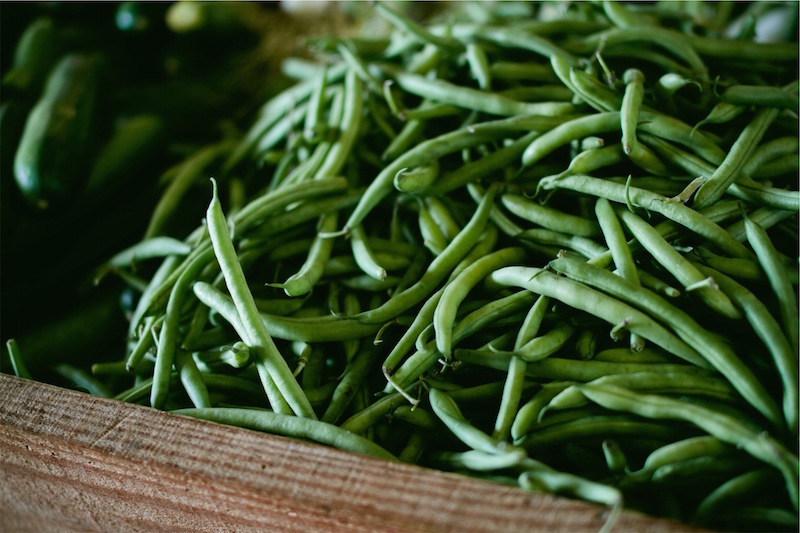
My favourite point about all of this is that when it comes to frozen produce, in general it is packaged close to where it is grown. This then means that the produce is allowed to ripen fully on the vine before it is harvested for freezing. When a fruit or veg is allowed to come to peak freshness on the vine, not only does it taste better, but it also retains a fuller complement of vitamins and minerals. Did you know that Vitamin C is one of the last vitamins to develop in a fruit on the vine?
Those veggies coming my way from another hemisphere have been picked long before they were ripe, with the intention to have them artificially ripen in the transport vehicle on their way to my local grocery store. Vitamin C does not magically show up on its own. The fruit or veg needs to still be alive and connected to the plant and the soil in order to develop this nutrient. Ergo, my frozen supermarket finds are higher in nutrient content than the fresh-from-afar foods in the produce aisle when it comes to the winter months.
The processing for these frozen foods involving a quick blanching on site in order to kill any potentially harmful bacteria that may cause the foods to spoil when in their frozen state; this minimal method of processing (a quick dip in boiling water) locks in nutrition and freshness. There is an amount of water soluble vitamins like the Bs and Cs that can be lost in this processing, but the amount left in the end in frozen produce is higher than that found in the produce that was sent from the other side of the world, never mind the extra time those veggies will wallow in your fridge drawer.
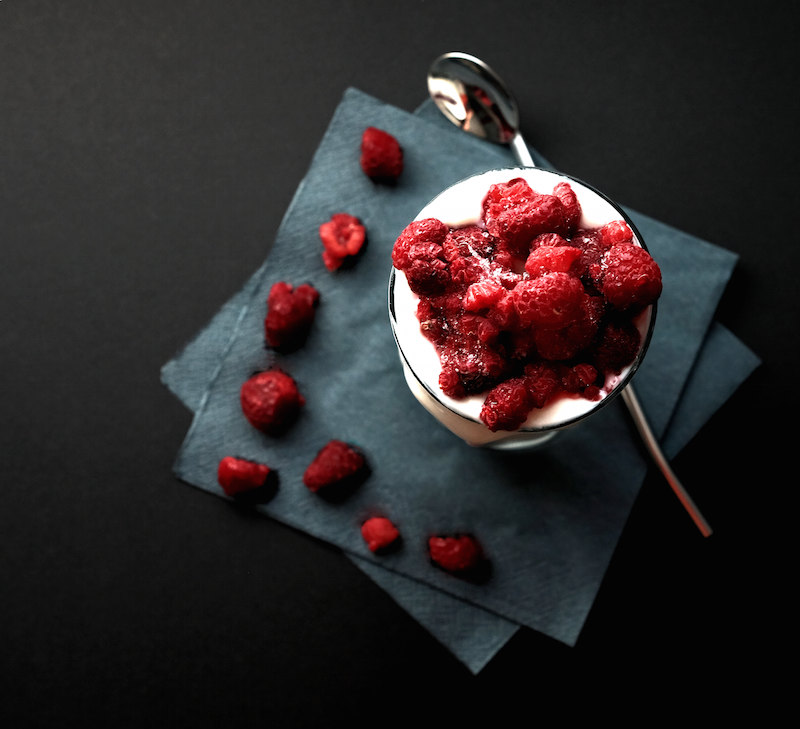
IDEAS ON USING FROZEN PRODUCE – MADE EASY
allow to meld berries with a bit of honey and butter in a pan, and add creme fraiche
berries in to yogurt for a quick snack in lunch boxes (bonus - keeps the lunch cool!)
toss frozen veggie mix with pesto, roast in a 375F oven for 25-30 minutes
make palak paneer out of greens
start with bacon in the pan, add some greens or other veggies til cooked through
make miso creamed greens by wilting frozen greens in butter, adding cream or creme fraiche and a tbsp or two of miso paste
simple steamed or boiled veg (peas, green beans, etc) and butter
peas and pancetta (cook pancetta first, toss in peas towards end of cooking)
asparagus roasted with lemon + butter at 375F for 25-30 minutes
lima beans + bacon (geez, really, any vegetable and bacon!)
package of pre-cut veggie mix as base for a quick side saute with dinner (with garlic, sesame oil, sesame seeds)
got leftover grains from last night? Stir-fry in with some garlic and new frozen veggies, perfect side dish
add frozen spinach to soups and stews for more Bs and important antioxidants
toss cubed frozen butternut squash with butter and cinnamon and a touch of maple syrup at 375F for 30-40 minutes
roast broccoli from frozen with chili peppers, solid (melted) cooking fat and a squeeze of lemon at 375F for 25-30 minutes
roast broccoli with parmesan cheese and lemon juice at 375F for 25-30 minutes
roast cauliflower from frozen, tossed in melted coconut oil and nigella seeds (aka kalonji seeds) at 375F for 20-30 minutes
roast brussels sprouts with diced bacon, add cranberries to the mix for sweetness (375F for 45 minutes)
toss frozen carrots with melted butter, honey and fresh or dry dill, roast at 375F for 25-30 minutes
Easy supper: defrost some meat stock, toss in a few tablespoons of pesto, enough frozen mixed veg for those who are eating, heat to simmer. Put a bamboo steamer on top, line with parchment paper, steam some fillets of sole (topped with squeeze of lemon juice and pepper) until cooked through. Throw all together.
Now go play with your (frozen) food!

THURSDAY BASICS: Swap your table salt for sea salt
This Thursday Basics series is a revisit of the 2016 series I wrote, the Monday Health Basics. It was always meant to be a quick read on one manageable task you can implement in order to best support optimal health. Updated and improved, this week's topic is one that is a pretty basic change that is fairly easy to implement, but is one topic that also raises many questions and controversy. We're talking SALT.
New week, new topic to tackle. These Thursday revisits are meant to inspire you to work at implementing ONE GOOD IDEA at a time, in order to support your optimal health. This week's topic is one that is a pretty basic change that is fairly easy to implement, but is one topic that also raises many questions and controversy.
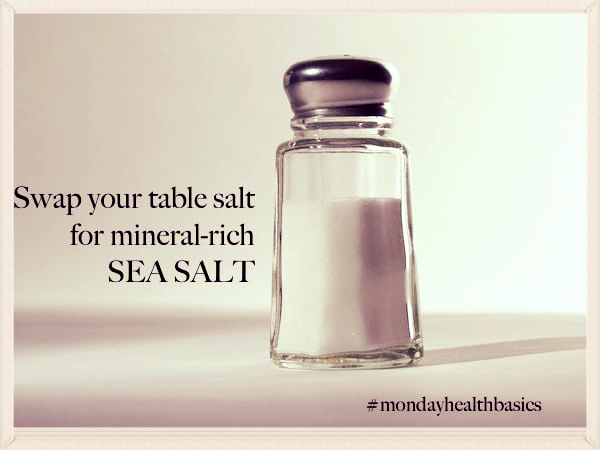
This week’s topic: SWAPPING YOUR TABLE SALT FOR MINERAL RICH SEA SALT
THE COLES NOTES:
1. Salt: we NEED it. For biochemical function in the body.
2. It’s about the minerals. We’ll talk Iodine specifically, but the others too.
3. Colour in your salt is a good indicator of mineral density.
Now go forth and support vitality, will you? #quest4vitality
This Monday Basics series is a new thing up here on my blog, meant to be a quick read on one manageable task you can implement in order to best support optimal health. This week's topic is one that is a pretty basic change that is fairly easy to implement, but is one topic that also raises many questions and controversy. We're talking SALT.
Without getting too analytical about it, (although if you're interested, there are some fascinating articles here, here and here if you'd like to read up on interesting studies and conclusions that have been drawn) salt is really an essential nutrient to life. We need it. We wouldn't be alive without it. We came from the ocean, evolutionarily speaking; our insides are virtually a delicate balance between water and salt.
For those in a rush, here's my take home message: toss your table salt, and swap it out for a good high quality unrefined sea salt. Read on if you want to know more.
LET’S TALK MINERALS
There are many reasons to go the sea salt route; chief among them, sea salts have a mineral profile much richer than that found in table salt, from some 60 to 80+ minerals, depending on the variety you are purchasing. These minerals are essential to our wellbeing; you will find calcium, magnesium, sulfur, zinc, iron, iodine, silicon, phosphorus and vanadium to name a few, and small amounts of iodine in addition to the potassium and chloride, which make up roughly 84% of the salt.
But in table salt? You will find present solely potassium and chloride as minerals, making up a bit more than 97% of the salt's content. Every other mineral has been stripped from this salt in the manufacturing process. Table salt is made from crude sea salt that has been heated to 1200ºF; in this process, most minerals are stripped away and other additives are thrown in the mix and the original structure of the salt is altered, making it harder for our body to identify it and use it. You'll find some aluminum derivatives, anti caking agents to keep the salt from clumping; you may also find either MSG or small amounts of white sugar in the mix to make up that +2% remainder.
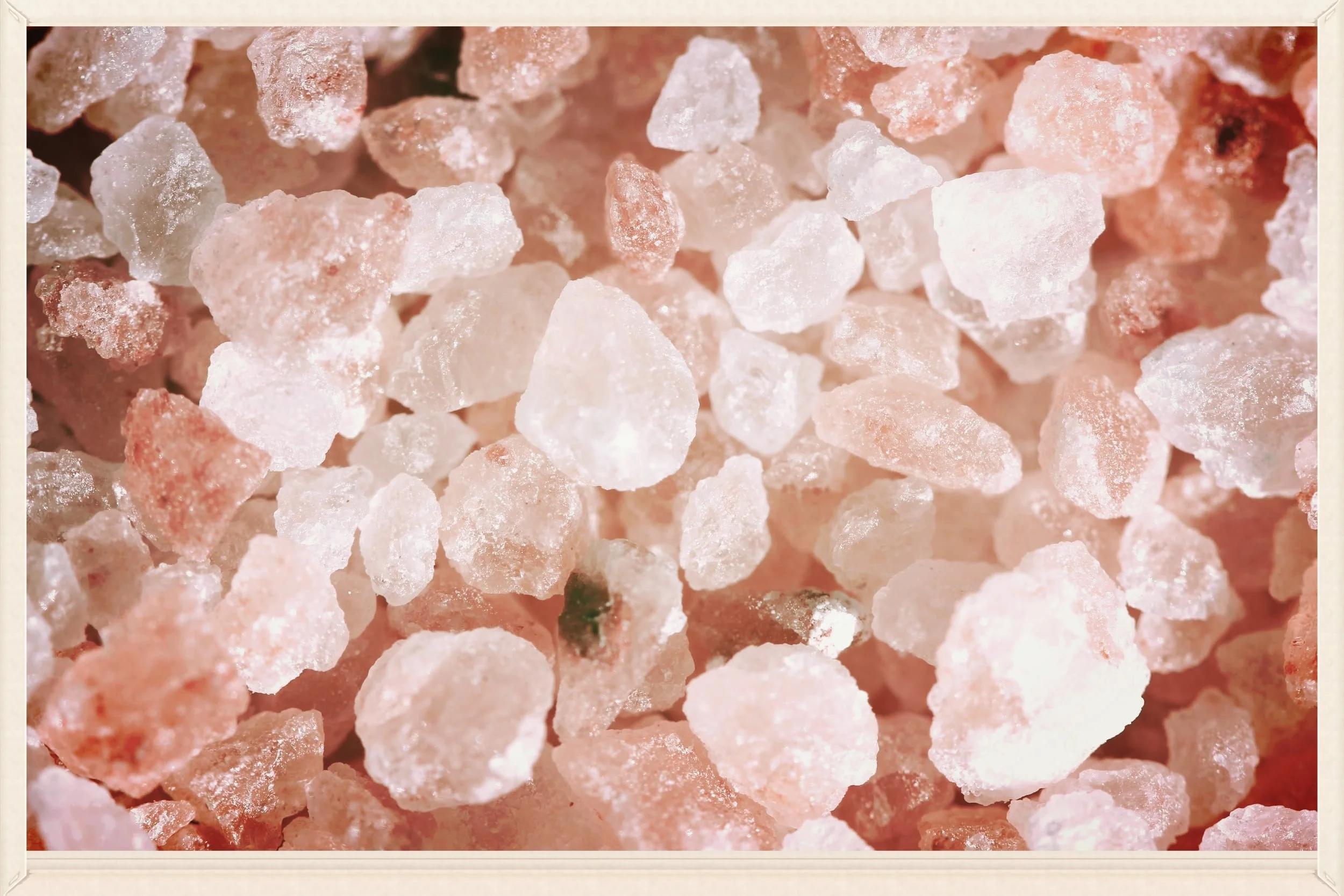
Himalayan sea salt crystals up close
SALT AS AN ESSENTIAL NUTRIENT FOR BIOCHEMICAL FUNCTION
Why do we need salt? In the sea salts, you will find some vital minerals that are necessary to proper adrenal and thyroid function as well as immune and brain function. If you're craving salty snacks, it may be your body's way of requesting more of the minerals found in sea salts, indicating you may need some adrenal or thyroid support.
We need salt for our digestion as some of those minerals found in sea salt are needed for enzymatic reactions in the body in order for us to break down foods we are ingesting.
These trace minerals also help us stay hydrated, they also ensure our itty bitty sodium-potassium pumps found in each cell are in good working order, needed for our energy cycle called ATP.
These trace minerals also help maintain our blood's pH in a normal range; they are needed to help balance blood sugars, necessary to good brain function and supporting our immune systems.
And let's not forget the heart! These trace minerals help regulate our heartbeat and blood pressure and are a major component of blood plasma! Magnesium is a big one found in unrefined sea salt, and this mineral is needed to maintain good bone health, regulate nerve and muscle impulses helping to prevent muscle cramps.
LET’S TALK IODINE
One comment I hear often when the subject of table salt vs. sea salt comes up is iodine, and this is an important thing to talk about. Iodine is integral to our body's healthy thyroid function; manufacturers started adding iodine to their table salt to help prevent the occurrence of goiters. As our soil levels of iodine have been depleted over the last century, so have the iodine in our food sources gone down (you just can't make iodine out of thin air!).
Problem is, table salt has such a high amount of iodine that it ends up having a negative impact on the thyroid. If you are concerned about losing your iodine intake by going the sea salt route (know that there is some iodine found in sea salts), the idea then would be to reach for food sources that are still rich in iodine: think seaweeds, any fish or shellfish hailing out of the ocean.
SALT IS AN ESSENTIAL NUTRIENT TO LIFE.
LET’S GET PRACTICAL
Here is how to add this nutrient to your daily life:
Choose a good high quality product, looking for the words 'unrefined' or 'not treated' on the package. (good varieties include 'celtic', 'himalayan', or Utah's 'RealSalt').
Salt your food to taste (everyone's tastebuds will require different amounts!).
If the sea salt is white in colour, really read the package as most of the time, the salt will have been stripped of some of the minerals in order to make it look appealingly white.
Your salt should have colour; it is this colour that indicates what minerals are found within.
Check with your medical practitioner if you have heart disease, high blood pressure or kidney troubles before making any changes to your diet especially in regards to salt.
Because I have a hard time deciding, I actually purchase three kinds of sea salts in bulk, and mix them all together in order to get a balance of minerals.
Because I'm saying unrefined sea salt is good for you, don't think it's reason you can go hog wild; eat it in moderation (use your noggin).
If you're concerned about not getting enough iodine, reach for seaweed, choose fish or shellfish that are wild caught (not farmed).
Who knew salt was such a necessary tool in your toolkit?

THURSDAY BASICS. Today: w a t e r
This week’s idea is all about WATER: why we need it, how much we should aim for, and when to have it but also when not to have it. Read up, should you be wishing for good digestion.
This first month of revisiting the Monday Health Basics series is up, and we have one more idea to implement this month.
See, in case you’re new to these blog posts, every Thursday this year, we will be diving in to one idea a week to work at implementing in your life. The idea here is to build on the good practices to help put optimal health in place — which is code for reducing inflammation. When you work at reducing inflammation, you support quality and quantity of life, and keep those chronic diseases at bay. Yeah Prevention!
One idea a week is posted, and this time, we’re going through them in a bit of a better order.
This week’s topic: ON WATER. (Originally, the very first post in the series!)
THE COLES NOTES:
1. You are 60% water, kittens. It is key in so many roles in the body. Good tips on ways to go about keeping the water flowing over the course of the day here.
2. Mind good digestion and stop drinking water 30 mins before a meal
3. Wait for 1 hour until after the meal to start drinking again
Now go forth and drink up (but only at appropriate times), will you? #quest4vitality
I'm starting a new blog series for this new year, and it's a simple thing, really. It's called Monday Basics and it's meant to be a quick read for your Monday mornings on one manageable thing you can add to your day / your life / your regimen, one simple and effective change in order to help you achieve optimal health. It won't be complicated; there may be some recipes involved at times. Oh sure, some posts may involve a bit more work, but I guarantee you balance with some easier to achieve tasks, some simpler things to make it all work. Most of these posts will delve into food and nutritional things, but I promise to veer off the path to include some simple lifestyle changes that may be of support to you. How much you take in is up to you. So check back here every Monday morning for the weekly post on how to up that nutritional ante.
This week's post is one of the most basic things, one of the easiest things you can add to your regimen and perhaps one of the most over-looked things we can do in order to best support our bodies. Today we're talking WATER.

This is one of the foundations of my practice, recommending water to each and every one of my clients. Adults are 60% water, and newborns up to 80%! Our body needs water for blood, sweat, tears, urine, saliva; it is necessary for digestion, injury repair and getting nutrients to where they need to be, but my favourite part is that we need it for elimination. It helps get the colon rollin (yes I just said that) but also helps to flush out toxins from every nook and cranny of our body: it is a main component in our lymph system, that mysterious part of our body that looks after taking our body's garbage to the curb.
Drinking water is a fairly easy and inexpensive thing you can do; there is evidence that we as adults should aim for 2 litres a day. This two litres includes herbal teas and things like meat stock or other beverages you consume, other than caffeinated teas and coffees and alcoholic beverages.
To help you get enough in in good time, you may want to download an app that reminds you to have a cup of water every hour on the hour, or use your timer on your phone to give you a nudge to down a glass every ninety minutes.
You can fill a glass 1L jar twice a day, aiming to consume the contents by supper hour.
You can buy yourself a fancy new water bottle to entice you to carry it with you wherever you go, or if your work keeps you in the air or unable to have a glass handy, a hiking camel-type container you can keep on your back might be of use to you.
The most important part of today's write up
is the timing around your water consumption.
In order to best support your digestive system, it is recommended you stop drinking water 30 minutes before a meal and that you wait a whole hour until after the meal to resume your water consumption.
Minimize or eliminate beverages with your meal, unless they are filled with protein like milk, or bone broth / meat stock.
If you do choose to drink water with your meal, make sure it is room-temperature and don't have more than one cup. Any cold beverage can slow down your stomach's digestive function thus impeding the digestion of protein in your meal.
Consuming too much water before or during a meal can dilute the hydrochloric acid in your stomach, which can hinder your ability to digest protein and this can have a long-term impact on your body's overall function.
This is where we start, my food-loving friend. I hope you enjoy this wee series I have dreamed up, and that you will come back for more. Every Monday morning from here until the end of 2016 (and now Thursdays in 2019!), I promise you one easy add-on or swap in order to best support your sweet self towards optimal health. Let's do this.
(Oh yes we will talk what kind of water later, and may delve in to other things about water as the year progresses. For now, just work on getting your consumption up, and working on the timing. Bonne chance.)
#mondayhealthbasics
THURSDAY BASICS: on eating.
This week is perhaps one of the most basic tenets of my practice as a food lovin human being. Sure, it factors in a bit on the Holistic Nutritionist side of things, but I consider this a more human endeavour than a scientific-based endeavour. Ok yes, there is science to back all of this up, but even if there weren't, it's one of those 'just makes sense' kind of things.
On eating.
We continue to dive in to the rich trove of back posts here every Thursday. Part #tbt, part re-invigorating, always on about reducing inflammation.
Missed a few? No worries. It isn’t too late! Just scroll back through the last few blog posts to get the idea, and start putting some of these ideas into practice.
This week’s topic: ON EATING.
Let’s set up the rules. An easy way to think about how to approach meal times. It’s not complicated, I promise.
THE COLES NOTES:
1. Eat to nourish the cells of your body.
2. Eat to nourish the bugs of your gut.
3. Eat to nourish your soul. (pssst - this is THE EAT FOR JOY part.)
Want to know how to put these practical ideas into place? SIGN UP FOR MY NEWSLETTER. You’ll get an e-book that speaks to these three ideas directly.
Sign me up, Luka!
This week is perhaps one of the most basic tenets of my practice as a food lovin’ human being. Sure, it factors in a bit on the Holistic Nutrition side of things, but I consider this a more human endeavour than a scientific-based endeavour. Ok yes, there is science to back all of this up, but even if there weren't, it's one of those 'just makes sense' kind of things.
On eating.
When I fill my plate, I like to think of the food on this plate in one of three categories. I look to include food that will nourish the cells of my body, so the traditional way you'd think of food as a vehicle for nourishment. I look to also include food that will feed the good bugs in my bug (we're talking prebiotics for the probiotics). I also look to include those foods that will nourish my soul, or feed me.
Are you scratching your head? Wondering what this means? Fearing this is a new fangled way to also think about preparing meals? It isn't meant to complicate, but merely a simple way to be at peace and practice gratitude for what's on the plate in front of me.

NOURISH YOUR BODY
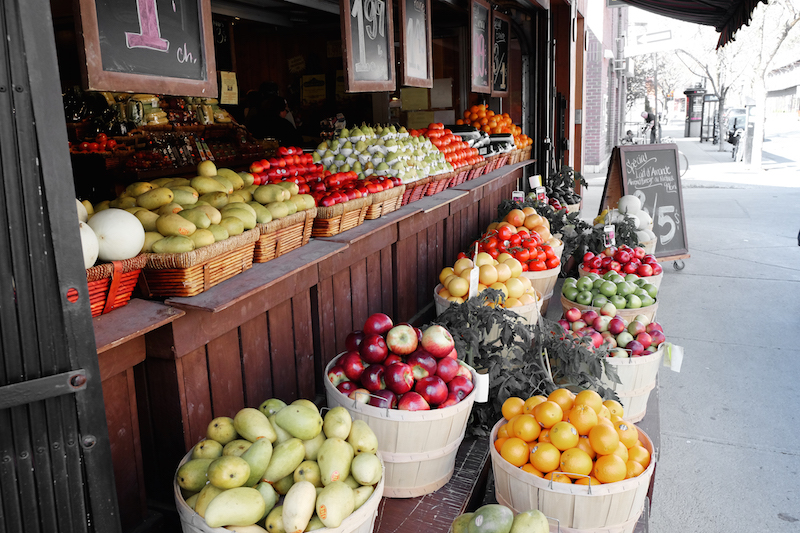
I am looking to include those foods that will fuel the cells of my body, those foods that will help me get through my day. This is quite an individual undertaking, and depends on your current health status, whether or not you're in a building phase or a maintenance phase. You would be in a building phase if you were growing, or if you were building a tiny human in your uterus. You could also be in a building phase if you had a cancer diagnosis. You would be in a maintenance phase if you were a regular adult going about your day. What this means for me? Most of my plate is filled with foods that will best support my organs; this means mostly loads of veggies and fruit for their antioxidants and minerals and carbs so I can have the energy to get through the day, and my brain can get the fuel it needs to keep going. Those antioxidants also help protect my body against damaging free radicals, and help my liver do the detox work it wants to do. I would look to include good sources of protein in order to support my immune system and the regular maintenance and repair of my body, for the enzymes, DNA repair. I would also add some excellent fats in my daily foods in order to best fuel my brain, support my immune system, help protect my heart and liver and give those building blocks necessary for every cell I'm building. (Oh yes, did you know you are always making new cells?) Here is a good article on how best to fuel the cells of your body, and why you would want to think about this. Highly recommended.
NOURISH THE BUGS IN YOUR GUT
Now that I've figured out I've got those good foods that will feed me, I need to look after those little guys I carry 'round with me in my gut. Oh yes my friend, you have some (not-so)freeloaders living in your innards. Some estimates rate this between 2 and 6 pounds of bacteria living on your skin and inside your body. That's amazing! (And it's all good, I assure you. For a more in-depth understanding of just what is this human microbiome that seems to be such a hot word of late, I invite you to watch this short film aptly titled The Invisible Universe. Fascinating stuff.)
So because I want to keep those little guys happy and working for me, I aim to make sure there are foods on my plate that will best serve them and fuel their work in this symbiotic relationship of ours. That means things like fibre and resistant starch. Think prebiotics. If you're eating loads of veggies and fruit, you're covered. Here are foods that will best play the part of prebiotics, for those who want to ensure: potatoes, rice, (especially leftover potatoes and rice!), bananas, plantain, beans and lentils, nuts and seeds, cabbage, dandelion greens, garlic, leeks & onions, asparagus, rhubarb, pears, apples, berries, oats and barley. But really. If you're eating loads of veg, you're covered. Don't overthink this one.

NOURISH THE SOUL
It's absolutely imperative that food continues to be a fuel source and a vehicle of enjoyment. Nowhere do I want you to get bogged down in calorie counting, or demonizing certain foods or elevating others. Food is nourishment. Food is fuel. Food is a vehicle for joy. And this last piece is the one I work hard at incorporating, especially with my family. FOOD NOURISHES THE SOUL. This means I look to include those foods that primarily bring the good feeling in, even if they aren't highly nutritious in terms of nutrients and antioxidants and all that scientific stuff. YES THIS MEANS ICE CREAM. Because this joy is a big big part of how we experience food. Not to mention it ensures we are digesting better... The joy component for me also involves sharing a meal with loved ones. It is a big part of practicing mindfulness, which most certainly also improves our ability to digest. See this blog post for a recap on mindfulness.
Food serves as a cultural touchstone in all families; it carries memories, smells, tastes and flavours with it. Every early September, as I start to prepare my Mom's famous Zucchini Relish, I get transported to those early years when my Mom and Grand-Maman (who lived next door) would prepare the bounty from the garden and pickle it all in glass jars for us to consume over the winter months. That scent, that tradition, that sensory experience feeds more than just my cells, it feeds my entire being. And that soul part seeks nourishment just as much as your cells do. So eat the food that makes you feel good inside. Go back to that pasta dish your Nonna used to prepare for you, and eat it with gusto. Relish in those delicious slurpy soups your Oba-chan would make when you would come over for a visit. Yes, your Savta really does make the best felafels, you should recreate those in your kitchen! And your Bubbie really was the best at making latkes. In her honour, you should whip some up. Your Bibi loved you through her ugali, so feel that love. And your Awa's idli was like no other; you should have some tomorrow to remember her by.
Further to this, in ensuring there are foods that bring you joy on the plate, as we sit down to a meal as a family, it is through these foods we are creating those sensory memories. It is as an inclusive kind of practice, and a loving one. Nourish your soul, my friend. And that of those around you.

NOW GO PLAY WITH YOUR FOOD.