
THURSDAY BASICS: write this down.
This series of ideas I have been posting to the blog initially every Monday in '16, and revisiting + updating in ‘19, is meant to serve as a jumping off point for anyone looking to improve their own health, one building block at a time. And today's spot is the perfect place to begin. Write this down.
As we kick start this new calendar year, we continue to revisit the Monday Basics series I drew up a few years back. Updated and re-posted every Thursday morning!
The idea is, every Thursday this year, we will dive in to one idea a week. I invite you to join in implementing the concepts presented in this series. (Part #throwbackThursday, part setting good intentions.) Missed a few? No worries. It isn’t too late! Just scroll back through the last few blog posts to get the idea, and start putting some of these ideas into practice.
Want to play along? One idea a week. All about the good intentions. #thursdaybasics
This week’s topic: BUILD YOUR MAP. Take note of Your Mile Zero.
A soft landing is what we’re after.
THE COLES NOTES:
1. Start with where you’re at.
2. Make notes of Your Mile Zero.
3. Someday, this will be your lightbulb, to help continue lighting the way.
Now go forth and support vitality, will you?
If today is the first time you've taken a gander at one of these Monday Health Basics posts, then you're in luck. It's the perfect place to start. It is, perhaps, where I should have started back in January earlier this year. See, this series of ideas I have been posting to the blog every Monday in '16 is meant to serve as a jumping off point for anyone looking to improve their own health, one building block at a time. And today's spot is the perfect place to begin. Write this down.
Whenever I meet with a new client, I always start with the same questions: What brought you here. What are your current health complaints, regardless if you think it's associated to nutrition and digestion or not. What are your questions. What are your observations. What are you feeling. And I play the part of stenographer, tapping away and entering this information to help build a map of where we started, and where we hope to go. I ask some more questions as the meeting progresses, making note of important information that may serve as a signpost along the way, or points of interest we'd like to revisit.
We are building a map, you see? Truly, they have been building a map for a long time, and I see myself as merely the cartographer. But the more I do my work as a Holistic Nutrition Practitioner and as a human, the more I see the value in empowering the person in the chair across from me to make their own informed choices on the daily, and to take charge and actively chart their own course from this point on.

Before you begin any kind of program, class or course of treatment, it is good to know where you are when you start. It is good to note what you have noticed, what you are thinking about and your outlook on the whole process before you take your first step, in order to be able to look back when times get tough. This will serve a purpose when you come to those days where you think nothing has changed! Or why am I even doing this? And those days will come, we all experience them. Writing things down at the get-go gives you that mile 0 marker, a chance to take stock and articulate things you perhaps haven't yet been able to put words to.
My favourite part about writing it down means that it can change your perspective when you really need it the most. Looking back and noticing how things have changed, seeing that certain aches may have disappeared, or maybe your migraines are a lot less frequent than they used to be; referring back to your journal invites you to see how far you've come, instead of getting stuck in the rut of how much farther do I have to go. Which, let's be honest, can sometimes feel incredibly overwhelming. Goodness knows, I'm all about the tools.

I am a big proponent in small changes over a long time. I truly believe that if you have certain chronic ailments or health complaints that have taken years to creep up on you, they aren't going to be dealt with in the span of two weeks, nor is it reasonable to think that we can do away with health issues that quickly without swinging the pendulum in the complete opposite direction. I see the human body as always aiming to steer towards centre, towards balance. As our body works to handle what is sent our way via toxins in our environment, or our diet, or emotional situations we have to process, we slowly start to veer off course and the body works hard to try steering us back towards the centre. It can't help but start to fall to one side.
When a client comes in to meet with me, I explain that through the next few months of work, we will be aiming to, at the very least, stop the progression from veering further off course, and hopefully start to reverse the body's direction in order to send it gently back towards centre. If it took years to get to where you are now, it will take a long time to get your body back towards centre. It is worth it though! It is only through slow and methodical ways that we can steer that body safely back towards the middle, so that we don't create a new wave of momentum that would keep swinging you past centre and in the opposite direction!
A soft landing is what we are after.
And in so doing, I have found that a good marker to demonstrate we are on the right path is if my client's memory starts to be selective. I have now witnessed quite a few times how people have forgotten earlier aches and pains that were a part of the initial intake forms, small booboos they may not have remembered were a part of their every day when they first stepped in to my office. It amazes me! I can only see this as a positive sign that if we have erased even their memory of these health complaints, then we have successfully changed the impact they originally had, and have charted a new course. And the lightbulb moment when they realize how far they've come is one of my favourite things about being a Holistic Nutrition Practitioner.

This being human is work. This being alive is work. But it is good work.
And writing down and taking stock of where you are when this first new day begins can be one of the most empowering tools in your toolkit. As you start this next step in your health and wellness journey, may I recommend purchasing a blank journal of sorts, a book in which you can freely write with no judgment, no expectations, a blank slate on which to start mapping your road. It can be fancy or it can be a coil-bound thing, you get to choose.
Write today's date. Write down some simple things about where you're at, today. Write down your thoughts and observations on what brought you here. What are your current health woes, complaints or aches and pains, doesn't have to necessarily be categorized. What are your questions. What are your observations. What are you feeling. What do you need help with, and where do you want to go. Write down symptoms you've got going on currently, whether or not you think they are associated to your main health concern. You might want to jot down some examples of foods you love, foods you crave, cuisines you are wild about. Jot down your current interests and passions, and anything you're grateful for at this point in time. You can take the time to also write down what you'd like to track, things like sleep habits, mood, or how often you are visiting the loo. Energy levels are always a good indicator of things. How foggy your brain is, or how keenly you feel stress might be good things to note. Women might like to jot down a few things they have noted about their menses cycle, or observations around menopause. If you are currently working through a medical diagnosis, take note of your symptoms and the severity, or how they change from day to day. Take the time to write down any aches and pains even if you don't think they're associated at all. Rate things on a scale of 0-10, if you want a good measure of things along the way. This is meant to serve as a picture in time of you, at the beginning of this next leg of your journey.
This book you are penning will grow with time, and will change as you make your way through the work. There is no set way to do this; the way you decide to go at it is the way that will work best for you. You are, after all, the expert on you. You can write in it every day if you like, once a week if you're more laid back, or once a month if you're like me. Put an alarm in your phone's calendar to remind you to jot something down, anything.
And when, down the road, you feel like you've hit a dead end or the uphill climb seems impossibly daunting, you can flip back to those early days you started this journey, and realize that you really have come a long way. This perspective change will confirm to you that you are in fact on the right track, and may it spur you to keep going when things seem insurmountable. It's all about momentum dear one. May this tool serve to keep you moving on the road ahead.

THURSDAY BASICS: add one good thing at a time.
Today's post is a short and sweet one, on account of to do lists and things to tend to, places to be and people to visit. It will be a good one though, I promise.
As we kick start this new calendar year, we continue to revisit the Monday Basics series I drew up a few years back. As the weeks chug along, I'll be updating these posts just in time for re-publication. I hope you are game to join in the fun!
The idea is, every Thursday this year, we will dive in to one idea a week. I invite you to join in implementing the concepts presented in this series. (Part #throwbackThursday, part setting good intentions.)
Want to play along? All you have to do is read up these posts on Thursdays (published on the site, and via my social media feeds below), and start working at implementing the goods in to your daily regimen. Be mindful about it! Set your intention. And get to work! #thursdaybasics
This week’s topic: HOW TO GO ABOUT THIS.
Adding in one good thing at a time. No more, no less. Spoiler alert: it feels better.
THE COLES NOTES:
1. Start with where you’re at.
2. Add only one good thing at a time.
3. Work on building the positive.
Worksheet included (click here). Now go forth and support vitality, will you?
Today's post is a short and sweet one, on account of to do lists and things to tend to, places to be and people to visit. (You and me both.) It will be a good one though, I promise.
In the final stretch of this challenge I set out for myself back in that first week of 2016, I am coming to the realization that these posts encompass A LOT. A lot of ideas, a lot of material, a lot of science, a lot of work, a lot of reading and a lot of rethinking one's approach or relationship to food.
If you were to look at the entirety of the content (from practicing mindfulness to the idea of batch cooking), you would undoubtedly feel completely overwhelmed.
This is warranted.
But I give you my trick on how to go about this and stop the overwhelm:
Start with where you are.
And add only one good thing.
Only one good thing at a time.
The idea is that over time, you will be building those good things at a manageable pace, and eventually the lesser things will fall to the wayside. If you add one good thing in, it will eventually crowd out the bad. So instead of concentrating on knocking out those less desirable habits or choices (and beating yourself up for it!), you focus instead on adding one good thing at a time. Building the positive.
And here's the secret: it feels better.

I have developed this idea with my one-on-one clients in supporting them on their health journey. I often remark on how they'll feel like I have given them a pile of recommendations a mile high, and they have no idea how they will get to the work.
I tell them to put the pile of papers (err, recommendations) on their desk, I tell them to close the door to their office and then instruct them to go make a cup of tea. With their worksheet in hand, (download one of these handy dandy sheets here if you feel so inclined) they are to open the door to their office, take one recommendation off the top of said pile, and close the door to the office again. I invite them to figure out where this new idea will fit on their worksheet, either something they want to do in the morning, something they want to ensure they tend to once a day, or if it's something they're aiming for at least once a week. They are then instructed to write this idea or recommendation in the right spot. And then they walk away.
I invite my clients now to work on implementing this new idea in to their life, and to take their time doing so. Get comfy with it. Once they feel they have this recommendation down pat and feel it has now become a part of their life, I invite them to go back to their office desk and pull yet another thing off the pile. But only one more thing. And again, off they go to work it in to their worksheet, and into their life.
This way, you only move on to the next good thing once you have a handle on this first good thing you picked off the pile. Doing so cuts down on the overwhelm, and invites a person to really get to know the concept behind their new recommendation, and to really work it into their day to day life. Giving yourself two to three weeks to grasp the concept of, say, cooking with good fats will help set you up for success. You get to play with a few different fats, get to know flavours, ditch the rancid fats that have been taking up too much space in your pantry, and you get to start putting in those small changes that will lead to a manageable turning around of the ship as it were.
The concept of doing one good thing at a time is a way to approach this in order to change the course of direction in a manageable way, so as to not induce a massive detox or swing your ship in a completely different direction, equally off course. Adding one good thing at a time is a sustainable way to support your body and your mind (and your adrenals!) to go at a manageable pace so as to not upset the equilibrium. (Oh and how much love this showers on to your adrenals, it really is at the root of it all my friend. Insta-de-inflaming, it's my middle name.)
Another reason I love this idea: it really gets you to pay attention to the changes going on in your body, and gives you the knowledge of what changes have really resonated, or what kinds of things have altered with this one good thing. In your first two weeks, have you been drinking more water perhaps? Have you noticed your headaches have reduced? Yes? Well hooray, detox is revved up and dehydration is abated. No changes in your headaches? Well now we may be looking at a histamine issue, or something structural. Could possibly be a vitamin or mineral deficiency, or a hampered ability to digest. But this is all good information to have! And we only get to know this piece of information if the only change you implement is that increase in water consumption.
And it is information for you. My favourite thing about this whole one good thing at a time idea means you are now armed with the knowledge of how your body works; it really empowers you to know the impact of your choices, and invites you to really own the work.
So friend, add one good thing at a time. Go easy on yourself. Self-care at its best.

THURSDAY BASICS: pantry staples.
A re-run and revamped review of the 2016 series Monday Health Basics, but this time, in an order that makes sense. Play along! This is #1: HOW TO STOCK A GOOD PANTRY.
Today's post is meant to start at the very beginning. Today, we're talking stocking your pantry with the essentials.
HAPPY NEW YEAR!
As we kick start this new calendar year, I thought it would be a hoot to revisit the Monday Basics series I drew up a few years back. As the weeks chug along, I'll be updating these posts just in time for re-publication. I hope you are game to join in the fun!
The idea is, every Thursday this year, we will dive in to one idea a week. I invite you to join in implementing the concepts presented in this series. (Part #throwbackThursday, part setting good intentions.)
Want to play along? All you have to do is read up these posts on Thursdays (published on the site, and via my social media feeds below), and start working at implementing the goods in to your daily regimen. Be mindful about it! Set your intention. And get to work! #thursdaybasics
This week’s topic: LET'S START AT THE VERY BEGINNING.
Let's get you set up on stocking the good foods in the pantry.
THE COLES NOTES:
1. An essential primer on how to stock the good foods in the pantry.
2. A list of what to reach for to fill the fridge.
3. Items to keep in the freezer.
Now go forth and support vitality, will you?

Get yourself a notebook. Set your intention. Join in!
I have come to realize one big thing: my work focuses on the power of good food and talking #foodismedicine. My area of interest lies in reducing overall inflammation, and keeping chronic diseases at bay in order to help you fuel your good life. It's about quantity of life, with an emphasis on quality.
Today's post is meant to start at the very beginning. Today, we're talking stocking your pantry with the essentials.
I often get a quizzical look when I share my business name with folks. I realize Good Food sounds very generic, and it's meant to: as a food loving human, I tend to pull ideas and ways of thinking about food from many different camps, never adhering to one strict camp or another. This has always been about the good food + you, and how good food is good enough, and that good enough is really enough. There's nothing flashy, nothing onerous or unattainable in this content: it's really simplifying things and making good food an easy, practical and attainable skill.

As a student of the Canadian School of Natural Nutrition, my work is steeped in science. As a food loving human and mom, my approach to nourishment is through the lens of Traditional Foods, deeply influenced by the Weston A. Price Foundation. I'm a big believer in Just. Eating. Real. Food. and will say many times over, let's keep it simple. And play with our food.
We all have similar scenarios in kitchens across this country, when on weeknights we have errands to run, children who need to tend to homework, activities to drive to and from, bills to pay, teams to coach, laundry to put away and work to catch up on. How is it that we're supposed to also have dinner on the table? And a good one at that? (Remember this one, Why do they want dinner every single night?)
Having a well stocked pantry is the key to simplifying, the key to having good ingredients at the ready in order to pull something together in a scant 20-25 minute window on those nights. (OK in our house, I'm happy if I can dedicate 30-40 minutes. 20 minutes seems a bit too unrealistic for me and frankly, adds to my stress levels.)
Having a well stocked fridge and freezer
can also be that make or break thing,
helping you get a good meal together in good time.
We'll go over some of those ideas here in the post.
Whether you're new to the idea of J.E.R.F. or traditional food prep, here are my recommendations on good things to keep at hand, as your staples. I'm not the first person to say this, but a well stocked pantry is the key to easy meals. This is about reconnecting with food, having good ingredients to make meal planning and prep a breeze, and a practical way to make food a priority in your life. How can what we put in our bodies three times a day not have a tremendous impact on our overall health?

THE GOOD FOODS PANTRY
top quality cold pressed olive oil (Blue Door Oil & Vinegar is my favourite place in town)
cold pressed coconut oil
coconut milk and coconut cream (BPA free lining)
apple cider vinegar (raw or 'with mother')
balsamic vinegar
good quality nut butters (1 or 2 ingredients on label)
canned fish (BPA free lining – canned sardines are my favourites; lowest on food chain, less toxins)
dried lentils
dried beans (navy beans the only beans that are ok on the GAPS protocol)
dried grains you like (bonus points if you purchase sprouted grains!)
sundried tomatoes
teas (lots of different kinds – try some of these liver loving brews)
coffee (if you drink it – I love it! make sure it's organic)
dry spices (my tops are a good chili powder, paprika, oregano, fennel, nigella seeds, bay leaves, thyme, rosemary, dill, parsley, turmeric, cinnamon, hot peppers, cumin, cardamom, coriander seed)
fresh fruit, in season (I refer to this list when deciding on organic or not)
dried fruit (choose organic – it's guaranteed to be unsulphured)
THE EXTRA PANTRY GOODIES (you know you've arrived if these are in your pantry!)
medicinal mushrooms (reishi, chaga, maitake, lions mane, etc)
dried shiitake mushrooms
cacao butter (in coffee! Best! Butter! Coffee!)
cacao powder
popcorn (great emergency munchie – make sure it's organic)
nutritional yeast
other herbs like astragalus root, dandelion root, shizandra, maca powder, lucuma powder, mangosteen powder (depends on your current health concerns – I can help figure this piece out)
FRIDGE FIXINGS
butter (it's a question of good/better/best with conventional/organic/pastured)
nuts
seeds
good quality cheese (raw dairy is my favourite, but I always have some goat cheese on hand too)
creme fraiche (I have a super easy cheat's way to make this good stuff – it will change your life)
sprouted flour or sprouted nut flours
every week, I pick three vegetables to keep on hand for meals (organic when I can; consult this list to help you make the decision!)

When it comes to stocking your freezer, I have a few caveats to add here. I am working on the concept of a capsule freezer, kind of like a capsule wardrobe: tossing in small portions of some easy, simple ingredients and flavours that will effortlessly dress up a meal, or add nourishing depth to a quick supper.
How I do it: I make a batch of something and freeze it in an ice cube tray, or portion in 1-2 cup amounts in to freezer bags. That way, they're easy to dig out of the freezer whether or not I just need a little bit, or a whole 2 cups' worth for a quick nutrient dense recipe. Curious to get the idea behind batch cooking? Look no further. Click on some of these ideas below to get to a recipe, or a how-to.
THE FREEZER
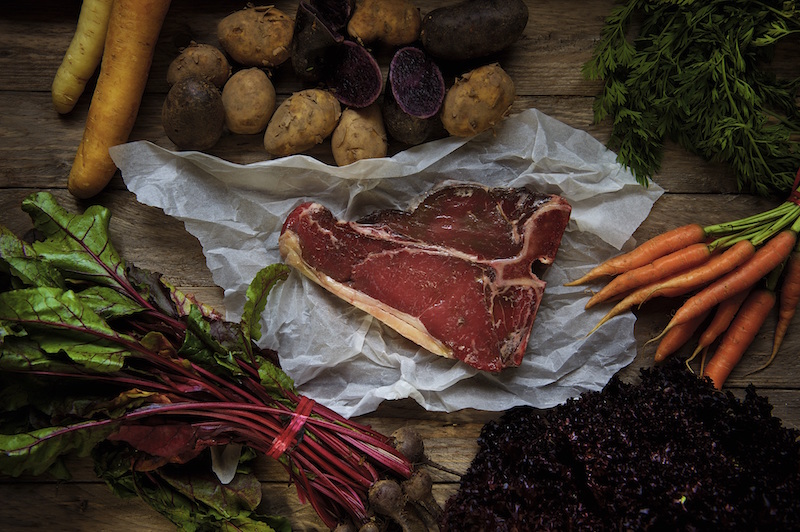
beef (locally pasture raised is best – read here why if you are wanting nutrient density) – we order a quarter beef every year to make it more affordable
pork (locally pasture raised again is best – we order a half every year to make it more affordable in the long run)
chicken (sustainably raised is best – I have whole chickens, chicken thighs with bones and skin, and for quick easy meals, I keep some boneless chicken thighs on hand)
My weekly grocery trips now are usually just stocking up on those items from this list that have been used up, along with fresh fruit and vegetables for the meals I have planned for the week.
Interested in getting a handle on meal planning? Read this article.
That my friend, is what you'd find on any given day were you to peek in to my pantry or refrigerator. It has taken me a number of years to get here; if you're new to this, consider starting with a few items and getting into the notion of playing with that food. Click on any of these ideas I have listed today in order to get to a recipe or an article that could make this make more sense for you. This is really a kind of compendium if you will of some of the articles in this whole series I initially posted back in 2016.
You know what I'm going to say, don't you.
Go play with your food.
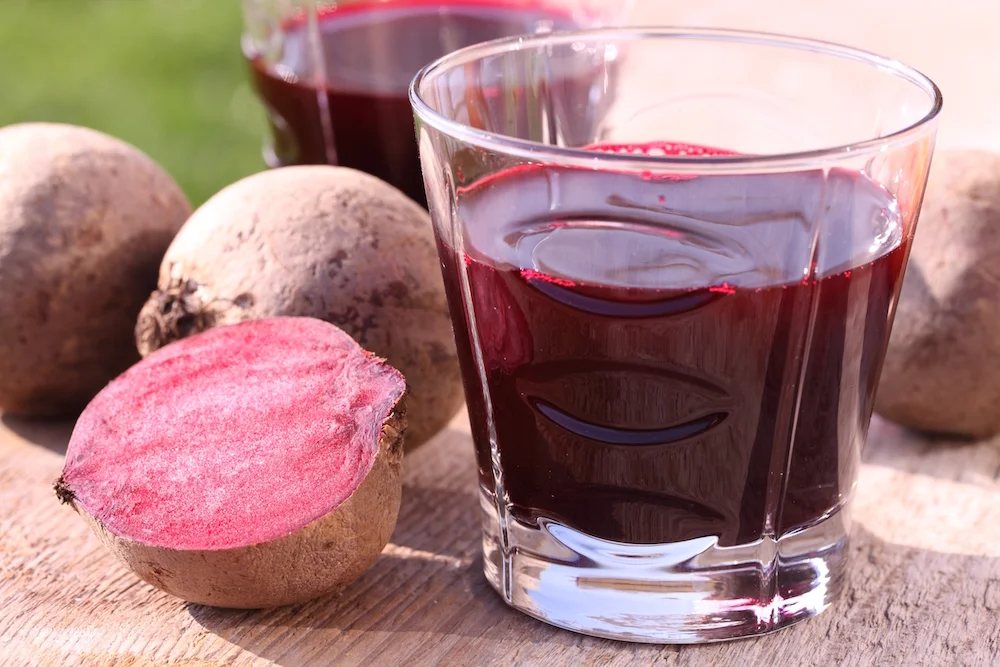
Customize your own Beet Kvass Brew
This past weekend, I had the good fortune of participating in our city’s first Fermentation Festival. What a brilliant way to spend a weekend day, hanging out with fellow Gut Geeks to talk nerdy about the microbiome. It really felt like a celebration of all things I love - culture, community and the power of good food.
This blog post delves into ways to customize your own Beet Kvass Brew and targeting specific organs or health concerns you may have on the go. Click on the image for the full run down of ideas and inspiration.
This past weekend, I had the good fortune of participating in our city’s first Fermentation Festival. What a brilliant way to spend a weekend day, hanging out with fellow Gut Geeks to talk nerdy about the microbiome. It really felt like a celebration of all things I love - culture, community and the power of good food.
I caught a very enlivening and inspiring workshop from Mike Doiron at Living Soil Solutions, talking about the microbiome of the soil, and its role in our overall health. The soil is really the earth’s gut it would seem; the bugs its microbiome. I highly recommend catching Mike at a talk somewhere down the line to help invigorate your comprehension of the power of good soil, and how that has the potential to mitigate carbon emissions, foster better agricultural practices, inherently ending in better health for the soil, the earth, better mineral and micronutrient profiles in the foods we grow. This can only lead to optimal health for all - the earth, the people and the community!
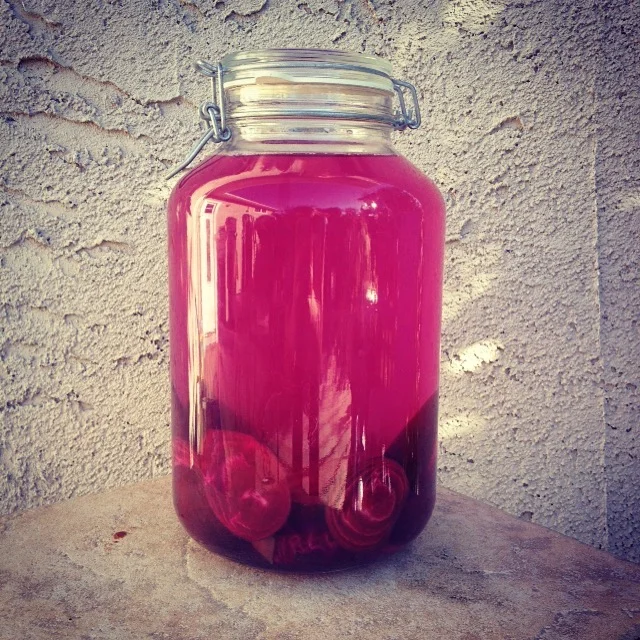
I had the good fortune to kick off the day in the Microbiome Room, diving in to the beauty and health benefits of the ever brilliant Beet Kvass. Many thanks to those who came to hang out and talk about the importance of looking after the microbiome via the good brew. We dove in to the science of the microbiome, its role in our body’s overall health and wellness. We also talked about how to GO SLOW if you are new to fermenting, and what signs to look for if your body is asking you to go even slower.
If you are new to making Beet Kvass, I will point you to this blog post: it features a recipe and video to walk you through how to make your own brew at home. Couldn’t be easier!
I took the chance at this class to jump into one of my tenets - PLAY WITH YOUR FOOD. My hope in putting together this hour on Beet Kvass was to inspire you to come up with your own combinations of extra flavours to add in to the mix. The idea here was to help you choose roots, shoots, herbs + flavours to reach for to help support you with your own specific health goals in mind.
To that effect, I had a request to post on the blog a roundup of ideas and ingredients one could add in order to build flavours according to certain health concerns.
Know this:
Chasing Flavour will always serve you well.
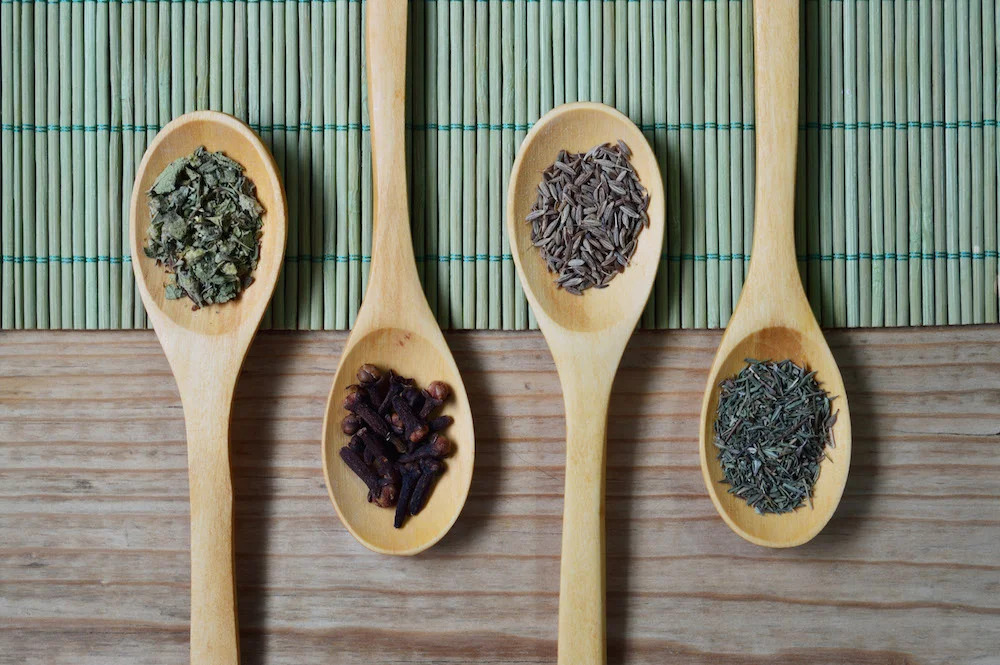
SPICES
dried spices like cinnamon, cloves, cardamom pods, nutmeg, star anise
flavours like fennel, fenugreek, caraway, cumin, coriander seeds, peppercorns
dried herbs like dill, tarragon, sage, thyme, dill seed, nettle, etc.
fresh herbs like dill, parsley, lovage, nettle, rosemary, etc.
ROOTS
dried roots like dandelion, burdock, nettle root, chicory
fresh roots like ginger, turmeric, galangal, lemongrass stalks
medicinal roots like astragalus, rehmannia root, eleuthero
FRUIT
make sure they are unsulphured or organic
dried like goji berries, raisins, cranberries, dates, figs, barberries
superfood dried fruit like elderberries, shizandra berries, jujube dates
dried lemon or orange peel
fresh fruit like any berries, pomegranate arils, slices of citrus fruit
fresh or dried foraged berries like rose hips, silver buffalo berries, saskatoons, sea buckthorn berries, hawthorn berries
VEGETABLES
garlic, green onions, chives
onions, horseradish root (horseradish leaves work well too!)
veggie remnants like cabbage wedges, radish peels
dried veggies like hot peppers, chipotle peppers
HERBS + FLOWERS
think loose leaf tea ingredients
labrador tea leaves, nettle, holy basil, raspberry leaf, rooibos
foraged goodies like spruce tips, pine pollen
flower petals like rose, borage, red clover, heather, calendula petals, chamomile, hibiscus
MEDICINAL MUSHROOMS + SUPERFOODS
always add a piece of seaweed to each batch (kelp, kombu, dulse, wakame, etc.)
reishi slices, chaga, cordyceps, maitake, lion's mane
shiitake mushrooms (dried)
astragalus roots, rehmannia root
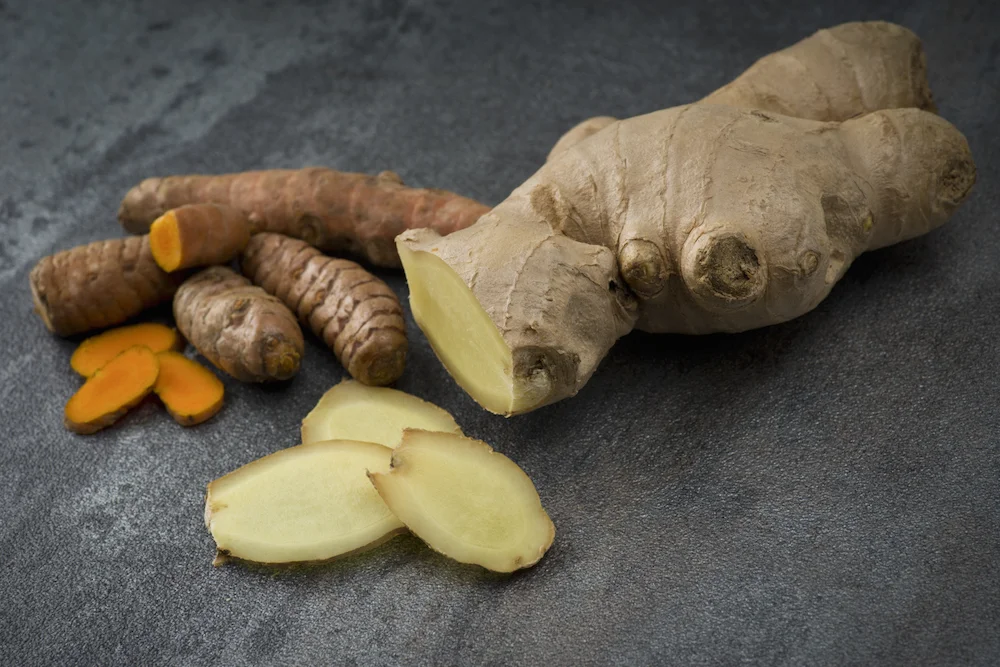
COMBINATION AND FLAVOUR IDEAS
I built a list of flavour combos targeting specific health concerns, and wanted to share these here. Use them as a jumping off point to brew your own combo!
Know that Beet Kvass always supports the liver and improves detox, helps reduce inflammation, improves digestion, loves up the microbiome and takes care of the heart. Beet Kvass has been shown to bust gallstones, kidney stones, dissovle uric acid to help reduce gout flare ups. So really, a basic brew of beets + salt + time is a great place to start. Anything else on top of that is just bonus.
Build from there! Use what you have on hand to start with, and build your pantry slowly over time. And know that a shot glass is what you're working up to, before meals. TAKE YOUR TIME.
IDEAS
IMPROVE DIGESTION: fennel / fenugreek / caraway (strong flavours to wake up the digestive fire)
REDUCE INFLAMMATION: chamomile + turmeric + ginger + medicinal mushroom
GUT HEALTH: cabbage wedge + calendula + fresh dill
DETOX SUPPORT: burdock or dandelion root + goji or jujube dates
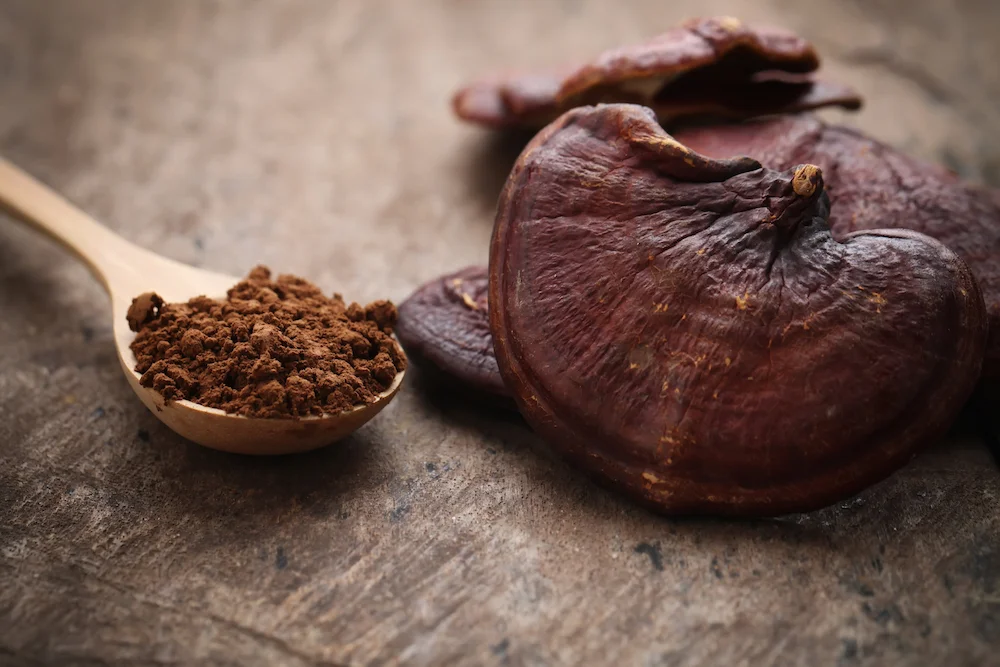
BONES + CONNECTIVE TISSUE: chaga + ginger + nettle
BRAIN + NERVOUS SYSTEM: lion's mane + turmeric root + rosemary
HEART: garlic + goji berries + hawthorn berries + hot pepper
GALLBLADDER: chaga + dried lemon peel + rose hips
LIVER: garlic + ginger + turmeric root + mustard seed; caraway + fennel; cardamom + clove + burdock

KIDNEYS: heather flower + dried cranberries + hibiscus
ADRENALS: rehammnia root + dried fig + fennel
THYROID: cordyceps + eleuthero root; chicory root + ginger
SKIN: shizandra berries + rose hips + fennel
IMMUNITY: astragalus root + elderberries
LYMPH: calendula petals + red clover + burdock root

BALANCE HORMONES: nigella or kalonji seeds + red clover
BALANCE BLOOD SUGARS: maitake mushrooms + true cinnamon + spruce tips
HEALTHY PREGNANCY: ginger + raspberry leaf + rooibos + rose hips
SLEEP: chamomile + nutmeg + dried cherries
Remember to Chase Flavour. What kind of brew will you make?

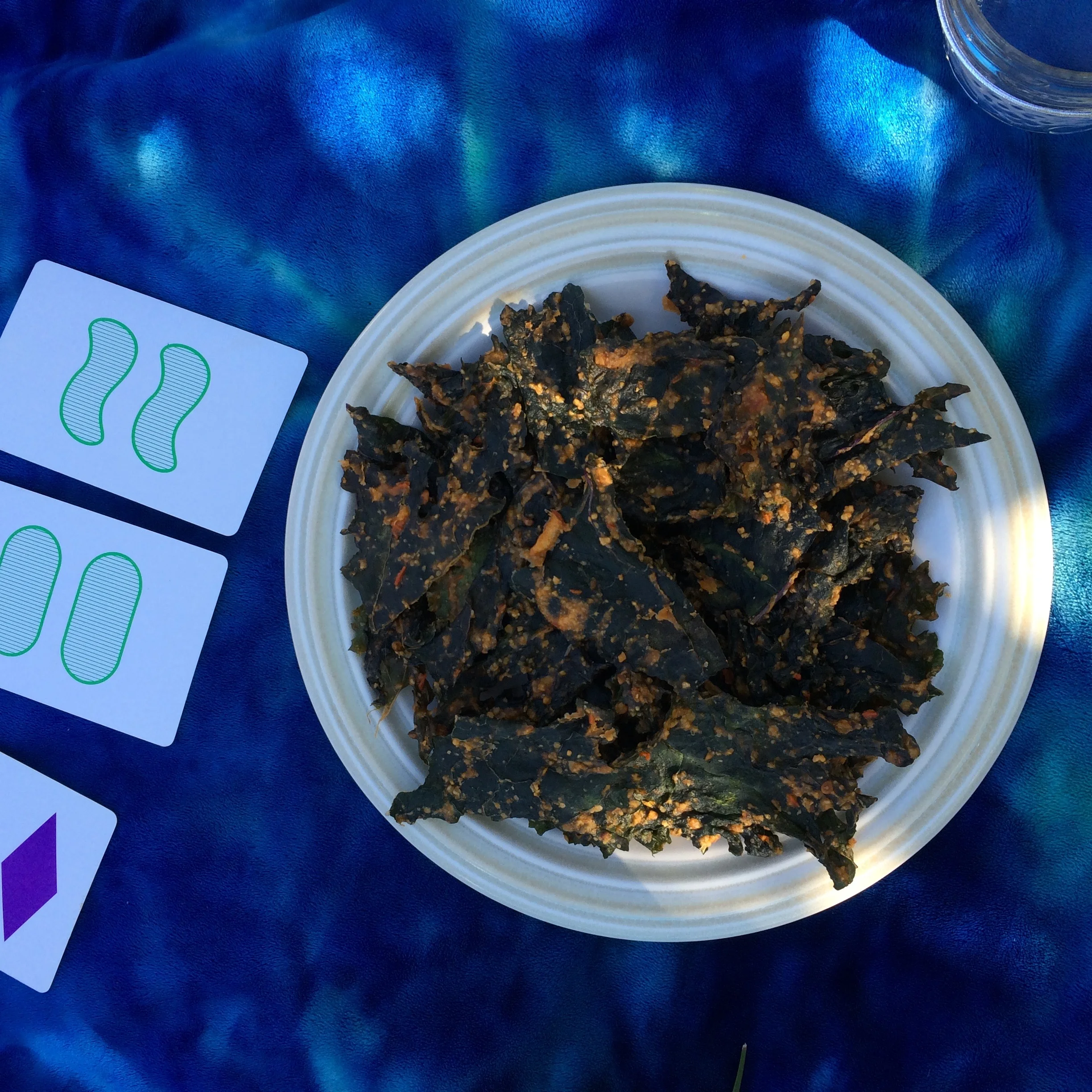
Kale Chips
You have kale coming out your ears, whether from the garden patch of your CSA box. Or maybe you just want to try your hand at a new way to preserve the bounty of this time of year. What to do, what to do…
Might I recommend making a batch of kale chips?
It's the summer time. Your garden is ON FIRE. Stuff is growing EVERYWHERE. You realize you must have let some kale go to seed last year, because you have a bumper crop coming up all over the place in your back plot. (Is it just me?)
Maybe you subscribed to your first CSA growers' box this year, and you have so much kale you don't know what to do with it all.
Or maybe you are dreaming of ways to put up the harvest, of taking a sensory-filled snapshot of the bounty and storing it for those colder climes that are a-comin. Oh yes, they're coming. I mean we have some time yet, do not fret.
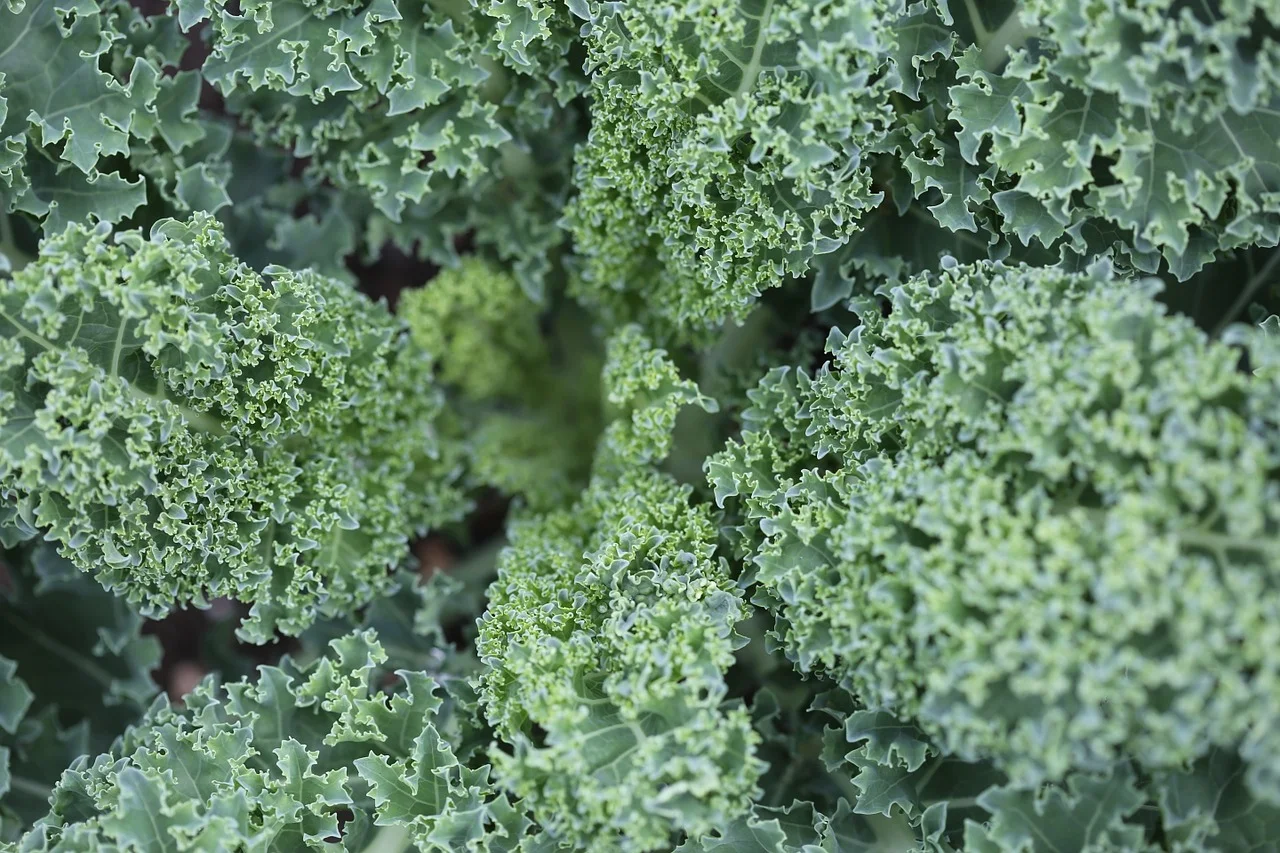
kale for daaaaayyyyyyyyzzzzzzz
What to do, what to do.
Might I recommend making a batch of kale chips?
Whether you have a dehydrator or plan to use your oven, these tasty morsels take a bit of work, but I like to think of it as a bit of a meditative exercise. It is worth it to take a good 45 minutes to pull this whole thing together; your taste buds will thank you. The aroma that fills your house as you are drying these babies will make all the neighbours hungry! And you will have saved the harvest from going to the compost heap! (Oh sure, kale is really good for you. But besides that, who doesn't want a little crunch for snacktime?)
Do not be dissuaded by the long list of ingredients, they really build on the flavour and add a nutritional wallop to help sustain you. And those who will be eating these. Totes ok to not share though.
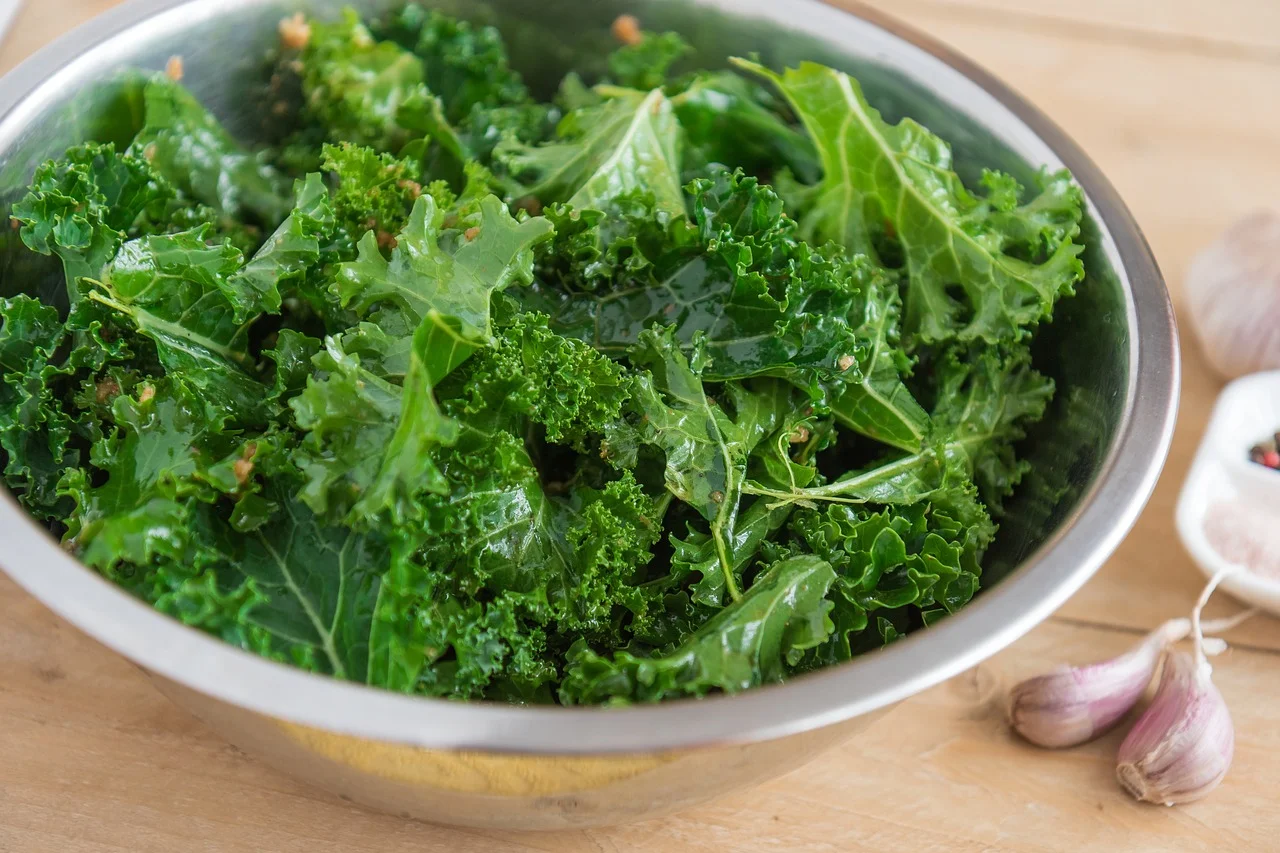
the prep
KALE CHIPS - the do it yourself kind
THE GOODS
1 cup cashew pieces
1 tbsp apple cider vinegar
2/3 of a red bell pepper
2 tbsp lemon juice
1/4 cup good quality olive oil
2 tbsp miso paste (any kind will do)
3 tbsp nutritional yeast
2 large dates, pitted
1.5 tsp sea salt
1 tbsp ground pepper
1.5 tsp curry powder
pinch of chipotle pepper
2 tbsp of juice from a ferment
2 tbsp of filtered water
2-3 bunches of kale, washed; middle rib cut out and greens cut into bite sized pieces
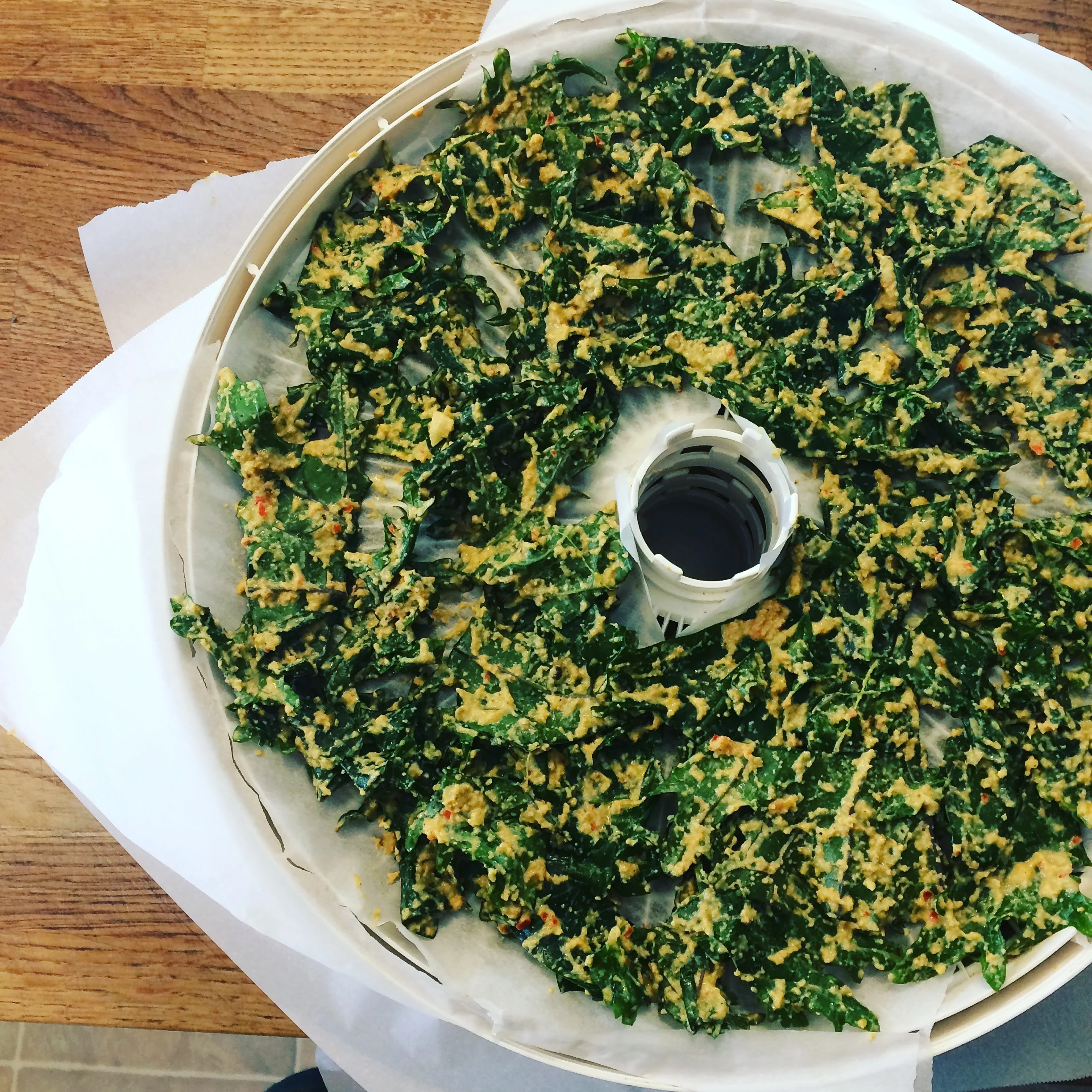
kale chips ready to go in the dehydrator
THE METHOD
Six to twelve hours before you plan to be making your kale chips, put your cashew pieces in a glass jar along with the apple cider vinegar, and cover with filtered water. Allow to sit on the counter with a lid on, and out of direct sunlight for 6-12 hours.
When you are ready to assemble your kale chips, dump the cashews and give them a good rinse. Put them along with the remaining ingredients (minus the kale!) in to a high powered blender and blitz to combine. You can also put in a tall glass jar and using your handblender, blitz the whole lot together.
Drop your dressing in to a big bowl, and add in your chopped bite sized pieces of kale. Using your hands, mash the paste into the kale leaves making sure each leaf is covered with the paste.
Simply lay out your slathered greens onto a parchment-paper lined cookie sheet and pop in to a preheated oven to the lowest temperature your oven can handle. Allow them to bake for anywhere between 45 minutes and 1.5 hours per side, depending on your oven and temp, flipping halfway through to bake evenly. You'll know they're done when they're crispy.
Alternately, you can also crisp these up in a dehydrator set to 115F for 6-8 hours.
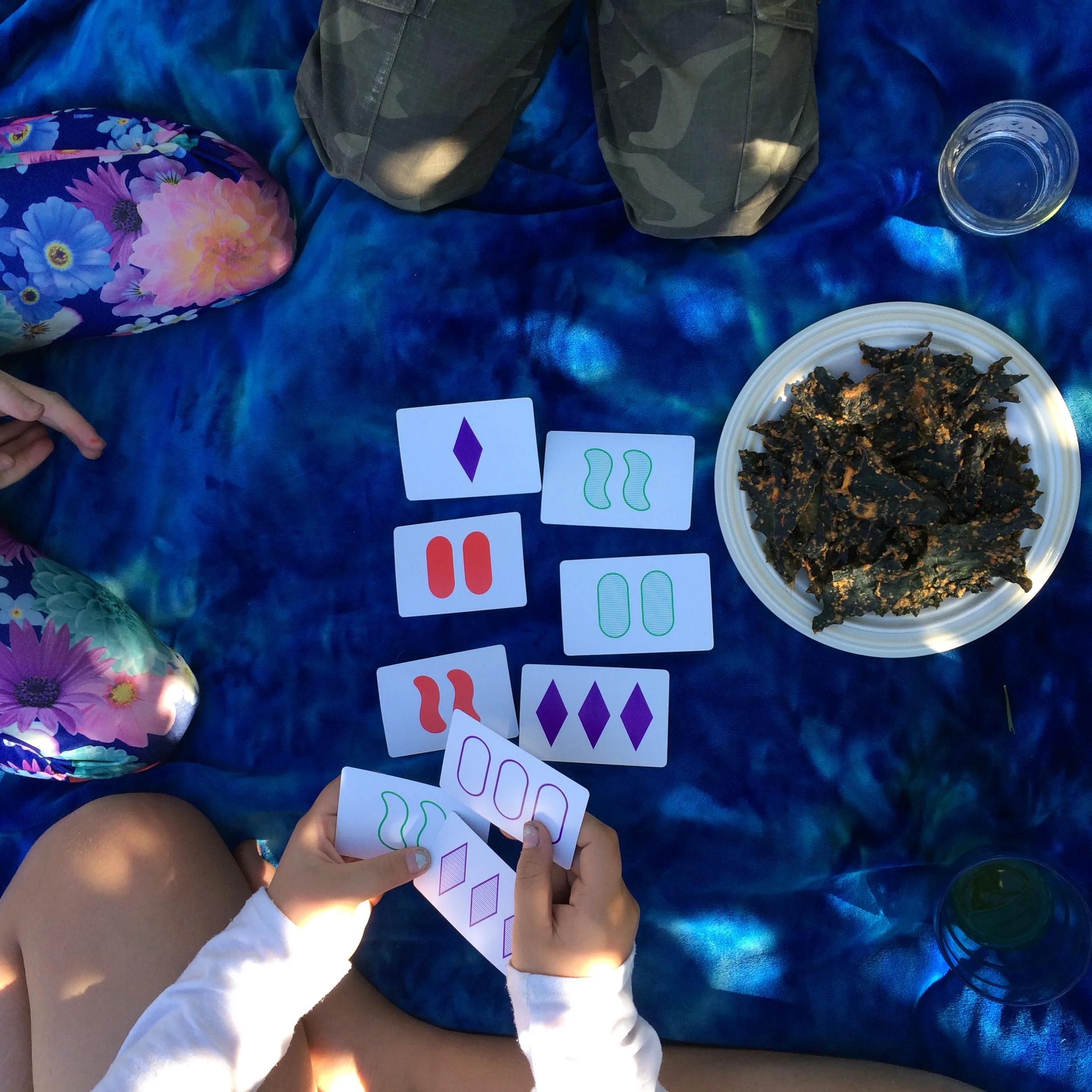
perfect snack to keep the littles satiated mid-afternoon