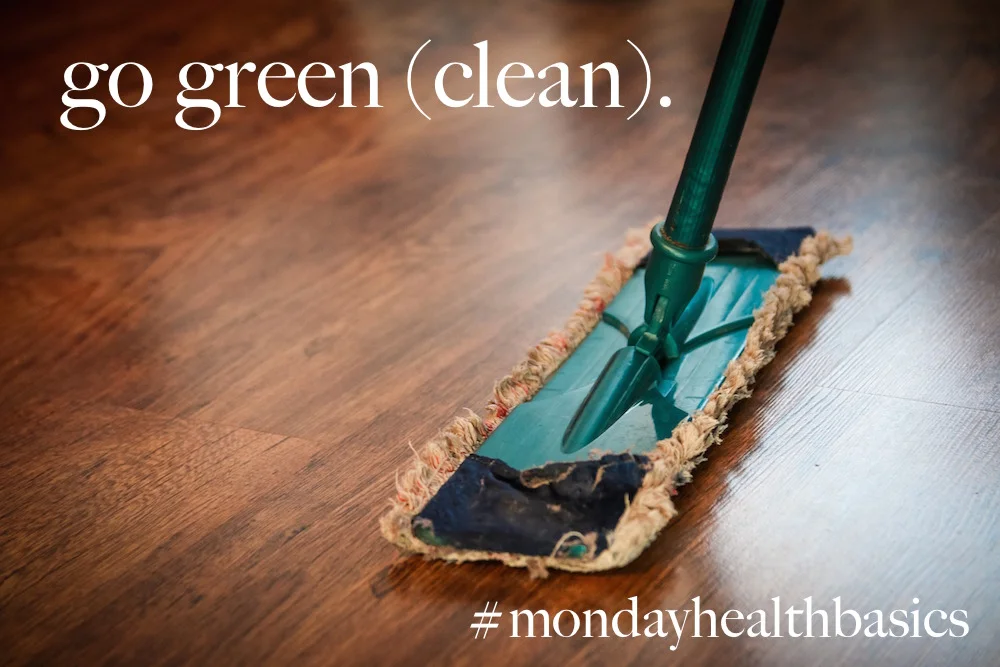
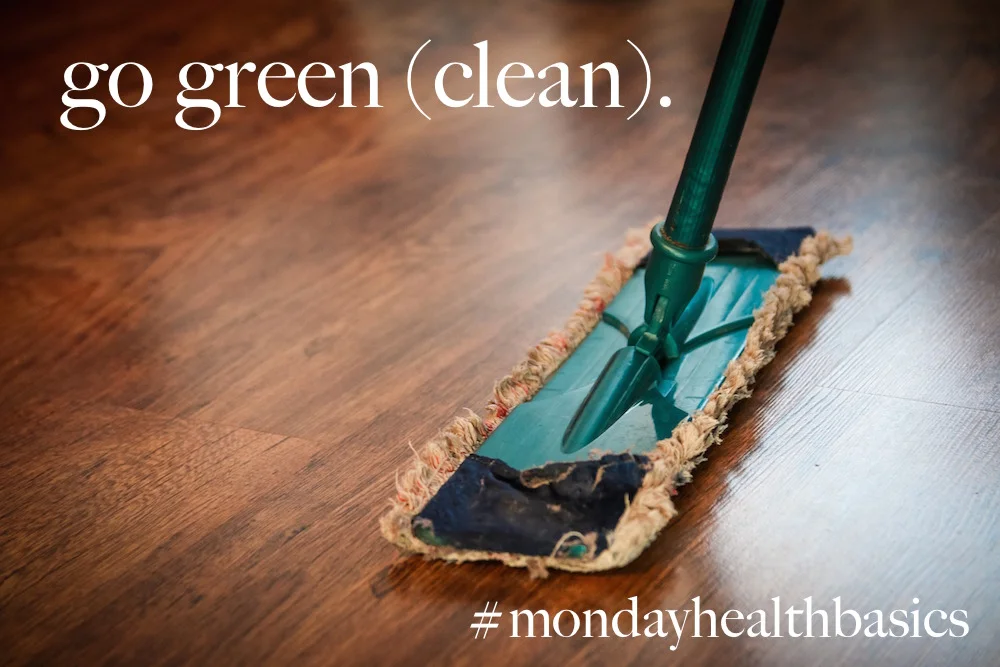
MONDAY BASICS: go green (clean).
Welcome to another week! Today's blog post is about lessening that toxin load on our bodies, bringing down the number of nefarious substances our bodies have to filter or move out. Let's go green (clean), kittens.
Welcome to another week! Today's blog post is about lessening that toxin load on our bodies, bringing down the number of nefarious substances our bodies have to filter or move out. Let's go green (clean), kittens.
If you don't know by now, I am all about loving the liver and working at de-inflaming, helping your body run as best it can and wants to. My work as a Holistic Nutrition gal is focused primarily on figuring out how foods can best support you, as we look to improving digestion whilst also taming that chronic low-grade inflammation dragon. I tend to talk loads about foods and beverages, or ideas that can best support your body's desire to be well. Today though, we veer off to include an all-important step in supporting your best self: lessening the toxin load via green cleaners.
As a Holistic Nutritional Consultant, I love delving in to dietary protocols that best support gut health and a reduction in inflammation. I am primarily inspired by Dr. Natasha Campbell-McBride's GAPS Protocol, the Gut and Psychology Syndrome, linking the health of your gut to the health of the nervous system, and Dr. Terry Wahls' Protocol (The Wahls Protocol), a Paleo-inspired protocol highlighting how best to support autoimmune conditions.
You know a protocol is the real deal when a component of said protocol includes proper detoxification recommendations.
Both protocols offer a fantastic and in-depth overview in to the reasons why.
If I could, I would quote entire chapters' worth of important information here for you from these tomes. I invite you instead to pick up their books, or put them on hold at your local library so that you can delve in to the explanations and reasonings behind their recommendations. To summarize, our world is becoming more and more polluted, as are our foods, The chemicals found in the materials around us, the air we breathe, the off-gassing of new upholstery, the radiation from so many directions, the chemicals used to treat the foods and soils in which we grow foods, the list of toxins that contribute to our wellbeing are growing day by day. Two generations ago, they weren't dealing with nearly half as much as we are today. Thankfully, we have these amazing detoxification systems in place in our bodies to usher toxins out, to move spent metabolic waste towards the exit routes. But it is imperative we care for these detox systems and support them so they can best support our health and wellbeing. We're talking about quantity of life, but also quality of life here.
A few weeks back, I mentioned the idea of giving your body that 12 hour break. This was meant to help support your body's in-house clean-up crew to work at their very best. We are detoxifying every day, friends.
Your liver, along with your lymph, spleen, blood, kidneys, sweat, skin, intestinal lining, and a few other parts work in tandem to keep your engine running as clean as possible. They work as a team to keep that detoxification system working as hard as it can, clearing away unwanted toxins, incompletely digested foods, spent metabolic waste out of your system. GOOD WORK BODY.
One of the ways you can best support this kind of work is by lowering the amount of toxins your body has to deal with. Today's post is all about going green.

I am focusing on cleaning supplies in the home today, but I intend to include a post soon on the importance of greening our body care products as well. Look for a good round-up of easy DIY recipes below, and other online spots to look for ideas when it comes to greening your home cleaners.
It's imperative to reduce the number of chemicals you come across in your every day. Sure, we may have little to no sway on the cleaners and chemicals used in our workplaces; some places like hospitals or factories have a pretty heavy load of toxins found in the environment as a regular part of the every day. We do however have the ability to influence those found in our own homes.
GUIDE TO HEALTHY CLEANING
When I talk about green alternatives, think anything used in the kitchen, in the bathroom, for dusting and cleaning floors. Think vacuum, carpets, or anything related to laundry. Go farther, and really investigate when renovations are in the near future for you. Go the extra mile to find lower chemical-load upholstery or paint, low-VOC products (volatile organic compounds – find a concise list and explanation here). Or better yet, figure out a way to make what you have, last! Recycle! Reuse! Seek out good quality second hand goods perhaps.
Some of the chemicals found in your average grocery store cleaners may have some dangerous compounds in them. Refer to this fantastic online resource courtesy of the Environmental Working Group, they regularly update their Guide to Healthy Cleaning to help you make the best decisions for your family. They are based in the United States, and I appreciate their work as they are clear about their methodology, and use science to back up facts. They offer safety ratings on more than 2,500 cleaning products.
You will also find informative articles that go in depth as to which chemicals carry the worst reputation. They explain the science of how these nefarious chemicals work and how they offend in order that you may best arm yourself with the knowledge you need in order to make the best decision.
By going green, you are reducing the irritants and mystery chemicals and fragrances that can wreak havoc on your endocrine system, or cleaners who pack known carcinogens in their recipes. By going green, you are decreasing that toxin load. This frees your body up to concentrate on that internal detox work that needs to happen in order to help keep chronic degenerative diseases at bay.

EASY DIY CLEANER IDEAS
My favourite thing about this: it's frugal!
Click on points if you'd like a more complete recipe or how-to
use salt to help scrub pots clean
use a less chemical-laden dish soap and make sure to rinse thoroughly when hand washing (removes residue)
clean wood floors with strong tea
polish your furniture with a mix of 1c of olive oil and 1/4c of white vinegar
use white wine to take the stain of red wine out of the carpet
ditch the dryer sheets and felt your own dryer balls (one of the best things you can do RIGHT NOW!)
hang your laundry outside to dry, or on a rack indoors (it adds humidity to our dry winter air here in the prairies!)
open a window – it's amazing how it refreshes everything and cleans the air in your house
add a house plant (or seven!), they clean the air for you
I have a plethora of ideas on this pinterest board, updated regularly
think of making your own cleaners as part of your batch prep work for the week
In addition to these easy recipes at home, you can also rely on manufactured cleaners, albeit greener versions. If you're in Calgary, there are some fabulous local home cleaning product suppliers who have their wares for sale at your favourite local health food store. Reach for the simplest and most unscented version of product as you can. And breathe easier!

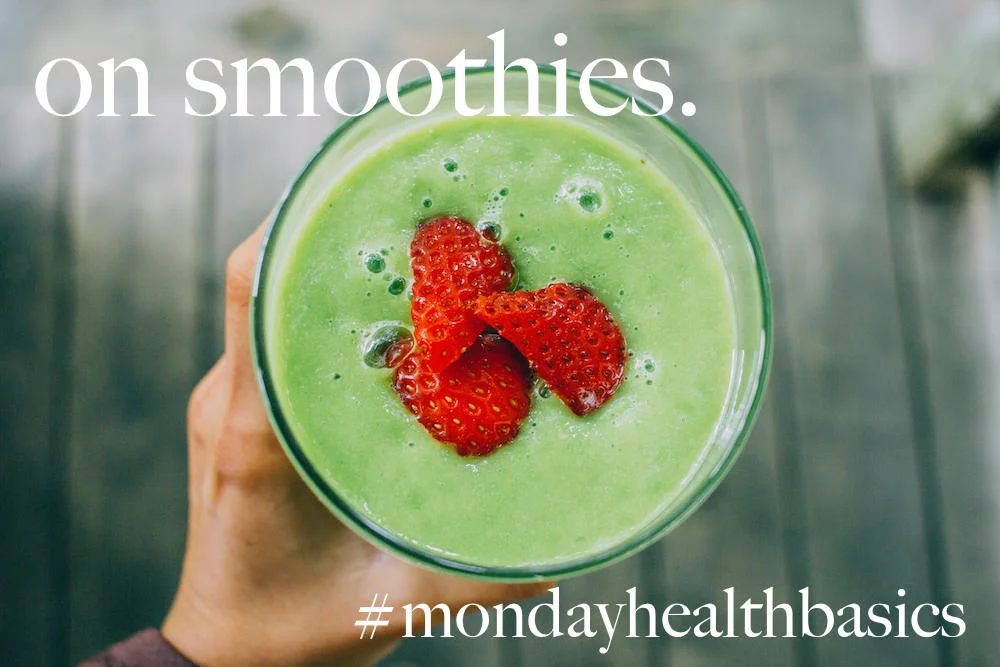
MONDAY BASICS: on smoothies.
This week's Monday Health Basics blog post (albeit a day late) is zeroing in on one of the most oft questions I get: what do I think of smoothies? How do I build a good smoothie?
For you, my bullet-breakfast loving friend, here is my spiel on smoothies.
Happy Thanksgiving to you, my dear reading friend. I hope the weekend that was saw you gathered around some good food with some good folks for some good times. And some great phone conversations with those from away.
This week's Monday Health Basics blog post (albeit a day late) is zeroing in on one of the most oft questions I get: what do I think of smoothies? How do I build a good smoothie?
For you, my bullet-breakfast loving friend, here is my spiel on smoothies.
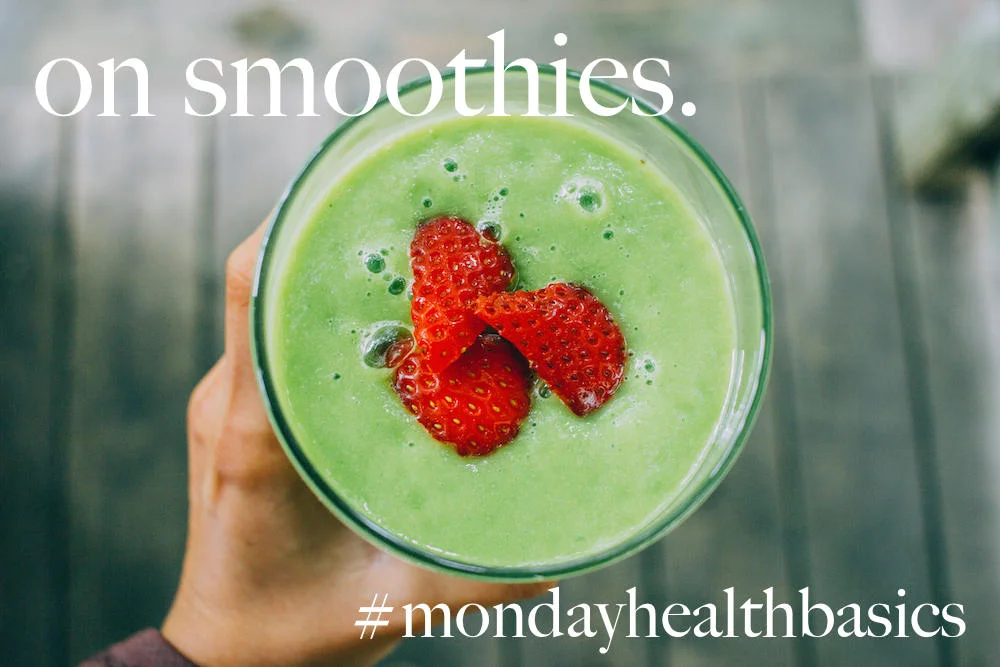
There are clearly two camps when it comes to smoothies: those that say 'yea' and those that say 'nay'. I sit on the fence. I really do.
I think they can be fantastic vehicles for nutrient density; I think they can carry lots of goodies if you're looking to increase your intake of fruit and veg for those all important nutrients, vitamins and minerals to best help support a body.
I wonder how much we are by-passing normal parts of digestion when we just 'drink up' our breakfast (or snack or meal). I mean, I think we have teeth for a reason. I really believe we were always meant to chew our food; chewing activates the proper cascade of events we need to go through in order to optimize digestion. And if you know me, you know what I'm going to say: you are what you assimilate. If you aren't digesting properly, you will have trouble getting nutrients out of the foods you're eating. Our bodies utilize nutrients after all; not food. We need to be able to properly break down our foods in order to get at the nutrients within.
If you look back in history, no one, nowhere was making smoothies. We were all chewing what we had on hand, what was in the larder, and what we found or hunted on the field or in the woods. Or kept in the coop out back. It was all slow food all the time. So I really think there is something to the business of chewing our breakfast, and taking our time for that important first meal of the day.
Digest well
My recommendation here then is, if you're going to make a smoothie for breakfast or for a snack, you should aim to chew it in your mouth in order to start the digestive process properly. Really swish it around your mouth so that you can start building what is called a bolus: from the greek, meaning a soft, roundish mass or lump, especially of chewed food. You need to work your saliva in the mix here in order to help initiate that important breakdown of carbohydrates.
Know that if your smoothie is cold, the temperature can halt or hinder digestion. It is best to warm it up a bit before you consume it in the morning. You can warm it up by adding a spot of hot water, or a mugful of tea!
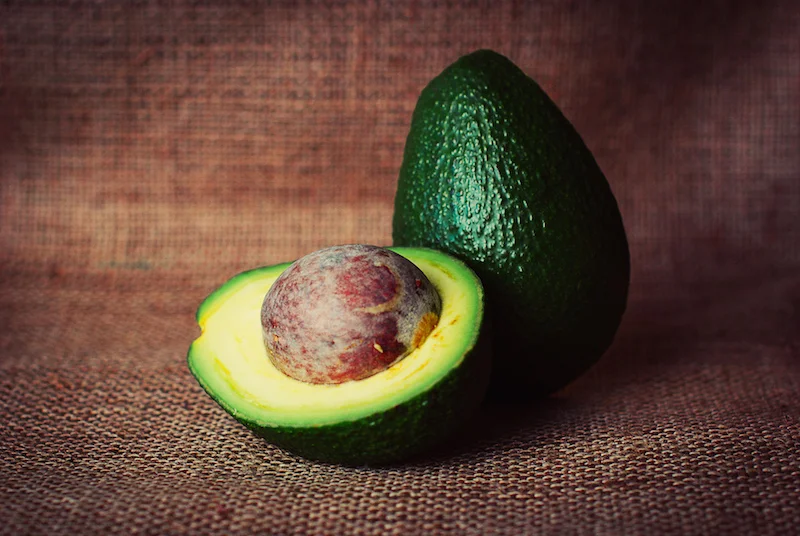
The Fat of the Matter
It is important to ensure your smoothie is loaded with the good stuff. I do a breakdown of what to include and why, and offer suggestions below. One of my key recommendations to anyone who makes smoothies for meals, is to ensure you have a good fat and/or protein in the mix. This is essential to slowing down the release of sugars found within the smoothie (which can make its way into your system so quickly if your food processor or thermomix has blitzed it in to such small particles).
I have talked before about the addition of full fat at length, and invite you to read up on past Monday Health Basics posts for the refresher. I focus on going full fat (esp. dairy) here, ensuring your animal fat sources come from grass-fed and grass-finished animals. You'll find an earlier post on navigating fats here, and a wee write up on the importance of including the all-important Essential Fatty Acid Omega 3 in your diet here. All good reasons and explanations behind including those good fats.
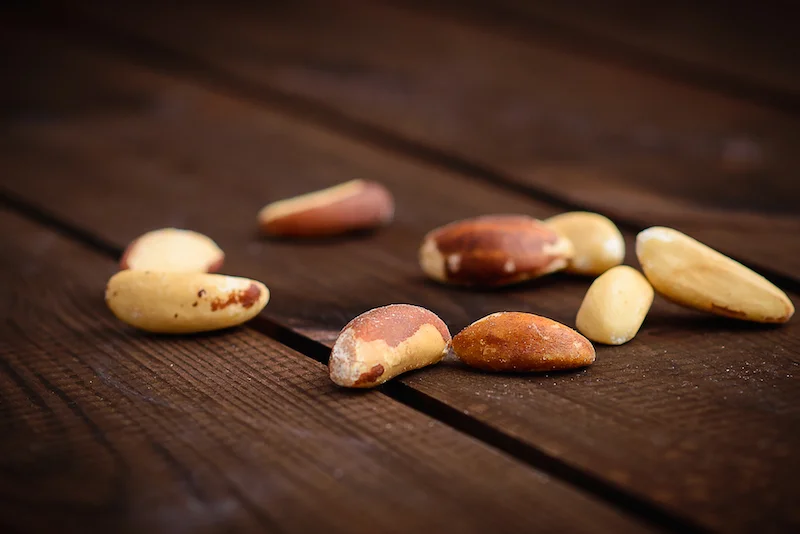
You may recall a write up earlier in the summer where I spoke about the importance of soaking your nuts and seeds before using them as a base for your smoothie. You can find that write up here, including an easy recipe and how-to for pre-soaking your nuggets. I love using nuts and seeds in a smoothie: they add wonderful healthy fats, give a good plant-based hit of protein and offer some vital vitamins and minerals that are essential to the body's functioning. As if that wasn't enough, they are also good sources of fibre, helping to bulk up your stool and move spent metabolic waste and toxins out of your body so that your engine can run clean. GOOD WORK.
Smoothies are an integral part of the Wahls Protocol, a protocol developed by a Functional Medicine Doctor in the United States named Terry Wahls who was diagnosed with Multiple Sclerosis a number of years ago. She did extensive research into how diet and nutrition could play a role in her health and wellness; she developed a protocol based on nutrient density and foods that would help 'mind her mitochondria'. Dr. Wahls is a big believer in loading up on a variety of colours in your fruit and veg, and ensuring the good things are in the mix here.
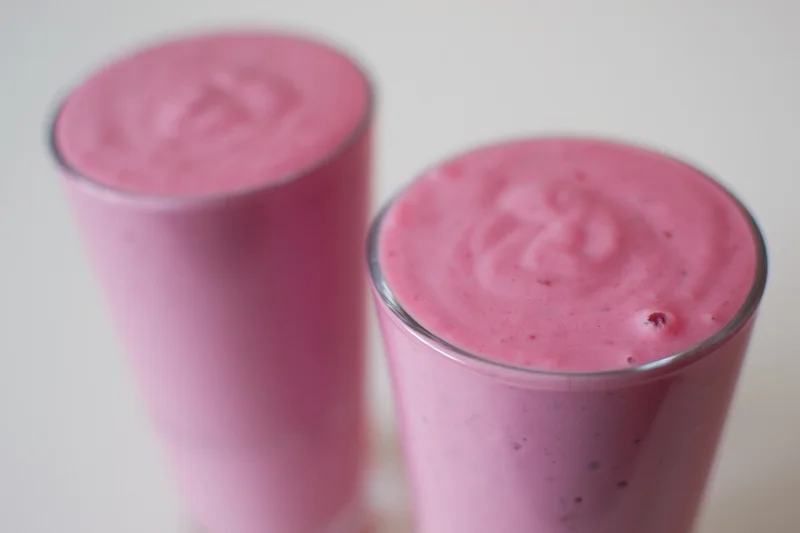
So let's break down the template, shall we? Here is my smoothie equation for you:
Greens + Berries + Fat + Fibre + Extras
+ The Liquid
Let's go item by item to get the gist of what this means.
GREENS
This is an important part of the smoothie, and a great way to boost the nutritional content in your smoothie. You can find an extensive write up as to why greens are good for you here at an earlier MHB post. These foods are mineral rich and offer great support for detoxification and overall lowering of inflammation. Including a handful of greens or a cup of chopped greens or herbs in your smoothie is a super idea.
If you have a thyroid condition, consider using swiss chard instead of kale or spinach, as these last two foods have goitrogens, which have been shown to slow down your thyroid's function. Reach for romaine, or add some herbs as greens. Mint imparts a most delicious flavour, and ensures those minerals you are looking for here.
Smoothie-approved greens (1-2 cups):
kale
collards
spinach
swiss chard
lettuce
parsley
sprouts
bok choy
beet greens
sorrel
dandelion greens
nasturtium leaves
borage leaves
Organic is always best, as greens have been shown to have a pretty high pesticide residue and so are listed on the 'Dirty Dozen' list as ones you should pay the extra dollar for. Find that information here.
Another idea you can try is to dry your own greens and mince them up, adding a tablespoon of them to your smoothie. Find the how-to here.
BERRIES
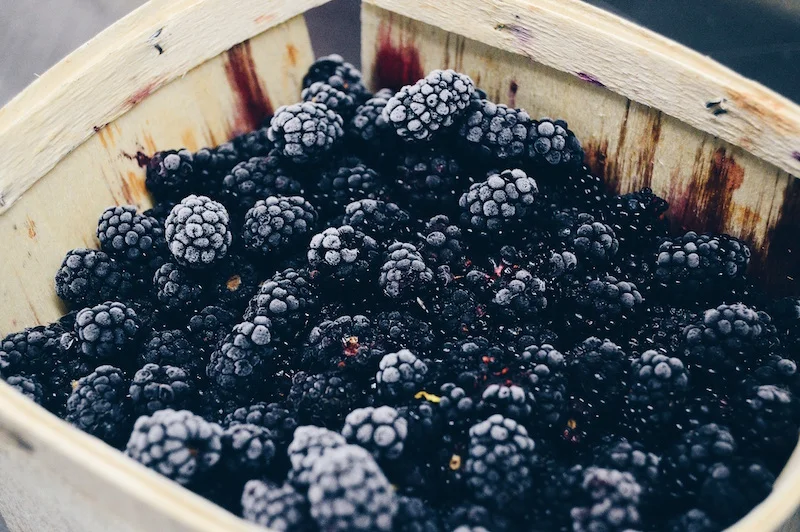
Smoothies are typically sweet tasting. Adding fruit is a wonderful idea and a brilliant natural way to add that sweet taste. My recommendation here though is to stick to low glycemic load fruit, things like berries, or maybe apples or pears. I highlight berries because they're easy to keep in the freezer. They don't spoil as readily when purchased frozen. I love the idea of frozen berries too, seeing as they typically freeze freshly picked berries close to where they were picked. (True for other fruit and veg as well.) This allows the berries to fully ripen on the vine, which ensures a more nutrient-dense end product. Go for frozen berries.
And add a good cup or cup and a half per serving.
Vary your berries from one purchase to the next, in order to offer a variety of nutrients. You should know, most berries are fairly high in pesticide residue as well; it is something you may want to purchase organically. Read up on the why here.
Another benefit to berries is the high fibre content, and also the high amount of antioxidants found in these deeply hued berries. These antioxidants help neutralize that free radical damage that happens in our bodies, especially helpful in slowing down the aging process and protecting our cells from the inside out. These nutrients are of tremendous support to the liver in keeping your engine running clean.
FAT
In addition to the points mentioned above, fat is also incredibly important in helping balance hormones, and keeping us satiated. Fats are key providers of nutrients necessary to reduce inflammation.
My fave smoothie go-to-fats (choose 1 or 2):
1 tablespoon of coconut oil, cacao butter, nut or seed butter or straight up butter/ghee
keep it plant-based by adding a half of an avocado (they freeze beautifully)
1 tablespoon of olive oil; delicious flavours at Blue Door Oil + Vinegar
a handful of nuts or seeds (pre-soaked of course!)
you can use 1/4 cup to 1/2 cup of homemade creme fraiche (the how-to is here)
1/2 cup of homemade greek yogurt (read up on why it's wise to make your own here, including full instructions)
FIBRE
Fibre is just so integral to helping usher out spent metabolic waste and toxins our body is looking to get rid of. I did a wee blog post on the importance of including fibre here. The seeds listed below also happen to have a good amount of omega 3 fatty acids, which will help in reducing inflammation.
I recommend here you include 1-2 tablespoons per person:
chia seeds
hemp seeds
flax seeds
EXTRAS
This is where you get to be creative. Depending on what kind of health concerns you are currently working through, seeing a Holistic Nutritional Consultant may be of benefit when it comes to figuring out this piece. I know a gal. I can hook you up.
These are all optional; you can pick none, or one, or three to add to your final smoothie. Look for these at your favourite local health food store, or check out The Light Cellar on Bowness Road in the NW of Calgary. (* denotes you should only add at the time you are blitzing the smoothie together)
1 tsp matcha green tea powder or 1 tsp moringa leaf powder– great for adrenal support!
1 tsp minced seaweed – extra mineral boost, liver support (spirulina is my fave)
1/2 tsp to 1 tsp of cinnamon
1/2 tsp to 1 tsp of fresh minced ginger – liver support, reduces inflammation
1/2 tsp to 1 tsp of fresh minced or dried turmeric – anti inflammatory
1 tsp of vanilla powder – antioxidant support
1 tsp of cocoa powder – if it's raw, extra antioxidant support
1 tsp colostrum – immune and gut support
1 tsp of medicinal mushroom powder – good write up found here on The Light Cellar's website
1 tbsp of dried nettle leaves - liver and inflammation support
1 tsp of holy basil loose leaf tea (aka tulsi tea) – excellent support for histamine intolerance issues, migraines, inflammation and adrenal support
1/2 tsp bee pollen - for inflammation, although not recommended for pregnant women or women hoping to get pregnant
a scoop of collagen powder* - for gut support (this one is my preferred)
a raw egg yolk* – make sure your chickens were pastured; conventionally raised eggs have possible contamination issues like E.coli and salmonella
1-2 tsp of cod liver oil – nutrient density at its finest, good for your entire body (find a lemon flavoured one - the best)

My medicinal mushroom tea with reishi, chaga, astragalus, ginger, cardamom, turmeric, pepper
THE LIQUID
You obviously need to add some liquid to make this a smoothie. To the blender, I would add 1 cup of any of the following:
water (warmer is better - filtered is de rigueur)
tea – dandelion root, rooibos, rose hip, ginger, green tea, nettle, lemon tea
kombucha
water kefir
any non alcoholic fermented beverage you have on hand – excellent way to include probiotics
milk kefir (or coconut kefir if you can't tolerate dairy)
a cup of any of these liver-loving teas (medicinal mushroom brew recipe included)
Make a big pot of medicinal mushroom tea, and stash in the fridge once it is complete. You can pull from this stash for a week at least.
BATCH PREP IS KEY
Batch cooking really is key here to making this a do-able thing. I recently spent a full day with a friend preparing meals for her freezer for easy retrieval; she was about to undergo major medical treatment and wanted some ready-made easy-prep things in her freezer to pull out in order to ensure proper nutrient density for those days when food wouldn't necessarily be so appealing, nor would the energy be there to prep a meal.
She purchased big containers or bags of greens, berries, ensured she had good fats, seeds for fibre and some tasty extras. We assembled about thirty little freezer bags of smoothie essentials. It took all of 15 minutes to put it all together. We set medium-sized freezer bags propped open in a box, and dumped a handful of spinach in each bag, a handful of slivered chard (without the stems), a cup of berries, a few slices of peaches, a tablespoon of coconut oil, a tablespoon of chia seeds, a teaspoon of matcha green tea powder. We wrote on the bag to include some creme fraiche and a cup of kombucha for the day she will be using the baggies. Easy peasy.
On days where she wants a nutrient dense easy meal, all she has to do is take it out of the freezer, add in some liquid, some warm tea and blitz the whole thing in her blender. Voila. Talk about good fuel for her days, and her body's work ahead.
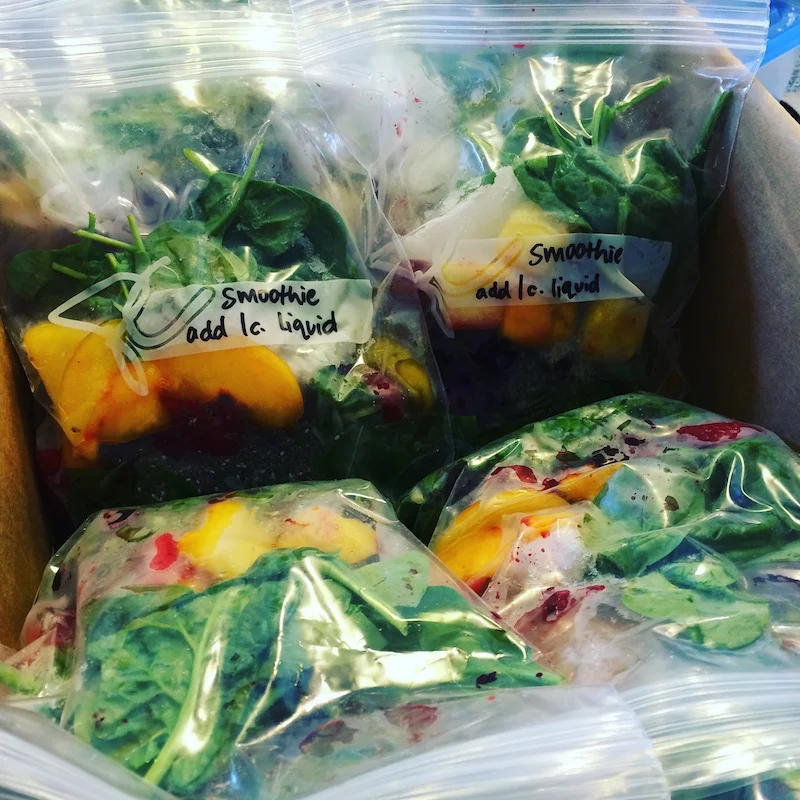
This is a wonderful gift you can put together for a friend in need, or for a loved one about to undergo extensive medical treatment. New moms would love the ease of a quick nutrient-dense meal like this. Your older parents may love the idea of an easy breakfast at hand to go along with their daily buttered toast. Your kiddos away at university may find this saves them on their early mornings. Your littler ones may enjoy helping put together a batch of these baggies so they can start making their own breakfasts in the mornings.
This was a long post. Phew. Extensive. But I hope you find the template a do-able thing, and an easy thing to follow.
Greens + Berries + Fat + Fibre + Extras
+ The Liquid
Now go play with your food.
The information provided in this post is not intended to replace your doctor's advice. This is for educational purposes only. If your current health status is giving you cause for concern, it is best to seek out the support of your Medical Team before consuming any of the foods mentioned in this post.
MONDAY BASICS: sweeten naturally.
Ah yes, the month of October. The month the sweets show up EVERYWHERE. Let's do it. Let's talk all things sweeten, and talk about ways to figure this thing out.
Ah yes, the month of October. The month the sweets show up EVERYWHERE. Let's do it. Let's talk all things sweet, and talk about ways to figure this thing out.
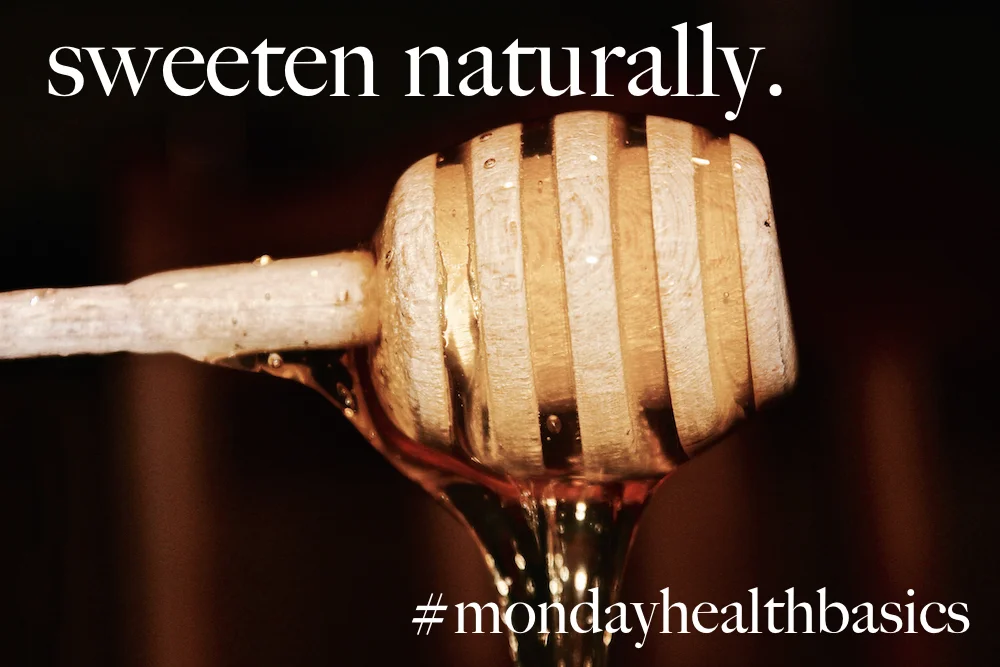
Sugar has gotten a bad rap, and with good reason. Our manufactured and refined versions of the sweet stuff has gone through so much processing and altering by the time it gets to our plate. Never mind, until about a hundred years ago, no one ate as much sugar in one sitting as we do now! Before the advent of fast food, grocery stores and pre-packaged foods, our number one place to get our sugar fix was if someone in our home baked some goods, stirred in a bit into a cup of tea, or we reached for fruit and grains in their whole food versions. Our ancestors' pantry staples weren't as refined as ours are now. We have drastically changed how we eat in the last 100 years; our genetics haven't changed fast enough in order to deal with this new influx of high sugar foods.
The reason we are so apt to reach for sweet tasting foods is a simple one: we have developed the taste buds to seek it out and ensure we consume the sweet tasting foods. See, before the advent of sugar-laden foods and packaged goods, we ate primarily what was grown in the garden, or what we were able to put up for the year at harvest time. You ate in season; you knew a food was in season because it tasted sweet right off the vine. This sweet taste was what made us reach for the fruit or veg; funny enough, this sweet taste developed right at peak freshness.
The sweet taste is what we evolved to reach for: when we ate those sweet fruit, we were eating them at their most nutrient dense.
Sweet tasting meant it was ripe, meant the nutrients found within (especially vitamins and minerals) were fully developed and at their highest peak. Did you know that Vitamin C is one of the last nutrients to develop on the vine? When a tomato tastes sweet and is allowed to ripen on the vine, this sweet taste means you are getting a brilliant hit of Vitamin C. Plucking that tomato off the vine when it's green in order to ship it across one or three nations in order to reach your dinner table means it's been taken off the plant before it's had a chance to develop that vitamin C; the sweet taste will never be at its peak if you pluck the fruit off too early.
So good work, humans: we developed this taste for sweetness in order to ensure we had maximum nutrient density! Oh wait. My sugar from sugar beets that is found in my super refined extra sweetened packaged baked good also tastes sweet. I must be getting so many nutrients. Nope. FOOLED. I'VE BEEN FOOLED.
Read your labels
Take a look at packaged foods. Sugar is often listed on the ingredient list either in obvious form or hidden form; if the end product tastes delicious, they will ensure repeat customers. Knowing that we developed over the millenia with the impulse to reach for sweet tasting things – this was how we knew the foods were at their peak freshness, which inherently meant they were also at their most nutrient-dense point – making our packaged foods taste sweeter is a good way to have repeat customers.
Too bad these super sweet tasting treats are now devoid of nutrients. Yes, in the refining process (turning whole wheat flour into white flour) we have stripped the most nutrient-dense part of the plant, the germ which now takes out most of the all important B vitamins, incidentally the vitamins we need in order to properly break down and digest carbohydrates. It's the same with sugars.
The GMO issue
Sugar in its shiny white refined form, or table sugar as we know it, is produced from genetically modified sugar beets. One of the compounds found in the pesticides used on GMO crops (and other non-organic crops) is called glyphosate. Studies show glyphosate changes and wipes out the beneficial microflora in the gut of animals. When GMO foods were first introduced, there was little known about the impact of our micro biome on our health. Initial studies never included research into the impact these types of treatments would have on animal, never mind human microbiomes.
There are so many helpful articles out there that go over the ill effects sugar will have on your system. They have the content covered. If you'd like to read some, may I recommend this thorough look at sugar from Wellness Mama; if you're looking for a bit of a fear mongering tactic (but completely realistic!) way to look at sugar, may I suggest Authority Nutrition's article on the subject; Huffington Post does a solid round up of reasons why you might want to swear off the stuff here; the folks at Food Matters do a solid write up and include some good alternatives here.
What to avoid
There are clear cut ways to know whether or not the packaged food you have in your hand contains any added sugar. Of course, you may see 'sugar' or 'high fructose corn syrup' listed in the ingredients. Here are other words that may not be on your radar that you will want to avoid:
dextrose, fructose, maltose, anything with an -ose suffix; glucose solids, cane juice, dehydrated cane juice, evaporated cane juice, cane juice solids, cane juice crystals, dextrin, maltodextrin, dextran, barley malt, beet sugar, corn sweetener, invert sugar, crystalline fructose, corn syrup, corn syrup solids, caramel, buttered syrup, carob syrup, brown sugar, date sugar, malt syrup, diatase, diatastic malt, fruit juice, fruit juice concentrate, dehydrated fruit juice, fruit juice crystals, golden syrup, turbinado, sorghum syrup, refiner's syrup, ethyl maltol, yellow sugar.
Find a brilliant article here that outlines a more in-depth look at how sugar is utilized in the packaged food industry and the loopholes they get to jump through. Yikes!
Know that sugar has been shown to contribute to obesity, inflammation, heart disease, cancer, nervous system imbalances, they are hard for the liver to work through. I'm just scratching at the surface here.
Don't think that by opting to nix all of the sugars in your diet and welcome in those fake sweeteners will get you out of trouble. Au contraire, mon frere. Those artificial sweeteners are made in a lab, they are artificial. Mother Nature never intended you to consume this chemical. Consuming these types of sweet tasting things confuses your gut and negatively impacts your ability to digest.
This also wreaks havoc on your hormones, throwing things like your insulin out of balance. These artificial sweeteners contribute to blood sugar fluctuations, which sets the stage for chronic inflammation. If you know me, you will have heard me on this topic and know that keeping inflammation at bay is key to optimal health.
The jury is still out on whether or not these artificial sweeteners affect the brain; there are studies to support it and equal number of studies to refute it. I must say though, I will err on the side of history and reach for those foods that have been successfully consumed then by those generations that came before me. I'd much rather rely on foods made in nature than foods made in a lab. I don't want to wait for those scientific experiments to tell me whether or not it's ok to eat a chemical, I'd much rather trust evolution, Mother Nature and the history of those that came before me instead.

It's the most wonderful time of the year!
What to reach for
Now that I have successfully scared you into a corner, I'd like to lure you out of said corner with talk of good sweeteners to use in your kitchen. I'd rather focus on positive things and ideas to reach for as opposed to bashing something and spreading negativity. (Sorry I kinda had to at first there. Let's leave this on a high note, shall we?)
Let's get practical, and look at some good sources for the sweet stuff.
Of course, the best natural way to eat something sweet is to eat it as Mother Nature intended.
There is nothing as delicious as super ripe raspberries in the heat of summer. Am I right? Apples in season are a delight, as are the different flavours of apples especially at this time of year. Same thing with pears. Tomatoes taste absolutely delightful when you can pick them off the vine in the back yard! Nothing as sweet and as flavour-packed as a locally grown tomato.
That's another way to get something sweeter, with the sole (original!) intention of signalling that it is nutrient dense: EAT LOCAL. Eating locally sourced food allows the fruit or veggie to be picked closest to when it is ripe, as the traveling distance is never far. Local producers are pretty keen on offering flavour-packed foods and ingredients for your kitchen; search through your local small grocery store or health food store for good options. Make a trip to the farmer's market nearest you this weekend.
You may also want to connect with local producers through a wonderful portal that was recently launched in Alberta: seek out Freshly Grown at freshlygrown.ca. This portal serves as a fabulous connector of local smaller producers and local food loving eaters.
For the baker and dessert maker in your home
If you look back in our fairly recent human history, say more than a hundred years ago, there is good evidence that a moderate amount of natural sweeteners were used. I'll tell you though, the sugar consumption was much much lower than it is now, and those sugary sweet treats weren't a daily occurrence. The products most people used to sweeten their home made treats were things like raw honey and maple syrup, rapadura in some places, date sugar in other spots (really just dehydrated dates), and molasses for some folks, especially we French Canadians. In other parts of the world, people consumed malted grain syrups as well, usually from barley grains or sorghum. I'd say these are a good place to start.
When it comes to making those home baked delicious things for dessert and lunch boxes, I recommend you swap the sugar called for in the recipe, and use a natural sweetener instead. Know that natural sweet things like honey, molasses and maple syrup actually taste sweeter, so you won't need as much of the natural sweetener as the amount of sugar they call for in the recipe. Play with your food; make notes in your cookbooks with your experiments. Those cookbooks were never meant to remain in pristine shape; a marked up cookbook is a sign of a busy and delicious kitchen. And hopefully full and happy bellies.
You can swap out sugars in your recipes for mashed fruit like apple sauce, or mashed bananas. You will get the sugar hit from those naturally occurring in the fruit (especially bananas!), but you will be having much less sugar than what the recipe calls for.
These natural sweeteners made by Mother Nature come with those nutrients found within that help digest the sweets. My top picks are raw honey, maple syrup and molasses. You can seek out other alternatives that offer a sweet taste without packing a sugar punch like lucuma powder (it has a naturally sweet taste) or stevia powder. The closer to its natural state, the better. Simmer a few dates in a bit of water until softened, and puree. You can use this to sweeten things, but do so in moderation. In fact, whenever you are consuming sweet things, do so in moderation.

My favourite French Canadian sweet tradition from when I was a kid: la tire! (Maple taffy on snow)
A note on agave: sure, this comes from a plant. Yes, they sell it at health food stores. It is not a sweetener I would recommend you keep in your pantry however; it has been shown to be extremely hard on your liver. It is a natural sweetener sure, but it's extremely high in fructose; fructose has been linked to insulin resistance.
Ideas to kick the sugar habit
Want to kick sugar?
look here for ideas for the lunchbox that rely less on sugars
start consuming fermented foods – they will help change your microbiome to bugs that will go far in curbing your sugar cravings. They'll also support your liver process your foods and detoxify from the day.
get in touch, I do one on one consults and could help you navigate these waters!
MONDAY BASICS: go full fat.
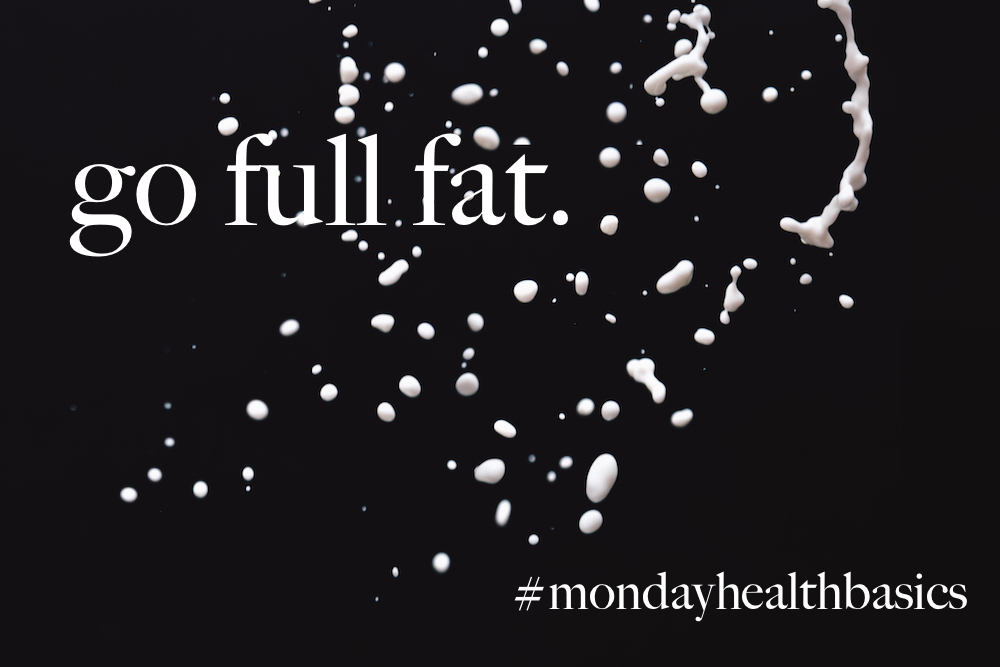
This week's post is meant to help make sense of the info swirling about in regards to fat. Don't be wary, my friend. Go full fat.
This week's post is meant to help make sense of the info swirling about in regards to fat. Don't be wary, my friend. Go full fat.

I have talked about fat quite a bit in this here blog series, the Monday Health Basics. So today will act part fat-roundup, part explanation on why you need to ditch the zero percent and go full fat.
Why They Went Low Fat
Many a year ago, the food industry took a bit of a left turn, based on evidence from a study led by Ancel Keys. This study, “the lipid hypothesis” (erroneously) found that saturated fat was at the root of heart disease. The trouble is, this study was never able to be replicated in laboratories, not even remotely. In fact, many studies since have refuted Keys' original claims, outlining that in fact saturated fats are protective to not only the heart, but also the liver.
There is an interesting article that recently came out about the role the Sugar Industry played in this whole scenario. NPR did a comprehensive round up of the information; I urge you to read this article. See, in helping to influence the national debate and persuade their nation's population to eat low fat in order to (again, erroneously) ensure health, the fat that was taken out of foods would have to be replaced by something else. Can you guess what this would be?
SUGAR.
Yes yes, sugar. Consumption of sugar after the 'low fat' craze first exploded went up a third per person than what was consumed prior to these claims surrounding low fat. (It's one of the main reasons I argue we should Just. Eat. Real. Food., in order to reduce additives and hidden sugars.) And too much sugar? It contributes to inflammation in the body.
As you can imagine, in the days following the 'low fat! 0%!' craze, sugar intake went up, fat intake went down. Funny though, average weight per person did not go down; in fact, quite the opposite. The rate of chronic diseases went up, occurrences of diseases with an inflammatory component went up and are still on the rise. (For a more comprehensive and lengthy look at the importance of including fat in your diet, please visit this article I posted previously, “eat good fats”. Further reading: it is no surprise that I am a big believer in butter. Yes please, eat butter. Put that s**t on everything. Need more convincing on the importance of including good fats in your diet? Let's talk anti-inflammation with EFAs.)
The main idea of why fat is important
Why then, do we need fats? The Coles Notes: for the fat-soluble vitamins found within, vitamins A, D, E and K. These vitamins are fat-soluble, which means we need them to be attached to fat in order to get them in to our bodies. (If you are interested in reading up on the importance of including these all important vitamins, head to this article for a comprehensive look.) And it is these important vitamins that we need in order to reduce inflammation in the body, and maintain cell wall integrity in the gut. These nutrients go miles in helping balance hormones, better supplying fuel to our brain and adrenals and ensure an even keel for your body. They are essential.
The fat component of these foods is also critical in again helping balance our blood sugars, which goes miles in keeping inflammation at bay. These fats supply the ingredients we need to make all of our hormones, support brain health, protect our hearts and livers, balance hormones and the list goes on.
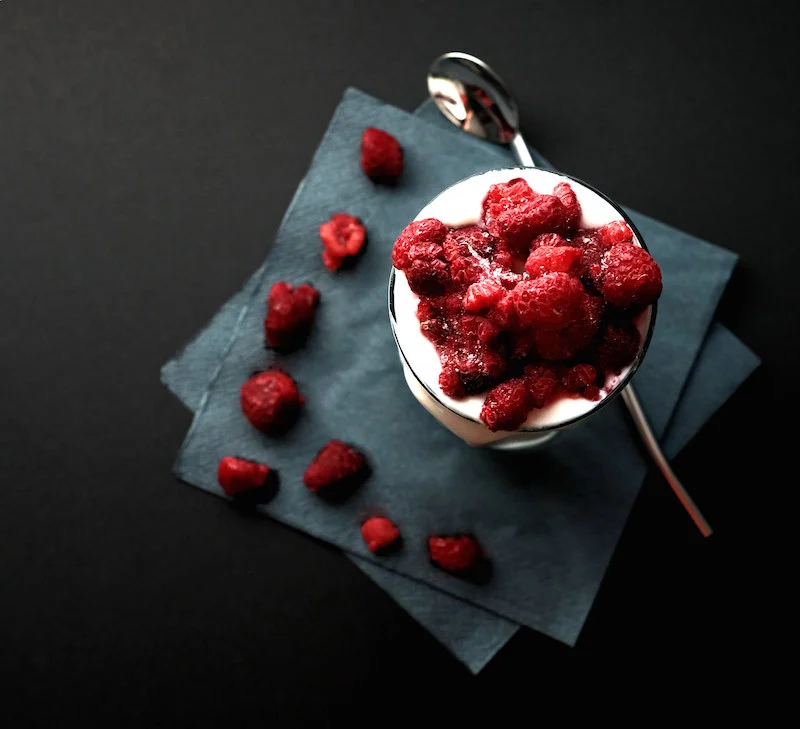
The goods
Let's get down to the nitty gritty. Most of the foods we are talking about in today's post are dairy products from the grocery store: think milk, yogurt, ice cream, sour cream, cottage cheese, cheese, cream, kefir, cream cheese, etc.
This rule though also applies to other commonly purchased ingredients: salad dressing, mayonnaise for starters. There are quite a few packaged items that are now coming out with 'low fat!' claims or '0 fat!' claims.
My recommendation to you is to ditch the low fat version and reach for the one on the shelf indicating a higher fat percentage.
Instead of the 1% cottage cheese, find the 5%! If skim or 1% milk is what your family drinks, aim to move up the fat percentage over time. Can you start with 2%, and go up to 3.25% over time?
Get rid of the 0% ice cream; they just rounded out the taste of the ice cream with more sugar. Yes, that's right: flavour, as we experience it, is locked in fat and sugar. Take one of those away, and you have to up the other!

Using 5% cream in your coffee in the mornings? Consider going a higher percentage. Whipping cream! Why not? You'll only need a little bit. I put whipping cream in my morning cuppa. In fact, I have a whole write up on how fat can be of service if you're a regular coffee drinker; find that article here.
Love that store bought greek yogurt, but now realizing it's 0%? Learn to make your own, using full fat yogurt. Head to this article for the how-to.
I know a few readers will think they're scott free seeing as their houses do not have any dairy in the fridge. I urge you to reconsider any packaged food items with 'low fat' claims; think mayonnaise jars with 'low fat' promises, 'fat free' salad dressings. The reason we add real fats to our salads? The reason we use real olive oil and delicious vinegars to our salads? Those fats ensure we are better able to absorb the minerals found in the vegetables of said salad. Head over to this article to get the lowdown on how to make your own salad dressing – a surefire way to up that nutritional ante and support optimal health.
Want to learn to make your own mayo at home, without the rancid oils found in the jars at the store? I will point you to this easy recipe.
If you are someone who regularly consumes more egg whites and less yolks because of the fat content, I urge you to reconsider. Eat the whole egg, yolk and all. In addition to the good fats found in the yolks, you may be interested to know of the vitamin content of the yolks. Read up on eggs at this article I wrote a few months back.

And so my kitten, repeat after me.
Ditch the skim. Go Full Fat.
Now go play with your food.
MONDAY BASICS: meal planning tips.
My wee idea for this week is one that I have been trying to work on for myself, in the hopes of adding a bit of predictability to my days. I don't know about you, but sometimes the days get away from me. It's all I can do sometimes to come up with something for all of us to eat dinner together. I'm talking meal planning tips this week on the blog. I hope you get a few tricks to help you along your food journey, friend.
My wee idea for this week is one that I have been trying to work on for myself, in the hopes of adding a bit of predictability to my days. I don't know about you, but sometimes the days get away from me. It's all I can do sometimes to come up with something for all of us to eat dinner together. I'm talking meal planning tips this week on the blog. I hope you get a few tricks to help you along your food journey, friend.

With the fall season here and as most of my family is involved in school things, at our house September really is the beginning of the year. It's also the time where you take on new tasks, or rev up the schedule. Littles start their new activities. Parents have to figure out schedules of who will drive whom where on what days, all in the name of sanity and getting it done. Having to prepare dinner after a busy day? And it's supposed to tick all of those boxes like healthy, from scratch, homemade, and something each one at the table will like?

I don't know about you, but with two working parents in our house with time constraints and lots of driving, it can be overwhelming to come up with an idea for dinner every day. I remember reading about meal planning a few years ago; I scoffed at the idea of yet another thing to add to my to-do list. Don't I do enough already? Having worked at this skill diligently for the better part of this calendar year, I must admit that it really is a time saver, ensuring I save my sanity in the same beat. I'm also convinced it has saved us quite a bit of money in the long run. If you haven't tried it yet, I urge you to reconsider.
I took a break during the summer season from planning our meals over at our house. My gang were away for a long stretch of time, lazing about on a beach. I could cook in the moment, and only had myself to think of when it came to combining ingredients and making something taste delicious. When the time came to get back into the swing of things this fall, I thought to myself 'I got it going on. I know quick meals, I can whip something up easily no problem!”.
That first week back? We went out for dinner twice. Twice. And it was only a four day work week. Whoops.
Don't get me wrong: I love going out. In fact, it's one of my favourite things. I love supporting new restaurants, finding new flavours and experiencing our fabulous local culinary scene. But in the interest of paying off the mortgage in good time and eating up what's in the fridge in order to not waste the goods found within, this just wasn't a pace we would be able to keep.
Enter: the white board in the kitchen.
(Find all of my white boards by searching “#thisweekseats” on Instagram)
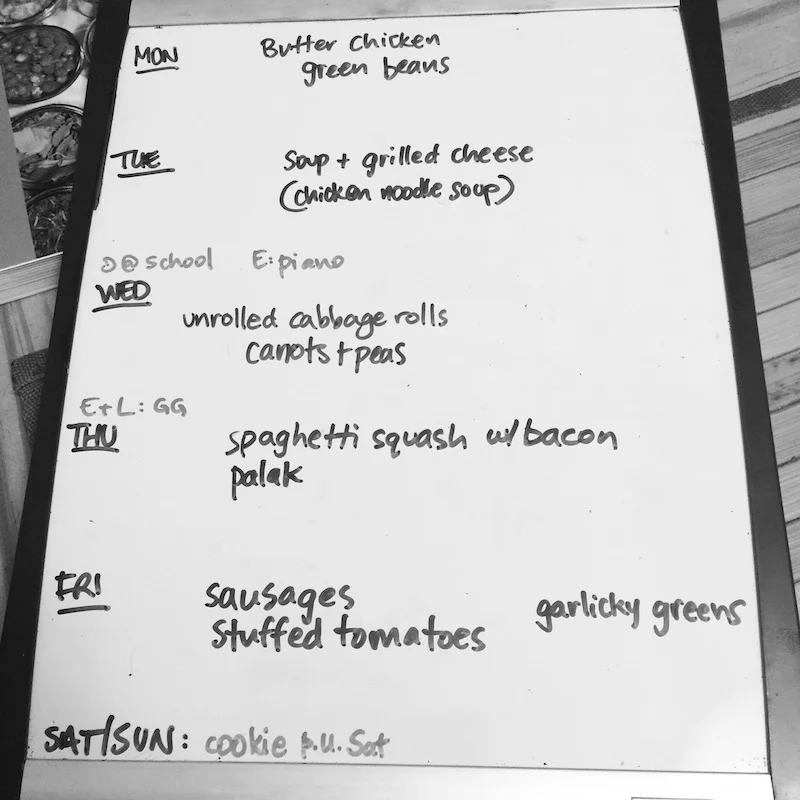
I use this white board so I can erase week to week. It works for me; I am quite utilitarian and frugal. If you would like something more fancy or celebratory, might I suggest you download a meal planning template for free from this site? There are myriad to choose from online, dig until you find the one you like.
Why might meal planning work for you?
I find it takes the guesswork out of every week night. The meal has been pre-determined; this means I don't have to hum and haw at the fridge and/or pantry for 30 minutes trying to dream up something to make. I especially love this because come on, who's with me: those times when you're staring at your food supply and convincing yourself you have nothing on hand? You're hangry and irritable, aren't you. (I sure am.) But having the dinner written out and pre-decided takes the guesswork out of the equation, takes the pressure off, and saves you that scrounging-in-the-pantry time. You've already won the battle and you've hardly started. GOOD WORK.
I love this idea of meal planning too, as it has seriously cut down on the amount of times I have to run to the grocery store during the week; this affords me extra time every day! Not to mention we save on gas, and the environment wins a piece of the pie here too. Planning the week's dinners on Sunday morning means I plan to do a grocery shop that day, and maybe a mid-week stop at the grocery store next to the clinic for some mid-week purchases. And that should be it. (Au contraire, when I don't plan meals; darting out to the grocery store for ingredients every night or two really adds to the stress of making dinner.)
When I'm sitting down to draw up the week's dinners, I usually stick to a list of things we either have in the fridge or garden and need to use up, or I try to utilize a special ingredient over the course of a week. If I'm roasting a butternut squash for a side at dinner one night, you can bet your bottom dollar there'll be a roasted acorn squash soup later that week: roasting the two squashes in the oven together at the same time means I have cut my prep time for dinner that second night in half. That will be handy on a particularly busy night.
I really do love food, so fridge space is at a premium in my house. I need to plan to use things up in a timely fashion; meal planning allows me to mindfully figure out how to move those ingredients into meals and into bellies in order to clear up space for my next batch of ferments or condiments that will need a spot in the fridge. (It's all about the condiments at my house.)

Meal Planning Tips:
Set aside a 20 minute window of time every week where you will sit down to hammer out the list of dinners for the week ahead.
Keep. It. Simple. (Read up on the idea of J.E.R.F.)
Use what you have on hand.
Think of adding in your family's activities to the meal plan write up: this will help you figure out if it's the kind of night where you need something on the table in 20 minutes, or if you have time to throw a roast chicken in oven in the afternoon before 3 o'clock pick up.
Make your grocery list once your meals are decided, and get only what you'll need.
When starting out, spend thirty minutes as a family brainstorming on everyone's favourite meals, and write these down on a sheet of paper. Refer back to this list often when planning. Add your new favourites along the way.
If you don't know where to start, then may I recommend you assign a different theme to every night? For example, Mondays might be good soup and sandwich days. Tuesdays might be International Foods night, where you make different flavours from around the world. Wednesdays might be ye olde Egg Night (because that's when you have to be in four places at once, driving to and fro.) Fridays might be the forever-pizza-and-movie-night. You'll figure out what your family likes once you draw up that list of meals that are surefire hits. Other themes: protein and simple veg; salad night; soup and salad; mexican food; fish night; BBQ night; vegetarian night; full on roast dinner family style; pasta night; assemble-your-own night; bowls; etc.
Rotate the schedule! You don't have to re-invent the wheel every week. Find meals that work with your schedule and with your family's tastebuds, and rotate every two, three or four weeks. Whatever works. Repetition is a-ok, especially for those who have littles. Repetition brings them a sense of safety and comfort.
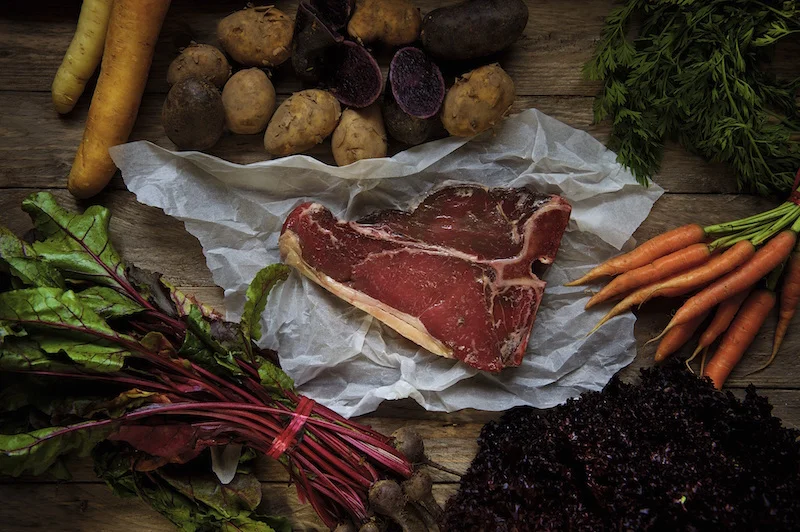
My favourite jumping off points to inspire the week's meals:
ingredients that need to be used up (feta cheese about to expire? Make greek salad. Cabbage starting to get wilty? Unrolled cabbage rolls are on your horizon. A bag of apple slices uneaten from the kids' lunches is starting to rip at the seams in the freezer? Apple cottage cheese pancakes might be a hit. A glut of eggs from your farmshare? Make quiche. And so on, and so forth.)
new ingredient in your CSA box: look up some recipes online for interesting ways to use them up.
Make a big batch of something basic on a day where time is on your side; think along the lines of a big batch of fairly-plain navy beans. Make at least double what you'll need; plan to use this ingredient in another recipe later on in the week. Navy bean hummus? Yes please! Cassoulet? Mais oui oui j'aimerais bien!
Take a cookbook out of the library to get inspired, and make all or just a few of the week's meals from this new inspiration. Favourites I go back to: anything by Jamie Oliver; anything Paleo; anything with the words 'Traditional' or 'Real Food'.
You could also take a cookbook out on a certain style of cuisine, like 'Easy Vietnamese' or something along this vein. You will be adding some new flavours, and keeping it interesting for yourself when it comes to meal prep.
Your freezer starting to talk back when you go diving to see what is found within? Start using the ingredients or meals you have in there. Found a big bag of shredded zucchini and a bag from last year's Halloween pumpkin you decided to freeze in freezer bags? They make a great base for a fabulous chili.
Anything in your pantry that has been around too long? Figure out a way to work it into a meal this week. Onions are sprouting? French onion soup might be tasty. A box of felafel mix been there for more than 6 months? You should use it. A jar of pickled hot peppers your Mother in Law brought back for you on her last trip to the States? Make some nachos this week. (We did. They were delicious.)
Your garden's current crop or that of your neighbour's might also inspire meals for the week ahead. Tomato harvest time with frost in the forecast? Sweet Basil Roasted Tomato Sauce from Rebar is a great way to extend the harvest flavours; if you cook all of the tomatoes up, you might have enough for a second dinner a few weeks later down the road. Freeze the extras. Carrots coming out your ears? Ginger carrot soup is one of my favourite fall flavours.
Find something on super sale when you were out getting groceries? Make that a focal point for a meal during the week. Lots of basil on sale? Make a triple batch of pesto, use up for one meal and freeze the remainder in an ice cube tray to then drop in freezer bags. This will make for easy flavour enhancers to be used in meals down the road.
Don't be afraid to use your slow cooker!
Double up on recipes, and store extras in the freezer. Your future self will be thanking your forward-thinking younger self.
Alternately, you can double up on recipes at dinner and freeze into single-portion sizes. This will make for easy homemade lunches you can take to work or send with your kiddos to school. (Soup is my fave this way!)