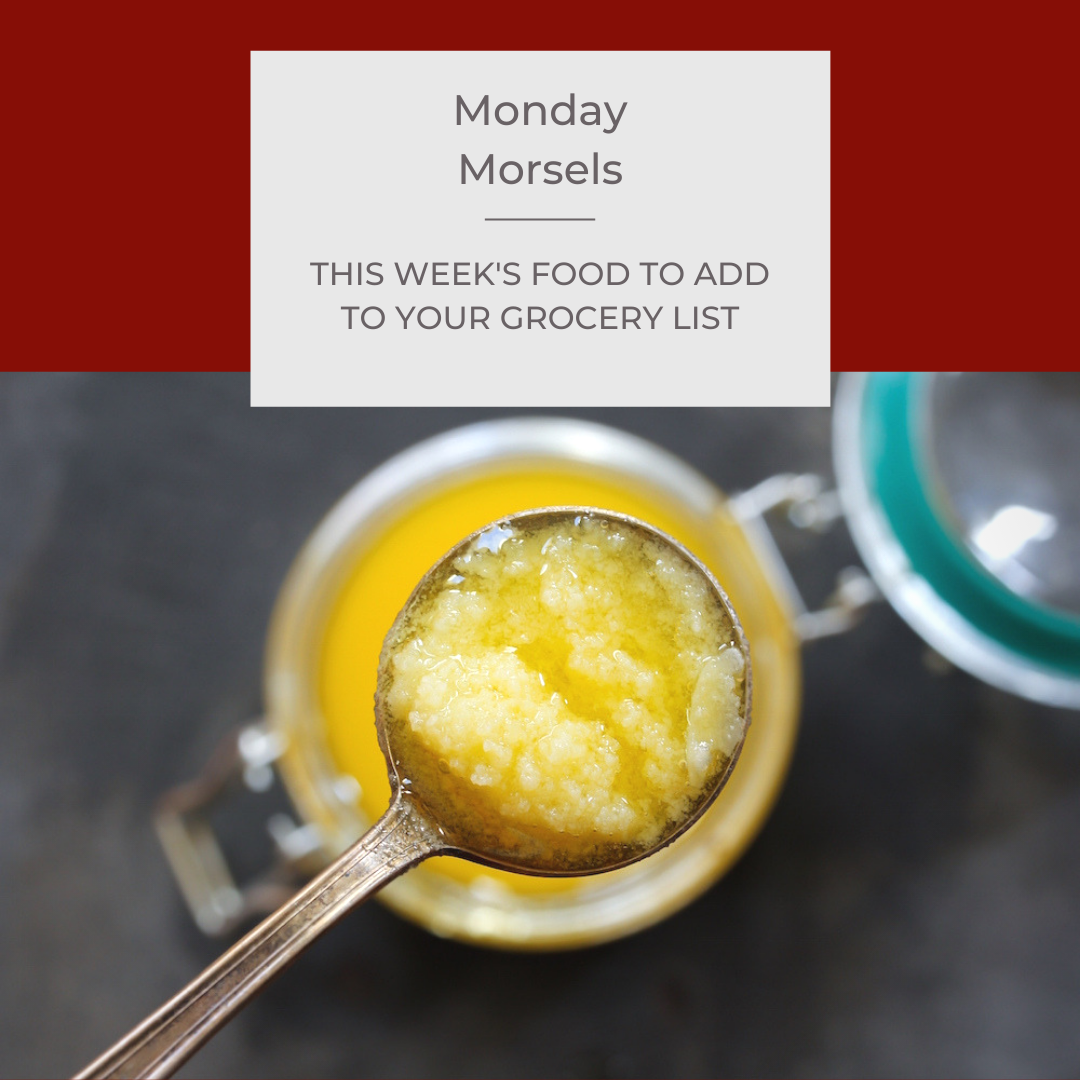
Monday Morsels: Burden of Stress support #3
It’s #mondaymorsels day, a brief post about a food you’ll want to add to your grocery list. This food, as always, will be related to the main topic of the month! This month, we’re talking ways Nutrition can support a high personal burden of stress.
Click on the image to get the full exploration of today’s find!
Mondays, we build your grocery list with one food, focusing on this month’s main topic.
For the month of May, we zero in on those best foods to help support a reduction in your own personal burden of stress. Today, let’s talk…
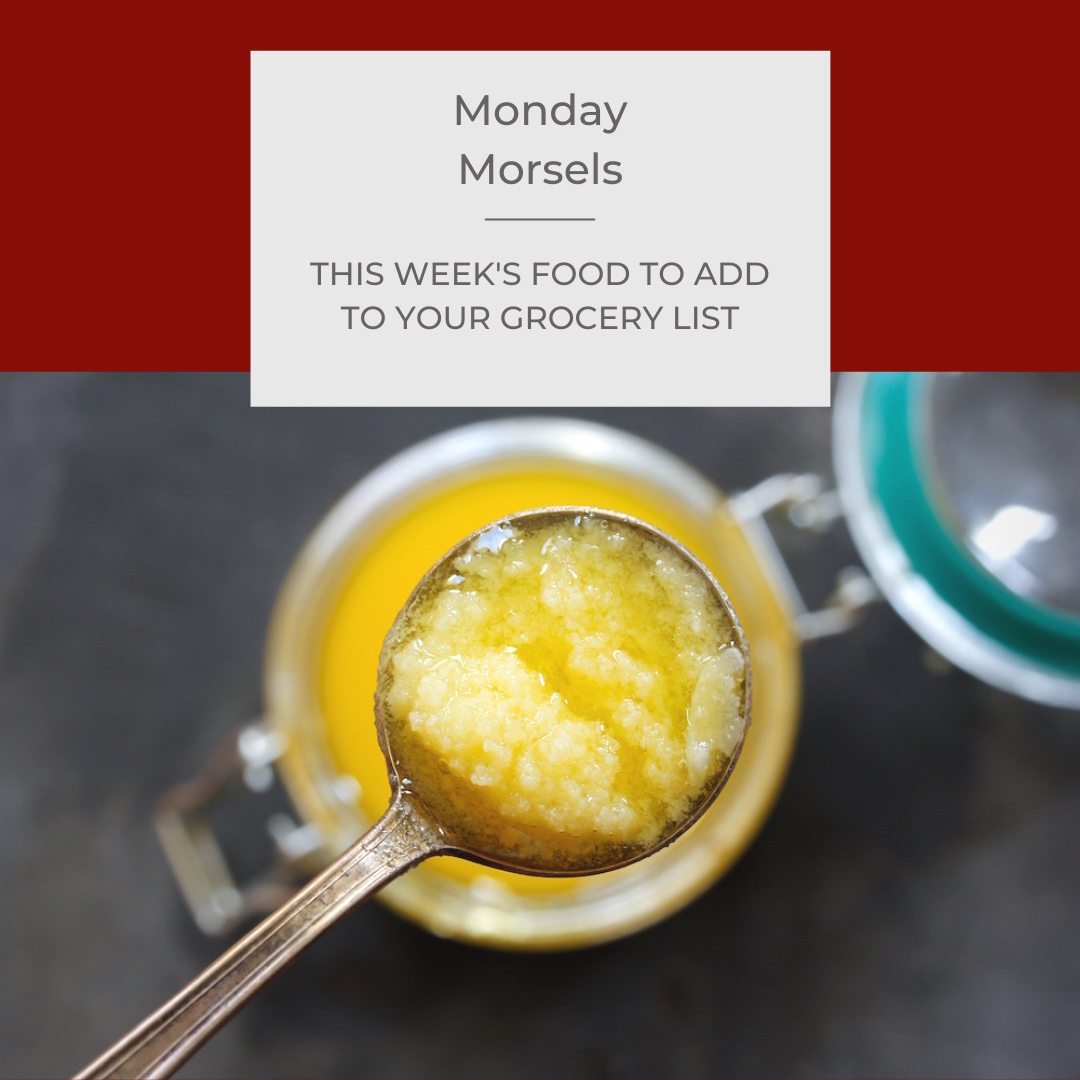
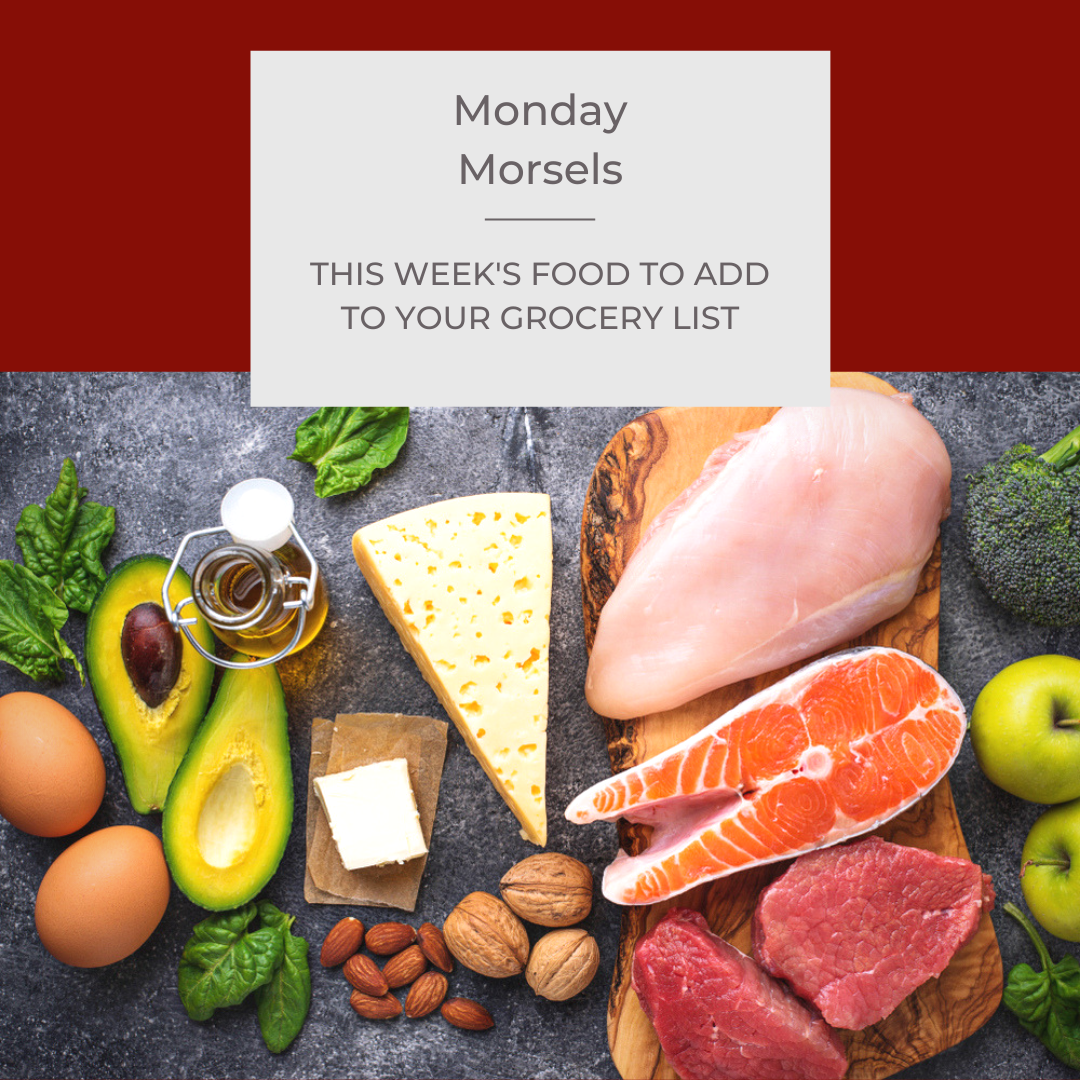
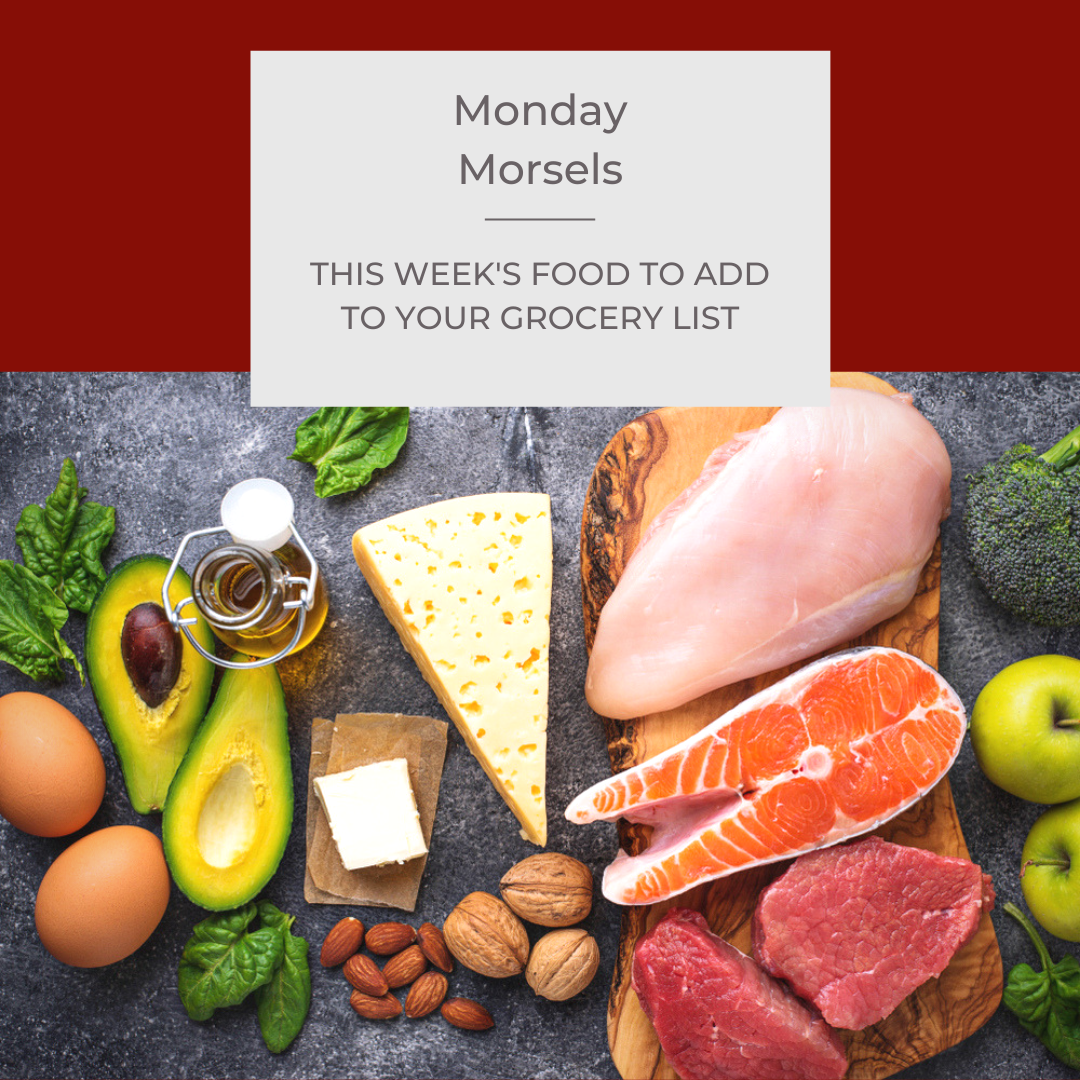
ANIMAL FATS.
For those who wish to know the ‘why’ behind this idea, I’ll give you three things to think about.
BECAUSE ANTI-INFLAMMATORY
Much like last week’s post, if you understand that a personal high burden of stress is really code for chronic inflammation, then it will make sense that in order to lower your own personal burden of stress, you need to look at reducing your body’s own inflammation going on.
Animal fats are brilliant allies in providing useable forms of fat soluble vitamins that help reduce that inflammation in the body. Vitamin A in animal form is known as retinol. Vitamin A is a key nutrient in immunity (1), working essentially as an immune enhancer. Heyo— inflammation is a response mounted by the immune system. Nourishing it is key to help meet the inflammation, and as you’ll note below, key nutrient too in helping reduce the root piece of inflammation. Vitamin D3 inhibits inflammation (2), and is found in lard and animal meats (including organ meats), butter and duck fat. (3) Vitamin E is a brilliant antioxidant that helps do the clean up from inflammation. And Vitamin K2, the animal version, is found in good amounts in animal fats like butter + ghee, and helps get calcium where it needs to be as opposed to in our blood vessels, contributing to things like atherosclerosis and increased risk of heart disease. (4) It’s also a great ally in reducing your cancer risk. (5)
If you understand that at the root of inflammation is damaged tissue at the gut lining, then this next section will make sense…
BECAUSE GUT LOVE
Yes, honey pie! The gut is ground zero for inflammation! Ergo, anything you do to love up your guts will inherently reduce your inflammation. And this, my honey pies, is how you reduce your own internal burden of stress.
Why animal fats? Well here, specifically, it is looking to the butter and ghee for the vitamin A in animal form, retinol. This vitamin is a crucial piece of maintaining a healthy gut lining, targetting deep nourishment for your mucosal lining. (6) When you work hard at tightening the junctions between the intestinal cells and nourishing that mucosal lining, so now you reduce inflammation at ground zero: in the gut. Reducing this here, now takes the pressure off of your whole system, and goes miles towards reducing your personal burden of stress.
BECAUSE ANCESTRAL WISDOM
Again. Listen. This is how the people who came before you ate. They feasted and used all parts of every animal they had to slaughter. Nothing was left to waste, every piece of the animal had a function. In some cultures, animal fats served as the fuel for their source of light in the darker months, and turned into soaps in other cultures. Animal fats were revered as a traditional source of deep fuel in so many different cultures. If you think of this, and realize that your own genetics evolved with this way of eating, then it only makes sense to know that you too would do well to include these fats in your diet.
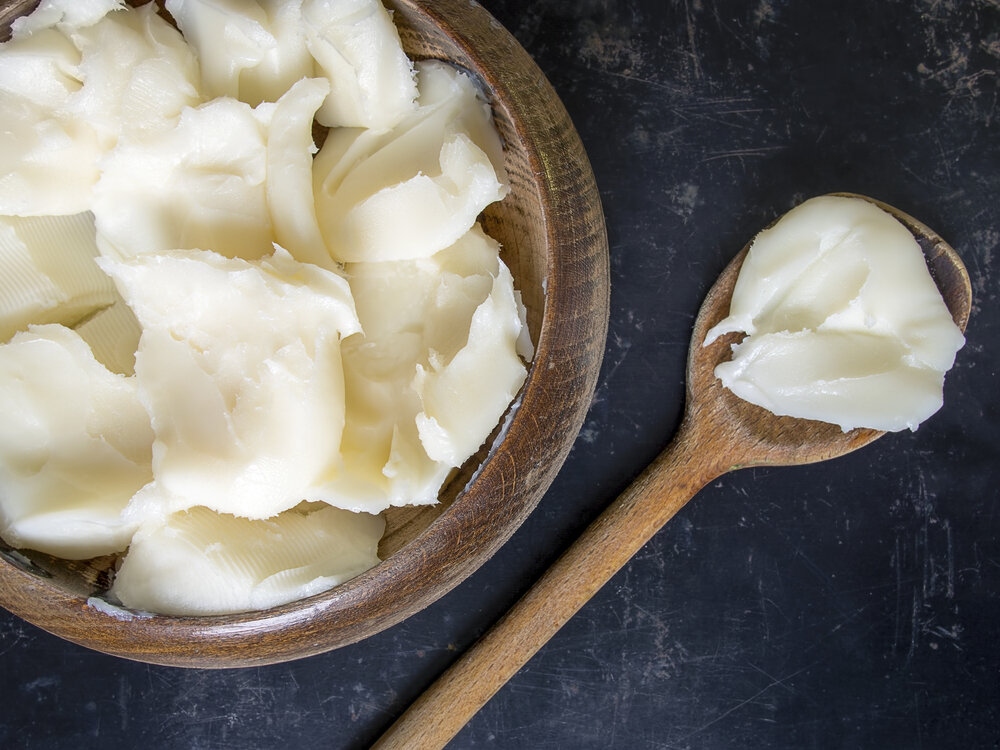
Lard!
Want to learn how to render your own lard? Check this post out by Nourished Kitchen.
Think you can’t handle butter because of the dairy content? Try ghee instead. It’s the butter fat (great source of vitamin A) without having any casein or lactose.
Want to get to know butter a bit more? Check this post out.
Worried about the saturated fats? Have you not heard about the myth busting on this one yet? Check this post out.
Aiming to Keep Well? Got a high burden of stress? Want to start taming that inflammation dragon? Need some help in feeling real good?
Get in touch by clicking here. Let’s meet up to start drawing up your road map to support you in both quantity and quality of life.
*This is not medical advice.
Monday Morsels: Burden of Stress support #2
It’s #mondaymorsels day, a brief post about a food you’ll want to add to your grocery list. This food, as always, will be related to the main topic of the month! This month, we’re talking ways Nutrition can support a high personal burden of stress.
Click on the image to get the full exploration of today’s find!
Mondays, we build your grocery list with one food, focusing on this month’s main topic.
For the month of May, we zero in on those best foods to help support a reduction in your own personal burden of stress. Today, let’s talk…
MEAT STOCK.
Not the kind you find in a tetra pack, unfortunately. The kind you make on your own, at home, using animal bones / meat / connective tissue rich offerings.
For those who wish to know the ‘why’ behind this idea, I’ll give you three things to think about.
BECAUSE ANTI-INFLAMMATORY
If you understand that a personal high burden of stress is really code for chronic inflammation, then it will make sense that in order to lower your own personal burden of stress, you need to look at reducing your body’s own inflammation going on. Meat Stock is loaded with minerals that serve the job of reducing inflammation, and deeply nourishing those organs that work harder when there is chronic inflammation on the go.
Meat Stock is also loaded with important amino acids (smallest building blocks of protein) that are noted for having anti-inflammatory effects on the body. Take glycine for example. This amino acid has shown to be a brilliant anti inflammatory nutrient, helping to protect cells against the damaging effects of toxins and inflammation. (1) Glycine has also been shown to help speed up the repair to injured tissues, like that found in the Achilles tendon. (2) Glycine is also a brilliant supporter in improving detoxification on the body, helping in the production of glutathione, your master cleaner-upper antioxidant you actually make. (3)
If you understand that at the root of inflammation is damaged tissue at the gut lining, then this next section will make sense…
BECAUSE GUT LOVE
Yes, honey pie! The gut is ground zero for inflammation! Ergo, anything you do to love up your guts will inherently reduce your inflammation. And this, my honey pies, is how you reduce your own internal burden of stress.
Why meat stock, specifically for gut love? Because it provides some important nutrients like collagen, proline, arginine and glutamine that are allies in helping join the junctions between the cells at your intestinal lining. (Code for: intestinal permeability / leaky gut). (4)
Don’t forget that when we’re talking digestion, it’s not just helping the intestinal lining though. We need to talk improving digestion too, in order to support what comes later in the tract. Meat Stock? Why it’s a stellar support to improving digestion via proline + glutamine. (5)
BECAUSE ANCESTRAL WISDOM
I love that we need to look to science to go back to what our ancestors and those who came before us have always done: Eat. Real. Food. See, in the olden days, you used each and every part of the animal, honouring it from tip to tail. That’s just what you did; part of that was due to not having a steady stream of food like we have in our current day and age, but part of it was to put to good use all those little bits. If your ancestors grew, evolved and lived through the ages with a steady stream of collagen-rich meat stocks and bone broths, there is good value in continuing on with the wisdom they passed on through generations. Your genetics require similar things as that of those who came before you.
Plan to pick up som connective rich tissues like marrow, gizzards, chicken backs/necks, feet, meaty joints, beaks, or heck even organ meats. Your Ancestors would be proud.
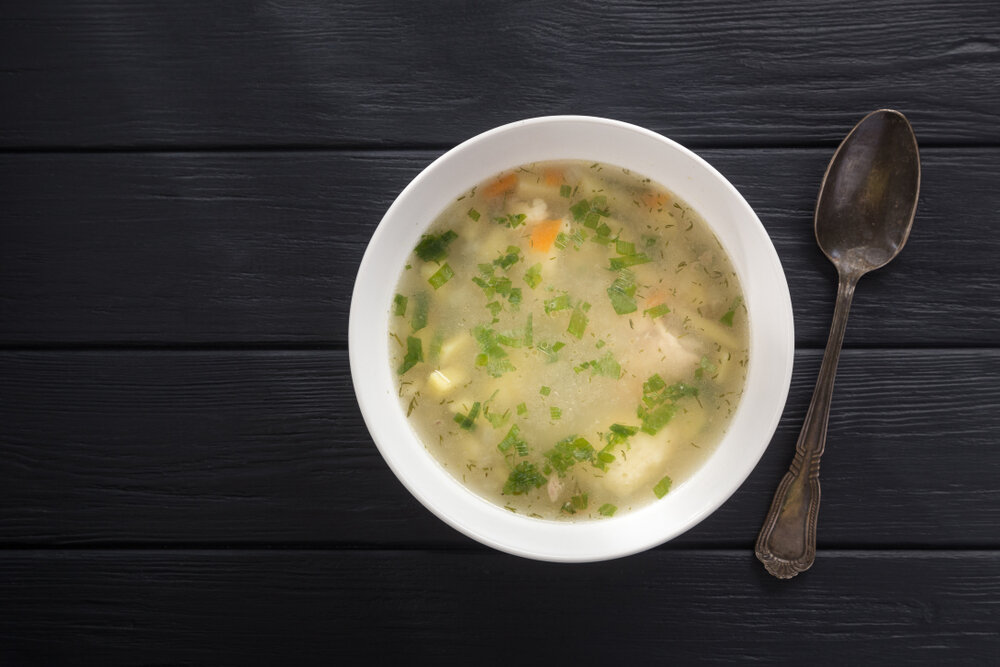
Bring in the meat stock, and make soup out of it!
Want a simple recipe to get you started on the Meat Stock?
Sign up for my newsletter here.
Wondering if the same can be said of Bone Broth? Or maybe wondering if Meat Stock and Bone Broth are the same? Then visit this post, and check the first video out. (We answer the question on histamine here too, should you be, like me, one of those people that react to bone broth or high histamine foods.)
Need a video to lead you through making your own batch? Check this second video out.
EVEN BETTER - want to join a 4-week program to lead you through making a batch of meat stock a week, and then building in ways to utilize it in meals for the coming weeks? I have one such program for sale HERE that I call Meat Stock as Medicine. (Need a low histamine version? Then you can access that one here.)
Aiming to Keep Well? Got a high burden of stress? Want to start taming that inflammation dragon? Need some help in feeling real good?
Get in touch by clicking here. Let’s meet up to start drawing up your road map to support you in both quantity and quality of life.
*This is not medical advice.
Monday Morsels: Burden of Stress support #1
It’s #mondaymorsels day, a brief post about a food you’ll want to add to your grocery list. This food, as always, will be related to the main topic of the month! This month, we’re talking ways Nutrition can support a high personal burden of stress.
Click on the image to get the full exploration of today’s find!
Mondays, we build your grocery list with one food, focusing on this month’s main topic.
New month, new topic! We’ll be zeroing in on all good foods to help reduce your own high personal burden of stress. Item #1 may come to some as a surprise…
FOCUS ON THE REAL FOODS.
For those who wish to know the ‘why’ behind this idea, I’ll give you three things to think about.
BECAUSE ANCESTRAL WISDOM
Real food is what nourished your ancestors, and their genetics. It is what fuelled their growth + development, fuelled how they moved through this world. It’s how our cells know to function, how our agricultural systems know to work, how Ma Nature works. With us as a part of it, a recipient of it, and a receiver of the food gifts. Until the last 100 years, it has always been about the slow food. Although then it was only called food.
So listen. I want to make it clear: I want to take labels off. I want to encourage you to eat real food. Just real food. The more you can reach for that, the better it’ll be for your digestion, for your liver health, for your metabolism, and for the world. The only people who’ll miss out are those who profit off of making the highly flavour and texture prized pre-made foods.
BECAUSE LESS PACKAGED (if none, or almost none)
When you start incorporating more real foods into your day, you stop relying on packaged foods. It is the content of those packaged foods that can be massive contributors to leakiness at the gut, to fanning the flames of inflammation. Of disrupting your microbiome. Of disrupting your inner ecosystem. Read up on more here, should you wish to dive deeper. And this work, honey pies, is the work of supporting vitality + resiliency. It is the work of reducing your own personal internal burden of stress.
BECAUSE VARIETY
One of the key components that was a feature of the Ancestral ways of eating is that they ate a diverse amount of foods, switching it up every season. Not like they consciously did this, but that that was the way to move through the world. Featuring different foods in their meals at different times of the year was just what you did, you had to base your meals on what was available locally at that time of year.
For those who need the science, the ‘science’ is now validating this fact: that bringing diversity into your diet is one of the best ways of ensuring a variety of nutrients, vitamins and essential minerals. That bringing in diversity is one of the ways to support your microbiome and encourage diversity in gut flora. So switch it up every season, buttercup.
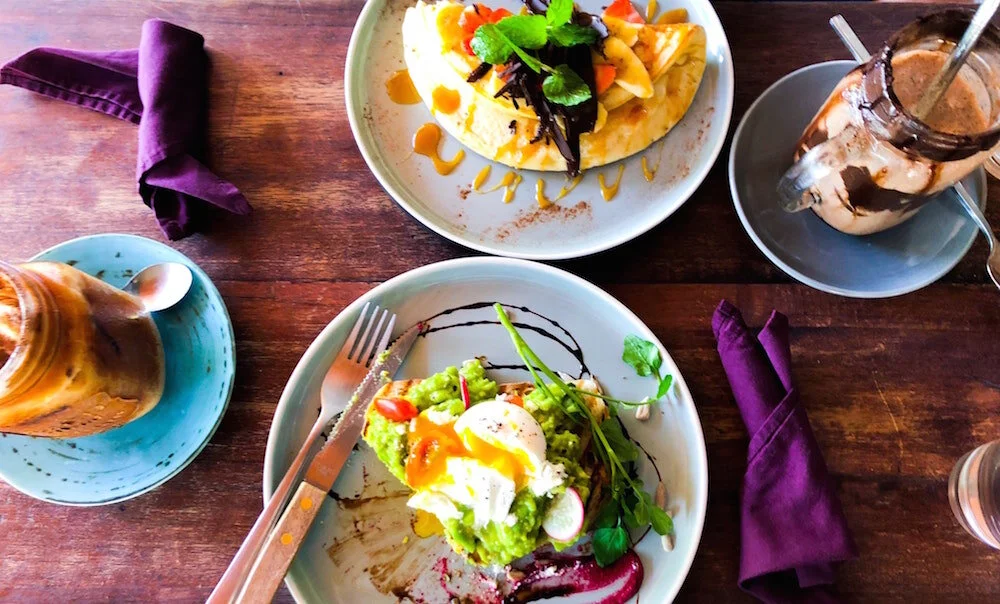
Real food. For every meal.
Need some help getting the real food thang started?
I have a few things for you.
Check out these mini recipe cookbooks I have pulled together with original recipes. Pick an organ you want to support. If you don’t know where to start, I’ll tell you that Spring is the season of the Liver.
Check out this self-directed on demand 10-class-series I did with my kiddo. We call it the Scratch Cooking Fundamentals, and it’ll help you make the real food version of some of your favourites. LOVE this series. (I pay her every time one of these programs sells, by the by.)
I’m leading a Saturday morning class on May 15th on how to do the Ancestral prep wisdom for nuts / beans / seeds / grains + legumes. If you are a frequent consumer of these plant based morsels, consider joining us for this one! Link here for info + registration.
We are just about to wrap up the Spring season in Eating With the Seasons, but I assure you we have one more season left. Want to think of Ancestral Ways of connecting with the season, and those foods that will best support you as the heat waves come ‘round? Check this out, and get your name on the waitlist.
Aiming to Keep Well? Got a high burden of stress? Want to start taming that inflammation dragon? Need some help in feeling real good?
Get in touch by clicking here. Let’s meet up to start drawing up your road map to support you in both quantity and quality of life.
*This is not medical advice.
Monday Morsels: Liver Support #4
It’s #mondaymorsels day, a brief post about a food you’ll want to add to your grocery list. This food, as always, will be related to the main topic of the month! This month, we’re talking Liver Lovin.
Click on the image to get the full exploration of today’s find!
Mondays, we build your grocery list with one food, focusing on this month’s main topic.
Today’s food could certainly be found at select grocery stores, but may call on your inner forager to show up for duty.
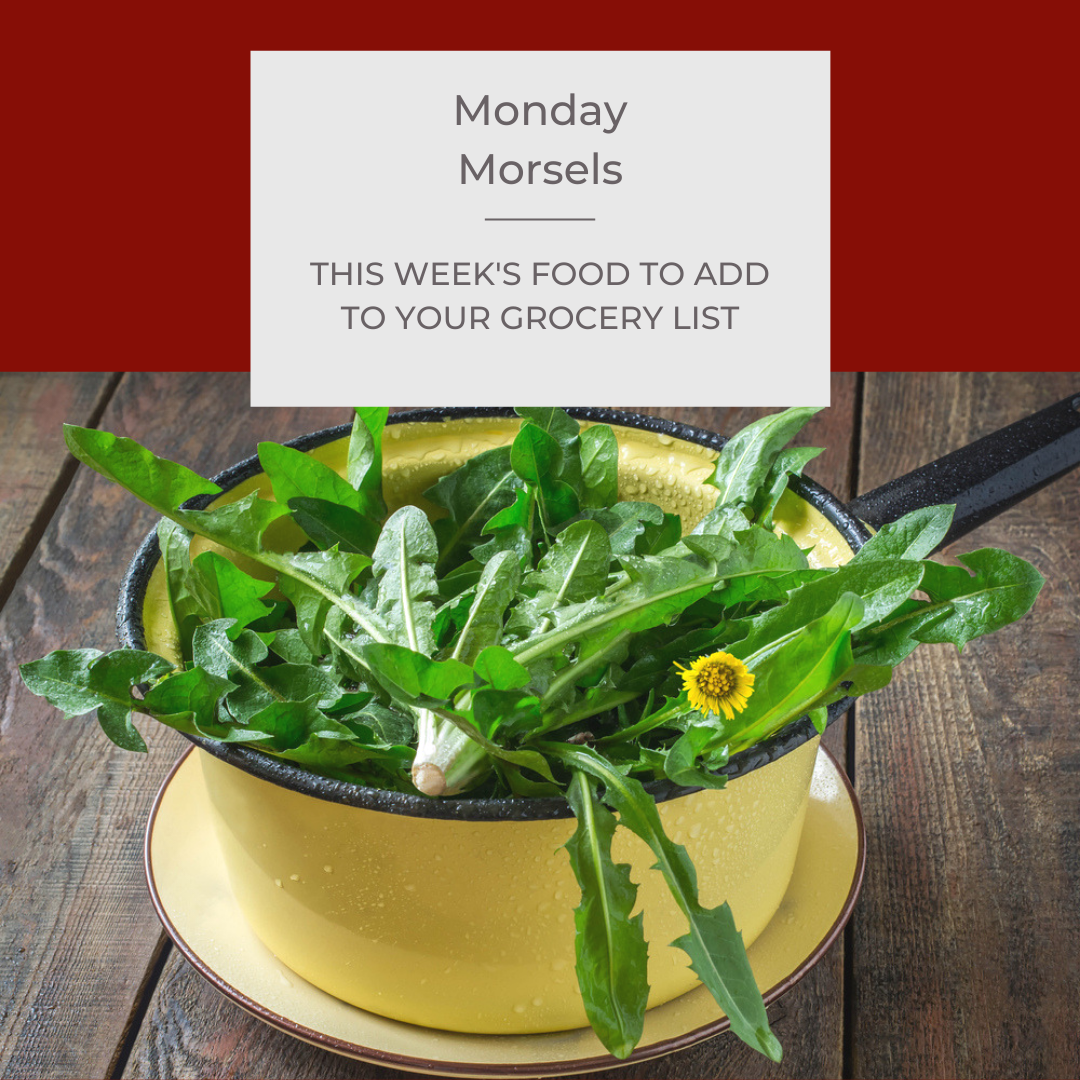
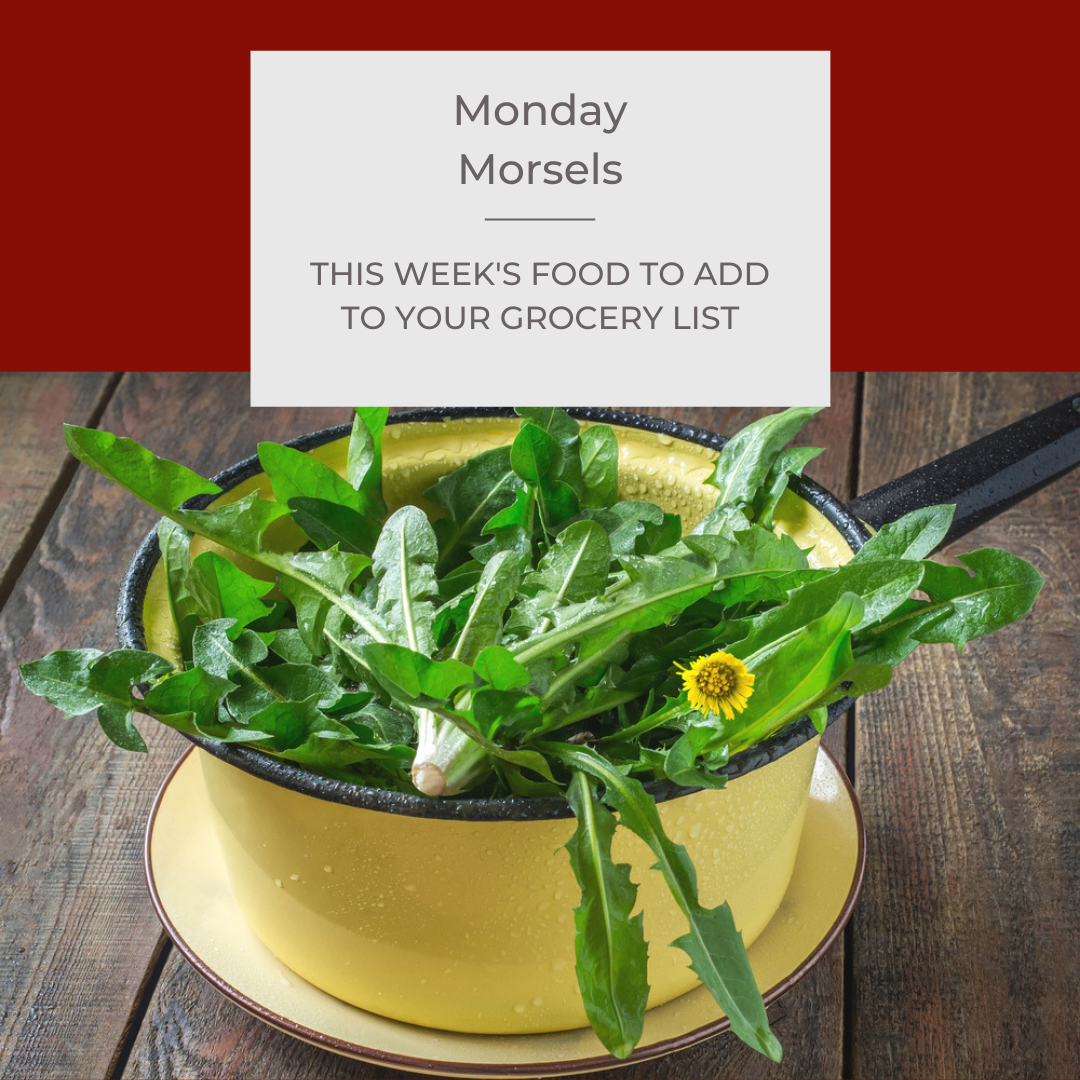
DANDELION GREENS.
For those who wish to know the ‘why’ behind this idea, I’ll give you three things to think about.
FOR THE VITAMINS + MINERALS
Dandelion greens offer some good plant based vitamins like beta-carotene, vitamins C and K1. They have a small amount of most of the B vitamins, and some of those crucial minerals like zinc, magnesium, phosphorus and copper too. These all play the role of antioxidants here. I like to think of antioxidants as the clean up crew to help undo the damaging effects of low grade inflammation (or a high internal burden of stress on the body). Know which organ feels some of this the most keenly?
The liver. Ergo, nourishing your body with foods from the plant world like say, dandelion greens, you’re providing your body and your liver with those nutrients to help protect against the damaging effects of chronic inflammation. That’s code for a high burden of stress there, honey, and it’s what’s at the root of all those chronic diseases.
FOR THE BITTER FLAVOUR
Historically, bitter foods have been consumed to help support sluggish digestion. Bitter flavours induce the liver to produce bile, which is your body’s way of bagging up the garbage and taking the garbage to the curb. In certain foods, the compound responsible for this bitter flavour is called glucosinolate - a compound that in studies, shows helps your liver move spent metabolic waste and toxins out more effectively. (1)
Coincidentally, those early foods that are the first to show up in spring - think sorrel, dandelions, chives, early growers like spinach and radishes - they’re all bitter in flavour. Waking up digestion is one of those tasks of early spring!
FOR THE CHOLINE
Last week, we dove in to the role choline can play when it comes to the liver, when reaching for egg yolks. (Read the post here.) Choline helps move fat out of the liver, and assists in making bile. That’s your liver’s way of sending the recycling out. Know what has choline in it too? Why, dandelion greens!
Of course they do.

Dandelion. They’re not just for kid bouquets no more!
Dandelion greens are soon to be here (if not already!), so consider this an invitation to get your bitter on.
Find some dandelion greens at your favourite grocery store or farmers’ market. Here in Calgary, I’ve seen them on the shelves at most health food stores for sure.
If you have some dandelions on the land where you live, and you know there is no danger of pesticides (from you or your neighbour or from chemicals on the road), you may wish to start foraging these greens for yourself. Make sure you’re identifying correctly! They’re the same plant than what you’d find at the grocery store, although in much smaller size. They carry the same punch as the cultivated kind you get at the store, if not more nutrients in fact.
HOW TO HAVE THESE: toss a few leaves in your next salad / toss a big handful in your next batch of pesto or chimichurri / toss some in last minute to a stir fry / saute simply in butter with garlic / mince into your next fish cake, burgers or meat balls / dry some and crumble to have on hand for easy add ins to eggs, soups and sauces. Essentially, use these as you would spinach greens or baby kale.
Aiming for a return to overall vitality? Looking to love up your liver, balance blood sugars or hormones, or reduce that chronic inflammation? Got a high burden of stress? Need some help in feeling real good?
Get in touch by clicking here. Let’s meet up to start drawing up your road map to support you in both quantity and quality of life.
*This is not medical advice.
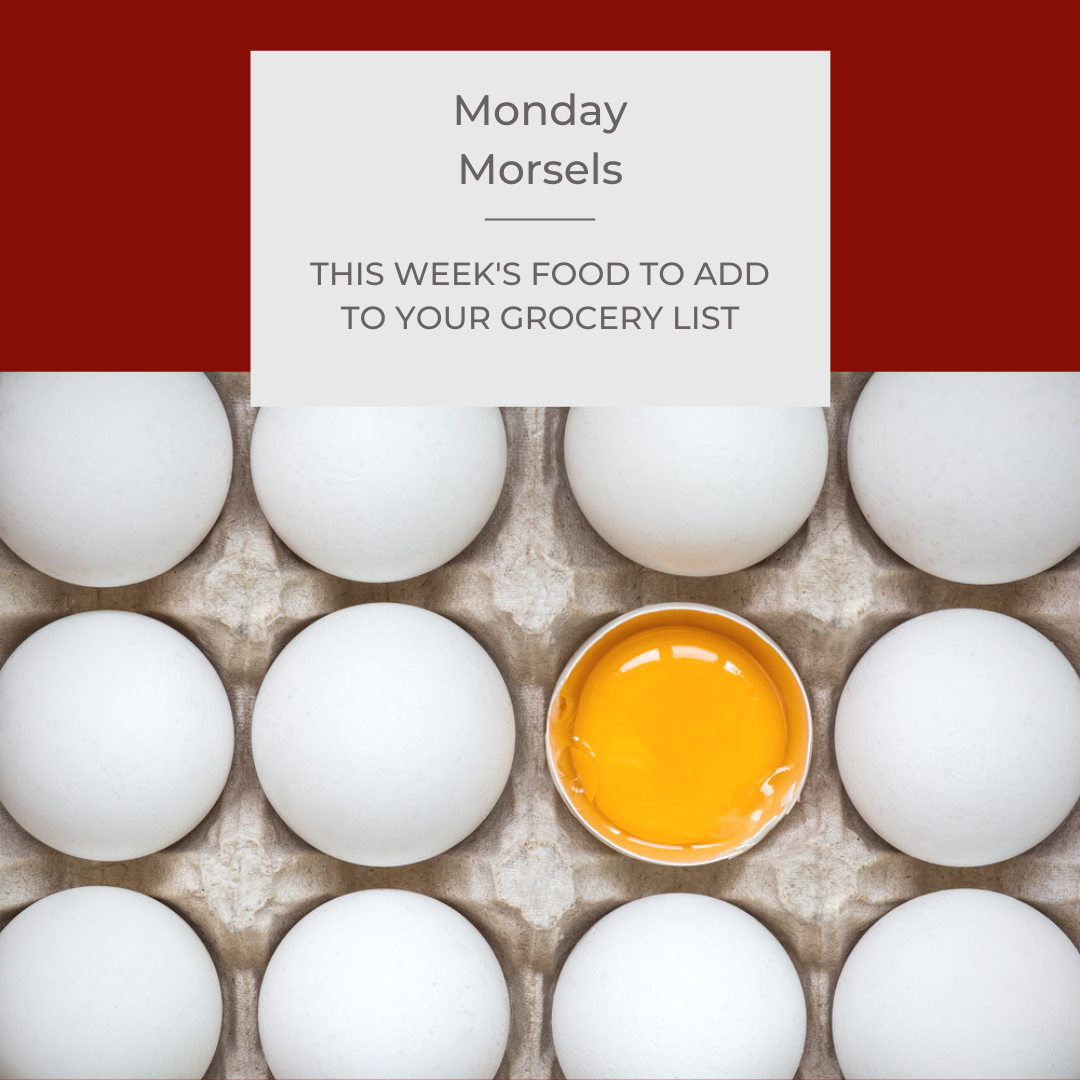
Monday Morsels: Liver Support #3
It’s #mondaymorsels day, a brief post about a food you’ll want to add to your grocery list. This food, as always, will be related to the main topic of the month! This month, we’re talking Liver Lovin.
Click on the image to get the full exploration of today’s find!
Mondays, we build your grocery list with one food, focusing on this month’s main topic.
April is all about the liver lovin. On your next grocery trip, plan to pick up:
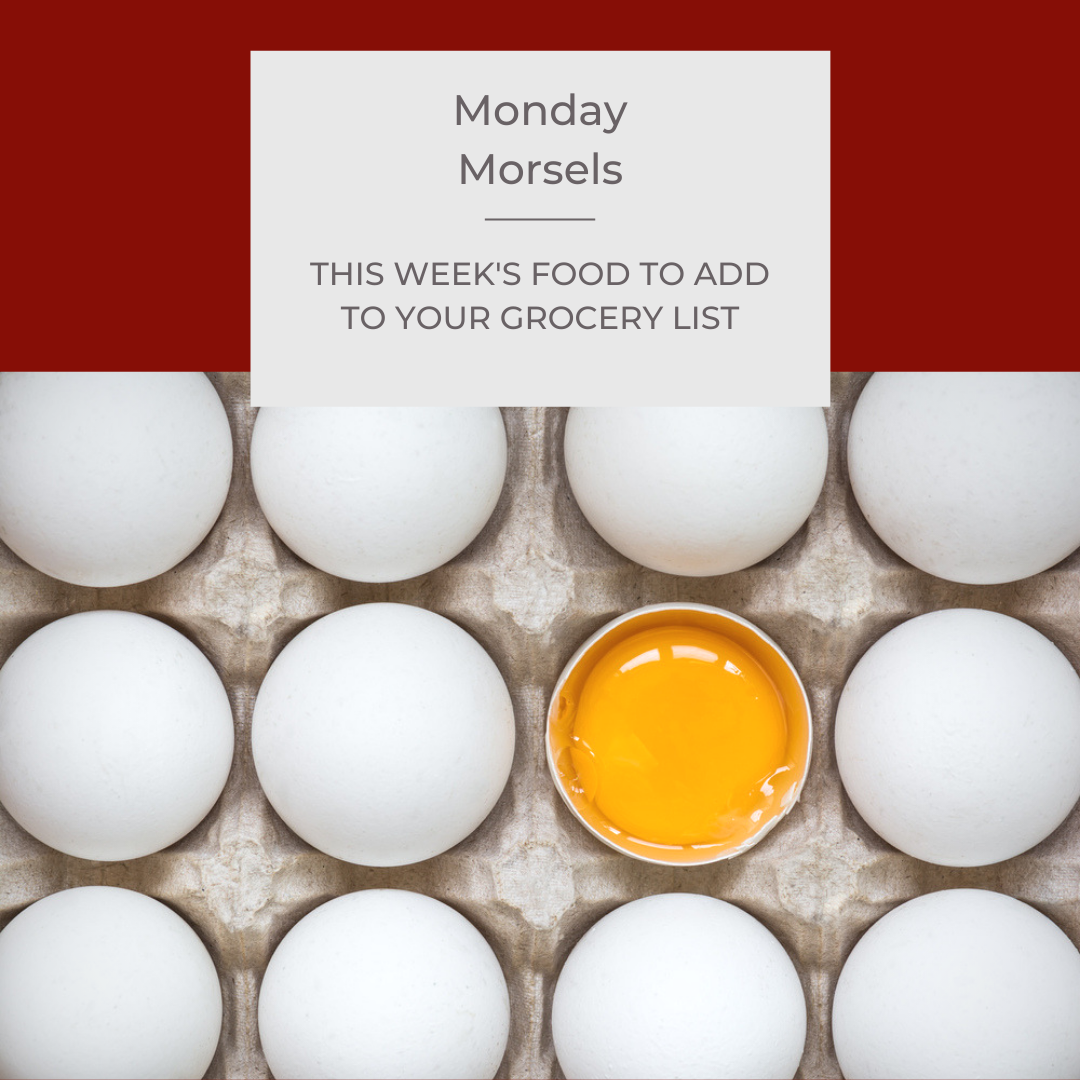
EGGS.
For those who wish to know the ‘why’ behind this idea, I’ll give you three things to think about.
FOR THE CHOLINE
Choline is one of those nutrients that gets lumped in with the B vitamins, as their structures are quite similar. Choline has been shown to help prevent the build up of fat in the liver, and helps to move cholesterol along. And listen, your liver will make some of your choline, but it can’t make all the amounts you need: it’s why it’s an essential nutrient. It’s essential you get it from your diet in order to supply your body with the total amount that you need.
FOR THE CHOLINE
If you know you have methylation issues (it’s estimated about 40% of the population has this issue — a whole other topic for another day), then choline is one of those must-have ingredients in order to help at the root of this methylation issue. It’s estimated that poor or hampered methylation ability is one of the contributing pieces to turning certain genes on and other ones off (think: cancer expression). Think your immune system being able to identify what’s yours, and what she should take down. Think enzyme building and enzyme working, to move spent stuff out (like histamine mediated troubles, slowed down detoxing abilities, etc)
See, having trouble with the methylation process is not necessarily driven by the genes themselves, but rather from a nutrient deficiency. This is a rather simplistic explanation of what is a very complicated process to explain. When you are low on certain nutrients due to whatever reason (currently omitting eggs because they rank high on your IGG test scores / you react badly to them / they elicit a histamine mediated reaction, or you can’t tolerate them and they give you gut pain) then it bears diving deep to see which part of the egg is the issue. In my day to day practice, I have to be honest: egg yolks tend to fare ok, while egg whites seem to be more often than not the culprit here.
The interesting part of the egg story here is that in your egg yolks, you’ll find a rich array of SO MANY OF THOSE NUTRIENTS you need to help improve how your body’s methylation process goes. Yes, choline, but also B9 and B12 in already-methylated forms (so you don’t have to make that conversion yourself), and some of those important compounds like sulfur, selenium and zinc. Egg yolks specifically help nourish you deeply in order for your liver to do her work and support improved methylation, which now goes to helping improve what that hampered ability was further impeding. I’ll always be on team re-introduction, should you have spent time taking eggs out of your regimen. Hit me up if you have any questions on this.
FOR THE CHOLINE
OK. You picking up what I’m putting down here? Sure, there are loads of other important nutrients like lecithin (the building block of choline - you’ll get the choline out of the lecithin!), Vitamin A retinol (the truest form of this important immune and thyroid and gut lining necessary nutrient), Selenium (awesome antioxidant to help liver do clean up), lutein (currently lighting up the health world in the name of eye health), good source of anti inflammatory Omega 3 Fatty Acids, and just about all B vitamins. Heck, see, it’s why I think eating a few eggs a day can essentially be your food-grade multivitamin.
But choline? Yeah. That’s the most important when it comes nourishing your liver. See, most folks just don’t get enough choline in their systems. Eggs are just one of those sure-fire ways to nourish deeply. And that is my aim, here.
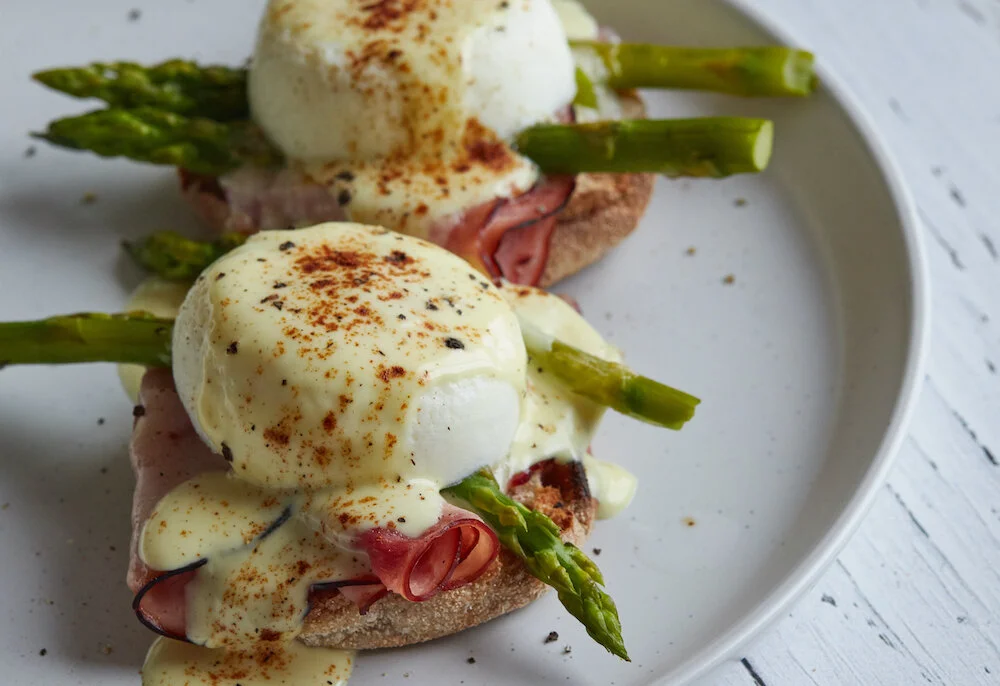
Soft poached eggs with Hollandaise sauce - that’s a double whammy of egg yolks!
Eggs. But more specifically in today’s case, as we’re talking liver lovin, is EGG YOLKS.
If eggs have long been out of your regimen, I encourage you to consider bringing egg yolks back in to the equation. I have a few different ways to do so, if you’d like some help in this department, hit me up.
We haven’t even touched on the importance of choline for nervous system health: that’s a topic for another month. But let it be known: egg yolks are one of your liver’s deepest nourishment sources. It’s worth it to work them back in to your regimen, and address why you were having issues digesting this food in the first place. (oh yeah. You know it. That’s my bag, kitten.)
Aiming for a return to overall vitality? Looking to love up your liver, balance blood sugars or hormones, or reduce that chronic inflammation? Got a high burden of stress? Need some help in feeling real good?
Get in touch by clicking here. Let’s meet up to start drawing up your road map to support you in both quantity and quality of life.
*This is not medical advice.