
MONDAY BASICS: reduce the packaged goods.
This whole last year of #mondayhealthbasics, we've been touching on some keystones that are important in reducing inflammation, and are key contributors to reducing your body's toxin load. All of these posts have been aimed at supporting gut health; loving your guts has a tendency to reverberate outwards, to all other systems in the body. Today's post is one I can't believe I haven't done yet. We've touched a bit on this concept on the post aimed at J.E.R.F. But today, we're exploring why you may want to work on reducing the packaged goods in your pantry, and how to go about it.
This whole last year of #mondayhealthbasics, we've been touching on some keystones that are important in reducing inflammation, and are key contributors to reducing your body's toxin load. All of these posts have been aimed at supporting gut health; loving your guts has a tendency to reverberate outwards, to all other systems in the body. Today's post is one I can't believe I haven't done yet. We've touched a bit on this concept on the post aimed at J.E.R.F. But today, we're exploring why you may want to work on reducing the packaged goods in your pantry, and how to go about it.
This post is inspired by a short presentation I led last week with a group of young girls aged 8 to 10. There were four groups, and each group's task was to come up with a list of ingredients that they would use to make a specific food item at home. One group had chocolate chip cookies, another mashed potatoes, one group worked on homemade mac and cheese and a fourth had to come up with the list of ingredients for a homemade chicken noodle soup. They weren't allowed to rely on anything coming from a box, all of their recipes had to come from the idea of 'from scratch'. The girls all understood the exercise, and had fun coming up with the list of tasty things they could add to make a delicious version of their item. Butter chicken and veggies version of mac and cheese? Yea I'd like that. Homemade meat stock and the how-to, before even making the soup? Oh how I love these kids.
It was great to see how they easily came up with those ingredients that belong in their kind of dish or dessert. I then broke out packaged boxes of those items that were on sale at the local grocery store that day. There were name brands in there, and store brand versions as well. Next, I invited one girl from each group to read the list of ingredients that went in to the making of these items. They were perplexed at some of those items listed, and wondered what it was their purpose was in the final recipe. I didn't point out what ingredient does what, nor did I want to scare them into thinking that these chemicals with hard to read names were nefarious for them; I just wanted to emphasize the idea that in order for something to come to us in such a pre-packaged state that requires we only add water and stir, it takes a lot more ingredients, ones we don't even know what they are. (Mechanically separated chicken? Mmm. Sign me up. Blerg.)
And then we went on to introduce the idea of balance to this scenario. I didn't want them to fear any foods they may be served in their own homes after our little exercise; I wanted them to be aware and just to start asking questions of their own, and maybe start to develop an interest in making their own homemade versions of cookies or mac and cheese at home. They certainly all seemed to know what types of ingredients it would take. I will address the idea of balance in a future #mondayhealthbasics post; how it applies to today's write up, read on.
Why it's important to reduce your reliance on packaged foods
The idea for today's article centres around reducing the amount of irritants to your digestive tract and to your system. It's all about the gut love.
Packaged foods are foods that are chemically produced in a factory. I get that some may think that cookies, if made at home, are made from processed food ingredients. Sure, I'll agree with you: it takes a certain amount of processing to convert grain into ground up flour. What I am talking about today though, is those ingredients listed on your package that aren't things we have typically consumed in human history except for the last 20 or 30 years. I am specifically talking about additives, preservatives, other chemicals added to the final product in order to mimic the flavours and textures of the real thing, homemade.
Some of these ingredients we are talking about are known to be irritating to the gut lining: things like carrageenan have been studied with animals, and links have been made to inflammation in the gut with consumption of this food-grade seaweed extract. (It comes from food, isn't that enough evidence? Not necessarily. Not in these amounts.)

My number one reason I'd steer away from packaged foods and look to reduce it in our meals at home is because these foods are where manufacturers add in extra sugar to the product, sweetened with sugar and other ingredients that are, for all intents and purposes, more sugar. (High fructose corn syrup, glucose/fructose, etc.) Adding sugar to their product makes it tastes delicious!
We are hard wired to love the taste of sweet.
From an evolutionary aspect, this makes so much sense: before the advent of grocery stores and convenience foods, the sweet taste of a fruit or vegetable was our signal that the plant food at hand was at its peak freshness. When something is at peak freshness, that sweet taste signals to our bodies that it is at its most nutrient dense peak. Eating an under-ripe tomato? Not sweet. Not so much Vitamin C, either. But the sweetest, juiciest, still sun-warmed tomato that is a deep deep orangey red colour? So much Vitamin C. Factoring in evolution, those people who developed a sweet tooth were also better able to choose foods based on that delicious flavour, meaning they had a higher intake of those all important antioxidants that are late to develop on the fruit on the vine. Higher antioxidants meant good fuel to ensure those people lived longer and better lives, and were better able to reproduce and guarantee progeny, therefore survival of the species. Good work body.
But somehow, things went awry along the way. Food scientists figured this piece out, and realized that if they filled their packaged products with sugar, people would love the taste, and come back for more, ensuring consistent sales of their products. That meant the scientists had jobs. (I'm going all conspiracy on you on this one, I know. Stick with me.) But truly, it meant the business would be around, guaranteeing their customer base would stick around and keep them alive. The people behind these food manufacturing companies have figured out the sugar bit, and have tweaked it to the point of understanding how much sugar it takes in a final product to create a dependency on the product. Good work companies. Sorry people who will be eating now more sugar than we were ever meant to handle. (We'd better evolve, and FAST.)
Why am I not a fan of added sugar? These refined white substances and super processed corn- or other starch- based syrups contribute to blood sugar imbalances, which further feeds the inflammation loop. Yes yes yes: sugars contribute to inflammation. Which is at the root of just about every chronic disease out there.
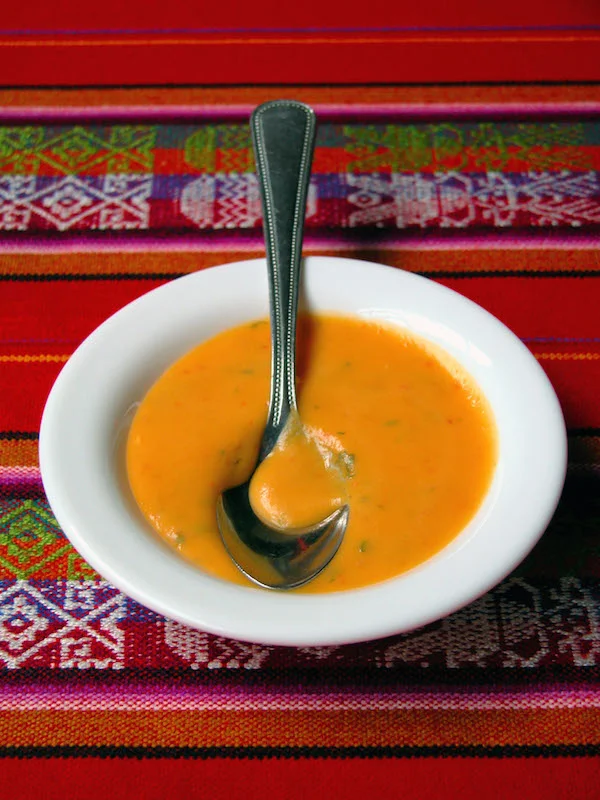
How do you work to reduce your chances of developing inflammation? Look to reduce your consumption of refined sugars. Check your labels: even your tomato soup may be hiding some sugar! I was quite taken aback when I found it listed on my favourite tetra pack of emergency soup for weeknight suppers. (I still rely on it from time to time, but aim to have more homemade soups now in order to work towards balance.)
With the girls, I pulled out a few different packaged foods and noted how many grams of sugar were in each serving, and had them figure out how many servings there were in the whole package by just reading the Nutrition Facts label on the back of the box. I set my little digital scale up, and had the girls count how many sugar cubes it took to weigh out the amount of sugars listed on the label for each item.
They were quite taken aback at how much sugar was in a little juice box, even though there was no sugar listed on the label! They couldn't believe that sugar was added to tomato soup. What was it even doing in the mix? And why did they need to add so many cubes of sugar to a can of soda? Could you even drink a glass of water or a cup of tea with that much sugar dissolved in it? It was great to witness their discovery, and the questions that came up afterwards. I expect a few questioning emails from parents any day... (sorry gang! It was in the name of good food and good health, I promise you!)
My other beef when it comes to packaged and refined foods is that when you read that list of ingredients, there are a whole lot of artificial ones in the mix. These ingredients are things made up in a lab, created to help develop the flavour or mouth-feel of the product, make it seem closer to the real thing. These chemicals are not foods as recognized by our digestive tract necessarily; they too can contribute to our liver's toxin load, that work it has to do to move stuff out. (Read up on this article to remember what that toxin load is, and how important it is we look after moving that stuff out.) These chemicals may be there acting as preservatives, or they could contribute to the colour, or the flavour profile. They may also help develop the texture in order to try to mimic the real thing. (When was something meant to mimic ever as good as the real thing?)
Not only that, but some words like 'artificial flavour' or 'artificial colour' are industry labels that mean 'a proprietary blend that we are legally bound to keep secret so that no one copies what it is we are making'. Who knows how many more chemicals are making up a part of that 'artificial colour'. To be clear, all of these chemicals do have to pass rigorous testing in the food industry; they all have to be deemed 'safe' by the Canadian Food & Drugs Act & Regulations division of Health Canada. But when it comes to choosing our foods, I tend to err on the side of what types of foods people have been eating for centuries including my ancestors, as opposed to relying on a recipe dreamed up in a chemistry lab meant to mimic the real thing.
My other beef with processed foods is their use of hydrogenated vegetable oils and soybean oil. These types of oils are contributing to our body's inflammation by throwing the balance between omega 6s and omega 3s right off. Ergo, processed foods can exacerbate any kind of inflammation already going on! I invite you to read this earlier post on what fats are the good kinds, and why certain fats should be avoided.
These processed foods are typically also quite low in nutrients when you compare them to the real version. Manufacturers need to make a living, and so they tend to use cheaper ingredients in order to turn a profit. Don't we all need to turn a profit? I get it. But at the expense of my health and that of my family's? I choose no. Cheaper ingredients may have relied on the use of glyphosate in their growing season; glyphosate is a chemical that show evidence of disrupting the gut bacteria. It is this gut bacteria we want to keep happy, as they are key players in keep inflammation at bay and supporting healthy digestion.

The packaging used in these processed foods are also contributing to the picture here. There are endocrine disruptors in the plastics and in the lining to cans that we come across in our day to day life; this means they mess with your hormones, negatively impacting many of our bodily processes. All processed foods come in some sort of packaging; the ingredients found in those foods can pull some of those chemical compounds out of the packaging and into the foods we the consume. Choosing to eat real food instead will drastically reduce those harmful effects from the possible endocrine disruptors. Opt to purchase anything tomato-based or with any fat content from a glass jar: a much safe non-BPA and non-BPS bet.
Your secret to improved health then?
Reducing your reliance on processed foods, and doing so gradually (in order to make it do-able!). Cook from scratch. Eat more simply. Meal planning can help. Choosing a box of prepared food whose list of ingredients is much shorter than that found on the other box on the shelf next door. Read your labels!
Do a bit of digging to find a product that lists a pretty clean list of ingredients, like this Calgary-based manufacturer of delicious Butter Chicken and other curry sauces. These are often on our menu for those busy weeks; and they're delicious! Check out your grocery stores and health food stores that take a special interest in stocking their shelves with local specialty items, or those shops who look to facilitate your success in the kitchen with health first and foremost. I saw some harissa sauces in glass jars with a pretty clean list of ingredients at the grocery store last week: you can bet your bottom dollar I'll be dreaming these up into recipes in my future instagram posts!
Here's a round up of ideas I pulled together for you to get you started:
use soaked seeds and nuts as protein in your smoothies instead of a protein powder
do one batch cook item a week for the meals at hand for the coming week
make your own curry pastes! So easy! So delicious! So much more flavour!
make your own electrolyte drinks! Ditch the funky coloured super sugary drinks
great link here to use homemade mayo and ghee as a base for low carb sauces
make your own meat stock or bone broth for nutrient density!
look here for a compendium on harvesting ideas I culled in 2015 (good ideas here on lots of things)
Keep it real my friend, and keep it do-able.
Knowledge is power; read your labels, and opt for those packages that are lower in chemicals. If your body is working extra hard on health things, know that providing it with more nutrient dense foods and reducing the toxins found in packaged foods may be of benefit to you at this time. Most of all, please do play with your food.

MONDAY BASICS: love your immune system.
Without fail, the colder weather creeps up on us as it does this time every year. And with the temperature dropping, we often start talking about taking care of the ole immune system. Let's cover some basics today, and talk those easy things we can do to love up our immune system.
Without fail, the colder weather creeps up on us as it does this time every year. And with the temperature dropping, we often start talking about taking care of the ole immune system. Let's cover some basics today, and talk those easy things we can do to love up our immune system.

Your immune system does so much for you: it, along with your gut, is your foundation to good health. Let's go over the components you can put in place that are essential to immune health.
FIVE KEY COMPONENTS ESSENTIAL TO IMMUNE HEALTH
Look after your gut
Eat the good foods
Prioritize sleep
Reduce stress
Reduce your toxin load
Let's break these down in to the practical, shall we?
LOOK AFTER YOUR GUT
You gotta love your guts. See, there are estimations that roughly 70% of your immune system resides in your gut. The two work hand in hand in keeping you well, in keeping potential harm at bay and moving it out in a timely fashion so that you can get through your days. It is your immune system that acts as your main line of defense against everything you come across, from cuts and bruises to incoming pathogens like bacteria and viruses. It has a pivotal role in keeping cancer at bay.
This part isn't news to you; what might be news is how intricate the connection is between our gut and our immune system.
The good bacteria living in your gut (called your “microbiome”) have developed intricate interconnections with your intestinal and immune systems; they help calibrate your immune system so it is working in tip top shape, able to recognize what is 'you' and what is 'other'. Your microbiome plays a big part in regulating overall body inflammation, starting in the gut and radiating outwards to all of your organs and body systems. Those little bugs? Well they are also key players in supporting overall immune health. As we embark on this new season where we are finding ourselves more indoors than out, it is imperative we give our immune systems a little support by looking after our Good Gut Guardians, our microbiome.
There are a few good ways to repopulate your gut with those healthy bugs: a good place to start is by slowly introducing live or raw fermented foods into your diet. These foods contain the 'good bugs' that contribute to keeping your microbiome in good stead. Think probiotics, only in food form. And when those things come via foods, they are part of the traditional ways our ancestors before us would have had them, and ways our bodies will be able to assimilate. One of the key components then to loving your gut, is to make sure you get some fermented foods into your belly. They'll take care of the rest. (If you are new to the idea of fermented foods, look to this article for a comprehensive look at how to go about it.)
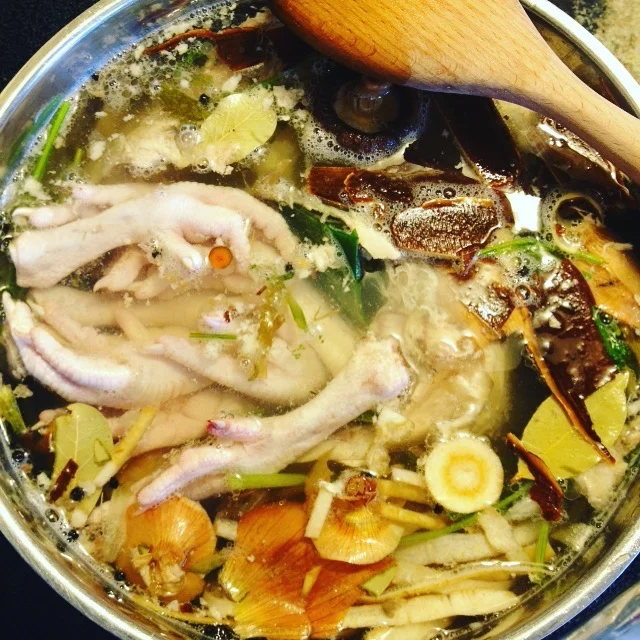
We also need to provide your body with those foods that will best fuel the cells of your intestinal lining. Ensuring these foods on a regular basis will go miles in supporting your immune system, and reducing overall inflammation. My top pick? Why it's my good friend, Mrs. Meat Stock! Look for a full write-up including a recipe at this fairly recent post.
Next up, you'll find butter on the list of foods. While I love it for the nutrients it provides to your immune system for optimal function, I also looooooove the nutrients it provides to your intestinal lining, ensuring integrity in this very important area. Plus it's delicious. Check in here for more reasons you can love butter. (You're welcome.)
Food allergies and sensitivities place a stressor on our immune system. It is important to look into what foods are contributing to a negative impact on your digestive system, and do that work to support the gut lining and improve your body's ability to digest, in order to reduce the impact of food sensitivities and allergies on your immune system. Gut love is where it's at, my friend.
EAT THE GOOD FOODS
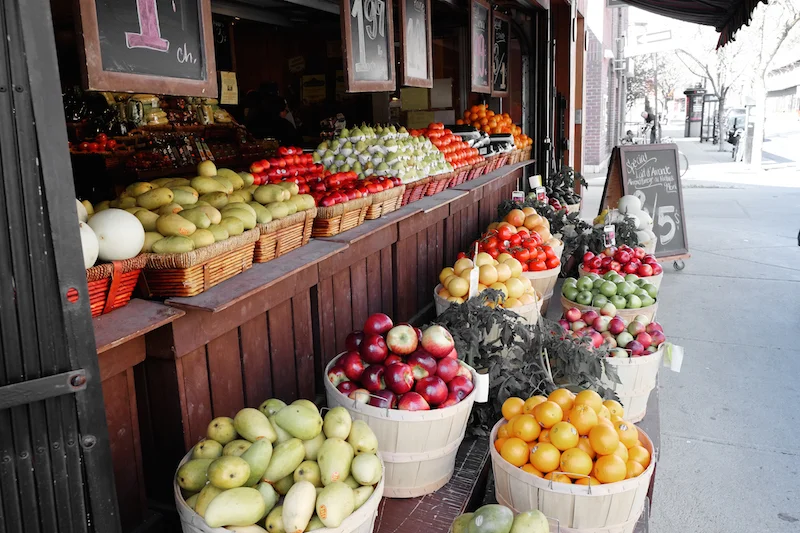
There are loads of nutrients that offer targeted support to your hardworking immune system. Protein is one of those key foods, providing the building blocks that are being assembled for the response when there is a perceived threat at hand. Reaching for good quality protein is important. If you're able to, ensuring your animal products come from animals that were raised on pastured will afford your body a better complement of nutrients to help support the immune system and lend a protective effect to the gut. Look for a more in-depth article on the importance of sourcing your animal products from grass-fed sources here.
In the same vein, ensuring good quality wild-caught fish will best serve this system. Both the pastured meats and wild caught fish will also provide an excellent source of those all-important Essential Fatty Acids. Read up on the hard work these nutrients do in the body here, and how they play an essential role in your body's immunity.
Reducing your intake of simple sugars and refined carbohydrates will serve you well, as they suppress your immune system. I remember one of our profs in school, a local Naturopathic Doctor mentioned one teaspoon of sugar ties your immune system up for eight hours. While I can't find the exact study that explains this on PubMed, I did find this article that would support the notion. I think it's important to note here that I would lean more towards the idea of regulating your blood sugar levels, which would of course involved curbing your intake of refined flours and simple sugars. I would also add you need to look at consuming some good fats my friend, to help balance those sugars. Read here if you want to explore the concept further.
There are so many nutrients necessary to proper immune function. I would rather you get hung up on the foods that will best support your endeavours though, instead of trying to micro-manage what you're getting and what you need to get. If you are looking for a more focused approach on micro-nutrients, this is where the help of a Nutritional Consultant may be of benefit. (Get in touch!)
I have pulled together a list of foods I would recommend, providing your body with important micronutrients necessary to immune function, but also abundant in nutrients supportive to the intestinal lining. Eat the ones in bold more often, and make sure you're reaching for the others on a regular basis:
cod liver oil
garlic and onions
organ meats
avocado
asparagus
all berries
beets
brussels sprouts
cabbage
carrots
cauliflower
cinnamon
cranberries
horseradish
kiwi
lemon
oranges
oysters
papaya
pineapple
sardines
shiitake mushrooms
thyme
wild caught salmon
pumpkin + sunflower seeds

PRIORITIZE SLEEP
I have written a lengthy article about the benefits of sleep. In it, I talk about how important it is to make this a priority, as it is where our body's repair and rebuilding work happens. Look for that article here, along with some good tips on how to achieve better sleep.
The take-away? Aim for at least 7-9 hours a night. Turn your cell phones to airplane mode, or better yet, take them right out of the room. Get some serious black-out curtains. Reduce your exposure to electronics in the last hour before beddy-byes. Sleep like a baby.

REDUCE STRESS
I know I know, sometimes by just saying' reduce stress!' the end result is we've ramped it up. But you really should know that science indicates (as do your memories of exam days whilst in University if you go back!) that stress really does weaken the immune system. It's really important to keep a positive frame of mind to help support your immune system.
One of my top recommendations is to GO HAVE SOME FUN. Prioritizing the good times can play a pretty big part in bringing down stress, and have a protective effect for your immune system.
Here is my favourite list of ideas for you, may you find one or two that resonate:
go for a walk – everyday! (so simple. So good.)
head out to a cafe to play cards with a friend or honey
host a games night with friends and neighbours
find the comfy chairs at the library and settle in with a good book
start a book club
visit a nearby town and check out antiques or farmers' markets
schedule a little me time (self care is the best!)
soak in the tub; make it an epsom salts soak, bonus points!
take your littles (or your friend's littles!) to the park or an indoor water park
downsize your commitments (Simplicity Parenting by Kim John Payne was a huge book for me that helped me figure this one out)
start a garden
join a yoga class
start a meditation or gratitude practice https://www.unstuck.com/gratitude/
join a local tai-chi group in your area http://western.canada.taoist.org/calgary/index.php
take up pottery like you always meant to
check out a comedy night in town
check out some new local music, head out to a local club
have a movie night with the fam
take a cooking class
get season's tickets to one of our fabulous theatre companies or orchestras in town
schedule in regular date nights. In pen. Don't back out.

REDUCE YOUR TOXIN LOAD
I love that you've read this far. Let's get to this one last important component in supporting the immune system. Toxins in your life, be they from toxins you ingest through your skin via personal care products or compounds found in the air you breathe, toxins found on our foods, or toxins produced in our bodies via regular metabolic functions, they all add up to compromising our immune function. You can add in here the toxins produced in your body from the interactions you have with the toxic people in your life.
Improving your gut health will look to bring down some of your body's toxin load. Here is a start for more ideas on where to reduce your toxin load:
consider stopping smoking
start your day with a glass of water with lemon to support liver's detox
consult the Dirty Dozen and Clean Fifteen to reduce exposure to pesticides and herbicides
change your furnace filter on a regular basis
open your windows in the car when you first get in to help air out dangerous chemicals emitted in that 'new car smell'
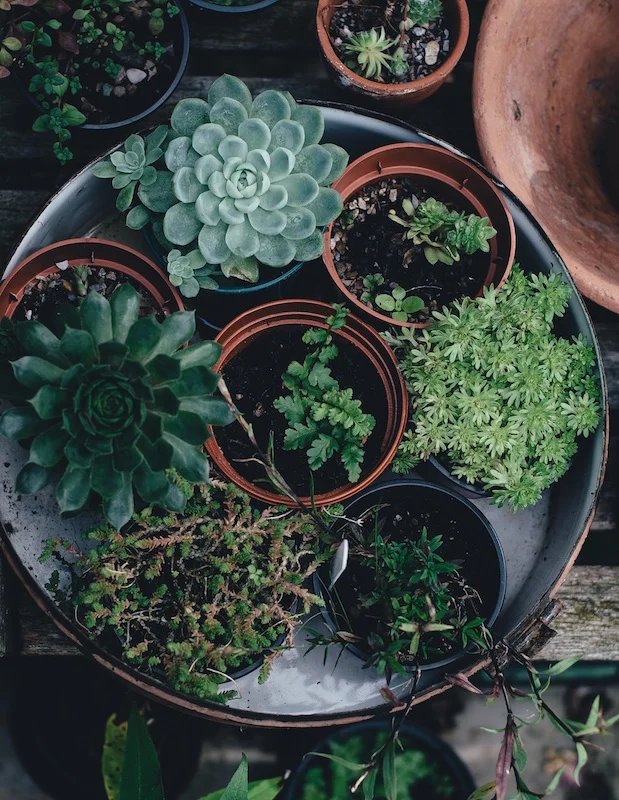
place a few houseplants in different areas of the home to clean your air
OK gang. What are the five main points for immune lovin again? Take care of your gut. Eat the good foods. Sleep like a champ. Destress like a three toed sloth. And reduce those toxins.
Do what you can. Baby steps. You got this.
MONDAY BASICS: eat together.
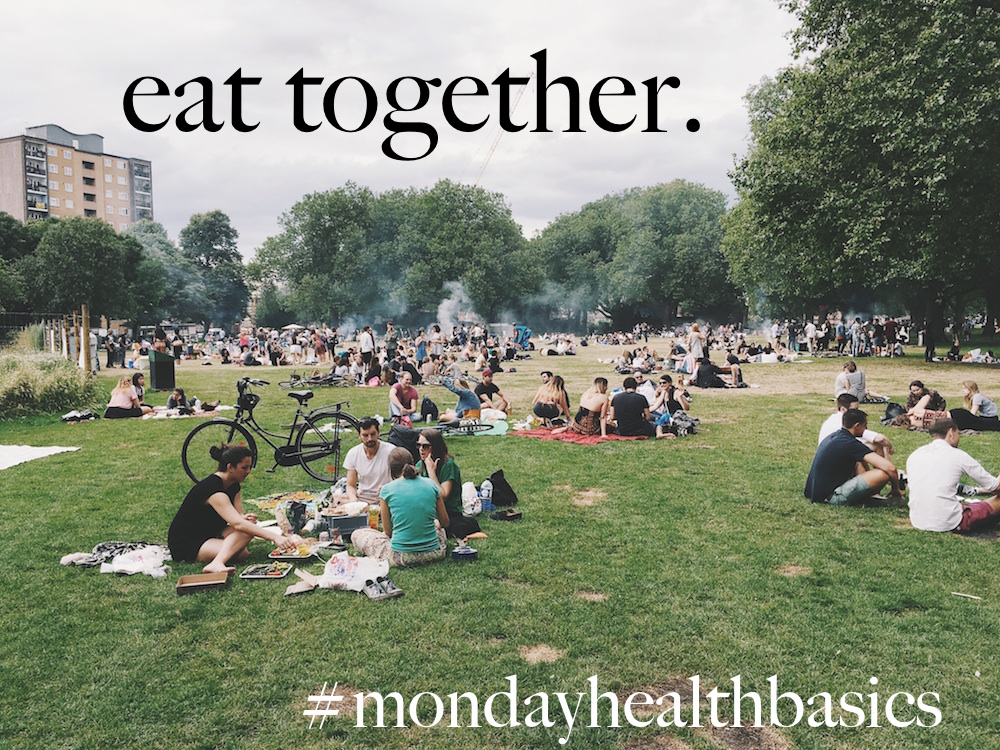
We have a golden rule in our house, and it's one that I will insist upon until the day I die. Dinner is a meal meant to be shared, a meal that requires we are all around the dinner table, together. Let's talk about the power of connection when it comes to mealtimes.
We have a golden rule in our house, and it's one that I will insist upon until the day I die. Dinner is a meal meant to be shared, a meal that requires we are all around the dinner table, together. Let's talk about the power of connection when it comes to mealtimes.

Because it's 2016, you can easily find scientific reasons online that will support the idea of sharing meals as a family. There is evidence out there pointing to the fact that eating together as a family or a group is better for everyone's health: this article explores the importance of language development that happens at the dinner table for the very young, and goes on to explore the nutritional benefits of those children who predominantly eat at home. This study delves in to how eating as a unit can help protect children against asthma (!!!). Looking for a little more light reading? This article explores how regular family supper hours can be protective for adolescents, keeping them away from high risk behaviours. You can uncover quite a few more articles fairly easily if you need the science to back this notion of eating together. (Click on the links within)
For me, it just makes sense with or without the scientific backing. It's a set time every day where our family can gather 'round the table, with some food and conversation at the ready.
Before we sit down, we tend to work together to pull this meal together. Our daughter helps prepare the vegetables, is learning to make sauces and learning how to pull a good salad together. Sunday's dinner this past weekend saw her in charge of assembling the roasted beet / pistachio / goat cheese salad with dressing. It's important to me that she develop the sense of flavours, and to build confidence in preparing meals, knowing she can rely on her tastebuds to make a dish taste just right, not feeling she needs to stick to a recipe.
Cooking is really one of those essential cornerstones we as parents need to impart to our children I think. As a parent, it's up to me to make sure that my daughter can swim, that she enjoys reading, she consume some vegetables and that she can make herself a good meal. Getting her involved in the cooking process is key to developing these skills. They're also important components in raising a child who will be independent and able to care for herself.
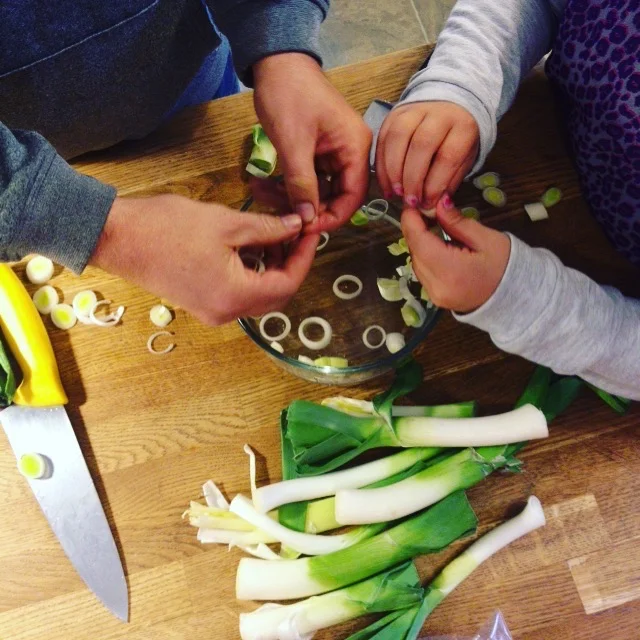
I think too, she starts to get to know some of the basics of cooking, and now has an appreciation for what goes in to preparing a meal. Perhaps because of my influence as a Nutrition gal, my girl now loves to read ingredients and nutrition panels on packaged foods, wondering what the chemicals are that are listed. You should hear her reactions, figuring out how to pronounce some of the words, wondering what kind of effects they have on us. I don't go on and on about it for her, however it is something that she has started questioning and wondering about on her own. Meal prep time is the perfect time to hash through these questions, address these concerns. (I think some of this stems from reading the labels on her Halloween candy stash; we are working on the concept of balance with her. (Parenting is HARD!))
Everyone is expected to participate at meal times. While I do the planning and defrosting and most of the cooking, my kiddo helps with prep for sides and salads, my husband will sometimes help with the finishing touches like grated cheese or making the gravy (if he's home in time). We set the table together most nights, clear it together, and the person who did not do the majority of the cooking is in charge of washing the dishes. Our daughter is the one loading the dishwasher and putting away the ingredients, while I'm putting away the leftovers and preparing lunches for the next day. It's truly a family affair, and requires three people to get the whole thing done from start to finish. When someone is missing, we really feel their absence. I think it's important for our children to feel like their contributions matter, like they're part of a team and that when they are not there, they are truly missed. I also know how much routine can be a nourishing part of the day, supporting a child's development. Not only that, but routine is exceptionally supportive to the adrenals, both young and old. This kind of routine is good for what ails ya, and if nothing's ailing ya, it's good for that too (as my father would say!).
In sitting down together we three to a meal every night, I think we are teaching our daughter how to be a part of society if I may be so bold: how to use cutlery and what kinds of manners are expected at the dinner table. Sure we sometimes have silly food nights where those manners can fly out the window; it is, after all, about balance.
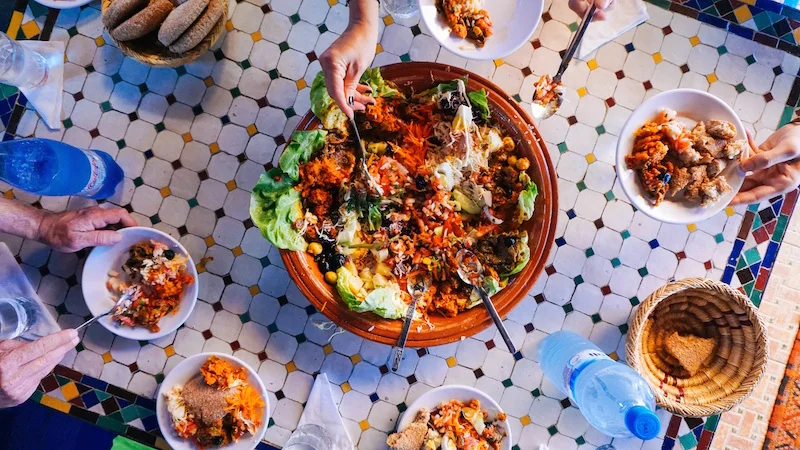
It's about connecting (and disconnecting from media!)
My favourite part of dinner is that we get to connect. We do have a rule at our table that at dinnertime, there is no reading, no cookbooks, no comic books, no phones, no radio and no screens at all. No distractions. If you happen to call the house when we're eating, we won't be answering your telephone call (don't be mad!).
Dinnertime is when we get to sit around the table, and we take our time to eat the food in front of us. It's understood we all come to the table with stories about our day; it's a great time to find out how our daughter's apprehension at last night's supper table in regards to today's presentation in class was unfounded. We get to hear of her struggles and successes. We get the updates on the children in my husband's class, giving us a little window in to their day. Dinnertime is a great time to come up with solutions to problems, or talk through some of the issues plaguing us. We do eat at a leisurely pace most nights; my kiddo is a naturally slow eater, always taking her time. It used to infuriate me (although I tried to keep it inside) – now I make a point to sit with her while she finishes her meal, and it gives me an excuse to sit an extra five or ten minutes and really just hang out with her, without any distractions.
It took me a few years to realize we had to plan extra curricular activities later on in the evening in order to really allow the time for us to sit and share a meal, without the feeling of being rushed. Piano is now at 7.15 instead of 5.45. Swimming has now been relegated to Saturday mornings. You picking up what I'm putting down?
One important part for me is that just before tucking into the meal, we say a verse of gratitude. This is a prayer my family said before supper time growing up, and it's en français: it keeps a part of my youth and family's traditions alive at our table. This verse is very simple, and says thanks for the good food at the table and for everyone who had a hand in getting this food to the table. It ends with a wish for good food to be shared with those that are without. Short and sweet, but a ritual nonetheless. I have pondered lately on the importance of including this verse before meal. I see it as a signal to our bodies that a meal is about to come in, and wondered if it helps 'turn on' digestion. I know the benefit of meditation and prayer in helping reduce anxiety; I can only imagine that this brief word helps settle any anxieties and introduce a sense of calm. It is in this mode you need to be in order for digestion to be optimal, this rest and digest mode. Just a thought.
I have been concentrating on the idea of meal time with your family unit, but please do not get stuck on this idea. A meal time can be a meal shared with friends, or a standing dinner date with your roommates. I had a standing weekly lunch date on Thursdays with a coworker, certainly a highlight in my week. Sharing a meal with someone is what we are talking about here, connecting with people who are important in your life.
Further to the idea of saying grace before a meal, I wrote an article earlier this year focusing on the benefits of being mindful at mealtimes, and how to go about it. I think you'll find this a good article to read for further scientific exploration of this concept, as well as practical suggestions on how to make this an attainable task.
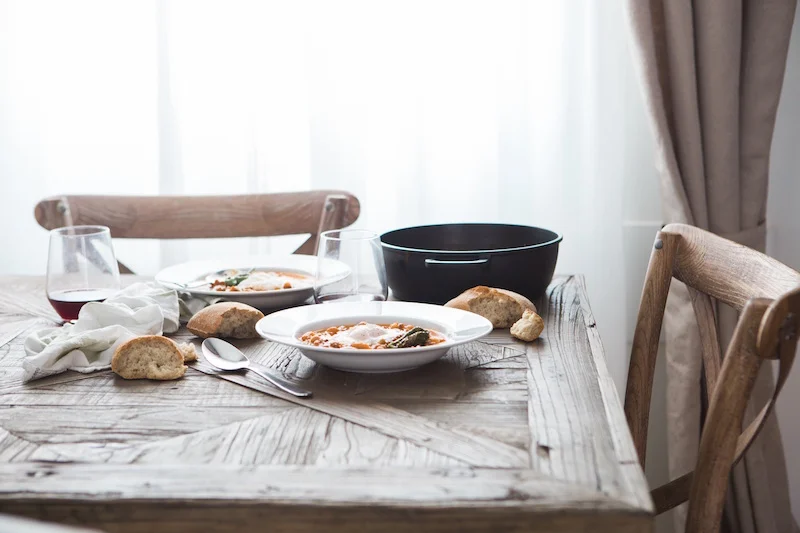
The idea of meal sharing is one of the tenets of the folks at Slow Food. I would recommend you check them out if you don't know about their good work yet! (There is a Calgary chapter too!)
If you feel intimidated by the idea of preparing meals during the week, consider doing a little batch cooking on the weekends, in preparation. At our house, meal planning has taken some of the post-school chaos out of the equation. I did a wee write up on this here, I urge you to reconsider if you, like me, originally scoffed at the idea.
If you are feeling a little lost, and are looking for direction on how to make dinnertime a family event minus the distractions, I found this wonderful post from The Family Dinner Project, a non profit organization based out of Harvard University. They're about food, fun and conversation about things that matter, with suggestions and tips on how to approach mealtime with children from the very little to the almost-adult-teenagers sitting across from you at the table. I highly recommend this read! They suggest some games you can play in order to get conversation started; come up with solutions to help dinnertime be a smoother and less tumultuous affair.
Now go play with your food, and eat with your gang. It'll do your body good.
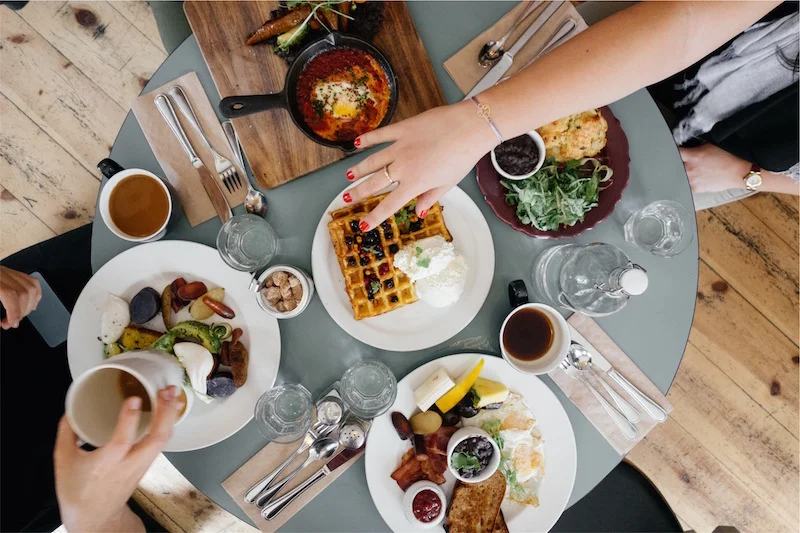
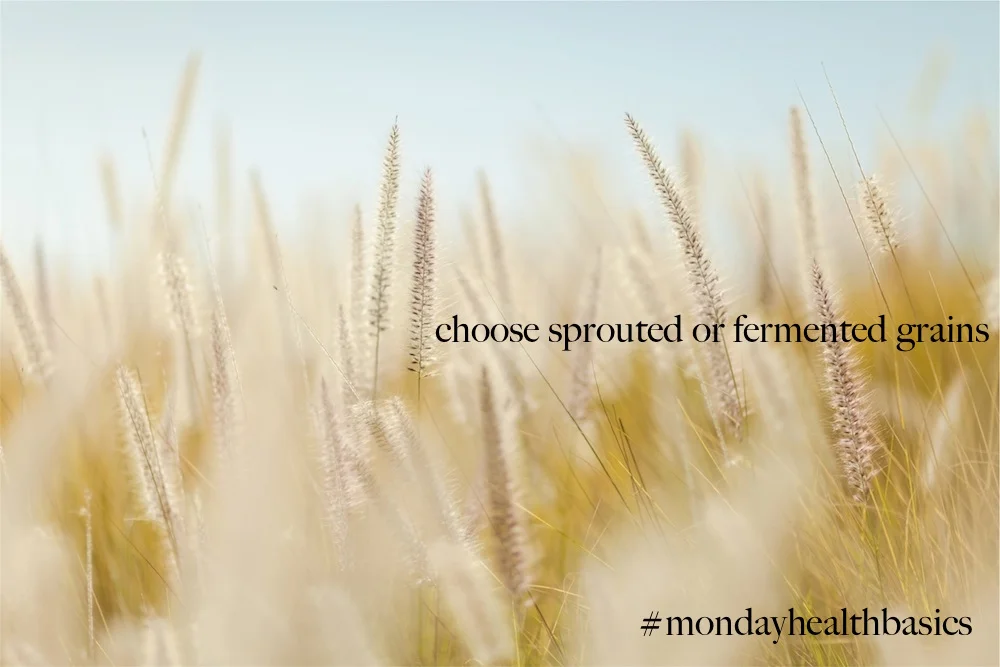
MONDAY BASICS: choose sprouted or fermented grains.
Talking about grains is a tricky thing these days. Do you sometimes feel like the path to figuring out the answer may be booby trapped? I know I do. There is a lot of information to sift through out there, and my hope is that as a Holistic Nutritional Consultant, I can help clear the muddy waters a bit and help you figure out what could work for you as an individual. So let's delve in to the question that comes up most often in casual conversations: what is my stance on grains.
May I propose we take a gander at how to make grains more easily digestible. There are no caveats here, no judgments, no moral high roads or anything. I just want to explore the science behind ancient grain preparation methods, and why they may be a way for you to be able to include grains in yours and your family's diet. This post is not for everyone; but the information found within may help explain a bit behind the idea of traditional food preparation methods, and the wisdom found within. May there be a light at the end of this blog post for you, dear reader.
Let's talk about the wisdom of sprouted and/or fermented grains.
Talking about grains is a tricky thing these days. Do you sometimes feel like the path to figuring out the answer may be booby trapped? I know I do. There is a lot of information to sift through out there, and my hope is that as a Holistic Nutritional Consultant, I can help clear the muddy waters a bit and help you figure out what could work for you as an individual. So let's delve in to the question that comes up most often in casual conversations: what is my stance on grains.
That is a very individual answer for each and every person I come across. What works for one person may not work for the other. Instead, may I propose we take a gander at how to make grains more easily digestible. There are no caveats here, no judgments, no moral high roads or anything. I just want to explore the science behind ancient grain preparation methods, and why they may be a way for you to be able to include grains in yours and your family's diet.
This post is not for everyone; but the information found within may help explain a bit behind the idea of traditional food preparation methods, and the wisdom found within. May there be a light at the end of this blog post for you, dear reader.
Let's talk about the wisdom of sprouted and/or fermented grains.
If you are a regular reader of this here blog, you will know I am a big believer in whole foods. I am also of the mind that we need to look at how these whole foods were prepared traditionally, in order to uncover some of the reasons behind why our ancestors would have done so.
For the sake of today's post, we are focusing on grains here but the content found within also applies to beans, legumes, nuts and seeds. Today's topic is one of those cornerstones of the Weston Price Foundation's recommendations, and with good reason. Read on, food lovin' friend o mine.
LOOKING TO THE PAST
First of all, grains used to ripen at a much more erratic pace than they do today. Back in the days of yore, you could count on the fact that a small percentage of your harvested grain had sprouted on the plant days if not weeks before the harvest. In our current agricultural practices, it is a much more measured task and the grains tend to all ripen at the same time.
Additionally, if you were to do a little anthropological digging, you would find that in traditional societies most people would soak or ferment the grains that have been turned into flour before they would bake or cook with them. Doing so was just what you did at the time; it was what your mother did before you, and her mother before her, and the people who came before her for a long long time.
This knowledge came through countless generations who observed and followed tradition, and with good reason: anything that starts as a seed with the potential to grow into a full plant is packed full of protectors to ensure it can make it to seedling stage, in order to best ensure that plant's survival. Mother Nature is WISE, putting in these mechanisms in the seeds in order to best ensure the plant's survival. Wheat, rye, spelt, kamut, teff, amaranth, etc.: they are all seeds ground down into flour for us to utilize in baking things like breads, cakes and cupcakes. And cookies. Mmm. Cookies.... Um, sorry.
However, these 'protectors' end up being digestive inhibitors for we humans. The enzyme inhibitors that are in those seeds prevent us from properly digesting them, which means without proper preparation, we cannot ably break them down. This now means we aren't able to get the nutrients found within them, either. And those enzyme inhibitors? They will slow down our body's own ability to break all of the foods in that meal down into the smallest components, nutrients. We're hooped, mon ami(e).
In addition, these seeds also contain phytic acid which unless properly 'activated' (by soaking, sprouting or fermenting first), end up taking minerals that we have stored in our bodies and moving them out. Mother Nature is whip smart, see: the seed comes out of the digestive tract relatively intact (enzyme inhibitors) in a super rich bundle of fertilizer, along with some extra minerals thrown in for good measure (phytic acid). How could the wee seed not fare well and proliferate into future grain generations?

The time spent in the digestive tract ends up being a kind of 'soaking' time, which now acts as a biochemical way to trigger that seed into believing it is time to grow into a full blown plant. This happens once it exits our digestive tract, and that mineral rich manure that comes out with the soaked seed will serve as a brilliant extra leg up for this seed to be able to survive and thrive.
It's really a brilliant system for the seed, but not such a handy thing for the consumer.
Looking into traditional cooking methods around the world, you will find the innate wisdom of our ancestors in dealing with the nefarious effects of these anti-nutrients in grains. In India for instance, the traditional way to prepare idli and dosas was to ferment the ground lentils and rice for two days before preparation. Corn has been traditionally soaked overnight in places like Africa before adding it to stews. In Ethiopia, you will find fermented teff grains magically transformed into injera. Other populations had a tradition to ferment their rice for long periods of time before ingesting. In South America, corn cakes are traditionally prepared by allowing to ferment in wrapped banana leaves for up to two weeks. Whose grandmother soaked the oats in buttermilk overnight for your breakfast? My mom's aunt did so on our visits to La Gaspésie when we were wee. Many populations in Europe and here in North America as well have traditionally prepared breads by fermenting grains into sourdough. This was all before the advent of commercial yeast, which transformed the baking world by introducing those pockets of air into baked goods, albeit in a much shorter time than traditionally fermented bread doughs.
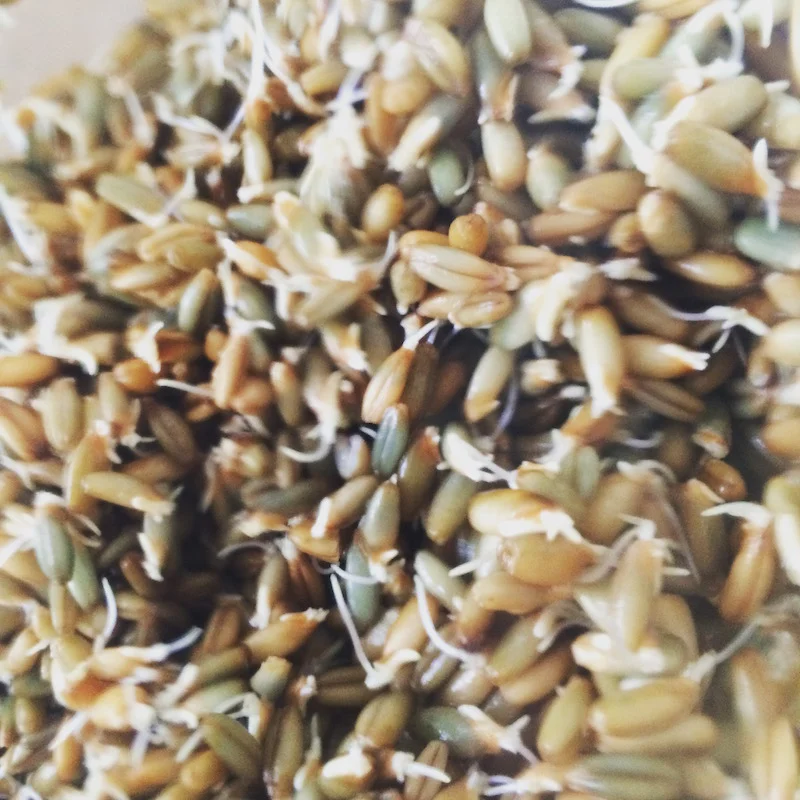
Sprouted rye kernels
BUY SPROUTED or FERMENTED GRAIN PRODUCTS
How to save ourselves the troubles associated with these anti-nutrients found in grains? We need to foil Mother Nature. We can do so by ensuring the grains used in our baking are properly soaked, sprouted or fermented. It's a good-better-best scenario with the soaked - sprouted - fermented idea. Doing the minimum of soaking any seed or grain will signal to the seed that it is time to grow; it will also deactivate the phytic acid so that when we ingest these morsels, we will not be losing our mineral stores in the process. As well, those enzyme inhibitors that prevent us from digesting the seed that hasn't been properly prepared? They get turned off in the soaking/sprouting/fermenting process. It's a win win win. A properly prepared seed or grain appears to our digestive tract more like a vegetable than a grain, and makes it inherently easier to digest.
WHAT THIS MEANS FOR YOU: Sure, you can uncover some secrets to soaking, sprouting or fermenting your own nuts, seeds, grains, beans or legumes. I often offer classes on the how-to if ever you're interested (have you signed up for my newsletter yet?). In the meantime, my recommendation for you food-wise this week is to purchase only soaked, sprouted or fermented versions of breads or flours to use in your baked goods at home.
Good companies to look for: Silver Hills makes sprouted grain bread; Ezekiel and Food for Life as well; you can find these in your freezer section of your favourite health food store or select big box store too. There are a few sprouted grain products like crackers and snacks on the shelves these days, seek these out. Okanagan Rawsome makes some delicious sprouted crackers that are my go-to at home. Better yet, request them at your favourite local health food store! I find they're more than happy to cater to their clientele.
Another option to look into when it comes to breads is to seek out a locally produced true sourdough bread. How to make sure what you have in your hands is a true sourdough? Ensure the list of ingredients does not contain any yeast. If you're in Calgary, local lovelies Watermill Bakery make true sourdough, as well as Sidewalk Citizen in Kensington and in East Village. I believe Lakeview Bakery also carries a true fermented bread; find them at your fave local health food store.
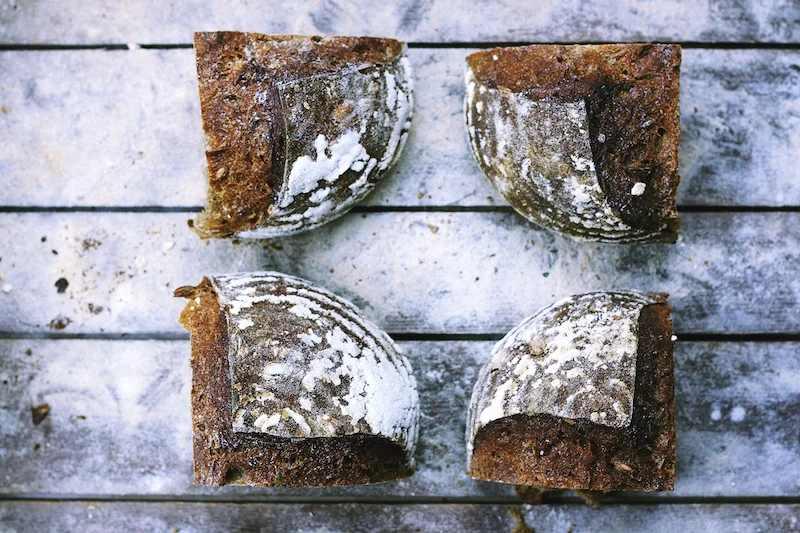
Are you a baker? Seek out sprouted flour instead of the regular stuff. Anita's Organics is a Canadian company I would recommend. You can substitute 1 to 1 in your recipes, no problem.
I found this recipe online for how to make your own bread at home in the breadmaker, but allowing some hours of pre-soaking time for the flour and liquid in the recipe. Might be worth a shot!
Interested in sprouting your own grains in order to make a sprouted flour at home? Connect here with Nourished Kitchen to get the low-down on the how-to.
If you're a regular consumer of grains at meals, may I recommend you seek sprouted or fermented versions of grains. A few local health food stores carry sprouted quinoa. There is a company from the interior of BC called Kaslo Sourdough and they are preparing pasta from true sourdough. Look for their products at your favourite local health food store. If you can track down TruRoots, they too deliver products that have been sprouted.
If you know of a Canadian supplier of sprouted grain products that has not been mentioned here, please share their name in the comments below. Let's build this community of food loving producers and consumers together!
Might I recommend some additional reading?
THURSDAY BASICS: feed the (good) bugs.
We've talked about the importance of including fermented foods in your diet. We've touched on a bit of a philosophy on eating. Think of today's article as an expansion on this idea, zeroing in on the all important bugs of your gut. Eat the foods to feed those good bugs my friend, and you will be doing your body (and theirs!) some good. Let's talk PREBIOTICS, kittens.
Another Thursday, another throwback! Let’s take a peek at one of the old #mondaybasics series of 2016.
I have been getting this question quite a bit lately: what’s the difference between prebiotics and probiotics? Is one better than the other? Let’s get in to the fray and explore things here.
FEED THE (GOOD) BUGS.
COLES’ NOTES:
1. Prebiotics: these are the foods that nourish the bugs of your gut. Find full lists of the top ones in this article, including a brief look at resistant starch.
2. Probiotics: your gut bugs rely on a good diet, just like you do. So feed them what they like to help them thrive!
3. This is how our ancestors did it, traditionally. I think they had wisdom; we would do well to heed their example.
Get the low down on what constitutes a prebiotic, and why it’s important if you are looking to support your gut + microbiome health.
We've talked about the importance of including fermented foods in your diet. We've touched on a bit of a philosophy on eating. Think of today's article as an expansion on this idea, zeroing in on the all important bugs of your gut. Eat the foods to feed those good bugs my friend, and you will be doing your body (and theirs!) some good. Let's talk PREBIOTICS, kittens.
PREBIOTICS vs PROBIOTICS
If you're scratching your head right now wondering if there is a typo there, I really did mean to type in prebiotics as opposed to probiotics for a reason.
To clarify, probiotics are foods or supplements containing live bacteria. We consume probiotic foods (bacteria-rich!) or supplements in order to replenish the gut microbiome, an active, vibrant and integral component of our digestive tract.
Our microbiome or gut bug community plays a big part in informing our immune systems with the goings on, helping to strengthen our immunity; our gut microbiome keeps our innards happy, helping to further digest foods we can't quite break down, taking out heavy metals, producing important micronutrients and other substances necessary for our bodies to function optimally.
A happy microbiome is necessary in order to reduce inflammation in the gut, which serves to radiate outwards to all other organs and systems in the body.
So yes, please eat your fermented foods and eat them often. (Think kombucha, yogurt, kefir, sauerkraut, pickles, natto, miso, kimchi, horseradish. If the label says 'live' or 'raw', you're good to go!) Read this article if you need a refresher. And check this video out to understand the importance of looking after our gut microbiome. A wonderful short from the folks at NPR.
Now that you know about those wee bugs on your body and in your digestive tract, it is important to know how to take care of them.
This is where prebiotics come in.
Prebiotics are the food for those bugs in your gut! Yes, probiotics eat prebiotics. You know how you always work better or feel better when you're eating those good foods you love? How they fuel you to get through your day?
The bugs in your gut are the same. Feed them their favourite foods, and they'll return the favour in spades. The better the fuel, the happier they'll be, the more anti-inflammatory and immune-loving prowess they will bestow upon you.
What makes a food a good prebiotic?
Prebiotics are typically fibre-rich foods that we as humans can't quite break down to their smallest components. These undigested morsels of food we are name-checking today are rich in oligosaccharides and inulin, two hard-to-digest types of fibres.
Good news, you're undoubtedly feasting on these good foods already! Read on for a good list of those foods to include, in order to best take care of your gut microbiome.
BEST PREBIOTIC FOODS
apples (make sure they're organic!)
artichokes
asparagus
banana
beans (prepare first by soaking 12-24 hours before cooking in order to deactivate anti-nutrients)
beets
bran (if you can tolerate grains and your digestion is working well – not ok on GAPS)
cabbage (why do you think sauerkraut ferments so well? It's no accident.)
carrots
coffee (little bits of beans at the bottom of your cup are wonderfoods for the bugs!)
chicory root (buy roasted chicory root and add to dishes or ferments!)
dandelion greens
dandelion root (same as chicory root above – add to dishes or ferments!)
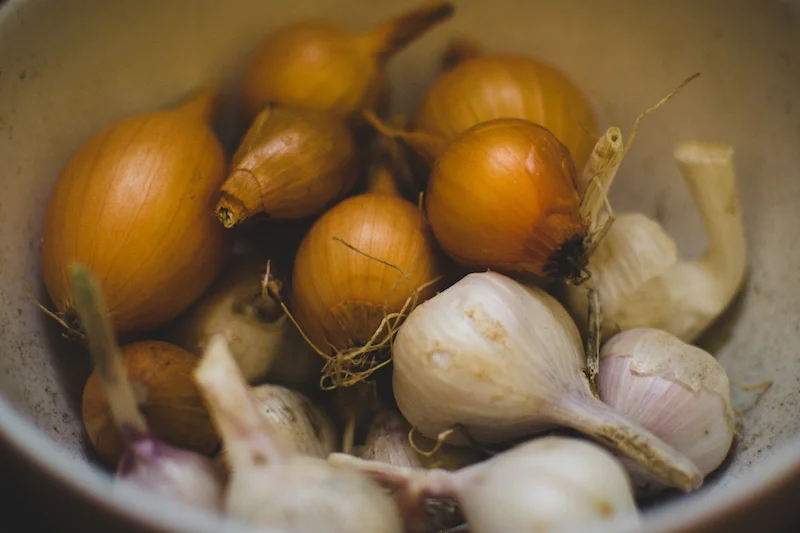
garlic (raw is best – hooray for pesto!)
jerusalem artichoke or sunchokes
jicama
leeks
legumes (prepare first by soaking 12-24 hours before cooking in order to deactivate anti-nutrients) - or make this blitzed pulse paste to add to goods
lettuce greens like radicchio, frisee, endive
onion (raw=best, cooked=great)
parsnips
pears
plantain (they look like bananas – try frying them in coconut oil and adding salt. Yum!)
rhubarb
squash (all winter and summer squash like zucchini)
sweet potatoes
turnips
ON RESISTANT STARCH
Interestingly enough, the prebiotics go up in a few specific leftovers, meaning they're better prebiotic foods if you eat them the next day than on the day they were first prepared: we're talking rice and potatoes here.
The resistant starch develops as the rice and potatoes cool. It remains there if you reheat them as well - so have at ‘er with the potato or rice salad, if you can tolerate! Make extra rice when next you cook up a batch, and freeze the leftovers. Use them up down the line, and know you’re doing your microbiome a good deed - that resistant starch is one of the best microbiome-builders there is!
You can also look to add 1/2 - 1 tsp potato starch to your smoothies or breakfast bowls in the mornings to help nourish that gut microbiome and encourage your good gut bugs to stick around.

Mmm. Delicious resistant starch in these babies tomorrow. Cook extra!
BUT NOW WHAT, LUKA?
I don't want you to get caught up in counting things, or thinking of this recommendation as yet another thing you need to add to your diet.
If you are consuming veg and fruit on a regular basis, ensuring sometimes raw stuff (if you can tolerate), you are good to go. If you are eating a variety of vegetables, I'm pretty sure you are covered.
If you want to up the ante, add more veggies to your plate! Have salads with meals. Roast a third veg for sides at mealtimes. Above all, don't overthink this one.